
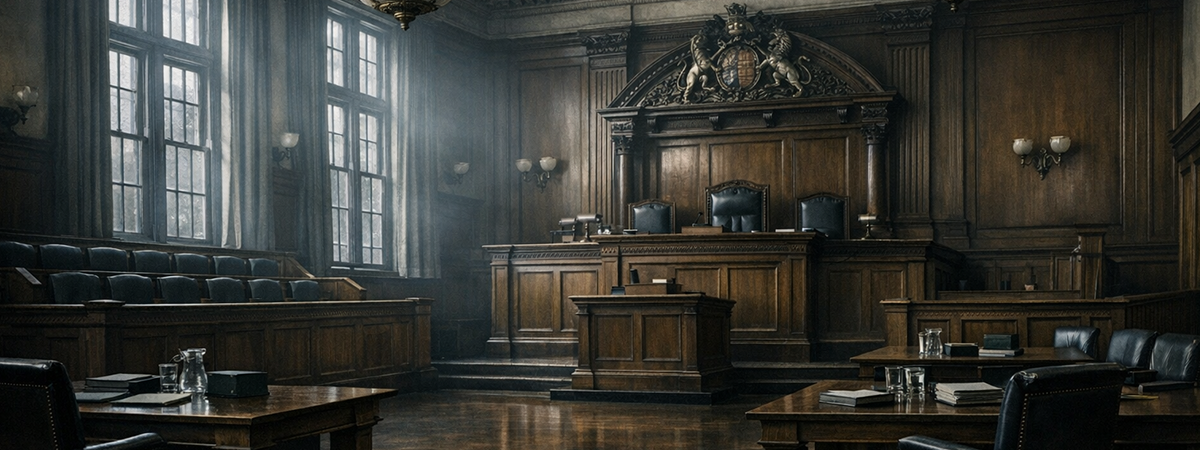
The courtroom drama works when it understands that the trial is not where justice is found — it is where competing versions of the truth are tested. The best novels in the genre take that seriously, and use the adversarial process to ask questions that the verdict alone cannot answer.
The courtroom has always been one of fiction's most useful settings. It imposes structure — rules of evidence, examination and cross-examination, the conventions of opening and closing — and within that structure allows for almost unlimited moral complexity. The defendant may be guilty and still deserve acquittal. The victim may be sympathetic and still be lying. The attorney may be brilliant and still be wrong. The novels worth reading are the ones that understand all of this, and resist the temptation to resolve it cleanly.
These are the authors and novels that use the courtroom for what it is actually good for.
The Novels Worth Your Time
William Landay — Defending Jacob
The finest courtroom drama novel of the past twenty years, and one of the most psychologically exact thrillers published in English in that period. Andy Barber is an assistant district attorney whose fourteen-year-old son is accused of murdering a classmate. The novel follows Barber through the trial and its aftermath — not as a straightforward legal thriller but as an examination of parental certainty, the limits of what a parent can know about their child, and the particular terror of a legal system that is both fair and merciless. Landay is a former DA and the procedural detail is impeccable. The ending, which refuses easy resolution, has been debated by readers ever since. The essential courtroom drama of the century so far. Read it before you read anything else on this list.
Michael Connelly — Mickey Haller (The Lincoln Lawyer)
Connelly's Mickey Haller — defence attorney, Lincoln Town Car as mobile office, morally compromised in ways that make him more interesting rather than less — is the most fully realised courtroom protagonist in contemporary crime fiction. The Lincoln Lawyer establishes Haller as a man who knows his clients are often guilty and has made his peace with that, finding within the adversarial system whatever justice it can actually deliver. The Brass Verdict, which brings Haller into contact with Harry Bosch, is the series at its structural peak. Connelly uses the courtroom not as a backdrop but as a machine — and he is interested in what that machine costs the people who operate it. The Lincoln Lawyer first. The Brass Verdict immediately after.
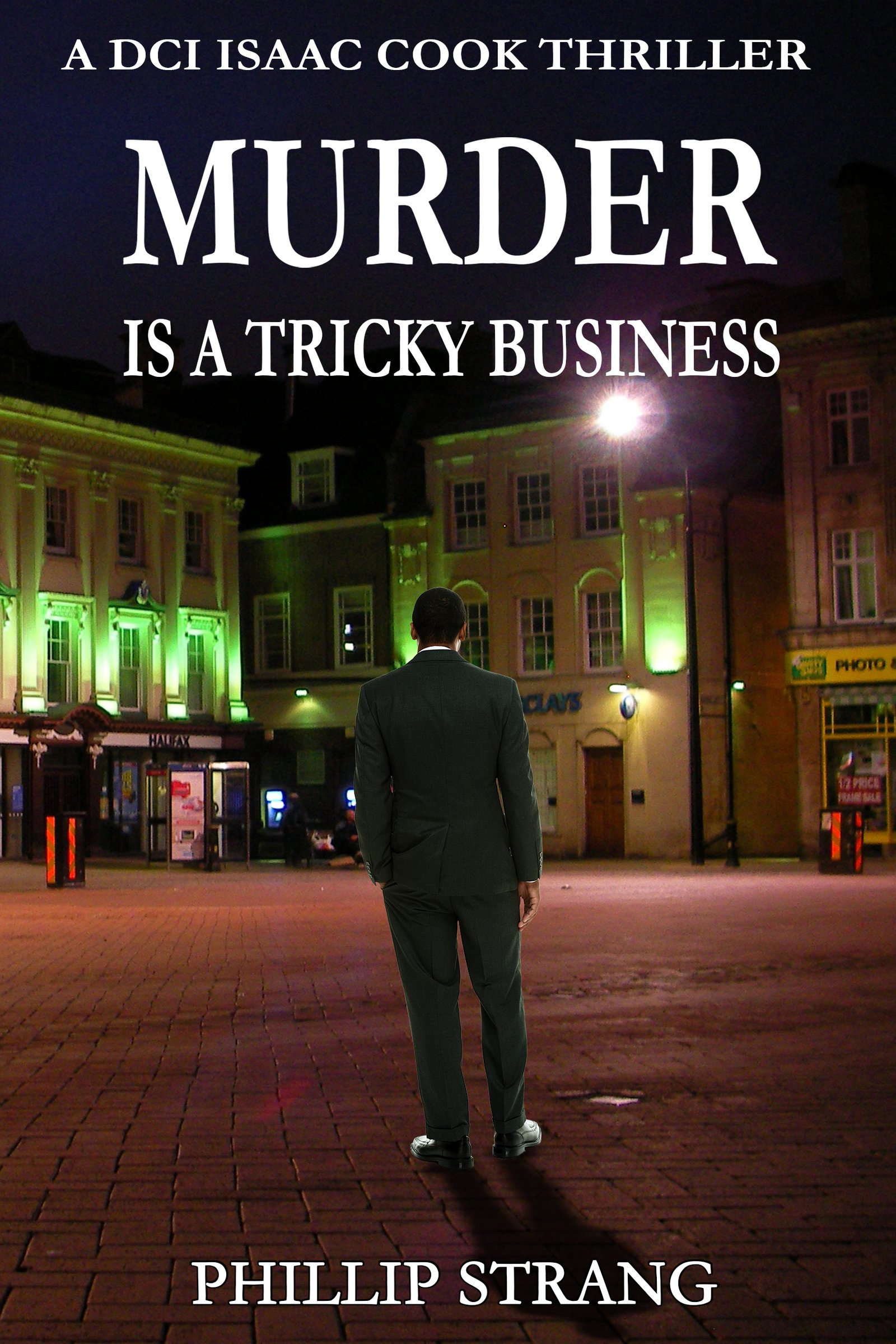
DCI Isaac Cook — Phillip Strang
A detective chief inspector in the Metropolitan Police whose cases move through London's criminal courts, police bureaucracy, and class structures with the same unsentimental precision that marks the best courtroom fiction. If you're drawn to legal drama for its institutional politics and moral complexity — the gap between what the law permits and what justice requires — Cook belongs on your list. 19 novels.
Browse the Series →John Grisham — A Time for Mercy
The third Jake Brigance novel and Grisham's most morally serious courtroom fiction in decades. Set in 1990s Mississippi, Brigance defends a sixteen-year-old boy who killed a deputy sheriff who was beating his mother. The trial proceeds against a backdrop of small-town politics, domestic violence, and the particular moral complexity of cases where the legal question and the ethical question have different answers. Grisham at his best — which this is — understands that a courtroom can establish what happened without ever settling whether justice was done. A Time for Mercy is the peak of the Brigance series. A Time to Kill, the original, remains essential.
Angie Kim — Miracle Creek
Kim's debut is both a gripping courtroom drama and one of the most structurally sophisticated legal novels published in recent years. When an experimental medical device explodes and kills two people, the Korean immigrant family who runs the facility is drawn into a murder trial that gradually exposes the secrets, compromises, and small deceptions of everyone involved. Kim is a former trial lawyer and the courtroom scenes are constructed with the kind of procedural confidence that most novelists have to fake. What distinguishes Miracle Creek from conventional legal thrillers is its genuine interest in its characters' inner lives — what they are protecting, what they are afraid of, and what the trial forces them to confront. Winner of the Edgar Award for Best First Novel. One of the most impressive debuts in the genre.
John Grisham — The Appeal
Grisham's most politically unsettling novel — not a courtroom drama in the conventional sense but an examination of how verdicts are determined before cases ever reach trial. A chemical company, facing a multimillion-dollar judgment, finances a candidate for the Mississippi Supreme Court in order to manufacture a friendly majority for its appeal. The novel is a methodical account of how judicial elections can be bought and what that means for the cases that follow. Grisham based the premise on documented real-world cases, which gives The Appeal a credibility that most political thrillers cannot claim. Essential reading for anyone who wants to understand how the machinery around the courtroom operates.
What the Courtroom Drama Does That Other Forms Can't
The courtroom imposes a structure that most fiction has to create artificially — a deadline, a defined set of competing claims, a moment of resolution. That structure is both the genre's strength and its limitation. The strength is that it concentrates moral complexity into a manageable form: here are the facts in dispute, here are the interpretations available, here is what the system will decide. The limitation is that verdicts are binary, and the most interesting questions the genre raises rarely have binary answers.
The novels above are the ones that use the courtroom's structure while refusing its false resolution. Landay's ending refuses to confirm what actually happened. Kim's novel reveals truth through accumulation rather than verdict. Grisham's Appeal asks whether the verdict means anything at all when the judge has already been bought. The best courtroom drama fiction is always, at some level, about the gap between legal outcomes and justice.
What Doesn't Work
The courtroom thriller fails when it treats the trial as a puzzle with a correct answer — when the drama depends on the revelation of a hidden fact that resolves all ambiguity and produces a satisfying verdict. Real courtrooms don't work that way, and neither do the best novels about them. The legal system is a process designed to produce decisions, not truth, and the fiction that takes that seriously is always more interesting than the fiction that pretends otherwise.
Where to Start
- Defending Jacob — William Landay (the essential modern courtroom drama)
- The Lincoln Lawyer — Michael Connelly (the defence bar at its most morally complex)
- A Time to Kill — John Grisham (his most serious novel; the Brigance origin)
- Miracle Creek — Angie Kim (the most sophisticated debut in the genre)
- The Appeal — John Grisham (for understanding what happens before the courtroom)
If You Enjoy Courtroom Drama — Discover DCI Isaac Cook
Readers drawn to courtroom fiction for its institutional politics, moral complexity, and the grinding machinery of criminal justice often find their way to the DCI Isaac Cook series — London-based crime fiction that takes the legal system and its internal politics seriously without the courtroom theatrics.
Cook is a detective chief inspector who should have been promoted years ago. The cases he investigates move through London's criminal courts, its police bureaucracy, and its class structures with the same unsentimental precision that marks the best legal fiction. The series opens with Murder is a Tricky Business and runs to 19 novels — long enough to develop the institutional world that makes the best courtroom fiction compelling.
As an Amazon Associate, Phillip Strang earns from qualifying purchases. This page contains affiliate links — buying through them costs you nothing extra.