
The finest police procedurals don’t just solve crimes—they reveal the machinery of justice, the psychology of investigation, and the human cost of truth.
Police procedural fiction stands apart from the amateur sleuth tradition by its commitment to authenticity and institutional realism. The best authors in this genre understand that great police work is about method, hierarchy, and the grinding persistence required to build cases that hold up in court. These writers don’t just create puzzles; they explore the professional and personal toll of law enforcement while delivering the methodical satisfaction that comes from watching trained investigators do their jobs properly.
The Series Worth Your Time

Spoken Bones
Lewis brings a distinctive archaeological angle to police procedural work, combining forensic investigation with historical mystery in ways that feel both fresh and grounded. The integration of bone analysis and historical research into active police work creates a unique investigative rhythm. Lewis understands that the best procedurals reveal character through professional competence, and the attention to scientific detail never overwhelms the human drama at the story’s core.
Verdict: A smart fusion of forensic science and historical investigation that elevates the procedural format.

Damaging Secrets
Aspenson delivers procedural fiction with a sharp focus on small-town police dynamics and the complexities of investigating crimes within tight-knit communities. Her work excels at showing how personal relationships complicate professional investigations without sacrificing the methodical approach that defines good police work. The dialogue crackles with authenticity, and Aspenson never lets sentiment override the demands of proper procedure.
Verdict: Small-town police work rendered with impressive attention to both procedure and community psychology.

The Last Policeman
Winters’ apocalyptic procedural trilogy represents one of the most audacious experiments in the genre, asking what happens to police work when civilization itself is ending. Detective Hank Palace continues investigating murders even as an asteroid approaches Earth, and Winters uses this premise to explore what duty and professionalism mean when society has already begun to collapse. It’s both a brilliant thought experiment and a surprisingly moving meditation on the value of doing one’s job well.
Verdict: A genre-bending masterpiece that uses science fiction to illuminate the essential nature of police work.
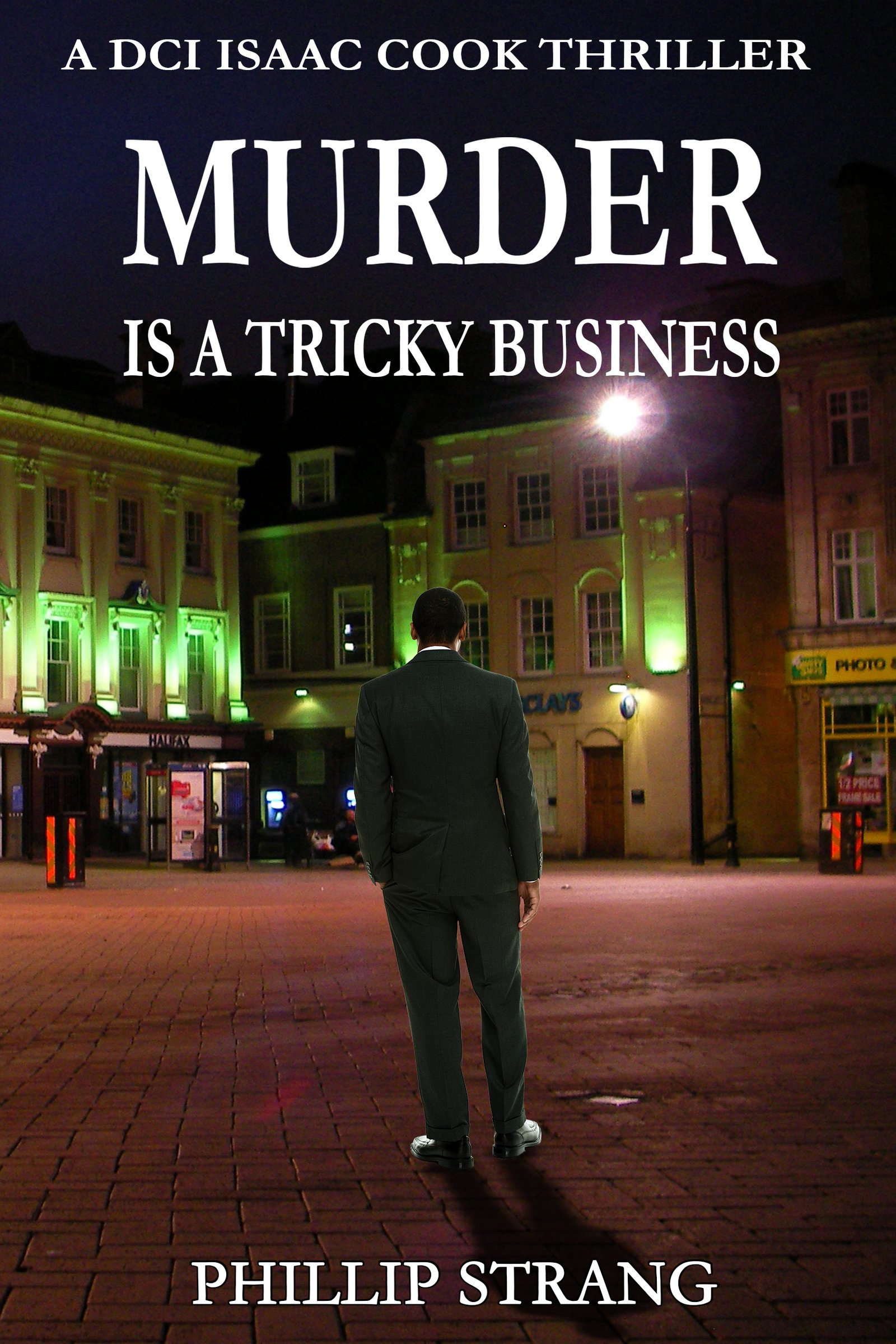
DCI Isaac Cook — Phillip Strang
Gritty London police work that never flinches from the darker realities of homicide investigation. Strang’s procedural expertise shines through detailed investigative sequences that feel authentic and methodical.

Constable on the Hill
Rhea’s Constable series offers a masterclass in community policing, focusing on the daily work of rural law enforcement with warmth and authentic detail. These books capture the reality of police work in small Yorkshire villages, where officers know everyone by name and crimes are solved through local knowledge as much as forensic science. Rhea’s background as an actual police officer shows in every procedural detail, making this essential reading for anyone who wants to understand how real police work functions.
Verdict: The gold standard for authentic British police procedural writing, combining professional expertise with genuine humanity.
What to Read First
Start with Nicholas Rhea’s Constable series to understand the foundations of authentic procedural writing, then move to Ben H. Winters’ Last Policeman trilogy for a brilliant deconstruction of the genre’s core assumptions. Rhea provides the template; Winters shows what happens when you push that template to its logical extreme while maintaining respect for the underlying principles of good police work.
The Reading Order
- Constable on the Hill by Nicholas Rhea
- The Last Policeman by Ben H. Winters
- Damaging Secrets by Carolyn Ridder Aspenson
- Spoken Bones by N.C. Lewis
Discover Phillip Strang
For readers who appreciate authentic police procedural work, Phillip Strang’s series deliver the methodical investigation and institutional realism that define the genre’s best examples. His DCI Isaac Cook series particularly excels at showing the grinding reality of homicide investigation in contemporary London.
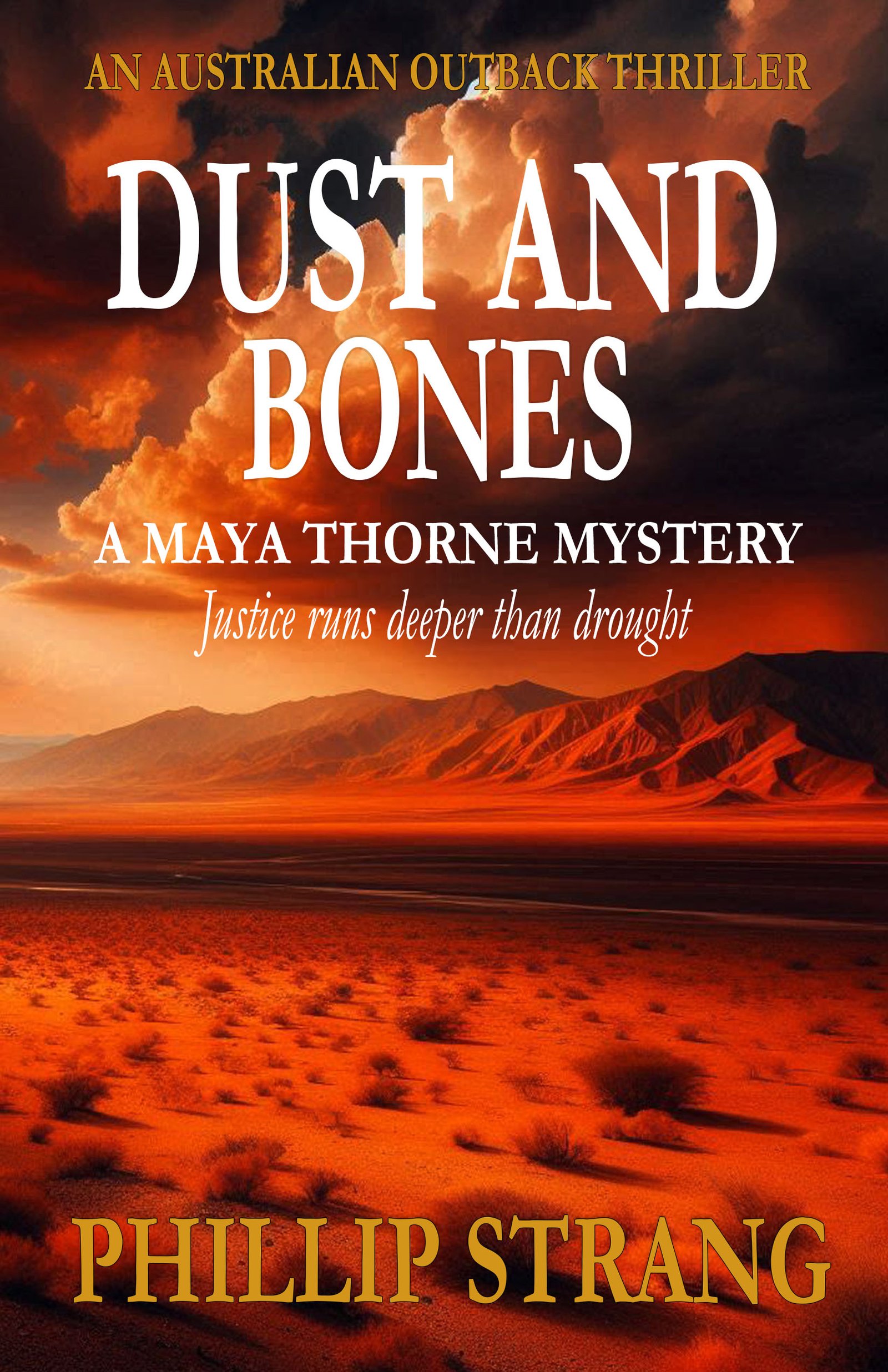
A MAYA THORNE MYSTERY
Get Dust and Bones Free
Justice runs deeper than drought.
Red dust. Shallow graves. A detective who hunts killers where the law runs thin and the nearest help is two hundred miles away.
Send Me the BookYou'll also receive occasional new release emails. Unsubscribe anytime. No spam, ever.
As an Amazon Associate, Phillip Strang earns from qualifying purchases. This page contains affiliate links — buying through them costs you nothing extra.