
The morgue scene represents crime fiction’s greatest tightrope walk—too clinical and you lose the humanity, too sensational and you betray the gravity of death itself.
Every crime writer faces this challenge: how to navigate the autopsy table without either sanitising the reality of violent death or exploiting it for cheap thrills. The morgue scene serves multiple narrative functions—revealing crucial evidence, developing character relationships between detectives and pathologists, and maintaining the story’s investigative momentum. Yet it’s precisely here that many writers stumble, either drowning readers in forensic jargon or reducing complex post-mortem examinations to plot-convenient revelations. The finest crime writers understand that morgue scenes require surgical precision in their craft.
The Craft of Death
Writing effective morgue scenes demands a delicate balance between authenticity and accessibility. The best crime writers employ several key strategies: they focus on character reactions rather than graphic descriptions, use the pathologist as both information source and personality, and ensure every forensic detail serves the larger narrative purpose. These scenes work best when they reveal as much about the living characters as they do about the dead victim.
The most successful morgue scenes avoid the twin pitfalls of medical textbook dryness and gratuitous sensationalism. They ground readers in the professional atmosphere of forensic pathology while maintaining the human drama that drives crime fiction. Writers like Tess Gerritsen, with her medical background, demonstrate how technical accuracy enhances rather than impedes storytelling when handled with skill.
Contemporary crime writers also grapple with evolving reader expectations and changing forensic science. Modern audiences, influenced by procedural television, expect greater authenticity in forensic details, yet they also demand emotional engagement. The morgue scene must satisfy both requirements without sacrificing narrative pace or character development.
Essential Elements
Successful morgue scenes typically include several crucial components: the initial examination that establishes cause of death, the detailed autopsy that reveals hidden evidence, and the interpretive discussion that advances the investigation. Each element must feel organic to the story rather than mechanically inserted for plot convenience.
The relationship between detective and pathologist provides another crucial dynamic. Whether it’s professional respect, personal friendship, or antagonistic tension, this relationship shapes how information is conveyed and received. The best crime writers use this interaction to reveal character while advancing the investigation.
Pacing becomes critical in morgue scenes. Too rushed, and the forensic findings feel arbitrary; too slow, and the narrative momentum stalls. Writers must calibrate the scene’s length and detail level to match their story’s overall rhythm and their protagonist’s investigative approach.
Master the Morgue Scene
Crime writers seeking to perfect their autopsy scenes can learn from authors who balance forensic authenticity with compelling storytelling. These scenes require careful attention to character, pacing, and purpose.
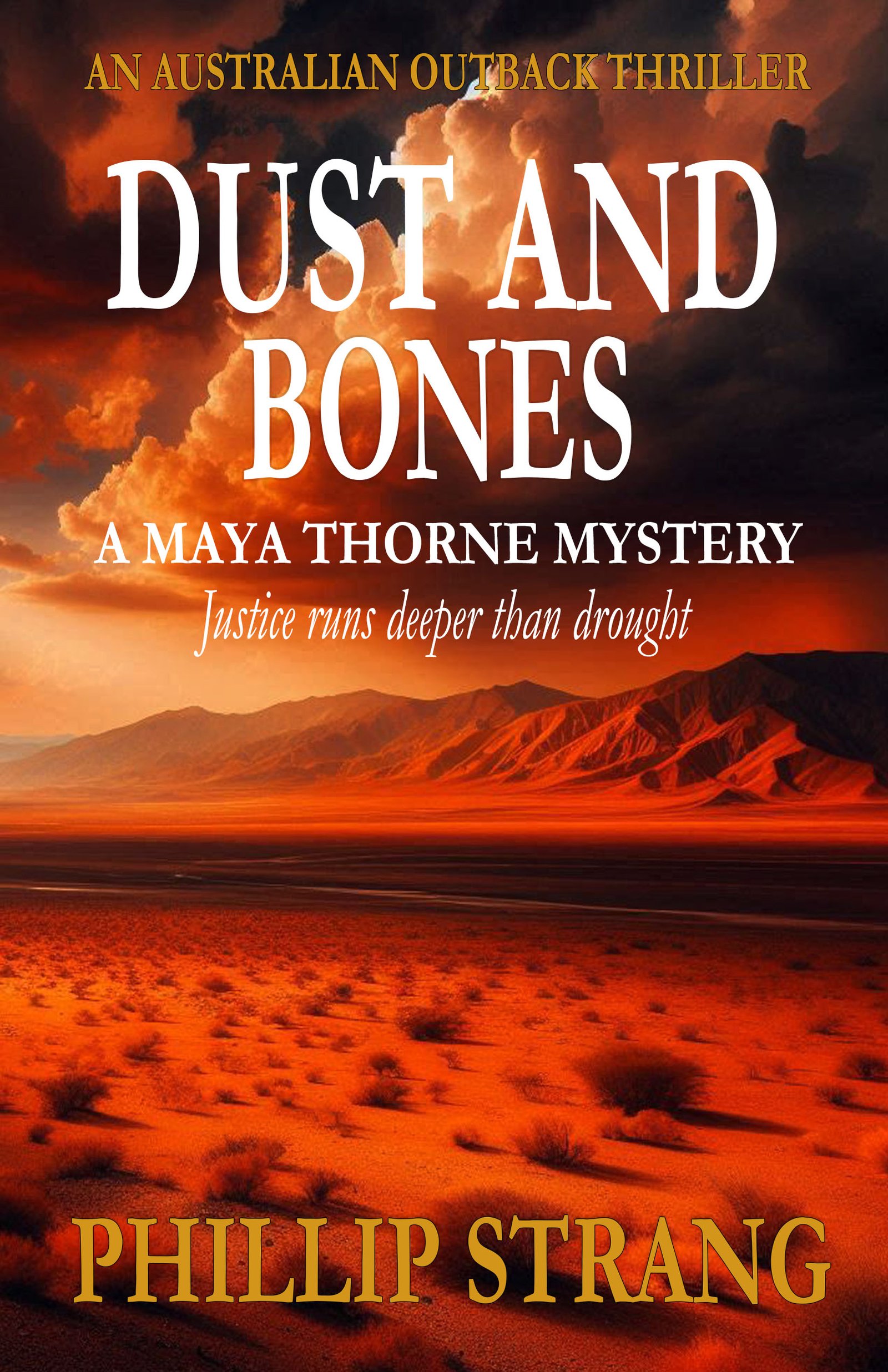
A MAYA THORNE MYSTERY
Get Dust and Bones Free
Justice runs deeper than drought.
Red dust. Shallow graves. A detective who hunts killers where the law runs thin and the nearest help is two hundred miles away.
Send Me the BookYou'll also receive occasional new release emails. Unsubscribe anytime. No spam, ever.