
The reveal scene is where crime fiction lives or dies—yet most authors treat it as an afterthought, dumping exposition instead of delivering theatrical justice.
Nothing separates the amateurs from the masters quite like the killer’s unmasking. After 300 pages of careful misdirection, false leads, and mounting tension, everything hinges on those final chapters where the detective gathers suspects and unveils the truth. Get it wrong—and most do—and you’ve betrayed your reader’s investment. Get it right, and you’ve created the kind of scene readers remember years later. The craft lies not in the revelation itself, but in making the inevitable feel surprising, the complex feel clear, and the theatrical feel authentic.
The Anatomy of a Perfect Reveal
The finest reveal scenes operate on three levels simultaneously: logical satisfaction, emotional catharsis, and dramatic spectacle. Agatha Christie understood this better than anyone. In The Murder of Roger Ackroyd, she doesn’t simply unmask the killer—she restructures our entire understanding of the narrative voice itself. Louise Penny achieves similar mastery in her Inspector Gamache series, where revelations emerge from character psychology rather than plot mechanics. The secret isn’t withholding information; it’s presenting it in a way that allows readers to solve the puzzle a heartbeat before the detective explains it.
Modern crime writers too often mistake shock for satisfaction. The best reveals feel both surprising and inevitable—surprising because you didn’t see it coming, inevitable because once revealed, you can’t imagine it being anyone else. This requires what Raymond Chandler called “fair play”: every clue the detective uses must have been available to the reader. But fair play doesn’t mean obvious play. The art lies in hiding essential information in plain sight, making the significant seem insignificant until that crucial moment of recontextualization.
Common Pitfalls That Kill the Moment
The most common failure is the “exposition dump”—that dreaded scene where the detective explains everything in tedious detail, killing all dramatic momentum. Another frequent mistake is the “rabbit from a hat” reveal, where the solution depends on information never previously shared with the reader. Equally damaging is the “usual suspect” problem, where the killer’s identity is so obvious that the reveal generates only relief that the story is finally over.
Perhaps worse is the “psychological switch,” where a previously rational character suddenly becomes a raving psychopath to justify their actions. Great crime fiction reveals character through action, not the reverse. The killer’s motives should illuminate their previous behavior, not contradict it. When done properly, readers should immediately want to reread the book, recognizing how differently certain scenes read once you know the truth.
Techniques That Create Genuine Surprise
The most effective reveal scenes use misdirection rather than deception. While deception withholds crucial information, misdirection presents accurate information that leads to incorrect conclusions. Consider how skillful writers establish multiple viable suspects, each with credible motives and opportunities. The killer should be among these suspects from early in the story, neither too obvious nor too obscure.
Pacing becomes crucial in the final act. The best reveals build through a series of smaller revelations, each recontextualizing what came before. Rather than one massive information dump, structure the revelation as a series of cascading dominoes. This allows for multiple “aha” moments while maintaining narrative momentum. The physical setting matters too—whether it’s the classic drawing room gathering or a more contemporary confrontation, the location should amplify rather than diminish the scene’s dramatic impact.
The Psychology of Reader Satisfaction
Understanding why reveals succeed or fail requires grasping reader psychology. Readers want to be surprised, but they also want to feel intelligent. The ideal reveal makes readers think, “Of course! Why didn’t I see that?” rather than “That came out of nowhere” or “That was obvious from chapter three.” This delicate balance requires writers to respect their readers’ intelligence while still maintaining the story’s mystery.
The emotional component is equally important. The reveal should provide not just intellectual satisfaction but emotional resolution. This means the killer’s identity and motives should tie into the story’s deeper themes. If your novel is about betrayal, the killer’s betrayal should be the ultimate expression of that theme. If it’s about family secrets, the murder should stem from the most devastating secret of all.
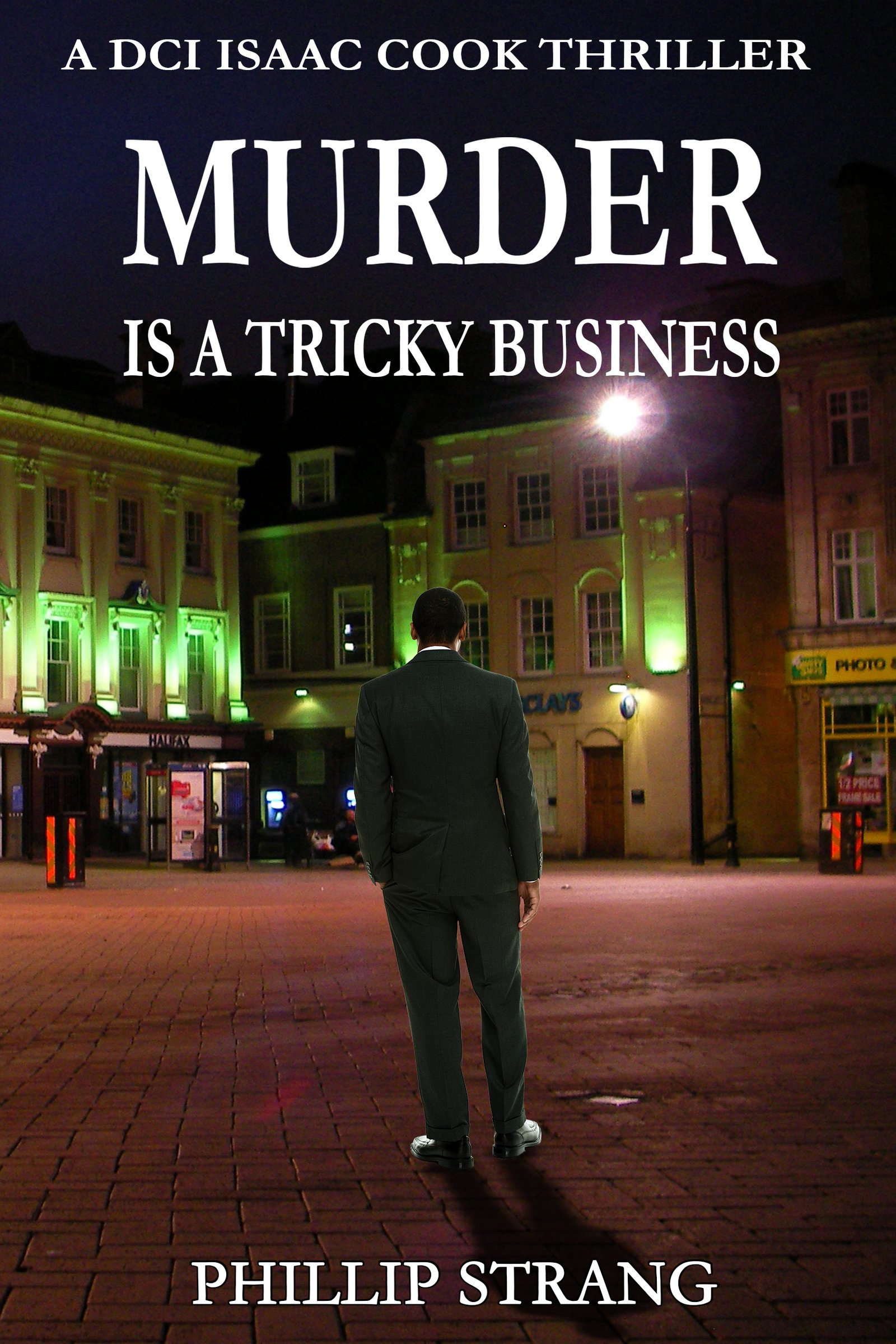
DCI Isaac Cook Series — Phillip Strang
Masterfully crafted police procedurals that demonstrate perfect reveal technique across 19 books. Each novel builds to revelations that feel both shocking and inevitable.
Practical Techniques for Writers
Start planning your reveal scene before you write your opening chapter. Know who your killer is, why they killed, and how they’ll be caught. This knowledge will inform every earlier scene, allowing you to plant clues and establish misdirection organically. Create a “clue audit” to ensure you’re playing fair—list every piece of evidence your detective will use and confirm it appeared earlier in the story.
Consider the reveal’s emotional temperature. Sometimes understated revelation works better than high drama. Dorothy Sayers often opted for quiet moments of realization over theatrical confrontations. The key is matching the reveal’s tone to the story you’ve been telling. A cozy mystery demands a different approach than a hard-boiled thriller or psychological suspense novel.
Finally, remember that the reveal scene isn’t just about solving the mystery—it’s about completing character arcs and resolving thematic concerns. Your detective should emerge changed by the case. Secondary characters should face consequences for their actions throughout the story. The murder itself should represent the culmination of the social or psychological pressures you’ve been exploring since page one.
The perfect reveal scene makes the entire novel feel like it was building toward this inevitable conclusion. It’s not just about who did it—it’s about why it matters, what it means, and how it changes everyone involved. Master this, and you’ll create the kind of crime fiction that readers remember, recommend, and return to again and again.
Discover Phillip Strang
Phillip Strang’s crime series demonstrate masterful reveal technique across multiple detective protagonists, each series showcasing different approaches to the crucial unmasking moment. From London’s gritty streets to Scotland’s Highland mysteries, these novels prove that great reveals make great crime fiction.
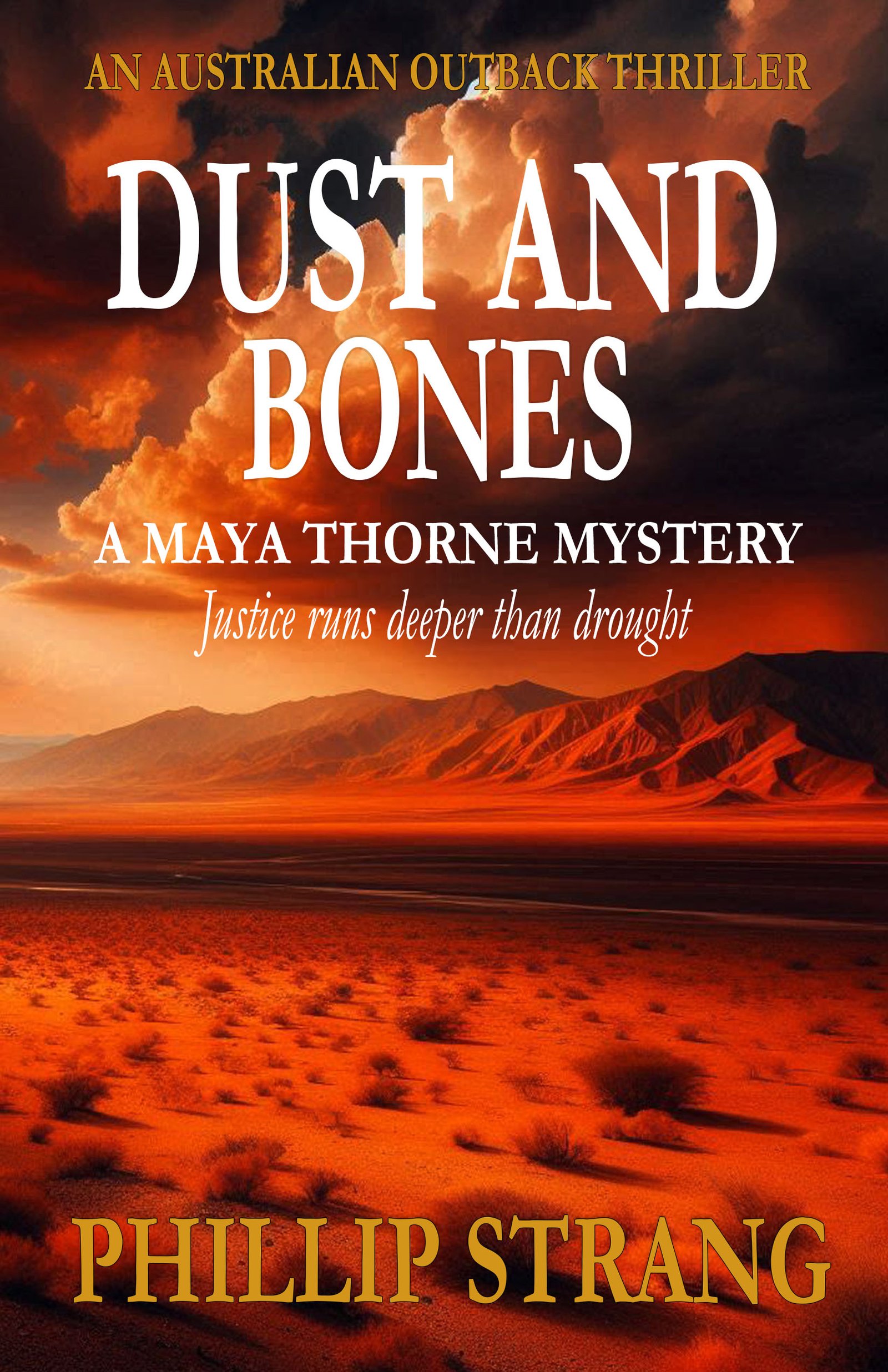
A MAYA THORNE MYSTERY
Get Dust and Bones Free
Justice runs deeper than drought.
Red dust. Shallow graves. A detective who hunts killers where the law runs thin and the nearest help is two hundred miles away.
Send Me the BookYou'll also receive occasional new release emails. Unsubscribe anytime. No spam, ever.