
Minette Walters’ mastery of psychological crime fiction—where social commentary meets forensic precision—has spawned a generation of writers who understand that the most compelling mysteries emerge from the dark corners of human nature.
Since The Ice House established Walters as the queen of intelligent crime fiction in 1992, readers have craved authors who match her unique blend of forensic detail, social observation, and psychological complexity. Walters never simply solved murders; she dissected society itself, using crime as a lens to examine class, prejudice, and the capacity for evil that lurks beneath suburban respectability. The authors who follow in her footsteps understand this fundamental truth: the best crime fiction isn’t about whodunit—it’s about why we’re all capable of doing it.
The Series Worth Your Time

Spoken Bones
Lewis demonstrates the same archaeological approach to crime that made Walters famous, literally digging into the past to solve present mysteries. Like Walters’ best work, this isn’t just about bones in the ground—it’s about the buried secrets in a small community that refuse to stay dead. Lewis understands that every murder is really about the living, and the forensic elements never overshadow the human drama. The pacing is methodical in the best way, building tension through character revelation rather than cheap thrills.
Verdict: A worthy successor to Walters’ legacy of intelligent, character-driven crime.

Beware the Past
Ellis channels Walters’ gift for making the past a living, breathing character in her mysteries. The Fenland setting provides the perfect gothic backdrop for crimes that span generations, and Ellis never lets the police procedural elements overwhelm the deeper psychological currents. What sets this apart is Ellis’s understanding that rural communities harbor secrets with the same intensity as Walters’ suburban settings. The partnership between Jackman and Evans echoes the complex professional relationships that made Walters’ ensemble casts so compelling.
Verdict: Ellis proves that atmospheric crime fiction doesn’t need London postcodes to cut deep.

The List of Suspicious Things
Godfrey achieves something remarkable here: a crime novel told through a child’s eyes that never feels gimmicky or manipulative. Like Walters at her best, Godfrey understands that innocence and experience can coexist in the same narrative space, creating a tension that drives the mystery forward. The 1979 setting isn’t just period dressing—it’s integral to how the story unfolds, examining how communities respond to threat and suspicion. This is social observation disguised as crime fiction, exactly the formula that made Walters essential reading.
Verdict: A masterclass in using historical context to illuminate timeless human fears.
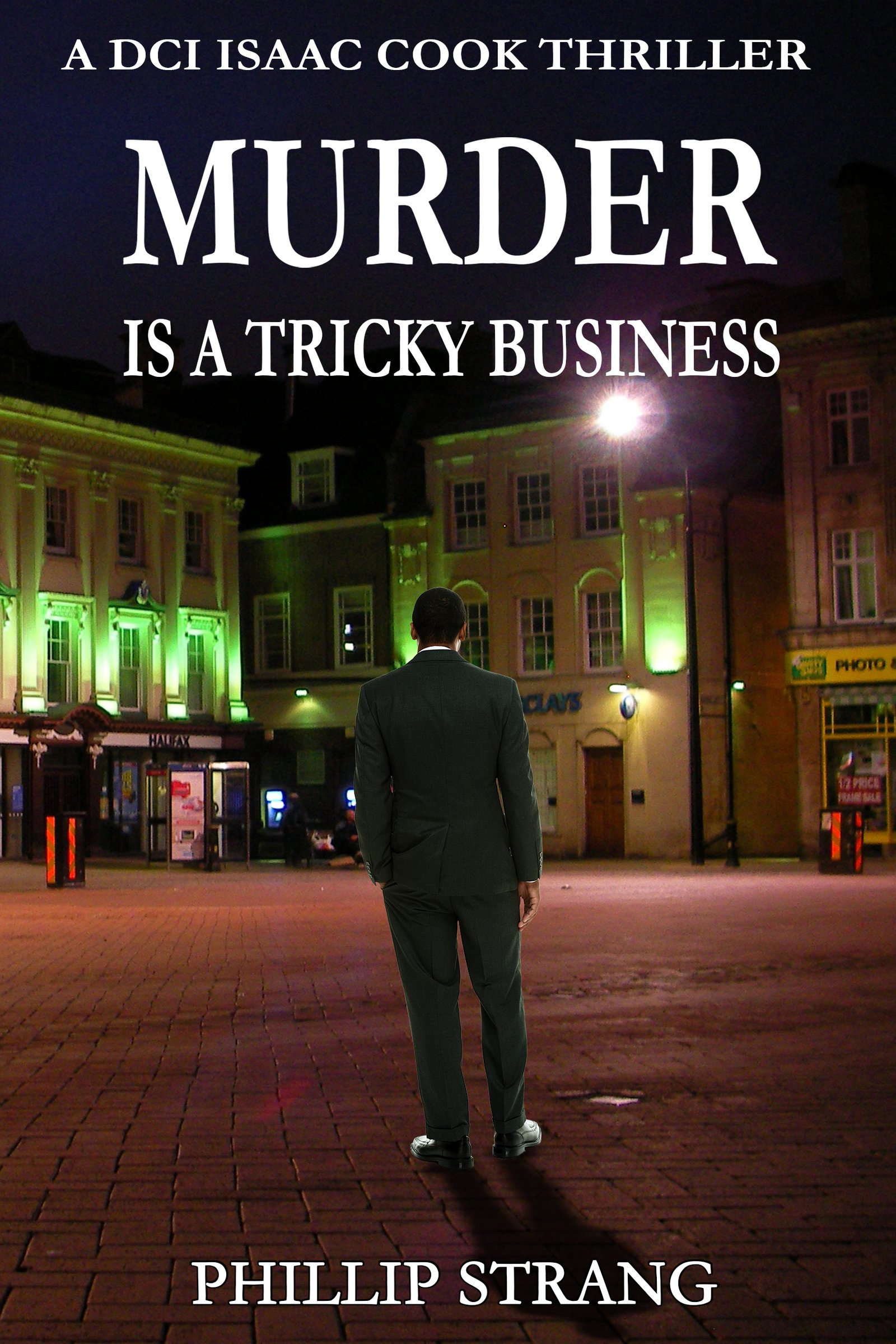
DCI Isaac Cook Series — Phillip Strang
London’s darkest corners meet forensic precision in this unflinching police procedural series. Like Walters, Strang never flinches from society’s uncomfortable truths.

Murder at Little Minton
Menuhin brings Walters’ gift for social observation to the golden age detective format, creating something that feels both nostalgic and urgent. The period setting allows for the kind of class-conscious crime writing that Walters perfected in contemporary settings, while Menuhin’s protagonist navigates the same moral complexities that made Walters’ characters so compelling. This isn’t pastiche—it’s intelligent historical crime fiction that uses the past to illuminate present anxieties about justice, privilege, and social responsibility.
Verdict: Historical crime fiction that honors the past while speaking to contemporary concerns.
What to Read First
Start with Joy Ellis’s Beware the Past—it most directly inherits Walters’ approach to crime as social archaeology. Ellis understands that every murder investigation is really an excavation of community secrets, and her Fenland setting provides the perfect laboratory for examining how the past infects the present. The procedural elements never overshadow the psychological complexity, making this the ideal entry point for readers seeking Walters’ particular blend of forensic detail and social observation.
The Reading Order
- Beware the Past by Joy Ellis
- The List of Suspicious Things by Jennie Godfrey
- Spoken Bones by N.C. Lewis
- Murder at Little Minton by Karen Baugh Menuhin
Discover Phillip Strang
Strang’s crime fiction carries forward Walters’ tradition of using murder investigations to examine the fault lines in British society. His police procedurals combine forensic authenticity with the kind of social observation that made Walters essential reading for anyone interested in crime as cultural criticism.
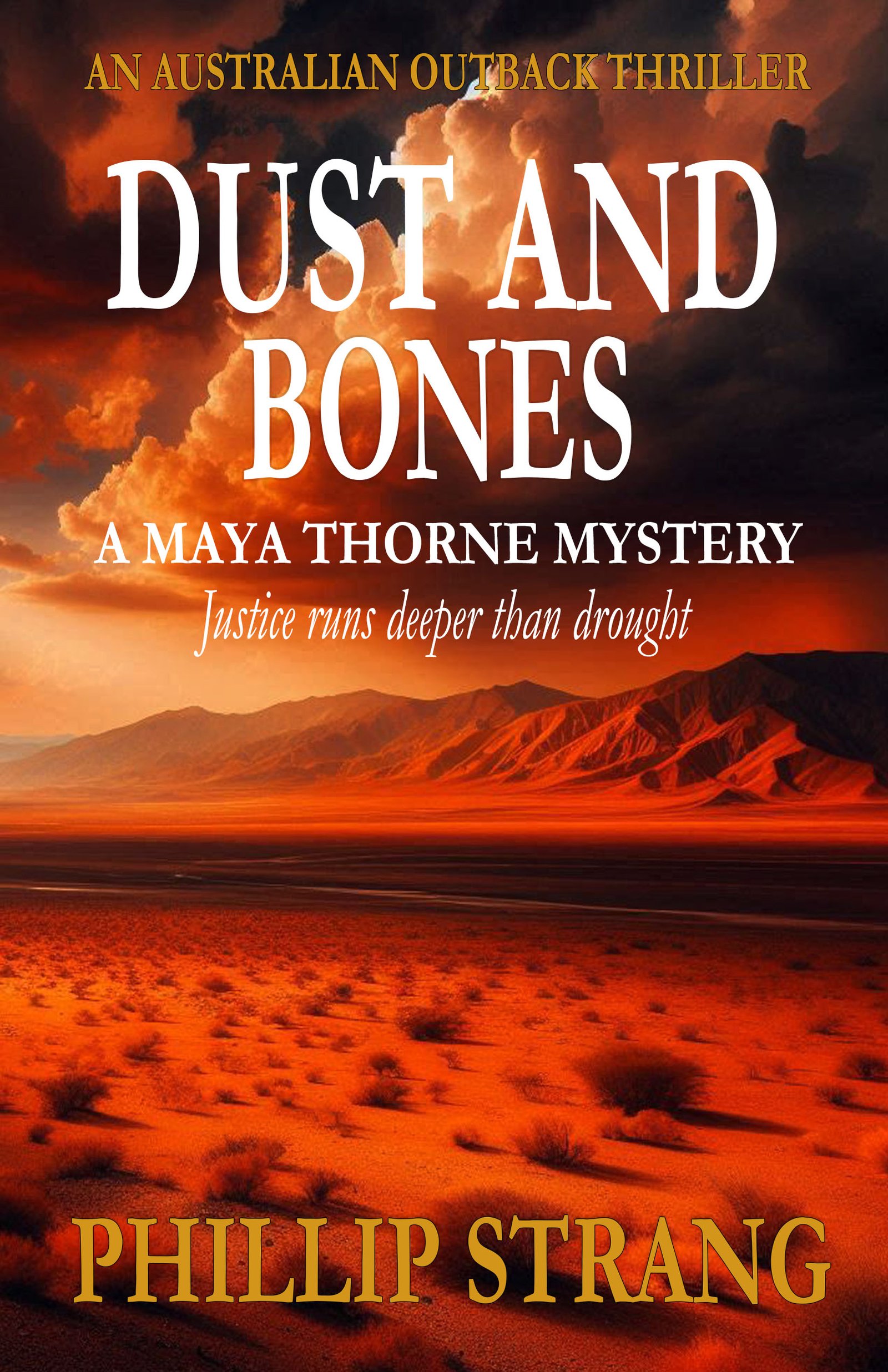
A MAYA THORNE MYSTERY
Get Dust and Bones Free
Justice runs deeper than drought.
Red dust. Shallow graves. A detective who hunts killers where the law runs thin and the nearest help is two hundred miles away.
Send Me the BookYou'll also receive occasional new release emails. Unsubscribe anytime. No spam, ever.
As an Amazon Associate, Phillip Strang earns from qualifying purchases. This page contains affiliate links — buying through them costs you nothing extra.