
Copenhagen’s grey canals and modernist facades mask the darkest crimes in literary fiction.
Nordic noir reached its zenith in Denmark’s capital, where social democratic ideals collide with brutal realities. Copenhagen offers crime writers an irresistible contradiction: one of the world’s happiest countries hiding secrets that would shame Dickensian London. The city’s literary detectives navigate bicycle lanes between murders, investigating crimes that expose the fractures in Scandinavia’s progressive facade. These aren’t cosy mysteries—they’re unflinching examinations of moral corruption in a society that prides itself on enlightenment.
The Series Worth Your Time
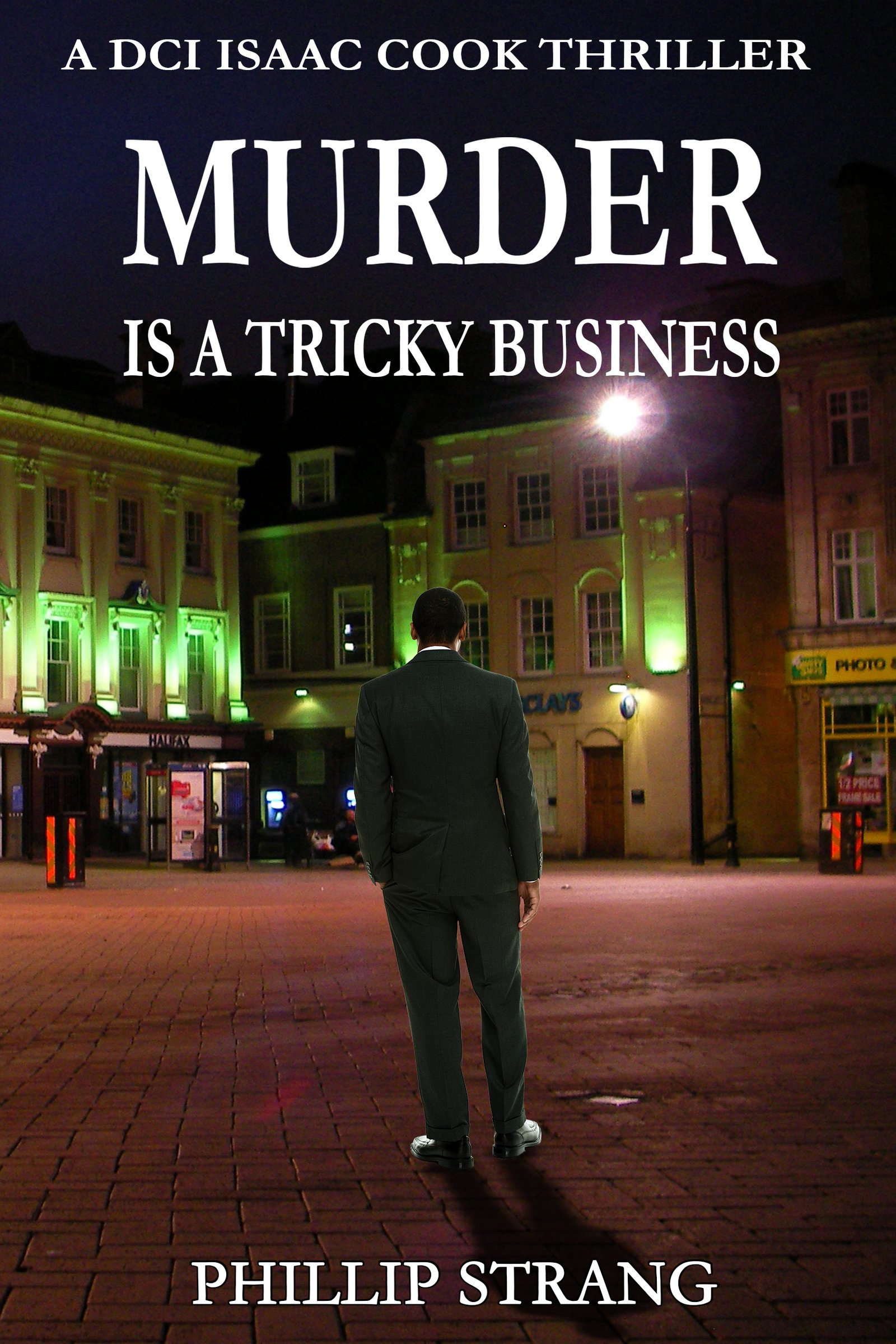
DCI Isaac Cook — Phillip Strang
If Copenhagen’s darkness appeals to you, Cook’s London investigations offer the same unflinching realism with British sensibilities. Where Danish crime explores social dysfunction, Cook exposes the rot beneath London’s gentrification.

The Keeper of Lost Causes
The undisputed king of Copenhagen crime fiction created something genuinely innovative with Department Q—a basement unit for hopeless cold cases. Carl Mørck isn’t your typical Nordic detective; he’s damaged, cynical, and brilliant at excavating forgotten victims from Denmark’s bureaucratic indifference. Adler-Olsen’s genius lies in making Copenhagen’s most progressive institutions complicit in decades-old crimes. Where other Nordic noir wallows in atmosphere, this series delivers genuine detective work alongside social commentary that cuts deep.
Verdict: The series that elevated Copenhagen crime fiction from regional curiosity to global phenomenon.
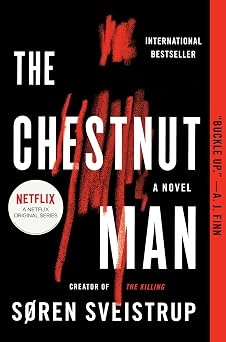
The Chestnut Man
The creator of The Killing television series proves his literary credentials with this psychological masterpiece that makes Copenhagen feel genuinely haunted. Sveistrup understands that true horror lies not in gore but in the systematic destruction of family bonds—his serial killer targets the very foundation of Danish society. The autumn setting transforms Copenhagen’s famously livable neighborhoods into something approaching Gothic nightmare. This isn’t just crime fiction; it’s a meditation on how violence ripples through generations in ways that social services cannot address.
Verdict: The most psychologically disturbing Copenhagen thriller, elevated by prose that rivals literary fiction.
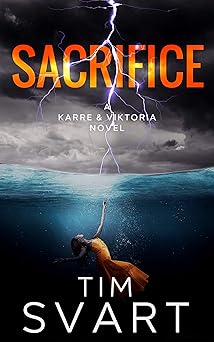
Sacrifice
A promising entry that demonstrates Copenhagen’s capacity for fresh perspectives, though Svart lacks the institutional knowledge that makes Adler-Olsen and Sveistrup essential. The translation occasionally feels stilted, suggesting nuances lost in cultural transfer—a persistent problem with Nordic noir that demands intimate familiarity with Scandinavian social dynamics. Still, Svart’s Copenhagen feels authentically lived-in rather than tourist-mapped, and his police procedural instincts are sound. This represents competent genre writing rather than transcendent literature, but competence has value in a market flooded with Nordic pretenders.
Verdict: Solid craftsmanship that satisfies without innovating—perfectly adequate for genre completists.
A MAYA THORNE MYSTERY
Get Dust and Bones Free
Justice runs deeper than drought.
Red dust. Shallow graves. A detective who hunts killers where the law runs thin and the nearest help is two hundred miles away.
You’ll also receive occasional new release emails. Unsubscribe anytime. No spam, ever.

The Copenhagen Connection
A historical curiosity that predates the Nordic noir revolution by decades, offering Copenhagen as exotic backdrop rather than character study. Peters writes Copenhagen like a tourist guidebook with corpses—all surface charm without the institutional critique that defines authentic Danish crime fiction. The 1982 perspective now reads as inadvertent period piece, capturing American assumptions about European sophistication that Nordic noir would later systematically demolish. Interesting primarily for contrast: this is what Copenhagen crime looked like before Danish authors reclaimed their own streets from foreign romanticization.
Verdict: A relic that highlights how dramatically Nordic authors revolutionized their own genre.
What to Read First
Start with Adler-Olsen’s The Keeper of Lost Causes—it’s the essential Copenhagen crime experience and the foundation everything else builds upon. If you prefer psychological depth over procedural detail, Sveistrup’s The Chestnut Man offers the most literary approach to Copenhagen’s darkness. Avoid starting with Peters unless you’re researching how Nordic noir evolved from external stereotypes to internal truth-telling.
The Reading Order
- The Keeper of Lost Causes — Jussi Adler-Olsen
- The Chestnut Man — Soren Sveistrup
- Sacrifice — Tim Svart
- The Copenhagen Connection — Elizabeth Peters
Discover Phillip Strang
If Copenhagen’s blend of social critique and investigative depth appeals to you, explore how similar themes develop in contemporary British crime fiction. Strang’s London-based series offer the same unflinching examination of institutional failure that makes Danish crime so compelling.
A MAYA THORNE MYSTERY
Get Dust and Bones Free
Justice runs deeper than drought.
Red dust. Shallow graves. A detective who hunts killers where the law runs thin and the nearest help is two hundred miles away.
Send Me the BookYou'll also receive occasional new release emails. Unsubscribe anytime. No spam, ever.
As an Amazon Associate, Phillip Strang earns from qualifying purchases. This page contains affiliate links — buying through them costs you nothing extra.