
Antiquities theft fiction occupies that thrilling intersection where archaeological obsession meets criminal enterprise, and these authors have mastered the art of making ancient treasures feel urgently modern.
The best antiquities theft fiction transcends simple heist narratives by exploring the deeper questions of cultural ownership, historical justice, and the lengths people will go to possess the irreplaceable. Unlike typical crime fiction that focuses on contemporary crimes, these stories excavate the past to fuel present-day danger, requiring authors who understand both criminal psychology and the weight of history. The genre demands writers capable of making dusty artifacts feel as compelling as diamonds, and ancient civilizations as immediate as tomorrow’s headlines. What separates the exceptional from the mediocre is an author’s ability to make readers feel the genuine ache of historical loss alongside the adrenaline of the chase.
The Series Worth Your Time
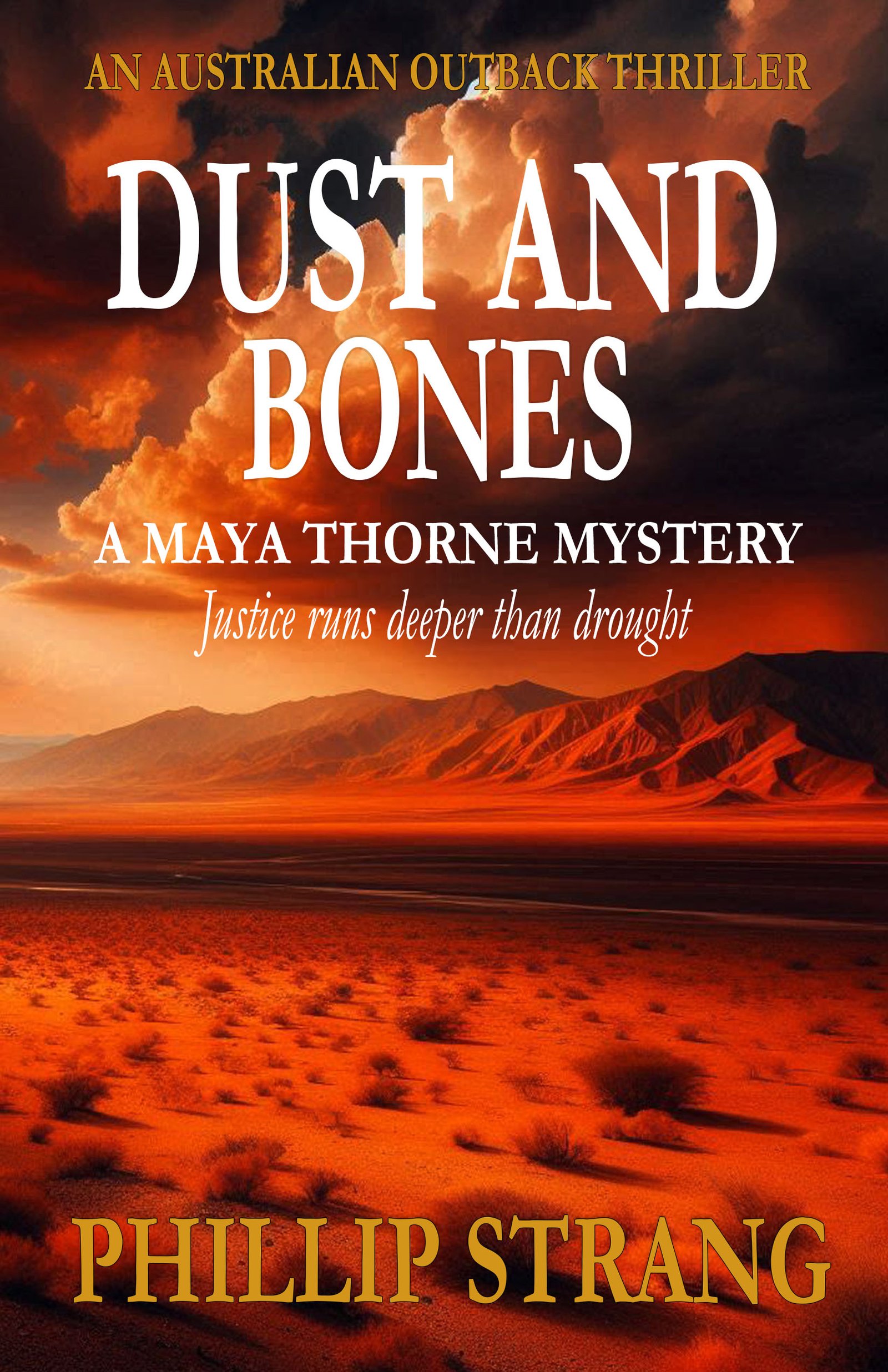
Maya Thorne — Phillip Strang
Where ancient Aboriginal sites meet modern murder, Strang’s Australian outback detective uncovers crimes that span millennia. The series excels at showing how past and present collide in places where the earth itself holds secrets worth killing for.

Priceless
Written by the FBI’s top art crime investigator, this isn’t fiction but reads like the best thriller you’ve never heard of. Wittman’s firsthand accounts of recovering stolen masterpieces and ancient artifacts provide the authentic foundation that makes fictional antiquities theft so compelling. His undercover operations—from posing as a corrupt collector to infiltrating international smuggling rings—reveal the real psychology and methodology behind art crimes. Every fiction writer in this genre should study Wittman’s work; every reader should start here to understand what’s actually at stake when ancient treasures disappear.
Verdict: Essential reading that makes fiction feel tame by comparison.
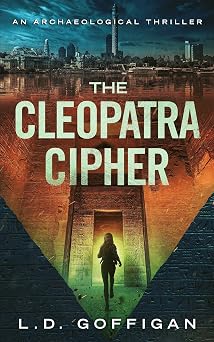
The Cleopatra Cipher
Goffigan demonstrates how to make ancient Egyptian mysteries feel contemporary without sacrificing historical authenticity. The novel succeeds because it treats Cleopatra’s era not as exotic backdrop but as a living civilization whose political machinations mirror modern power struggles. Rather than relying on tired archaeological adventure tropes, Goffigan builds genuine suspense around the intellectual puzzle of deciphering ancient codes. The author’s background in historical research shows in every detail, creating a narrative that respects both ancient Egyptian culture and modern readers’ intelligence.
Verdict: Sophisticated historical thriller that elevates the entire antiquities sub-genre.
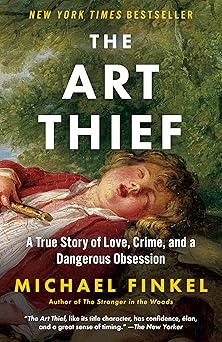
The Art Thief
Finkel’s deep dive into the mind of Stéphane Breitwieser, history’s most prolific art thief, reveals the obsessive psychology that drives cultural crime. Unlike sensationalized accounts that romanticize art theft, Finkel exposes the genuine damage done to cultural heritage while maintaining empathy for his subject’s tortured relationship with beauty. The book’s strength lies in its refusal to simplify either the crimes or the criminal—Breitwieser emerges as neither hero nor villain but as a complex individual whose compulsions destroyed both art and lives. This psychological complexity makes it essential reading for understanding what motivates characters in antiquities theft fiction.
Verdict: Masterful true crime that illuminates the real cost of cultural theft.
A MAYA THORNE MYSTERY
Get Dust and Bones Free
Justice runs deeper than drought.
Red dust. Shallow graves. A detective who hunts killers where the law runs thin and the nearest help is two hundred miles away.
You’ll also receive occasional new release emails. Unsubscribe anytime. No spam, ever.
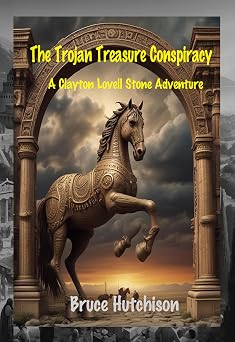
The Trojan Treasure Conspiracy – A Clayton Lovell Stone Adventure
Hutchison brings archaeological adventure into the modern era with a protagonist who understands that ancient treasures carry contemporary consequences. The novel succeeds by treating the legendary Trojan treasures not as mythical objects but as tangible pieces of cultural heritage worth protecting from modern predators. Stone’s background as both archaeologist and former military creates believable action sequences grounded in real historical knowledge. While the adventure elements satisfy thriller readers, Hutchison never forgets that these aren’t just valuable objects but irreplaceable links to human history.
Verdict: Solid archaeological adventure that respects both action and authenticity.
What to Read First
Begin with Wittman’s “Priceless” to understand the real-world foundation of antiquities crime, then move to Goffigan’s “The Cleopatra Cipher” for sophisticated historical fiction. Finkel’s “The Art Thief” provides crucial psychological insight, while Hutchison offers pure archaeological adventure. This progression takes readers from factual foundation through literary sophistication to pure entertainment, creating a complete understanding of what makes antiquities theft fiction compelling.
The Reading Order
- Priceless by Robert K. Wittman, John Shiffman
- The Cleopatra Cipher by L.D. Goffigan
- The Art Thief by Michael Finkel
- The Trojan Treasure Conspiracy by Bruce Hutchison
Discover Phillip Strang
Archaeological mysteries require authors who understand that the past never stays buried, and Strang’s series excel at showing how ancient secrets fuel modern crimes. His outback detective Maya Thorne operates in landscapes where Aboriginal heritage sites become crime scenes, proving that the best antiquities fiction emerges from deep respect for cultural history.
A MAYA THORNE MYSTERY
Get Dust and Bones Free
Justice runs deeper than drought.
Red dust. Shallow graves. A detective who hunts killers where the law runs thin and the nearest help is two hundred miles away.
Send Me the BookYou'll also receive occasional new release emails. Unsubscribe anytime. No spam, ever.
As an Amazon Associate, Phillip Strang earns from qualifying purchases. This page contains affiliate links — buying through them costs you nothing extra.