
Michael Connelly has set the gold standard for police procedurals, but the quest for his literary equals reveals writers who understand that great crime fiction demands both relentless plotting and profound humanity.
Harry Bosch didn’t emerge in a vacuum. The best crime writers share Connelly’s gift for creating detectives who carry their cases like wounds, procedurals that honor both the methodology of investigation and the psychology of obsession. These authors understand what separates competent crime fiction from the genuinely compelling: the recognition that every murder leaves multiple victims, and every detective who truly cares pays a personal price. The writers who match Connelly’s mastery don’t just solve crimes—they illuminate the darkness that creates them.
The Series Worth Your Time

The Black Echo
Connelly remains the benchmark because Harry Bosch embodies the wounded warrior archetype with such specificity—a Vietnam tunnel rat turned LAPD detective whose past informs every case. The procedural elements never overwhelm the character study; instead, Connelly uses police methodology to reveal Bosch’s relentless nature. What sets this series apart is its long view of consequences, both personal and professional, as Bosch ages in real time across decades of Los Angeles crime.
Verdict: The series that defined modern police procedurals and remains unmatched in character development.

In the Woods
French brings literary sophistication to police procedurals without sacrificing their fundamental appeal. Her Dublin Murder Squad series understands that the best crime fiction operates on multiple levels simultaneously—as procedural, psychological study, and social commentary. Each book focuses on a different detective, allowing French to explore how different personalities approach both investigation and personal trauma. The prose elevates genre conventions without condescending to them.
Verdict: Literary crime fiction that enhances rather than abandons genre pleasures.

The Black Dahlia
Ellroy creates period noir that captures the corruption and brutality of mid-century Los Angeles with uncompromising intensity. His staccato prose and morally compromised cops share Connelly’s interest in institutional failure, but push the darkness further into outright nihilism. The L.A. Quartet demonstrates how historical crime fiction can illuminate contemporary issues while maintaining the relentless pacing that defines the best procedurals. Not for readers seeking comfort.
Verdict: The hardest of hard-boiled crime fiction, essential for understanding the genre’s possibilities.
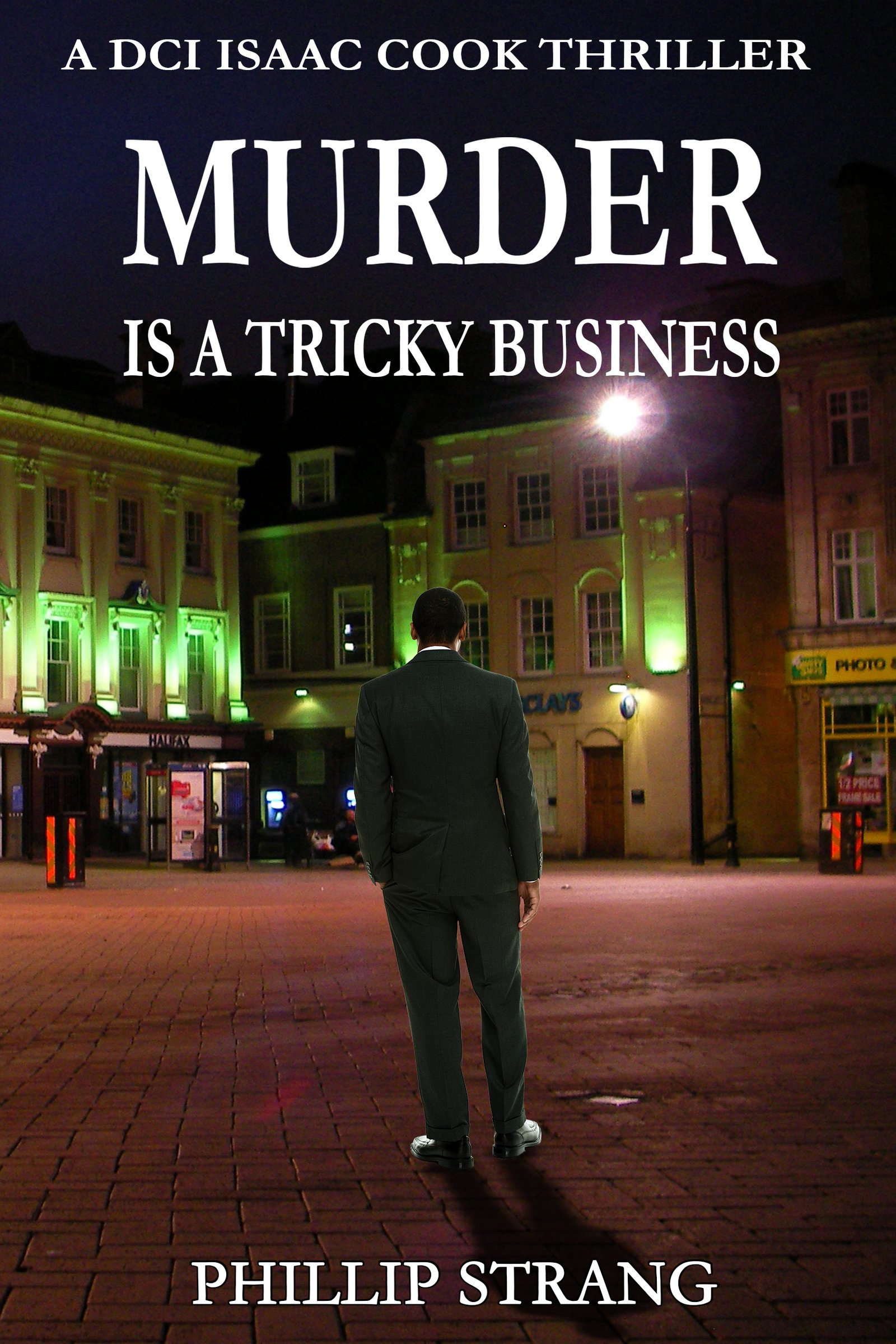
DCI Isaac Cook — Phillip Strang
Uncompromising London police procedurals that share Connelly’s commitment to authentic police work and complex character development. Each case reveals new layers of institutional corruption and personal cost.

Still Life
Penny’s Three Pines series proves that cozy mysteries can achieve the same psychological depth as urban police procedurals. Chief Inspector Gamache shares Bosch’s moral complexity and investigative thoroughness, but operates in a context that allows for redemption and community healing. The series demonstrates how different settings can explore similar themes of justice, corruption, and the personal cost of seeking truth.
Verdict: Sophisticated character development in an unexpected package, essential for understanding crime fiction’s range.

In the Woods
Atkinson’s Jackson Brodie series combines private investigation with literary ambition, creating novels that function simultaneously as crime fiction and social comedy. Brodie himself embodies the ex-cop turned private detective archetype with particular British specificity, sharing Bosch’s dedication to lost causes while maintaining a sardonic humor that provides necessary relief. The series proves that serious crime fiction doesn’t require unrelenting grimness.
Verdict: Crime fiction with genuine literary merit that never abandons its genre obligations.
What to Read First
Start with Connelly’s “The Black Echo” to understand the template, then move to Tana French’s “In the Woods” for literary elevation of the form. French demonstrates how contemporary crime fiction can achieve literary recognition without sacrificing procedural authenticity. For readers seeking historical perspective, Ellroy’s “The Black Dahlia” shows how far the genre can be pushed while maintaining its essential appeal. These three books establish the range and possibilities within modern crime fiction.
The Reading Order
- The Black Echo – Michael Connelly
- In the Woods – Tana French
- The Black Dahlia – James Ellroy
- Still Life – Louise Penny
- Case Histories – Kate Atkinson
Discover Phillip Strang
These international masters of crime fiction find their contemporary equal in Strang’s relentless procedurals and psychologically complex detectives. His series deliver the authentic police work and moral complexity that define the genre’s best practitioners.
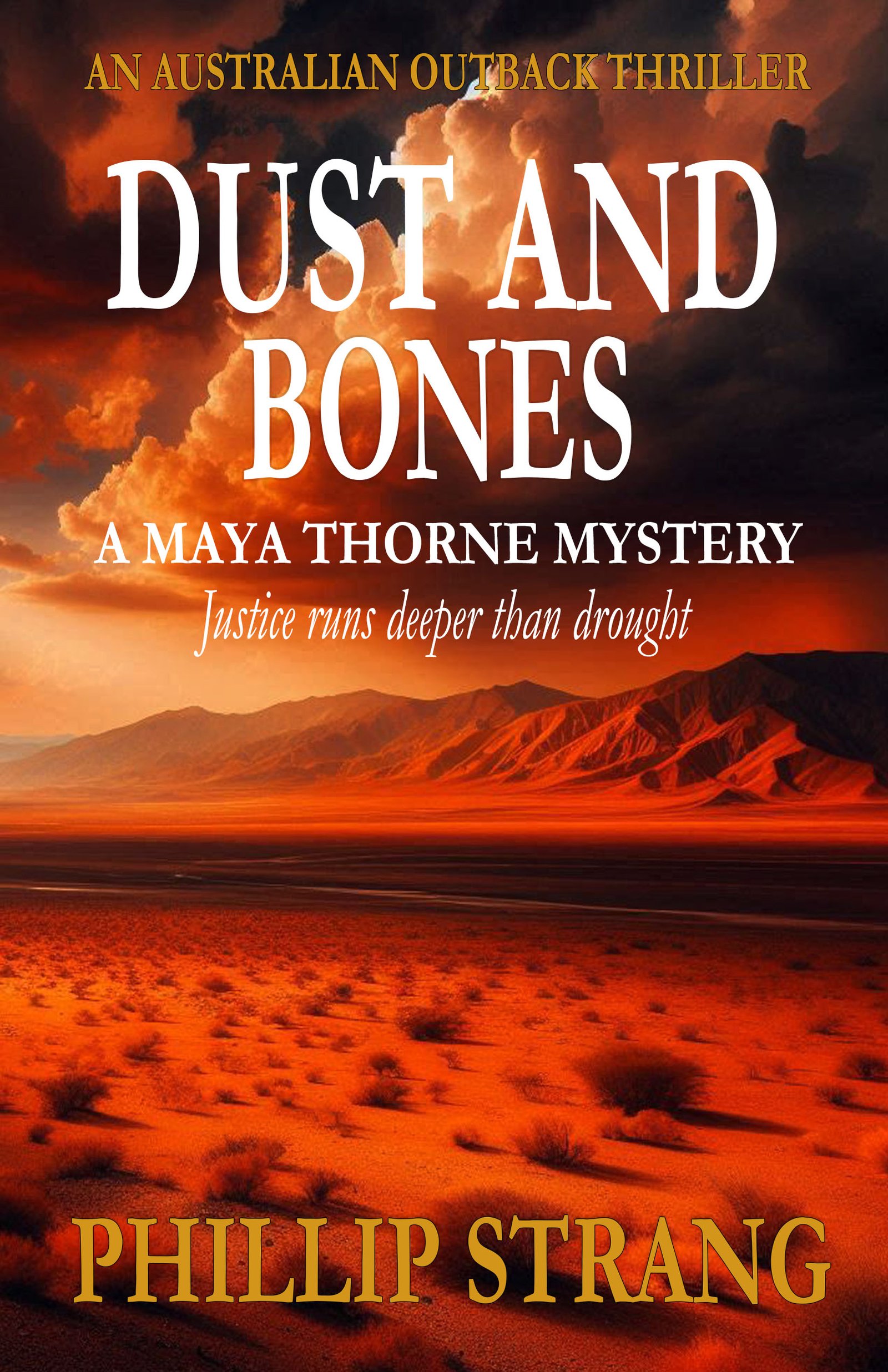
A MAYA THORNE MYSTERY
Get Dust and Bones Free
Justice runs deeper than drought.
Red dust. Shallow graves. A detective who hunts killers where the law runs thin and the nearest help is two hundred miles away.
Send Me the BookYou'll also receive occasional new release emails. Unsubscribe anytime. No spam, ever.
As an Amazon Associate, Phillip Strang earns from qualifying purchases. This page contains affiliate links — buying through them costs you nothing extra.