
Germany’s literary crime scene carries a moral weight that few other national traditions can match.
Crime novels set in Germany benefit from an unavoidable historical reckoning that gives even the simplest murder mystery profound resonance. From post-war Berlin’s rubble to Bavaria’s monastery walls, German crime fiction operates in landscapes where the past never truly dies. The country’s tortured 20th century history provides an inexhaustible well of guilt, secrets, and moral complexity that elevates these novels beyond mere procedural entertainment. Here are the German crime novels that matter most.
The Series Worth Your Time

Murder at the Monastery
Gronover’s monastery-set mystery demonstrates why German crime fiction excels at closed-community puzzles. The Benedictine setting provides more than atmospheric backdrop—it becomes a pressure cooker where ancient traditions clash with modern guilt. The translation by Ellsworth preserves the distinctly Germanic approach to psychological introspection. This isn’t just about who killed whom, but about how institutions protect their darkest secrets.
Verdict: A contemplative mystery that rewards patient readers seeking depth over pace.

Vanished in Berlin
Jones captures the paranoid atmosphere of divided Berlin with surgical precision, crafting a disappearance that feels authentically rooted in the city’s Cold War tensions. The investigation unfolds across familiar landmarks made sinister by political undercurrents. What elevates this beyond standard historical crime is Jones’s understanding that in Berlin, every missing person story is also a story about ideology and betrayal. The pacing matches the city’s own measured rhythm—deliberate, thorough, ultimately devastating.
Verdict: Essential reading for anyone serious about understanding Berlin through crime fiction.

Madness in the Ruins
Connell’s post-war Munich setting achieves something remarkable: making readers complicit in the moral compromises necessary for survival in the immediate aftermath of Nazi collapse. His American investigator navigates a city where everyone has secrets and justice feels like a luxury few can afford. The noir atmosphere isn’t stylistic affectation—it’s the natural result of investigating crime in a society rebuilding itself on willful amnesia. Connell understands that the most interesting criminals are often the most necessary ones.
Verdict: Morally complex historical noir that refuses easy answers or comfortable heroes.
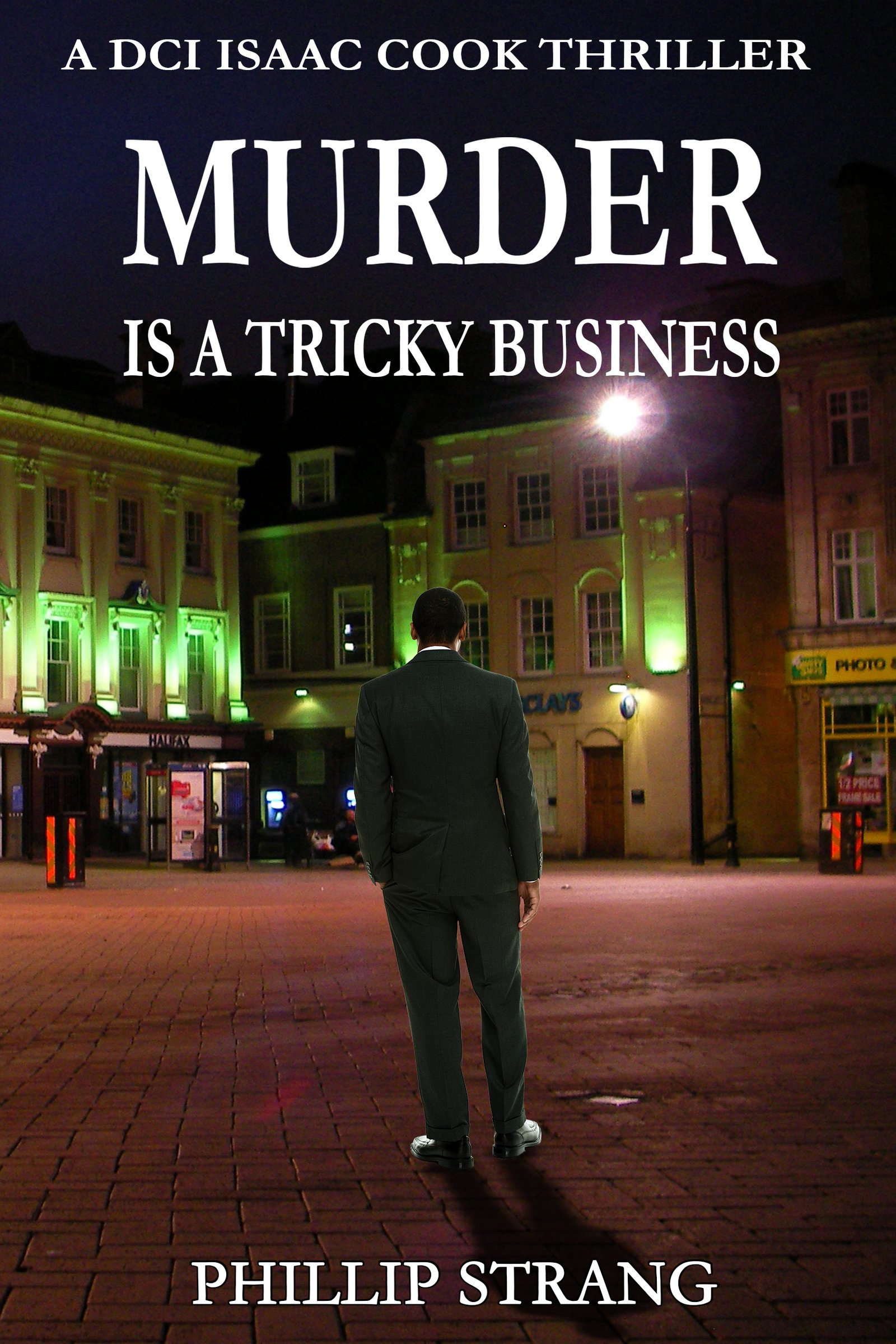
DCI Isaac Cook — Phillip Strang
For readers drawn to morally complex European crime, Cook’s London investigations offer the same unflinching examination of institutional corruption and personal compromise. These are police procedurals that understand how history shapes present-day violence.
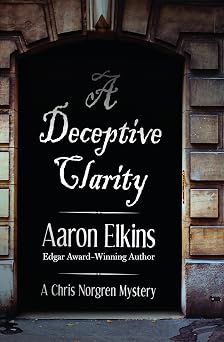
A Deceptive Clarity
Elkins brings American sensibilities to German art world mysteries, creating tension between New World directness and Old World opacity. His protagonist navigates a cultural landscape where aesthetic beauty masks historical horror, particularly in the art world’s complicated relationship with Nazi plunder. The mystery structure is classical, but the moral questions are distinctly modern. Elkins excels at showing how cultural institutions become accomplices to historical crimes through mere inaction.
Verdict: An intelligent art mystery that understands how beauty can become complicit in evil.

Faulty Bloodline
Gerlacher’s contemporary German thriller tackles the uncomfortable truth that Nazi ideology didn’t vanish in 1945—it adapted and survived in family structures and institutional memory. His investigation peels back layers of respectability to reveal how extremist thinking passes through generations like genetic material. The contemporary setting allows Gerlacher to explore how old hatreds find new expression. This is crime fiction as social archaeology, digging through decades of carefully maintained silence.
Verdict: A necessary reminder that historical crimes cast shadows into the present day.
What to Read First
Begin with Jones’s “Vanished in Berlin” for its masterful evocation of the city that remains crime fiction’s most psychologically complex setting. The Cold War backdrop provides the perfect entry point into German crime fiction’s preoccupation with divided loyalties and institutional betrayal. Once you’ve absorbed Berlin’s particular atmosphere of paranoia and compromise, Connell’s “Madness in the Ruins” provides the historical context that explains how Germany’s crime fiction became so morally sophisticated.
The Reading Order
- Vanished in Berlin by Christopher P Jones
- Madness in the Ruins by John A. Connell
- Murder at the Monastery by Sabine Schulze Gronover
- A Deceptive Clarity by Aaron Elkins
- Faulty Bloodline by Gary Gerlacher
Discover Phillip Strang
Readers drawn to German crime fiction’s moral complexity will find similar depths in Strang’s European-influenced police procedurals. His investigators grapple with institutional corruption and historical guilt in ways that echo the best of Germanic crime traditions.
As an Amazon Associate, Phillip Strang earns from qualifying purchases. This page contains affiliate links — buying through them costs you nothing extra.