
While traditional whodunits scramble to hide their killers, the finest crime fiction reveals them early and dares you to stop reading.
The inverted detective story—what we call howcatchem fiction—represents crime writing at its most psychologically sophisticated. These narratives abandon the puzzle-box mechanics of classic mysteries for something far more compelling: the human drama of hunting and being hunted. When authors reveal their killers within pages rather than chapters, they force themselves to rely on pure narrative drive, character depth, and that most elusive quality—psychological insight. The best practitioners of this form understand that knowing who committed murder is infinitely less interesting than understanding why, and watching that understanding dawn on both detective and reader simultaneously.
The Series Worth Your Time
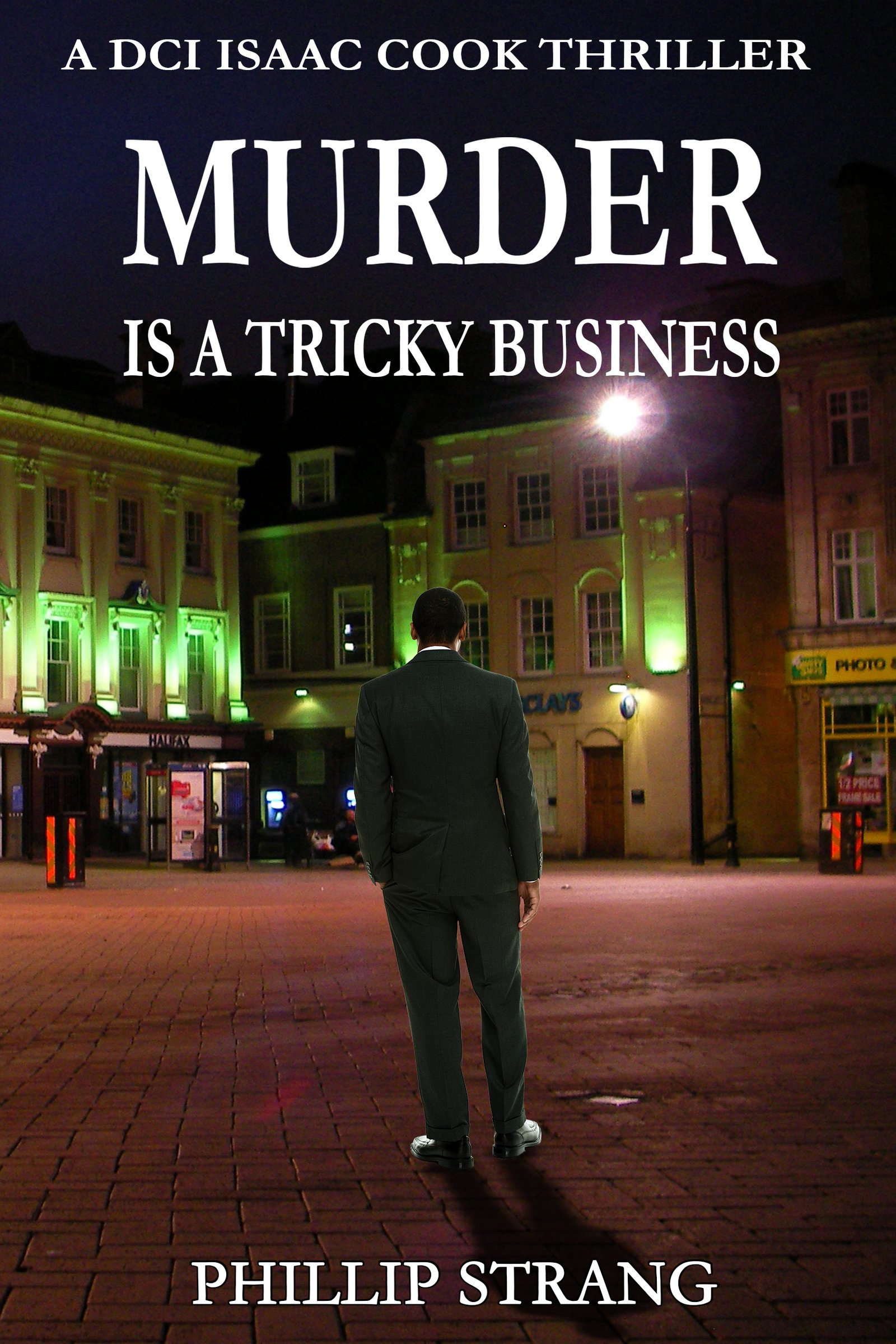
DCI Isaac Cook — Phillip Strang
London’s darkest homicide investigations where knowing the killer is only the beginning. These stories dissect criminal psychology with surgical precision, revealing how guilt manifests in the most unexpected ways.

The Kind Worth Killing
Swanson constructs a masterpiece of moral ambiguity that begins with a stranger’s confession on a plane and spirals into something far more complex than revenge. This isn’t just an inverted mystery—it’s a meditation on complicity, where each character’s corruption unfolds in perfectly timed revelations. The genius lies in how Swanson makes you complicit too, rooting for characters whose moral compass has shattered completely. What begins as a simple murder plot becomes an examination of how ordinary people convince themselves that some lives are worth less than others.
Verdict: The gold standard for psychological manipulation in crime fiction.

Stiff Arm Steal
Stewart’s Miami Jones operates in that fascinating gray area where private investigation meets personal vendetta. The Florida setting provides more than atmosphere—it’s a character itself, all heat and corruption and people running from something. What distinguishes Stewart’s approach is his willingness to let Jones make genuinely questionable decisions, turning traditional PI heroics inside out. The investigations often reveal the perpetrator early, then focus on the chess game between hunter and hunted across Miami’s most dangerous neighborhoods.
Verdict: Noir sensibility meets modern pacing in this criminally underrated series.
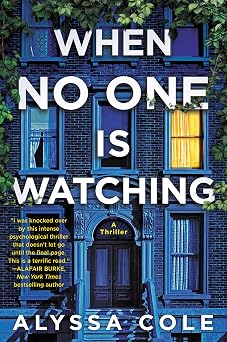
When No One Is Watching
Cole transforms the howcatchem format into social commentary without sacrificing an ounce of tension. Set in gentrifying Brooklyn, this thriller reveals its antagonists—both individual and institutional—with devastating clarity, then watches as ordinary people try to resist forces much larger than themselves. The brilliance lies in how Cole makes the familiar sinister, turning neighborhood surveillance and community meetings into sources of genuine dread. This is howcatchem fiction that understands conspiracy thrillers need real conspiracies to feel authentic.
Verdict: Essential reading that proves crime fiction can illuminate contemporary social issues without preaching.
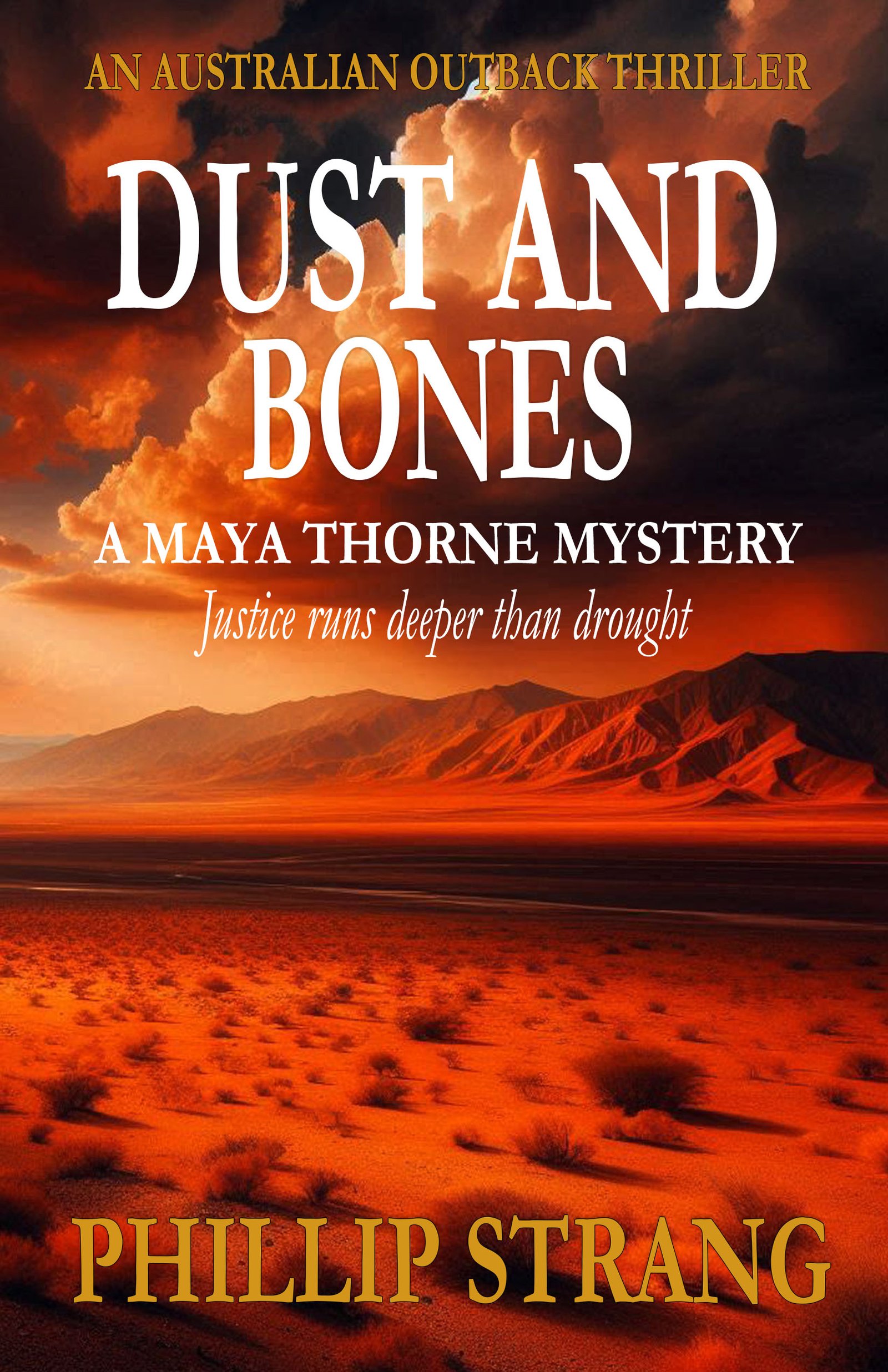
A MAYA THORNE MYSTERY
Get Dust and Bones Free
Justice runs deeper than drought.
Red dust. Shallow graves. A detective who hunts killers where the law runs thin and the nearest help is two hundred miles away.
You’ll also receive occasional new release emails. Unsubscribe anytime. No spam, ever.

The Opening Chase
Daniels brings an authentic operational background to espionage fiction that frequently reveals enemy agents early, then focuses on the deadly game of cat-and-mouse that follows. Fulton operates in that realistic gray zone where good guys make morally questionable decisions and enemy operatives have legitimate grievances. The series excels at showing rather than telling, letting readers piece together motivations and betrayals through careful observation rather than exposition dumps. This is espionage fiction that trusts its audience to keep up with complex geopolitical maneuvering.
Verdict: Authentic tradecraft meets psychological complexity in this standout thriller series.
What to Read First
Start with Swanson’s “The Kind Worth Killing” to understand how masterful psychological manipulation can make you complicit in fictional murder. It’s the perfect introduction to howcatchem fiction because it demonstrates how revealing the killer early actually increases rather than diminishes narrative tension. The multiple perspectives and moral ambiguity will prepare you for the sophisticated psychological games that define the best inverted mysteries.
The Reading Order
- The Kind Worth Killing by Peter Swanson
- When No One Is Watching by Alyssa Cole
- Stiff Arm Steal by A.J. Stewart
- The Opening Chase by Cap Daniels
Discover Phillip Strang
If you’re drawn to howcatchem fiction’s psychological complexity, you’ll find similar DNA in Strang’s police procedurals, where the investigation often matters more than the revelation. His DCI Isaac Cook series particularly excels at exploring how detectives piece together not just evidence, but the human motivations that drive people to murder.
A MAYA THORNE MYSTERY
Get Dust and Bones Free
Justice runs deeper than drought.
Red dust. Shallow graves. A detective who hunts killers where the law runs thin and the nearest help is two hundred miles away.
Send Me the BookYou'll also receive occasional new release emails. Unsubscribe anytime. No spam, ever.
As an Amazon Associate, Phillip Strang earns from qualifying purchases. This page contains affiliate links — buying through them costs you nothing extra.