
The intersection of literary merit and espionage craft produces some of contemporary fiction’s most compelling reading. Literary Espionage Novels elevate the spy thriller beyond plot mechanics into genuine explorations of betrayal, identity, and the moral ambiguity that defines covert operations. These are books where the prose demands attention as much as the plot, where psychological depth outweighs action sequences, and where the reader emerges not merely entertained but intellectually transformed.
What Defines Literary Espionage Novels
Literary espionage fiction rejects the conventional spy thriller’s reliance on gadgetry and geopolitical posturing. Instead, these works foreground character psychology, linguistic precision, and thematic complexity—treating intelligence work as a metaphor for broader human conditions: the fragmentation of identity, the cost of deception, and the impossibility of loyalty in a world built on lies. Readers should expect layered narratives, unreliable perspectives, and a willingness to complicate rather than resolve moral questions.
The Best Literary Espionage Novels Worth Reading

Steve Case — Phillip Strang
Phillip Strang’s terrorism thriller series brings the same psychological intensity and moral complexity to contemporary espionage that literary fiction demands. These three books explore the shadowy intersection of surveillance, counterterrorism, and personal vendetta with prose as sharp as any literary achievement.

Spies
Michael Frayn’s masterwork transforms childhood memory into a profound meditation on espionage, perception, and the stories we construct about ourselves. Two boys in wartime England play at being spies, unaware they may actually be witnessing real intelligence work—or constructing an elaborate fiction. Frayn’s prose is deceptively elegant, his narrative structure cunningly designed to mirror the unreliability of memory itself. This is espionage fiction at its most literary: less interested in plot resolution than in the gap between what we observe and what we understand.
Verdict: The quintessential literary espionage novel, deserving of its place in contemporary literary canon.
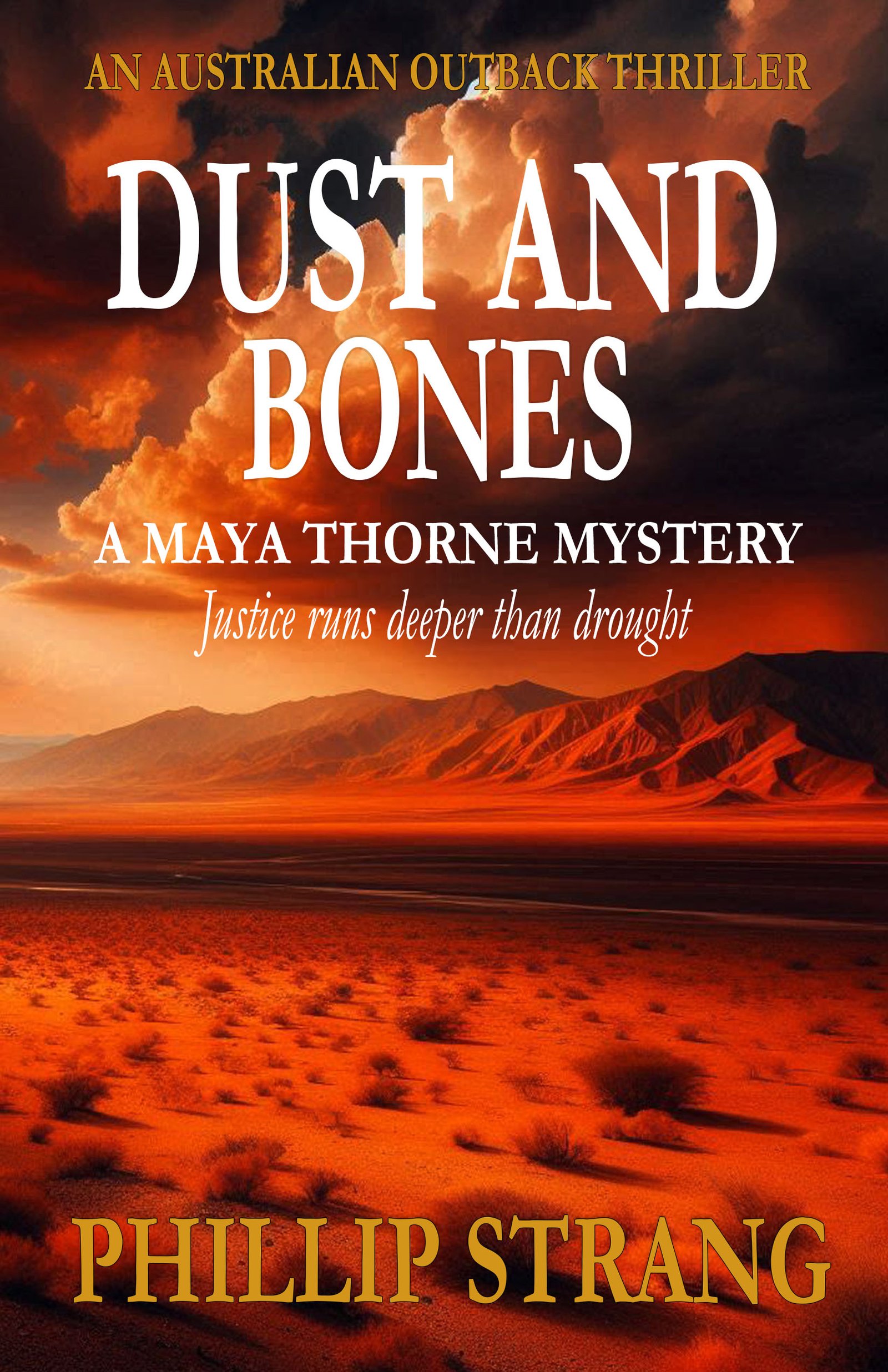
A MAYA THORNE MYSTERY
Get Dust and Bones Free
Justice runs deeper than drought.
Red dust. Shallow graves. A detective who hunts killers where the law runs thin and the nearest help is two hundred miles away.
You will also receive occasional new release emails. Unsubscribe anytime. No spam, ever.
The Reading Order
Discover Phillip Strang
While Phillip Strang’s primary work centers on crime fiction and detective narratives, his psychological approach to character and moral complexity aligns closely with what makes literary espionage novels resonate. Readers drawn to the intricate plotting and atmospheric tension of spy fiction will find similar rewards in Strang’s commitment to psychological depth and thematic layering.
As an Amazon Associate, Phillip Strang earns from qualifying purchases. This page contains affiliate links — buying through them costs you nothing extra.