Blog Post

Best Selling Space Opera Novels
Blog Post

Best Space Opera Novels of the Last Twenty Years: Captivating Stories of Human Potential

Best Space Opera Novels of the Last Twenty Years With its sweeping interstellar conflicts, advanced technology, and complex characters, space opera has experienced a remarkable renaissance in the past two decades. This subgenre of science fiction combines epic storytelling with futuristic settings, creating narratives that span galaxies while exploring deeply human themes. This article explores the most influential and captivating space opera novels published since 2003, examining how they’ve shaped contemporary science fiction and why they continue to captivate readers worldwide. The Evolution of Space Opera in Recent Decades Space opera has come a long way from its pulpy origins. What once might have been dismissed as simplistic stories of good versus evil amid starship battles has evolved into a sophisticated subgenre that tackles complex social, political, and philosophical issues. The best space opera novels of the last twenty years demonstrate remarkable literary ambition while maintaining the sense of wonder and adventure that draws readers to science fiction. Modern space opera authors have increasingly incorporated elements from other genres—political thriller, military fiction, horror, and romance—creating hybrid narratives that appeal to diverse readers. They’ve also embraced more inclusive storytelling, featuring protagonists from varied backgrounds and exploring themes of colonialism, gender, and cultural identity that earlier space operas often overlooked. Technological advancements in our own world have also influenced these novels. As our understanding of physics, artificial intelligence, and biotechnology has grown more sophisticated, so too have the speculative elements in the best space opera novels, offering more plausible (though still fantastical) visions of humanity’s future among the stars. Landmark Space Opera Series of the 2000s and 2010s The Expanse by James S.A. Corey Starting with “Leviathan Wakes” in 2011, James S.A. Corey (the pen name for the writing duo Daniel Abraham and Ty Franck) created the definitive space opera series in recent years. Set in a future where humanity has colonized the solar system but hasn’t yet reached the stars, The Expanse combines noir detective elements, political intrigue, and hard science fiction concepts. What sets The Expanse apart is its relatively “near future” setting and attention to scientific plausibility—the physics of space travel matters, with no faster-than-light drives or artificial gravity without rotation. Characters experience the physiological effects of living in different gravitational environments, and the social divisions between Earthers, Martians, and Belters feel authentic and complex. The nine-book series (concluding with 2021’s “Leviathan Falls”) offers a masterclass in building tension across multiple volumes while maintaining consistent character development. Its successful adaptation into a television series further cemented its place in space opera history. Ancillary Justice by Ann Leckie Ann Leckie’s debut novel “Ancillary Justice” (2013) and its sequels “Ancillary Sword” and “Ancillary Mercy” revolutionized space opera with their innovative approach to gender, consciousness, and empire. The protagonist, Breq, was once a fragment of an artificial intelligence that simultaneously controlled a massive starship and thousands of human bodies (“ancillaries”). Leckie’s bold narrative choices—including exclusively feminine pronouns throughout the text, regardless of characters’ biological sex—challenged readers while exploring themes of identity and autonomy. The Imperial Radch trilogy won virtually every major science fiction award, including the Hugo, Nebula, and Arthur C. Clarke Award, demonstrating how space opera could be intellectually challenging and commercially successful. Revelation Space by Alastair Reynolds While the first Revelation Space novel was published in 2000, just outside our twenty-year window, Reynolds continued developing this dark, complex universe throughout the 2000s and 2010s. As an astrophysicist, Reynolds brings unparalleled scientific knowledge to his space opera, creating a universe bound by relativistic physics where interstellar travel is possible but limited by the speed of light. The Revelation Space universe is notably darker than many space operas. It incorporates elements of gothic horror and presents a future where humanity faces extinction-level threats from mysterious alien forces. Reynolds’ detailed worldbuilding and exploration of posthuman evolution have influenced countless science fiction writers who followed. Standalone Masterpieces in Modern Space Opera A Memory Called Empire by Arkady Martine Winning the Hugo Award for Best Novel in 2020, Arkady Martine’s “A Memory Called Empire” brings a diplomat’s understanding of cultural imperialism to space opera. The novel follows Ambassador Mahit Dzmare as she navigates the complex political landscape of the Teixcalaanli Empire while harboring a dangerous secret. Martine, a Byzantine historian and city planner in her non-writing life, creates an intricate imperial culture reminiscent of historical empires yet distinctly alien. The novel and its sequel, “A Desolation Called Peace,” explore language, memory, and cultural identity with remarkable depth, demonstrating how space opera can examine sophisticated sociopolitical themes while delivering a compelling narrative. Ninefox Gambit by Yoon Ha Lee Yoon Ha Lee’s “Ninefox Gambit” (2016) blends military science fiction with space opera in a universe where mathematical formations—”calendrical systems”—determine the laws of physics. This high-concept approach creates a setting where governmental control of belief systems has literal power over reality. The novel follows disgraced captain Kel Cheris, who must work with the digitally preserved consciousness of a brilliant but genocidal general to defeat heretics threatening the hexarchate’s calendrical system. Lee’s intricate worldbuilding and exploration of the relationship between mathematics, belief, and power created one of the most original space operas of the past decade. The Three-Body Problem by Cixin Liu Translated from Chinese in 2014 by Ken Liu, Cixin Liu’s “The Three-Body Problem” brought Chinese science fiction to international prominence and won the Hugo Award—the first translated novel to do so. While sometimes categorized as hard science fiction, the trilogy (continuing with “The Dark Forest” and “Death’s End”) embraces space opera’s scope and ambition. The series begins during China’s Cultural Revolution before expanding to encompass humanity’s first contact with an alien civilization, the Trisolarans, who plan to invade Earth. Liu explores concepts from theoretical physics, game theory, and sociology with remarkable depth, creating a narrative that spans centuries and offers a unique perspective on humanity’s place in the cosmos. Emerging Voices in Space Opera The last few years have seen exciting new voices bringing fresh perspectives to space opera. Authors like Tamsyn Muir, whose Locked Tomb
Best Horror Gothic Novels
Blog Post

Best Gothic Horror Novels of the Last Twenty Years: Unveiling Shadows and Secrets

Best Gothic Horror Novels of the Last Twenty Years Gothic horror has experienced a remarkable renaissance over the past two decades, with contemporary authors breathing new life into this atmospheric and psychologically complex genre. The best gothic horror novels of the last twenty years blend traditional elements—crumbling mansions, family secrets, supernatural threats—with modern sensibilities and concerns. This resurgence has captured the imagination of readers seeking stories that delve into the darkness while maintaining literary merit. From haunted houses to cursed families, these modern gothic tales prove that the genre continues evolving and captivating new generations of readers. Defining Modern Gothic Horror The gothic horror tradition dates back to the 18th century with works like Horace Walpole’s “The Castle of Otranto.” Still, modern gothic horror has evolved significantly while maintaining key elements of the genre. Contemporary gothic horror novels typically feature atmospheric settings, psychological depth, family secrets, supernatural elements (sometimes ambiguous), and explorations of societal anxieties. What separates the best gothic horror novels of the last twenty years from their historical predecessors is their willingness to confront contemporary issues—from racial injustice to gender politics—while still employing the moody aesthetics and psychological tension that define the genre. These works often subvert traditional gothic tropes, placing women, LGBTQ+ characters, and people of color at the center of narratives that historically marginalized them. Landmark Gothic Horror Novels: 2000-2010 The first decade of the new millennium saw several authors crafting gothic horror masterpieces that would set the tone for the genre’s revival. Sarah Waters’ “The Little Stranger” (2009) Waters’ post-WWII ghost story set in a decaying English manor represents one of the finest examples of modern gothic horror. Following Dr. Faraday as he becomes entangled with the aristocratic Ayres family and their deteriorating estate, the novel blends class commentary with genuinely unsettling supernatural occurrences. The ambiguity regarding whether the haunting is real or psychological makes this novel particularly effective, leaving readers debating its mysteries long after the final page. Elizabeth Kostova’s “The Historian” (2005) Reimagining the Dracula legend through an academic lens, Kostova’s debut novel created a multilayered gothic narrative spanning centuries and continents. The book follows a young woman who discovers mysterious letters in her father’s library, leading her down a rabbit hole of vampire lore and historical mysteries. Its blend of historical fiction, travelogue, and supernatural horror made it one of the bestselling gothic horror novels of the decade. Diane Setterfield’s “The Thirteenth Tale” (2006) This atmospheric novel pays homage to classics like “Jane Eyre” while crafting a distinctly modern gothic narrative. Following a biographer tasked with uncovering the truth about a reclusive author’s mysterious past, the story delves into twins, ghosts, and family secrets across generations. Setterfield’s lush prose and intricate plotting earned the novel critical acclaim and commercial success. Gothic Horror’s Golden Decade: 2010-2020 The 2010s saw an explosion of exceptional gothic horror novels, with authors pushing the genre’s boundaries while honoring its traditions. Silvia Moreno-Garcia’s “Mexican Gothic” (2020) Set in 1950s Mexico, this novel follows socialite Noemí Taboada as she investigates her cousin’s disturbing claims about her new husband and his isolated family estate. Moreno-Garcia masterfully transposes gothic traditions to a new cultural context, incorporating elements of Mexican folklore and colonial history. The novel’s exploration of racism, eugenics, and patriarchal control systems makes it one of the most thematically rich gothic horror novels of recent years. Sarah Perry’s “Melmoth” (2018) Perry’s haunting novel reimagines the 19th-century gothic tale “Melmoth the Wanderer” through a contemporary lens. The story centers on Helen Franklin, who discovers a manuscript detailing the legend of Melmoth the Witness, a spectral woman condemned to wander the earth witnessing humanity’s cruelty. Perry’s exploration of historical atrocities and moral culpability creates a uniquely philosophical gothic horror experience. Mariana Enriquez’s “Things We Lost in the Fire” (2017) This collection of short stories applies gothic sensibilities to contemporary Argentina, exploring urban legends, political disappearances, and economic inequality through a supernatural lens. Enriquez’s unflinching portrayal of societal ills combined with genuine horror elements makes this one of the most socially conscious gothic horror works of the decade. Shirley Jackson Award Winners Named after one of gothic horror’s most influential authors, the Shirley Jackson Awards have recognized several notable gothic horror novels in the past decade: – Victor LaValle’s “The Changeling” (2017) blends fairy tales, horror, and contemporary social issues into a uniquely American gothic narrative – Catriona Ward’s “The Last House on Needless Street” (2021) delivers a psychologically complex story of trauma and identity with gothic undertones – Danielle Trussoni’s “Angelology” (2010) reimagines religious mythology through a gothic lens Recent Trends in Gothic Horror The best gothic horror novels of the last twenty years have evolved in several notable ways, reflecting literary innovation and changing social landscapes. Colonial Gothic and Historical Reckonings Many recent gothic horror novels confront historical injustices through the lens of supernatural horror: – Alma Katsu’s “The Hunger” (2018) reimagines the Donner Party tragedy with supernatural elements – Rivers Solomon’s “The Deep” (2019) explores the generational trauma of the Middle Passage through a Gothic lens – Laura Purcell’s “The Silent Companions” (2017) examines Victorian-era attitudes toward women through a haunted house narrative The Eco-Gothic Environmental anxiety has become a prominent theme in contemporary gothic horror: – Jeff VanderMeer’s Southern Reach Trilogy (2014) presents ecological horror with gothic sensibilities – Adam Nevill’s “The Ritual” (2011) transforms wilderness horror into a distinctly gothic experience – Andrew Michael Hurley’s “The Loney” (2014) uses the British coastline as a setting for exploring religious and environmental dread The Gothic Body and Medical Horror Contemporary authors have revisited the genre’s fascination with bodily horror from new perspectives: – Carmen Maria Machado’s “Her Body and Other Parties” (2017) examines female bodily autonomy through gothic and horror lenses – Nathan Ballingrud’s “Wounds: Six Stories from the Border of Hell” (2019) presents visceral body horror with gothic atmospheric elements – Mira Grant’s “Into the Drowning Deep” (2017) reimagines the creature feature with gothic sensibilities Critical Reception and Literary Impact The best gothic horror novels of the last

best selling domestic thriller novels | Best Experimental Fiction Novels
Blog Post

Best Experimental Fiction Novels of the Last Twenty Years: Pushing Boundaries and Challenging Norms

Best Experimental Fiction Novels of the Last Twenty Years In the literary landscape of the past two decades, experimental fiction novels have pushed boundaries, challenged conventions, and redefined what narrative can accomplish. These works break from traditional storytelling techniques, employing innovative structures, unusual perspectives, and unconventional approaches to language and form. The last twenty years have seen a remarkable flowering of experimental fiction that builds upon earlier avant-garde traditions and forges entirely new paths. This comprehensive guide explores the most significant experimental fiction novels published since 2003, examining their techniques, impacts, and what makes them essential reading for anyone interested in the evolution of contemporary literature. Defining Experimental Fiction in the Contemporary Era Experimental fiction novels defy easy categorization, but they typically share certain characteristics: formal innovation, linguistic play, fragmentation, multimedia elements, or conceptual frameworks that challenge readers’ expectations. Unlike conventional novels that prioritize linear plots and character development, experimental fiction often foregrounds the act of storytelling itself, drawing attention to language as a material and the book as a constructed object. In the 21st century, experimental fiction has responded to digital culture, globalization, environmental crisis, and political upheaval by developing new narrative strategies. Today’s experimental novels might incorporate internet aesthetics, algorithmic structures, collaborative authorship, or interdisciplinary approaches that blur boundaries between fiction and other forms. What unites these diverse works is their commitment to interrogating how stories are told and received in our rapidly changing world. Groundbreaking Experimental Fiction Novels: 2003-2010 Mark Z. Danielewski’s “House of Leaves” (2000/Expanded in 2006) While initially published just before our twenty-year timeframe, Danielewski’s labyrinthine novel deserves mention for its expanded editions and ongoing influence. This typographically innovative work uses multiple narrators, color-coded text, footnotes upon footnotes, and pages that mirror the claustrophobic or expansive nature of the impossible house at its center. “House of Leaves” remains a touchstone for experimental fiction, demonstrating how the physical form of a book can enhance its conceptual dimensions. David Mitchell’s “Cloud Atlas” (2004) Mitchell’s nested sextet of stories spans centuries and genres, from a 19th-century seafaring journal to a post-apocalyptic future. Each narrative breaks off midway before continuing in reverse order after the central sixth story. This complex structure explores themes of predation, reincarnation, and human connection across time. Though less typographically experimental than some entries on this list, Mitchell’s virtuosic genre-hopping and intricate structure make “Cloud Atlas” a landmark of formal innovation in the novel. Jonathan Safran Foer’s “Tree of Codes” (2010) Foer’s “Tree of Codes” is as much an art object as a novel. Created by die-cutting pages from Bruno Schulz’s “The Street of Crocodiles,” Foer’s work physically excises words to create an entirely new narrative. Each page becomes a delicate lattice of remaining text, forcing a slow, deliberate reading experience where negative space becomes as significant as text. This physical experimentation questions the materiality of books in the digital age and explores themes of memory, loss, and artistic transformation. Roberto Bolaño’s “2666” (2008, English translation) Published posthumously, Bolaño’s sprawling 900-page masterpiece consists of five seemingly disconnected parts united by the fictional Mexican border city of Santa Teresa (a stand-in for Ciudad Juárez) and its epidemic of femicides. The novel’s experimental aspects lie in its encyclopedic scope, resistance to narrative cohesion, and unflinching portrayal of violence. “2666” challenges conventional notions of novelistic unity, using fragmentation and digression to mirror modern atrocity’s chaotic, inexplicable nature. Experimental Fiction’s Middle Period: 2011-2015 Jennifer Egan’s “A Visit from the Goon Squad” (2010/2011) Straddling the line between novel and short story collection, Egan’s Pulitzer Prize-winning work follows a network of characters connected to the music industry across decades. Its experimental features include a chapter written in PowerPoint slides, shifting perspectives, and a nonlinear chronology. Egan’s innovation lies in using the form to reflect content—the PowerPoint chapter brilliantly captures family dynamics in the digital age. At the same time, the novel’s structure mirrors the disruptive technologies transforming the music industry. George Saunders’s “Lincoln in the Bardo” (2017) Saunders’ first novel unfolds on a single night in 1862 when Abraham Lincoln visits his son’s crypt. Set in the “bardo”—a Tibetan Buddhist transitional state between death and rebirth—the novel is narrated by a chorus of ghosts and incorporates real historical documents alongside fictional testimonies. This polyvocal approach creates a collage effect that questions historical truth while examining grief, empathy, and national trauma. Saunders transforms historical fiction through this innovative structure, creating a uniquely American ghost story. Ali Smith’s “How to Be Both” (2014) Smith’s novel consists of two interlinked stories—one about a Renaissance artist, the other about a contemporary teenager—that can be read in either order, with different editions beginning with different sections. This bifurcated structure explores the dualities of gender, time, and art while challenging the linearity of the narrative itself. Smith’s experimental approach extends to her playful, punning prose style, which blurs boundaries between past and present, observation and imagination. Recent Innovations in Experimental Fiction: 2016-2023 Olga Tokarczuk’s “Flights” (2018, English translation) This “constellation novel” consists of fragments—essays, vignettes, and stories—united by travel themes, human anatomy, and preservation. Winner of the International Booker Prize, Tokarczuk’s work rejects chronological or geographical unity in favor of associative connections. Its experimental nature lies in its refusal of a traditional plot, offering a nomadic narrative that mirrors its exploration of human restlessness and the impossibility of truly preserving anything against time’s flow. Lucy Ellmann’s “Ducks, Newburyport” (2019) Ellmann’s 1,000-page novel consists primarily of a single sentence—the internal monologue of an Ohio housewife baking pies while ruminating on everything from her children’s safety to climate change to America’s violent history. Punctuated only by commas and the phrase “the fact that,” this stream-of-consciousness tour de force uses accumulation and association to build a comprehensive portrait of contemporary American anxiety. Alongside this runs a parallel narrative about a mountain lioness, told in conventional prose, creating a counterpoint to the main experimental section. Bernardine Evaristo’s “Girl, Woman, Other” (2019) Evaristo’s Booker Prize-winning novel follows twelve interconnected characters, mostly Black British women, across different eras and backgrounds. Its experimental

Best Character-Driven Characters of the last twenty years
Blog Post

Best Character-Driven Novels of the Last Twenty Years: Exploring Profound Human Experiences

The Best Character-Driven Novels to Read in 2026 Character-driven fiction lives or dies on a single question: does a person on the page become real enough that their interior life matters more than the plot? The novels below are the ones that answer it most completely — books where you finish remembering a consciousness rather than a sequence of events. Ranked and assessed for the depth and honesty of the character work itself. The Best Character-Driven Novels Worth Reading Stoner John Williams The quiet benchmark for putting an entire life on the page. Williams takes an unremarkable academic and renders his disappointments with such precision that the ordinary becomes unbearable and moving. Nothing happens, and it is devastating. Verdict: The benchmark. If one novel proves an ordinary life can carry a great book, this is it. Buy on Amazon A Little Life Hanya Yanagihara Character interiority pushed to its absolute limit, past where many readers can follow. Yanagihara commits totally to one damaged consciousness; the novel's polarising reputation is itself evidence of how completely it inhabits him. Verdict: The limit case. Read it knowing it goes further into one psyche than most fiction will. Buy on Amazon Gilead Marilynne Robinson Voice as character in its purest form. Robinson's novel is a dying minister's letter to his son, and the entire book is the texture of his mind — patient, faithful, regretful. A novel that is indistinguishable from its narrator. Verdict: The purest example of voice as character on the list. Quiet and complete. Buy on Amazon Enjoying these? Read next: DI Tremayne — Phillip Strang If what holds you in a novel is a person rendered with real interiority, the DI Tremayne series builds its appeal the same way: an old-school detective whose stubbornness and history matter as much as the cases. Character-led crime fiction for readers who stay for the person, not just the puzzle. Browse the Series Also worth exploring: DCI Isaac Cook — Phillip StrangLondon homicide at its darkest. 19 books.Browse Steve Case — Phillip StrangContemporary intelligence thrillers. Espionage with bite.Browse The Remains of the Day Kazuo Ishiguro The masterclass in unreliable self-knowledge. Stevens narrates his own life while systematically missing its meaning, and Ishiguro lets the reader see exactly what the character cannot. Restraint as devastation. Verdict: The masterclass in what a character cannot see. Essential. Buy on Amazon Olive Kitteridge Elizabeth Strout One difficult, prickly woman observed across thirteen linked stories, sometimes at the centre and sometimes at the edge. Strout proves a character can be fully known without being likeable, and that this is the harder, better achievement. Verdict: The proof that unlikeable and fully known is the harder achievement. Start here. Buy on Amazon A MAYA THORNE MYSTERY Get Dust and Bones Free Justice runs deeper than drought. Red dust. Shallow graves. A detective who hunts killers where the law runs thin and the nearest help is two hundred miles away. Send Me the Book You’ll also receive occasional new release emails. Unsubscribe anytime. No spam, ever. A Gentleman in Moscow Amor Towles Proof that charm and depth are not opposites. Towles confines a count to a single hotel for decades and uses the constraint to reveal a whole interior life. Warm without being slight. Verdict: The most approachable depth on the list. The gateway for this category. Buy on Amazon Crossroads Jonathan Franzen Franzen at his most controlled, tracking a family's moral lives with forensic attention to how people justify themselves. Ensemble character work at scale, each consciousness rendered without authorial mercy. Verdict: The best modern ensemble character work. Franzen's most disciplined book. Buy on Amazon My Brilliant Friend Elena Ferrante A friendship rendered with such honesty it becomes uncomfortable. Ferrante refuses to sentimentalise female friendship, tracking rivalry and love as the same current. The character work is forensic and unflinching. Verdict: The most honest friendship in modern fiction. The start of a four-novel achievement. Buy on Amazon Lincoln in the Bardo George Saunders Formal experiment in the service of character and grief. Saunders fractures the narration into a chorus of voices, and the technique works because each fragment is a fully realised person. Risk that pays off. Verdict: The formal high-wire act. Read it when you want character work that also reinvents form. Buy on Amazon The Reading Order Stoner — John Williams. The benchmark. A Little Life — Hanya Yanagihara. The limit case. Gilead — Marilynne Robinson. The purest example of voice as character on the list. The Remains of the Day — Kazuo Ishiguro. The masterclass in what a character cannot see. Olive Kitteridge — Elizabeth Strout. The proof that unlikeable and fully known is the harder achievement. A Gentleman in Moscow — Amor Towles. The most approachable depth on the list. Crossroads — Jonathan Franzen. The best modern ensemble character work. My Brilliant Friend — Elena Ferrante. The most honest friendship in modern fiction. Lincoln in the Bardo — George Saunders. The formal high-wire act. Discover Phillip Strang If this list leaves you wanting the next one, Phillip Strang writes across eighteen crime, mystery and thriller series — character-led, tightly plotted, and built for readers who finish one book reaching for the next. Browse All Series If you enjoyed this list, you might also like Best Espionage Thrillers or explore Best Action Thriller Novels. Back to Reading Guides  

Best Coming of Age Novels
Blog Post

Best Coming-of-Age Novels of the Last Twenty Years: Reflections on Growth and Identity

The Best Coming-of-Age Novels to Read in 2026 The coming-of-age novel survives because the material never exhausts: the moment a self forms by colliding with the world. The novels below are the ones that defined and then deepened the form — ranked and assessed for how truthfully each renders that collision rather than how famous it is. Start here for the form at its most honest. The Best Coming-of-Age Novels Worth Reading The Catcher in the Rye J.D. Salinger The archetype every later book in the form answers to. Salinger's voice was so distinct it became a template and then a cliché, which is itself the measure of its reach. The reference point, for better and worse. Verdict: The archetype. Read it to understand what every later book is answering. Buy on Amazon To Kill a Mockingbird Harper Lee Moral awakening seen through a child's eye, executed so cleanly it became the form's most-taught example. Scout's narration lets the reader understand more than she does — the engine of the whole genre. Verdict: The cleanest execution of the child-narrator engine. Essential. Buy on Amazon The Perks of Being a Wallflower Stephen Chbosky The modern adolescent benchmark. Chbosky's epistolary form gives the genre's interiority a contemporary voice that landed with a generation. The current reference point for the form. Verdict: The modern benchmark. The contemporary entry point. Buy on Amazon Enjoying these? Read next: DI Tremayne — Phillip Strang The coming-of-age novel works because a character changes under pressure and you believe it. If that earned interior change is what you read for, the DI Tremayne series carries the same conviction in crime fiction — people shaped, not just plotted. For readers who stay for the person. Browse the Series Also worth exploring: DCI Isaac Cook — Phillip StrangLondon homicide at its darkest. 19 books.Browse Steve Case — Phillip StrangContemporary intelligence thrillers. Espionage with bite.Browse A Portrait of the Artist as a Young Man James Joyce The literary ceiling of the form. Joyce makes the prose itself mature as the character does, sentence structure growing up alongside Stephen. The genre's most ambitious technical achievement. Verdict: The technical ceiling. The most ambitious book here. Buy on Amazon Never Let Me Go Kazuo Ishiguro Coming-of-age as quiet devastation. Ishiguro runs the form's machinery — school, friendship, dawning understanding — toward a recognition that recolours everything before it. The form weaponised. Verdict: The form weaponised. Read it knowing the recognition recolours everything. Buy on Amazon A MAYA THORNE MYSTERY Get Dust and Bones Free Justice runs deeper than drought. Red dust. Shallow graves. A detective who hunts killers where the law runs thin and the nearest help is two hundred miles away. Send Me the Book You’ll also receive occasional new release emails. Unsubscribe anytime. No spam, ever. The Bell Jar Sylvia Plath Interior collapse rendered from inside. Plath makes the formation of a self and its breakdown the same process, and the clarity of the voice is what makes it unbearable. Essential and difficult. Verdict: Essential and hard. The form rendered from inside the collapse. Buy on Amazon Persepolis Marjane Satrapi The form done definitively in graphic memoir. Satrapi proves the coming-of-age story gains rather than loses in images, and that revolution and adolescence can be the same narrative. Genre-expanding. Verdict: The genre-expanding one. Proof the form gains in images. Buy on Amazon The Kite Runner Khaled Hosseini Guilt and growth tracked across a lifetime and a country's collapse. Hosseini extends the form past adolescence into the adult cost of a childhood failure. The form at full span. Verdict: The form at full lifespan. Growth tracked past adolescence. Buy on Amazon Norwegian Wood Haruki Murakami The genre's atmospheric peak. Murakami renders melancholy youth with a restraint that makes loss feel ambient rather than plotted. Mood as the story. Verdict: The atmospheric peak. For readers who want mood as the story. Buy on Amazon The Reading Order The Catcher in the Rye — J.D. Salinger. The archetype. To Kill a Mockingbird — Harper Lee. The cleanest execution of the child-narrator engine. The Perks of Being a Wallflower — Stephen Chbosky. The modern benchmark. A Portrait of the Artist as a Young Man — James Joyce. The technical ceiling. Never Let Me Go — Kazuo Ishiguro. The form weaponised. The Bell Jar — Sylvia Plath. Essential and hard. Persepolis — Marjane Satrapi. The genre-expanding one. The Kite Runner — Khaled Hosseini. The form at full lifespan. Norwegian Wood — Haruki Murakami. The atmospheric peak. Discover Phillip Strang If this list leaves you wanting the next one, Phillip Strang writes across eighteen crime, mystery and thriller series — character-led, tightly plotted, and built for readers who finish one book reaching for the next. Browse All Series If you enjoyed this list, you might also like Best Espionage Thrillers or explore Best Action Thriller Novels. Back to Reading Guides  

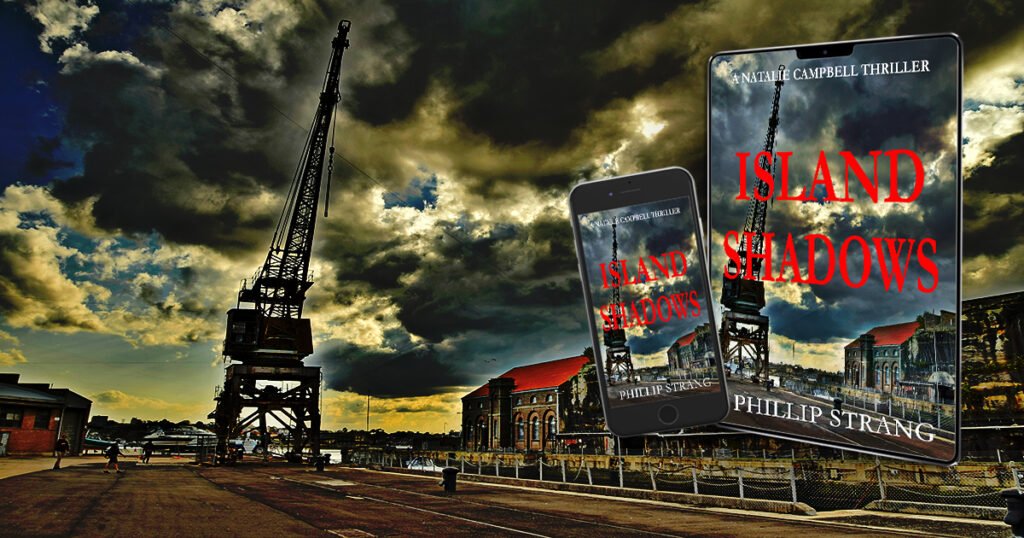
Island Shadows thriller murder concert historical island - Best Fantasy YA Novels - Murder Thriller Novel
Blog Post

Best Fantasy YA Novels of the Last Twenty Years: Captivating Worlds and Complex Journeys

Best Fantasy YA Novels of the Last Twenty Years Young adult fantasy literature has experienced an extraordinary renaissance over the past two decades, producing works that have captivated teenage readers and crossed over to adult audiences. The best fantasy YA novels of the last twenty years have transformed the publishing landscape, sparked major film adaptations, and introduced readers to unforgettable magical worlds. This comprehensive guide explores the most influential and beloved YA fantasy books published since 2003, examining what makes them resonate with readers and how they’ve shaped the genre. The Golden Age of YA Fantasy The last twenty years have witnessed what many critics consider a golden age for young adult fantasy literature. After the phenomenal success of the Harry Potter series (which began in the late 1990s), publishers actively sought fresh fantasy voices that could speak to adolescent experiences while creating immersive, otherworldly settings. The best fantasy YA novels of this period share several qualities: they feature complex protagonists navigating both supernatural challenges and authentic coming-of-age struggles, they build intricate magical systems that feel both wondrous and internally consistent, and they tackle significant themes like identity, power, and moral choice. The Shadow of Harry Potter While J.K. Rowling’s series was technically launched before our twenty-year timeframe, its cultural impact shaped YA fantasy throughout the 2000s. The later Potter books (particularly the darker final installments) set a template for YA fantasy that balanced accessibility with sophisticated worldbuilding and emotional depth. Publishers recognized that young readers could handle complex narratives, morally ambiguous characters, and tragic elements. The Hunger Games Effect Though Suzanne Collins’ dystopian trilogy isn’t strictly fantasy, its massive success in the early 2010s influenced fantasy YA by demonstrating the commercial potential of first-person narration, female protagonists in action-oriented roles, and political themes. Many fantasy novels that followed incorporated elements of this formula while maintaining their magical settings. Defining Series That Shaped the Genre Several landmark fantasy series published in the last twenty years have defined what readers expect from the genre, selling millions of copies and inspiring countless imitators. Percy Jackson and the Olympians by Rick Riordan (2005-2009) Rick Riordan’s five-book series reimagining Greek mythology in contemporary America has become a cornerstone of middle-grade and YA fantasy. The series follows Percy Jackson, a modern teenager who discovers he’s the son of Poseidon, as he attends Camp Half-Blood and embarks on quests involving the Greek pantheon. What makes these books stand out among the best fantasy YA novels is Riordan’s skillful blend of mythology with modern sensibilities, his humor-infused narrative voice, and his portrayal of neurologically diverse heroes (Percy has ADHD and dyslexia, reframed as demigod traits). The series has expanded into multiple spin-off series exploring Roman, Egyptian, and Norse mythology, creating a vast interconnected universe. Throne of Glass series by Sarah J. Maas (2012-2018) Maas’s eight-book saga following assassin Celaena Sardothien revolutionized YA fantasy by progressively aging its content and themes. Beginning as a relatively straightforward YA story, the series evolved into a sprawling epic with increasingly mature content, helping bridge the gap between YA and adult fantasy. The series stands among the best fantasy YA novels for its ambitious scope, complex female protagonist, and willingness to explore darker themes while maintaining the emotional immediacy of great YA fiction. Six of Crows Duology by Leigh Bardugo (2015-2016) Set in Bardugo’s “Grishaverse” (introduced in her Shadow and Bone trilogy), Six of Crows and its sequel, Crooked Kingdom, perfected the fantasy heist narrative for YA audiences. Following six dangerous outcasts attempting an impossible heist, these books feature intricate plotting, moral complexity, and deeply traumatized yet compelling characters. The duology exemplifies how the best fantasy YA novels can incorporate elements traditionally found in adult fantasy—sophisticated worldbuilding, political intrigue, and morally gray protagonists—while maintaining the character-driven emotional resonance that YA readers crave. Standout Standalone Fantasy Novels While series dominate YA fantasy, several standalone novels have profoundly impressed readers and the genre. The Book Thief by Markus Zusak (2005) Though sometimes classified as historical fiction, Zusak’s novel, narrated by Death, contains enough fantastical elements to qualify as fantasy. Set in Nazi Germany, it follows young Liesel as she discovers the power of words and books. Its lyrical prose, unique narrative perspective, and emotional depth place it among the best fantasy YA novels of the period. It demonstrates how fantasy elements can enhance historical settings and universal themes. The Night Circus by Erin Morgenstern (2011) Straddling the line between YA and adult fiction, Morgenstern’s debut novel tells the story of a mysterious circus that only appears at night and two young magicians forced to compete in a magical contest with rules neither fully understands. What makes this one of the best fantasy YA novels is its lush, atmospheric prose, innovative structure, and the way it captures the wonder of magic without extensive exposition or rigid systems. Raybearer by Jordan Ifueko (2020) This West African-inspired fantasy follows Tarisai, who is compelled by her mother to compete for a position in the Crown Prince’s Council of Eleven—and then assassinate him. Ifueko’s novel stands out for its unique worldbuilding drawn from non-Western traditions, complex mother-daughter dynamics, and examination of colonialism. Diverse Voices and Expanded Horizons One of the most significant developments in fantasy YA novels of the last twenty years has been the increasing prominence of diverse voices and cultural inspirations beyond the traditional Western European fantasy template. Children of Blood and Bone by Tomi Adeyemi (2018) Adeyemi’s West African-inspired fantasy follows Zélie Adebola as she attempts to restore magic to the kingdom of Orïsha. The novel became an instant bestseller and was celebrated for its rich worldbuilding, drawn from Yoruba mythology and examination of themes like oppression and cultural genocide. The Poppy War by R.F. Kuang (2018) While marketed in some regions as adult fantasy, Kuang’s brutal military fantasy inspired by Chinese history features a teenage protagonist and coming-of-age elements that appeal to YA readers. The novel follows Rin, a war orphan who discovers she has shamanic powers while attending an elite military academy. Its

Dystopian YA Novels - Murder Thriller
Blog Post

Best Dystopian YA Novels of the Last Twenty Years: Captivating Tales of Rebellion and Identity

Best Dystopian YA Novels of the Last Twenty Years In the last two decades, dystopian young adult (YA) fiction has exploded in popularity, captivating teen readers with visions of bleak futures, oppressive governments, and brave protagonists fighting against systems designed to control them. These best dystopian YA novels of the last twenty years have not only dominated bestseller lists but have sparked important conversations about power, conformity, and the resilience of the human spirit. From “The Hunger Games” to lesser-known gems, this genre resonates with readers who find escapism and reflection in these cautionary tales. The Rise of Dystopian YA Fiction The dystopian YA boom can be traced to the early 2000s, gaining tremendous momentum following Suzanne Collins’s “The Hunger Games” success in 2008. This watershed moment in publishing demonstrated young readers’ enormous appetite for stories set in broken futures. While adult dystopian fiction has existed for decades through classics like George Orwell’s “1984” and Aldous Huxley’s “Brave New World,” the YA iterations brought fresh perspectives by centering teenage protagonists navigating typical adolescent challenges and extraordinary societal pressures. Dystopian YA novels’ unique positioning at the intersection of entertainment and social commentary makes them particularly compelling. These works offer thrilling narratives, prompting readers to question authority, consider ethical dilemmas, and contemplate how current societal trends might evolve in troubling directions. The best dystopian YA novels of the last twenty years have managed this balance masterfully, creating immersive worlds that feel simultaneously foreign and eerily familiar. Defining Elements of Dystopian YA Fiction Oppressive Political Systems At the heart of dystopian YA novels lies some form of authoritarian control. Whether it’s the Capitol’s iron grip in “The Hunger Games,” the faction system in “Divergent,” or the memory-erasing Community in “The Giver,” these stories examine how governments or ruling bodies maintain power through manipulation, surveillance, and fear. The best dystopian YA novels create political systems with enough complexity to feel believable, often reflecting exaggerated versions of real-world political concerns. Coming-of-Age in Crisis Dystopian YA novels intertwine traditional coming-of-age narratives with existential societal threats. Protagonists not only discover their identities but must do so while navigating oppressive systems that actively work against individuality. This amplified adolescent experience resonates with readers navigating identity formation within social structures they didn’t create. Characters like Katniss Everdeen and Thomas from “The Maze Runner” must simultaneously discover who they are while fighting for survival. Rebellion and Resistance Nearly all the best dystopian YA novels feature some form of rebellion against established order. This rebellion often begins with a protagonist’s awakening to injustice before expanding to collective resistance. This narrative arc speaks to young readers’ developing sense of justice and emerging critical perspectives on the adult world they inherit. The genre celebrates questioning authority while acknowledging the complex ethical terrain of revolution. Top 10 Dystopian YA Series of the Last Two Decades 1. The Hunger Games Trilogy by Suzanne Collins (2008-2010) No discussion of the best dystopian YA novels could begin anywhere else. Collins’s trilogy about Katniss Everdeen volunteering as “tribute” in a televised death match set new standards for the genre. The series brilliantly critiques media consumption, economic inequality, and the commodification of violence. With its unforgettable protagonist, political complexity, and unflinching examination of trauma, “The Hunger Games” remains the gold standard of dystopian YA. 2. The Divergent Series by Veronica Roth (2011-2013) Roth’s series imagines a society divided into five factions based on human virtues. Protagonist Tris Prior discovers she’s “Divergent” – unable to fit neatly into any category. This exploration of identity and the dangers of rigid categorization resonated with young readers navigating their questions of belonging. While later entries received mixed reviews, the series’ examination of conformity versus individuality remains potent. 3. The Maze Runner Series by James Dashner (2009-2016) Dashner’s series begins with boys trapped in a mysterious maze without memory of their past lives. The series stands out for its emphasis on psychological manipulation and the ethics of scientific experimentation. Its focus on male friendships and survival offers a different perspective in a genre often centered on female protagonists, making it one of the best dystopian YA novels for readers seeking high-concept science fiction. 4. The Uglies Series by Scott Westerfeld (2005-2007) Published before the major dystopian boom, Westerfeld’s series imagined a world where everyone undergoes radical cosmetic surgery at age sixteen to achieve standardized beauty. The series examines conformity, beauty standards, and environmental collapse with surprising nuance. Its protagonist, Tally Youngblood, ‘s journey from conformity to rebellion creates a compelling arc throughout the series. 5. Legend Series by Marie Lu (2011-2013) Lu’s trilogy presents a militaristic future America divided between the Republic and the Colonies. Told through dual perspectives of privileged military prodigy June and criminal prodigy Day, the series explores class division, privilege, and how perspective shapes our understanding of justice. Its examination of morality in wartime and nuanced character development elevates it among the best dystopian YA novels. 6. Matched Trilogy by Ally Condie (2010-2012) In Condie’s world, Society dictates everything from meals to careers to marriage partners. Protagonist Cassia’s journey begins when a glitch in the matching system shows her two potential mates. This series stands out for its lyrical prose and thoughtful exploration of how control can be maintained through comfort rather than fear, examining the price of perfection and the value of choice. 7. The Giver Quartet by Lois Lowry (1993-2012) Though the first book was published before our twenty-year window, Lowry completed this influential series within the last two decades. Beginning with a seemingly utopian community where one person holds all historical memories, the series expands into a rich exploration of how societies function through collective memory and emotional experience. Its subtle approach to dystopian themes influenced countless later works. 8. Delirium Trilogy by Lauren Oliver (2011-2013) Oliver imagines a society where love is classified as a disease and “cured” through mandatory brain surgery. Protagonist Lena’s transformation from obedient citizen to revolutionary explores how emotional connection forms the foundation of humanity. The series stands out for its

best selling espionage thriller novels | best selling cozy mysteries | dark streets - Best Courtroom Drama Novels
Blog Post

Best Courtroom Drama Novels of the Last Twenty Years: Exploring Intrigue and Morality old

Best Courtroom Dramas Novels of the Last Twenty Years Courtroom drama novels combine the intrigue of legal proceedings with compelling character development and complex moral questions. The last twenty years have seen a remarkable evolution in this genre, with authors pushing boundaries and exploring new territory beyond the traditional formula. From high-stakes murder trials to intimate family court battles, these novels capture the tension, strategy, and human elements that make legal dramas captivating. This comprehensive guide examines the most outstanding courtroom drama novels published since 2003, highlighting works that have redefined the genre while maintaining the gripping suspense readers crave. The Evolution of Courtroom Drama Novels in the 21st Century The courtroom drama has evolved significantly since the days of Harper Lee’s “To Kill a Mockingbird” and Scott Turow’s “Presumed Innocent.” Modern courtroom drama novels reflect our changing society, incorporating contemporary legal issues while exploring deeper questions about justice, ethics, and human nature. The digital age has transformed how evidence is gathered and presented, adding new dimensions to legal storytelling. Today’s novels often grapple with social media’s impact on jury selection, the role of technology in criminal investigations, and evolving standards of justice. Recent courtroom drama novels have also become more diverse, featuring protagonists from various backgrounds and addressing issues like systemic racism, gender discrimination, and economic inequality within the legal system. This expansion has breathed new life into the genre, making it more relevant and reflective of real-world challenges while maintaining the suspenseful storytelling that makes these novels irresistible page-turners. Top Courtroom Dramas Novels Since 2003 “A Time for Mercy” by John Grisham (2020) John Grisham continues to dominate the legal thriller landscape, with this third installment featuring Jake Brigance. Set in 1990s Mississippi, the novel follows Brigance as he defends a sixteen-year-old boy accused of murdering a deputy sheriff who was abusing the boy’s mother. Grisham masterfully explores themes of domestic violence, small-town politics, and the moral complexities of justifiable homicide. Grisham’s meticulous attention to legal procedure and rich character development sets “A Time for Mercy” apart from other courtroom drama novels. The courtroom scenes are tense and authentic, showcasing the author’s intimate knowledge of trial strategy and southern justice systems. Critics praised the book for its nuanced portrayal of a community divided by a case that challenges traditional notions of right and wrong. “Defending Jacob” by William Landay (2012) This haunting legal thriller follows Andy Barber, an assistant district attorney whose world collapses when his fourteen-year-old son is accused of murdering a classmate. The novel expertly blends courtroom drama with psychological suspense as Andy struggles to maintain his professional ethics while fighting desperately to protect his child. What distinguishes “Defending Jacob” from other courtroom drama novels is its exploration of parental blind spots and the devastating impact of a murder trial on a family. Landay, a former district attorney, brings authenticity to the legal proceedings while creating a disturbing study of how well we truly know those closest to us. The novel’s ambiguous ending continues to spark debate among readers, making it one of the most thought-provoking legal thrillers of the past two decades. “The Lincoln Lawyer” by Michael Connelly (2005) Introducing Mickey Haller, a defense attorney who runs his practice from the backseat of his Lincoln Town Car, this novel revitalized the legal thriller genre with its morally complex protagonist and twisting plot. When Haller takes on a seemingly straightforward case defending a wealthy client accused of assault, he discovers unsettling connections to an old case that forces him to question his ethical boundaries. Connelly’s intimate knowledge of the Los Angeles legal system adds authenticity to this courtroom drama, while his protagonist’s cynical wit and strategic brilliance make for compelling reading. The novel explores defense attorneys’ compromises when representing guilty clients and the occasional moral triumph that keeps them fighting within a flawed system. “The Lincoln Lawyer” launched an enduring series and adapted into successful screen adaptations. “Miracle Creek” by Angie Kim (2019) This debut novel is both a gripping courtroom drama and a powerful exploration of immigrant experiences in America. When an experimental medical device explodes, killing two people, the Korean immigrant family who owns the facility becomes entangled in a murder trial that exposes secrets, lies, and the complexity of parenting children with special needs. Kim draws on her experience as a former trial lawyer to create authentic courtroom scenes with multi-layered testimonies that gradually reveal the truth. What distinguishes “Miracle Creek” from other courtroom drama novels is its diverse cast of characters and unflinching examination of maternal sacrifice, cultural barriers, and the devastating consequences of small deceptions. The book won the Edgar Award for Best First Novel and established Kim as an important new voice in legal fiction. “The Appeal” by John Grisham (2008) This chilling examination of judicial corruption follows a chemical company’s systematic attempt to overturn a multimillion-dollar verdict by financing a candidate for the Mississippi Supreme Court. Grisham methodically reveals how wealthy interests can manipulate the election of judges, creating a deeply unsettling portrait of justice for sale. Unlike many courtroom drama novels focusing on trial proceedings, “The Appeal” explores the political machinations that influence judicial decisions before cases even reach the courtroom. Grisham’s detailed knowledge of campaign finance and judicial elections makes this novel particularly relevant in an era of increasing corporate influence in politics. Though fictional, the novel’s premise was inspired by actual cases, lending it disturbing credibility. Emerging Trends in Courtroom Drama Novels The Rise of Psychological and Domestic Legal Thrillers Contemporary courtroom drama novels increasingly blend legal proceedings with psychological suspense and domestic drama. Books like Liane Moriarty’s “Big Little Lies” (2014) and Gillian McAllister’s “Everything But the Truth” (2017) incorporate legal elements into stories centered on family dynamics and interpersonal relationships. These novels often feature everyday characters thrust into extraordinary legal circumstances, making them relatable to readers who might find traditional law firm settings alienating. This hybrid approach has expanded the appeal of courtroom dramas beyond legal professionals to broader audiences interested in human

Malika's Revenge | Vigilante Justice | Best Mob Stories Novels
Blog Post

Best Mob Stories Novels of the Last Twenty Years: Exploring Crime’s Evolving Narratives

Best Mob Stories Novels of the Last Twenty Years The world of organized crime has long captivated readers with its complex characters, moral ambiguity, and high-stakes narratives. Over the past two decades, authors have crafted exceptional mob stories beyond stereotypical portrayals to explore the psychological depths and societal implications of life in the criminal underworld. These best mob stories novels of the last twenty years have redefined the genre, offering fresh perspectives on an enduring literary theme while honoring its rich traditions. Evolution of Mob Fiction in the 21st Century The landscape of mob fiction has evolved significantly since the turn of the millennium. While classics like Mario Puzo’s “The Godfather” established the template for organized crime storytelling, contemporary authors have expanded the genre’s boundaries. Modern mob stories novels often incorporate diverse cultural perspectives, explore previously untapped criminal organizations, and grapple with how traditional criminal enterprises adapt to a digital, globalized world. Today’s mob fiction tends to be more psychologically nuanced, with a deeper exploration of characters’ inner lives and motivations. Authors increasingly blur the lines between heroes and villains, creating protagonists in moral gray areas. These best mob stories novels also frequently examine how organized crime intersects with legitimate institutions like politics, business, and law enforcement, revealing corruption far beyond stereotypical notions of the “mafia.” Top Italian-American Mob Novels of the Last Two Decades Don Winslow’s “The Power of the Dog” Series (2005-2019) Don Winslow’s epic trilogy—”The Power of the Dog” (2005), “The Cartel” (2015), and “The Border” (2019)—stands among the most ambitious mob-story novels of recent decades. While focusing primarily on the Mexican drug cartels and their conflict with American law enforcement, Winslow skillfully weaves in connections to traditional Italian-American organized crime. The series follows DEA agent Art Keller through a decades-long blood feud with cartel boss Adán Barrera, exploring how the drug trade corrupts institutions on both sides of the border. Winslow’s meticulously researched narrative examines how the traditional boundaries between Mexican cartels and American mob families blurred as drug trafficking became increasingly lucrative. His unflinching portrayal of violence sits alongside nuanced character development, making this trilogy essential reading for enthusiasts of contemporary mob fiction. “The Given Day” by Dennis Lehane (2008) Though better known for his crime fiction set in Boston, Lehane’s historical novel “The Given Day” contains compelling storylines involving the Italian-American mob in post-World War I Boston. As part of his sweeping narrative about racial tensions, labor disputes, and social upheaval, Lehane portrays organized crime as an inevitable response to limited opportunities for immigrants. The novel shows how economic necessity and societal discrimination contributed to the rise of the American mob, providing a historical context that enriches our understanding of organized crime’s development. “The Cold Millions” by Jess Walter (2020) Walter’s historical novel isn’t exclusively a mob story but features compelling, organized crime elements against the backdrop of early 20th-century labor struggles in the American Northwest. The novel demonstrates how mob figures often exploited labor disputes for profit while sometimes forming uneasy alliances with workers’ movements. Walter’s nuanced portrayal shows how organized crime functioned as both a predator and a paradoxical ally to marginalized communities, complicating traditional mob narratives. International Organized Crime Fiction Some of the best mob stories novels of the last twenty years have expanded beyond the traditional Italian-American mafia to explore criminal organizations worldwide, reflecting the increasingly global nature of organized crime. “Tokyo Vice” by Jake Adelstein (2009) Though marketed as a non-fiction memoir, Adelstein’s account of his time as the first American journalist at a major Japanese newspaper reads like a thriller. His investigations into the yakuza (Japanese organized crime) reveal a criminal organization with rituals, structures, and codes distinct from the Italian-American mob. Adelstein explores how the yakuza maintained quasi-legitimate status in Japanese society while engaging in human trafficking, extortion, and financial crimes. The book compares organized crime traditions and their relationships with their respective institutions. “The Night Gardener” by George Pelecanos (2006) Pelecanos examines organized crime in Washington D.C.’s African American communities, showing how drug organizations developed their own hierarchies, codes, and territorial disputes parallel to traditional mob structures. The novel follows three police officers investigating a series of murders while confronting their complex relationships with the communities they police. Pelecanos demonstrates how the economic abandonment of urban areas created power vacuums filled by organized criminal enterprises. “Narcopolis” by Jeet Thayil (2012) This novel explores organized crime through the opium and heroin trade in Bombay (Mumbai), India. Thayil’s lyrical, fragmented narrative traces how traditional opium dens evolved into more dangerous criminal enterprises trafficking harder drugs. The book reveals how globalization transformed local criminal organizations, forcing them to adapt to international market pressures and new substances. This unique perspective on organized crime addresses how colonial legacies and economic inequality shaped criminal networks in South Asia. Russian Mob Fiction The fall of the Soviet Union led to the rise of the Russian mafia as a powerful global criminal force, inspiring some of the best mob stories and novels of recent decades. “Red Harvest” by Martin Cruz Smith (2013) As part of his Arkady Renko series, Smith explores how former KGB operatives and black marketeers transformed into organized crime bosses following the Soviet collapse. The novel depicts the distinctive characteristics of Russian organized crime, including its connections to former intelligence services and integration with post-Soviet oligarchic capitalism. Smith’s detective protagonist navigates a world where distinctions between legitimate business, government, and organized crime have collapsed. “Caught Stealing” by Charlie Huston (2004) The first in Huston’s Henry Thompson trilogy pits its protagonist against the Russian mob in New York City. The novel depicts the brutal enforcement methods of Russian organized crime while exploring how the organization recruited former Soviet military personnel and athletes. Huston’s fast-paced thriller shows how the Russian mob established territory in American cities already dominated by other criminal organizations. Literary and Experimental Mob Fiction Authors have applied literary techniques and experimental structures to mob fiction over the past twenty years, creating some of the best mob fiction novels that

best psychological thriller novels
Blog Post

Best Psychological Thriller Novels: Unforgettable Mind Games That Keep You Guessing

Best Psychological Thriller Novels: Unforgettable Mind Games That Keep You Guessing Psychological thriller novels represent the perfect intersection of suspense, mystery, and deep character exploration. The best psychological thriller novels don’t just frighten readers—they unsettle them by twisting perceptions, blurring the line between reality and delusion, and exploring the darkest corners of the human mind. From unreliable narrators to shocking plot twists, these novels challenge our understanding of truth while keeping us frantically turning pages long into the night. What Defines the Best Psychological Thriller Novels? The best psychological thriller novels share several distinctive elements that separate them from standard mystery or horror stories. Unlike tales that rely primarily on external threats, psychological thrillers focus on the mind as the primary landscape of conflict. These novels typically feature unreliable narrators, intense character studies, and plots that deliberately manipulate the reader’s perceptions. Great psychological thrillers often contain slow-burning tension rather than constant action, building a sense of unease that culminates in revelations that force readers to reconsider everything they thought they knew. The psychological components—gaslighting, paranoia, obsession, and delusion—create a reading experience that’s as intellectually engaging as it is emotionally gripping. Classic Psychological Thrillers That Defined the Genre Before exploring contemporary works, it’s worth acknowledging the foundational novels that established the psychological thriller as a powerful literary genre. These best psychological thriller novels from decades past continue to influence writers and captivate new generations of readers. Rebecca by Daphne du Maurier Published in 1938, “Rebecca” remains the quintessential psychological thriller featuring a young, naive protagonist haunted by the persistent presence of her husband’s deceased first wife. The unnamed narrator’s increasing paranoia and the subtle manipulation by the housekeeper, Mrs. Danvers, create an atmosphere of mounting dread that culminates in shocking revelations about the truth behind Rebecca’s death. The Talented Mr. Ripley by Patricia Highsmith Highsmith’s 1955 novel introduced readers to Tom Ripley, one of literature’s most fascinating sociopaths. The novel’s brilliance lies in making readers uncomfortably complicit as we root for a protagonist who lies, steals, and ultimately murders to achieve his desires. The psychological depth of Ripley’s character study makes this one of the best psychological thriller novels ever written. Rosemary’s Baby by Ira Levin This 1967 masterpiece uses pregnancy—normally a time of joy—as the foundation for escalating paranoia and horror. As Rosemary gradually suspects a conspiracy involving her husband and neighbors, readers experience her growing isolation and terror. The novel’s genius lies in maintaining ambiguity about whether Rosemary’s fears represent legitimate danger or prenatal delusion until its chilling conclusion. Modern Masterpieces of Psychological Suspense Contemporary authors have built upon the foundations laid by earlier writers, creating some of the best psychological thriller novels of recent decades by incorporating modern anxieties and innovative narrative structures. Gone Girl by Gillian Flynn Flynn’s 2012 phenomenon redefined expectations for plot twists in psychological thrillers. The story of Nick Dunne and his missing wi,fe A, alternates between complementary and contradictory narratives, forcing readers to reassess their understanding of events and the characters’ constant tears. The exploration of toxic marriage dynamics and media manipulation makes this one of the most influential psychological thrillers of the 21st century. The Silent Patient by Alex Michaelides This 2019 debut centers around Alicia Berenson, who murders her husband and then refuses to speak another word. The narrative follows psychotherapist Theo Faber’s determination to break her silence and uncover the truth. The novel’s examination of psychiatric treatment, obsession, and its masterful twist ending have secured its place among the best psychological thriller novels of recent years. You by Caroline Kepnes Kepnes’ disturbing yet compulsively readable 2014 novel is told entirely from the perspective of Joe Goldberg, a bookstore manager whose romantic obsession with a customer leads to stalking and worse. The second-person narration pulls readers uncomfortably close to Joe’s warped worldview, creating a uniquely unsettling reading experience that examines themes of social media vulnerability and the dangers of romanticizing toxic behavior. Psychological Thrillers That Blur Reality Some of the best psychological thriller novels deliberately obscure the boundary between objective reality and characters’ perceptions, leaving readers guessing what’s happening until the end—and sometimes beyond. The Woman in the Window by A.J. Finn This 2018 novel draws inspiration from Hitchcock films to tell the story of Anna Fox, an agoraphobic child psychologist who believes she’s witnessed a crime in her neighbor’s house. As an unreliable narrator affected by medication, alcohol, and mental illness, Anna’s perceptions keep readers questioning what’s real and what’s imagined throughout this claustrophobic thriller. Behind Her Eyes by Sarah Pinborough Pinborough’s 2017 novel begins as a seemingly conventional story of a love triangle before taking increasingly strange turns. The narrative alternates between the perspectives of Louise and Adele, women connected to the mysterious David, building to a conclusion that defies genre expectations. The novel’s controversial ending makes it one of recent memory’s most discussed psychological thrillers. I’m Thinking of Ending Things by Iain Reid Reid’s debut novel takes the unreliable narrator concept to extremes in this deeply unsettling 2016 work. What begins as a straightforward story about a woman visiting her boyfriend’s parents transforms into something far more disturbing as reality seems to unravel. The novel’s ambiguous ending has sparked endless debate among readers trying to decipher what happened. International Psychological Thrillers Worth Reading The best psychological thriller novels aren’t limited to English-language works. Internationally acclaimed authors have contributed significantly to the genre, often incorporating cultural perspectives that add new dimensions to psychological suspense. The Devotion of Suspect X by Keigo Higashino This Japanese thriller revolves around a mathematics professor who helps his neighbor cover up a murder, leading to an intricate battle of wits with the detective investigating the case. Rather than focusing on whodunit, Higashino’s novel examines the psychological complexities of why people commit and conceal crimes. The Dinner by Herman Koch This Dutch novel unfolds over a single evening as two couples meet for dinner to discuss their son’s involvement in a horrific act. The slow revelation of narrator Paul’s unstable psychology transforms what initially

HTML Snippets Powered By : XYZScripts.com
Scroll to Top