
Crime Fiction Writing – Guides on Plotting, Suspense & Character

Guides on plotting, suspense, character development, and forensic realism for crime fiction writers. Learn how to craft villains, build tension, and create authentic investigative details that elevate your crime and thriller stories.

Visit the full Crime Fiction Writing Guide for structured tutorials and advanced techniques.

daily word count for writers
Crime Fiction Writing – Guides on Plotting, Suspense & Character

Daily Word Count for Writers: Crafting Your Sustainable Writing Rhythm

Daily Word Count for Writers: Crafting Your Sustainable Writing Rhythm Introduction: The Word Count Conundrum Every writer faces the same fundamental question: What is the daily word count for writers? How many words should I write each day? It’s a deceptively simple query with a complex answer that varies as widely as the writers themselves. From aspiring novelists to professional authors, the pursuit of the perfect daily writing goal is a journey of self-discovery and discipline. Understanding Writing Productivity The Myth of Universal Word Count There’s no one-size-fits-all approach to daily writing. What works for a full-time novelist might crush the spirit of a part-time writer juggling a day job and creative aspirations. The key is finding a sustainable, personalized writing rhythm that nurtures creativity without inducing burnout. Factors Influencing Daily Word Count Personal Writing Ecosystem Multiple elements impact a writer’s daily word production: Writing Experience Beginners may struggle with lower word counts Experienced writers develop more efficient writing processes Skill level directly influences writing speed and consistency Time Availability Full-time writers can dedicate more hours Part-time writers must maximize limited writing windows Work schedules, family commitments, and personal responsibilities play crucial roles Writing Genre and Complexity Fiction typically requires more creative energy Technical or academic writing might allow faster production Research-heavy genres demand additional time for accuracy Recommended Daily Word Count Ranges Professional Author Benchmarks Beginner Writers: 250-500 words per day Intermediate Writers: 500-1,000 words per day Professional Authors: 1,000-2,500 words per day Full-Time Novelists: Up to 3,000-5,000 words daily Strategies for Consistent Writing Building a Sustainable Writing Habit Practical Approaches Set realistic, achievable daily goals Create a consistent writing schedule Use time blocking techniques Minimize distractions Develop a dedicated writing space Track progress without self-judgment Mental and Physical Considerations Beyond the Word Count Writing isn’t just about quantity. Quality, mental health, and creative sustainability matter equally: Respect your natural energy cycles Allow for creative rest and recuperation Understand that some days will be more productive than others Celebrate progress, not just word count Practice self-compassion in your writing journey Technology and Productivity Tools Modern Writing Assistance Writing tracking apps Digital word count trackers Focus and productivity software Voice-to-text technologies Cloud-based writing platforms Overcoming Common Challenges When Words Don’t Flow Strategies for difficult writing days: Free writing exercises Change writing environment Use writing prompts Break tasks into smaller segments Practice meditation and mental reset techniques The Psychological Aspect of Word Counts Mental Frameworks for Success View word count as a guideline, not a strict rule Understand that creativity cannot be mechanically measured Develop a growth mindset toward writing Recognize individual writing rhythms Focus on consistent effort over perfect performance Long-Term Writing Success Beyond Daily Metrics Successful writers understand that: Consistency trumps sporadic bursts of productivity Learning and improving matter more than raw numbers Personal writing styles vary dramatically Adaptability is crucial in writing careers About Phillip Strang: A Master of Narrative Craft With thirty-five novels spanning multiple genres, Phillip Strang brings a wealth of experience to the world of writing and publishing. His diverse literary portfolio demonstrates the power of consistent, dedicated writing. Featured Books Showcasing Writing Mastery Malika’s Revenge Genre: International Thriller Description: A gripping narrative featuring a strong female protagonist, exploring morally complex themes in an international setting. Purchase Links: Amazon Death Unholy Genre: Thriller Description: A compelling story showcasing Strang’s versatility in storytelling, offering readers an intense and engaging narrative experience. Purchase Links: Amazon Dark Streets Genre: Crime Fiction Description: An engaging exploration of Sydney’s criminal underworld, revealing the city’s darker side through masterful storytelling. Purchase Links: Amazon Connect with Phillip Strang Website: Phillip Strang Official Site Amazon Author Page: Explore More Books Goodreads Profile: Reader Community  

reflecting on lessons learned in writing, surrounded by books and writing tools
Crime Fiction Writing – Guides on Plotting, Suspense & Character

Lessons Learned: Navigating the Challenging Landscape of Writing

Lessons Learned: Navigating the Challenging Landscape of Writing Introduction: The Unwritten Curriculum Writing is a journey of continuous learning, where each page turned, each draft completed, and each rejection overcome becomes a crucial lesson in the intricate art of storytelling. No writing manual can fully prepare an author for the profound insights gained through personal experience, trial, and resilience. The Early Days: Lessons in Humility Confronting the Blank Page Every writer remembers their first encounter with the daunting blank page—a moment that teaches fundamental lessons: Perfectionism is the Enemy of Progress First drafts are meant to be imperfect Overcoming the fear of imperfection is crucial Writing is a process of continuous refinement Rejection is Not Failure Every rejection is a stepping stone Feedback provides opportunities for growth Resilience is a writer’s most valuable skill Craft and Technique: Learning Beyond the Rules Breaking and Bending Writing Conventions Writing is an art form that thrives on both structure and innovation: Understanding genre conventions Knowing when to follow rules Recognizing when to challenge established norms Developing a unique voice Emotional Intelligence in Writing The Psychological Landscape of Creativity Writers learn that emotional depth is as important as technical skill: Embracing vulnerability in storytelling Understanding character motivations Developing empathy through writing Managing creative stress and burnout Professional Development: Beyond the Writing Desk Navigating the Publishing Ecosystem Critical lessons emerge from understanding the broader writing landscape: Networking is not self-promotion Collaborations open unexpected doors Continuous learning is non-negotiable Adaptability is key to survival Time Management and Discipline Creating a Sustainable Writing Practice Successful writers understand that inspiration is cultivated, not waited for: Establish consistent writing routines Set realistic goals Learn to write through difficult emotions Balance creativity with discipline Financial Realities of Writing Understanding the Economic Landscape Practical lessons about the financial aspects of writing: Diversify income streams Treat writing as a business Invest in skill development Understand market trends Be prepared for financial uncertainty Technology and Modern Writing Embracing Digital Transformation The digital age brings unique learning opportunities: Leverage online writing tools Understand digital publishing platforms Develop digital marketing skills Utilize social media for audience engagement Personal Growth Through Writing Writing as a Journey of Self-Discovery Writing transcends mere storytelling: Develop self-awareness Use writing as a tool for personal exploration Embrace vulnerability Transform personal experiences into universal narratives Continuous Learning Mindset The Writer’s Commitment to Growth Key principles for ongoing development: Read voraciously across genres Attend workshops and conferences Seek constructive feedback Stay curious and open-minded Never consider learning complete The Unexpected Rewards Lessons Beyond the Written Word Writing offers profound life lessons: Patience and persistence matter most Creativity is a muscle that strengthens with use Every story contains a piece of the writer’s soul Authenticity resonates more than perfection About Phillip Strang: A Lifetime of Literary Lessons With thirty-five novels spanning multiple genres, Phillip Strang embodies the spirit of continuous learning and creative exploration. Featured Books Reflecting Life’s Lessons Dark Streets Genre: Crime Fiction Description: An engaging exploration of Sydney’s criminal underworld, revealing the city’s darker side through masterful storytelling. Purchase Links: Amazon Goodreads Malika’s Revenge Genre: International Thriller Description: A gripping narrative featuring a strong female protagonist, exploring morally complex themes in an international setting. Purchase Links: Amazon Goodreads Death Unholy Genre: Thriller Description: A compelling story showcasing Strang’s versatility in storytelling, offering readers an intense and engaging narrative experience. Purchase Links: Amazon Goodreads Connect with Phillip Strang Website: Phillip Strang Official Site Amazon Author Page: Explore More Books Goodreads Profile: Reader Community Focus Keyphrase: “Lessons Learned in Writing” Meta Description: “Discover the profound insights and transformative lessons learned from a writer’s journey, exploring personal growth, creativity, and the art of storytelling.” Slug: “lessons-learned-in-writing” Alt Text: “Writer reflecting on lessons learned, surrounded by books and writing tools” SEO Linking Keywords: writing lessons, author journey, creative growth, storytelling insights, writing wisdom, personal development, writer’s experience  

Are you a plotter? Writer planning story with notebooks, charts, and writing tools
Crime Fiction Writing – Guides on Plotting, Suspense & Character

Are You a Plotter? Unraveling the Art of Story Planning

Are You a Plotter? Unraveling the Art of Story Planning Introduction: The Plotting Paradigm In the vast universe of creative writing, authors navigate a fundamental divide that defines their approach to storytelling: Are you a plotter or a pantser? This age-old debate explores the intricate ways writers conceptualize and craft their narratives, revealing the deeply personal nature of the creative process. Understanding Plotting: The Architectural Approach to Writing Defining the Plotter’s Methodology A plotter is a writer who meticulously plans their story before writing, creating: Detailed outlines Character backstories Plot structure maps Chapter-by-chapter breakdowns Comprehensive story arcs The Psychological Landscape of Plotting Why Writers Choose to Plot Motivations behind plotting include: Narrative Control Provides a clear roadmap Reduces writing anxiety Creates a sense of direction Minimizes mid-writing blockages Structural Precision Ensures narrative coherence Helps maintain story pacing Identifies potential plot holes early Supports complex narrative structures Plotting Techniques and Tools Methodologies for Effective Story Planning Popular Plotting Approaches Snowflake Method Hero’s Journey Three-Act Structure Seven-Point Story Structure Reverse Outline Technique Technical Planning Tools Writing software (Scrivener, StoryWeaver) Spreadsheet plotting Mind mapping applications Traditional notebook planning Digital outlining platforms Advantages of Plotting Strategic Benefits for Writers Plotting offers significant advantages: Faster first draft completion Reduced mid-writing uncertainty More efficient editing process Better understanding of story architecture Improved narrative consistency Potential Limitations When Plotting Becomes Restrictive Challenges plotters might encounter: Risk of over-planning Potential loss of spontaneous creativity Difficulty adapting to character-driven developments Possible narrative rigidity Hybrid Approaches Blending Plotting and Organic Writing Many successful writers adopt flexible methodologies: Loose outlining Adaptable plot frameworks Allowing character-driven surprises Maintaining structural integrity while embracing creativity Technical Plotting Strategies Advanced Planning Techniques Character-Driven Plotting Deep character profiling Understanding character motivations Allowing characters to influence plot development Thematic Plotting Identifying core themes Ensuring thematic consistency Using themes as narrative guideposts Psychological Considerations The Mental Landscape of Story Planning Plotting intersects with: Personal creativity styles Anxiety management Problem-solving approaches Individual cognitive processing Technology and Modern Plotting Digital Tools Transforming Story Planning AI-assisted plotting software Cloud-based collaboration platforms Advanced visualization tools Machine learning plot suggestions Interactive story development applications Finding Your Plotting Style Personal Writing Assessment Considerations for determining your approach: Analyze your natural creative process Experiment with different planning techniques Be open to methodological evolution Understand that no single approach fits all About Phillip Strang: A Master of Narrative Architecture With thirty-five novels spanning multiple genres, Phillip Strang demonstrates the art of versatile storytelling, showcasing both meticulous planning and creative spontaneity. Featured Books Exemplifying Narrative Craftsmanship Dark Streets Genre: Crime Fiction Description: An engaging exploration of Sydney’s criminal underworld, revealing the city’s darker side through masterful storytelling. Purchase Links: Amazon Malika’s Revenge Genre: International Thriller Description: A gripping narrative featuring a strong female protagonist, exploring morally complex themes in an international setting. Purchase Links: Amazon Death Unholy Genre: Thriller Description: A compelling story showcasing Strang’s versatility in storytelling, offering readers an intense and engaging narrative experience. Purchase Links: Amazon Connect with Phillip Strang Website: Phillip Strang Official Site Amazon Author Page: Explore More Books Goodreads Profile: Reader Community  

best selling financial thriller novels | Amazon book page showing 5-star reviews and ranking information for Malika’s Revenge novel
Crime Fiction Writing – Guides on Plotting, Suspense & Character

Mastering Book Promotion: A Self-Published Author’s Roadmap

The Double-Edged Sword of Amazon Book Reviews: Impact, Strategy, and Reality Reviews can significantly influence your book’s visibility and sales—but pursuing them comes with rewards and risks. The Uncertain Value of Amazon Reviews As authors navigate the complex ecosystem of online book sales, few questions loom larger than the impact of reviews on our rankings and sales figures. After considerable time invested in soliciting reviews for my novels, including Malika’s Revenge, I’ve developed nuanced perspectives on this crucial aspect of book marketing. The pursuit of reviews represents a genuine conundrum: they appear vital for visibility, yet the process of obtaining them is unpredictable and occasionally counterproductive. My experiences underscore the potential rewards and inherent risks of actively seeking reader feedback. Amazon’s Algorithm: The Black Box of Visibility While Amazon guards the specifics of its ranking algorithms closely, extensive observation and testing suggest that reviews—particularly from verified purchasers and high-ranking reviewers—do influence a book’s visibility in several ways: Potential Algorithmic Benefits of Reviews Enhanced DiscoverabilityBooks with more reviews appear to receive priority in Amazon’s recommendation engine, appearing more frequently in “also bought” and “you might like” suggestions. Improved Search RankingTitles with substantial reviews often rank higher in Amazon’s internal search results, particularly when those reviews contain relevant keywords. Qualification for Promotional ToolsMany of Amazon’s promotional opportunities, including certain advertising options, require a minimum number of reviews (typically at least 15). Influence on Amazon’s Quality MetricsAmazon’s internal quality scoring likely considers reviewing quantity and quality when determining a book’s overall visibility. The “Hall of Fame” Effect My experience with Malika’s Revenge provides a compelling case study. After receiving a 5-star review from an Amazon “Hall of Fame – Top 100 Reviewer,” I observed noticeable changes in the book’s performance: Improved category ranking Increased appearance in “also bought” sections More consistent sales without additional marketing This suggests that Amazon’s algorithm assigns different weights to reviews based on the reviewer’s status within the Amazon ecosystem. A single review from a high-ranking reviewer appears to carry substantially more algorithmic weight than multiple reviews from standard users. The Risk-Reward Balance of Review Solicitation The Unavoidable Uncertainty The fundamental challenge in pursuing reviews lies in their unpredictability. As I discovered with Malika’s Revenge, the same outreach strategy yielded my highest praise (the 5-star Hall of Fame review) and my harshest criticism from a reviewer who objected to the book’s subject matter. This unpredictability creates a genuine dilemma: each review request represents opportunity and risk. Without “prescience” about how a particular reader will respond, every solicitation becomes a calculated gamble. The Psychological Impact of Negative Reviews While discussing the algorithmic impact of reviews, we must acknowledge their psychological effect on potential buyers. The unfortunate reality is that negative reviews often command disproportionate attention: Readers frequently scroll directly to the lowest ratings A single detailed negative review can overshadow multiple positive ones Specific criticisms stick in readers’ minds more than general praise This psychological asymmetry means a single negative review can potentially undermine the marketing value of numerous positive ones, creating a risk-reward calculation that isn’t simply mathematical. Strategic Approaches to Review Solicitation Given these realities, I’ve refined my approach to pursuing reviews through several strategic adjustments: Targeting High-Value Reviewers My current strategy involves researching potential reviewers before sending review copies: Checking reviewer rankings on Amazon to prioritize established reviewers Reviewing past feedback to assess alignment with my book’s style and content Noting genre preferences to avoid sending books to reviewers with clear genre biases While more time-intensive, this targeted approach has yielded better results than broader solicitation efforts. Building Relationships With Compatible Reviewers Repeat reviewers who consistently appreciate your work represent tremendous long-term value. I now dedicate time to: Thanking reviewers personally for thoughtful feedback Offering advance copies of new releases to previous positive reviewers Engaging with reviewer questions or comments when appropriate These relationship-building efforts help develop a core group of reviewers who genuinely appreciate your specific writing style and subject matter. Setting Realistic Expectations The correlation between review counts and sales success isn’t as straightforward as many authors believe. I’ve observed: Some high-ranking books maintain impressive sales with relatively few reviews Others accumulate hundreds of reviews without corresponding commercial success Quality and specificity of reviews often matter more than quantity This reality has helped me focus less on raw review numbers and more on the strategic value of specific types of reviews. Practical Considerations for Review Management Responding to Negative Feedback When inevitably faced with negative reviews, I’ve found the following approach most productive: Avoid public responses unless addressing factual inaccuracies Look for valid criticism that might improve future books Consider the source and whether the feedback represents your target audience Maintain perspective on the subjective nature of literary preferences Universal acclaim is virtually impossible in publishing, as in any creative field. Learning to distinguish between constructive criticism and misaligned reader expectations has been crucial to maintaining motivation and objectivity. The Editorial Review Alternative For authors concerned about the unpredictability of customer reviews, editorial reviews provide a valuable alternative: These formal reviews from recognized sources appear in a dedicated section on the book’s Amazon page They provide credibility without affecting the customer review rating Sources range from traditional publications to specialized book blogs While sometimes requiring payment, they offer controlled professional assessment I’ve found that combining editorial reviews and organic customer reviews provides the most balanced approach to building credibility. The Commercial Reality: Reviews as Business Investment As authors who wish to sell books, we must approach reviews as a commercial consideration rather than a purely artistic one. This perspective requires: Accepting criticism as an inevitable aspect of public creative work Viewing negative reviews as a cost of doing business Recognizing the subjective nature of literary preferences Focusing on target audience satisfaction rather than universal approval This commercial mindset helps maintain emotional equilibrium when faced with inevitable criticism while recognizing the valuable role of reviews in book marketing. The Path Forward: A Balanced Approach Based on my experience with multiple books, including Malika’s Revenge, I’ve adopted a balanced approach to review solicitation that acknowledges both their value and limitations: Continued strategic outreach to high-value

Author analyzing Facebook ad performance on a computer with book marketing dashboard
Crime Fiction Writing – Guides on Plotting, Suspense & Character

Facebook Ads for Authors: Are They Worth the Investment?

Facebook Ads for Authors: Are They Worth the Investment? Introduction: The Digital Marketing Dilemma In an increasingly competitive publishing landscape, authors are constantly searching for effective ways to reach potential readers. Facebook Ads have emerged as a tantalizing option, promising targeted visibility in a crowded digital marketplace. But the crucial question remains: Are Facebook Ads truly worth the investment for authors? Understanding Facebook Ads for Authors The Basics of Book Marketing in the Digital Age Facebook Ads offer a unique proposition for authors: Precise audience targeting Flexible budget options Detailed performance tracking Potential for immediate reader engagement Cost-effective marketing alternative Types of Facebook Ads for Book Promotion Strategic Advertising Approaches Book Launch Campaigns Announcing new releases Creating initial buzz Targeting specific reader demographics Brand Building Ads Author platform development Long-term audience cultivation Establishing author recognition Retargeting Campaigns Reaching previous website visitors Engaging potential readers who showed initial interest Reinforcing book visibility Cost Considerations Breaking Down the Financial Investment Facebook Ad Pricing Factors: Audience targeting complexity Ad design quality Campaign duration Competitive book market Genre-specific advertising costs Average Cost Estimates Minimum daily budget: $5-$10 Average cost per click: $0.50-$2.00 Recommended initial testing budget: $100-$300 Targeting Strategies Reaching the Right Readers Effective targeting involves: Genre-specific interests Similar author fan bases Reading habit demographics Age and geographic targeting Behavioral and interest-based selection Potential Benefits Advantages of Facebook Advertising Positive outcomes for authors include: Increased book visibility Direct reader engagement Measurable marketing results Cost-effective promotion Flexible campaign management Potential Challenges Navigating Advertising Obstacles Common limitations and difficulties: Learning curve for ad creation Potential high initial costs Complex performance metrics Constant platform algorithm changes Risk of low conversion rates Best Practices for Author Facebook Ads Optimization Strategies Compelling Visual Content High-quality book cover images Professional graphic design Engaging, clear ad visuals Persuasive Ad Copy Clear, concise messaging Strong call-to-action Highlighting unique book attributes Continuous Testing A/B testing ad variations Monitoring performance metrics Regular campaign adjustments Technical Considerations Tools and Resources Recommended Facebook Ad Tools: Facebook Ads Manager Facebook Pixel Audience Insights Third-party analytics platforms Budget tracking applications Alternative Marketing Channels Diversifying Book Promotion Complementary marketing strategies: Amazon Ads BookBub promotions Instagram marketing Goodreads advertising Newsletter cross-promotions Making the Decision Personal Marketing Assessment Key questions to consider: Do you have a clear target audience? Can you invest time in learning ad platforms? Do you have a budget for testing? Are your book’s visual elements compelling? Do you have a long-term marketing strategy? The Evolving Digital Marketing Landscape Staying Adaptive and Informed Marketing success requires: Continuous learning Flexibility Willingness to experiment Understanding platform changes Measuring and adapting strategies About Phillip Strang: A Literary Voice in the Digital Age With thirty-five novels spanning multiple genres, Phillip Strang understands the importance of strategic book marketing in the digital era. Featured Books Demonstrating Marketing Potential Dark Streets Genre: Crime Fiction Description: An engaging exploration of Sydney’s criminal underworld, revealing the city’s darker side through masterful storytelling. Purchase Links: Amazon Goodreads Malika’s Revenge Genre: International Thriller Description: A gripping narrative featuring a strong female protagonist, exploring morally complex themes in an international setting. Purchase Links: Amazon Goodreads Death Unholy Genre: Thriller Description: A compelling story showcasing Strang’s versatility in storytelling, offering readers an intense and engaging narrative experience. Purchase Links: Amazon Goodreads Connect with Phillip Strang Website: Phillip Strang Official Site Amazon Author Page: Explore More Books Goodreads Profile: Reader Community   Focus Keyphrase: “Facebook Ads for Authors” Meta Description: “Discover the potential of Facebook Ads for authors: Explore strategies, costs, benefits, and challenges of book marketing in the digital landscape.” Slug: “facebook-ads-for-authors” Alt Text: “Author analyzing Facebook ad performance on computer with book marketing dashboard” SEO Linking Keywords: book marketing, author advertising, Facebook ads, digital book promotion, author platform, book visibility, marketing strategies  

Amazon book keywords strategy showing book discoverability and search optimization
Crime Fiction Writing – Guides on Plotting, Suspense & Character

Amazon Keywords: Unlocking Book Discoverability and Sales Success

Amazon Keywords: Unlocking Book Discoverability and Sales Success Introduction In Amazon’s vast digital marketplace, where millions of books compete for readers’ attention, understanding and strategically implementing keywords can mean the difference between obscurity and success. For authors, amazon book keywords are not just words—they are powerful tools that unlock the potential of book discoverability, connecting your work with eager readers searching for exactly what you’ve created. The Digital Bookshelf: Why Keywords Matter Every day, thousands of readers navigate Amazon’s expansive book ecosystem, using search terms that can lead them directly to your book or send them scrolling past. Keywords are the bridge between your book and potential readers, acting as silent marketers who work tirelessly to improve your book’s visibility. Understanding Amazon’s Keyword Ecosystem What Are Amazon Keywords? Amazon keywords are specific terms and phrases that accurately describe your book’s content, genre, and unique characteristics. These are not just random words but carefully selected descriptors that align with how potential readers might search for a book like yours. The Technical Mechanics of Keyword Functionality Search Matching Keywords help Amazon’s algorithm match your book with relevant customer searches. More precise keywords increase the likelihood of appearing in search results. Category Positioning Proper keywords can help your book rank in specific subcategories Improves visibility within niche markets Customer Discovery Enables readers to find your book through multiple search approaches Expands potential readership beyond traditional marketing channels Strategic Keyword Selection Techniques 1. Researching Effective Keywords Use Amazon’s search bar autocomplete feature Analyze competitors’ book descriptions Utilize keyword research tools like Publisher Rocket Examine customer review language for organic search terms 2. Keyword Placement Strategies Include keywords in the book title and subtitle Optimize book description with strategic keyword integration Utilize all seven available keyword slots in Amazon’s KDP dashboard Ensure keywords are natural and genuinely descriptive Common Keyword Mistakes to Avoid Pitfalls in Keyword Strategy Stuffing irrelevant or overly broad keywords Using generic terms that don’t distinguish your book Ignoring long-tail keywords Failing to update keywords periodically Advanced Keyword Optimization Techniques Dynamic Keyword Management Regularly update keywords based on market trends Monitor book performance and adjust strategy Conduct periodic keyword research Experiment with different keyword combinations Leveraging Metadata for Maximum Impact Align keywords with book categories Use a variation of keywords to capture different search intents Consider seasonal and trending topics relevant to your book Measuring Keyword Effectiveness Key Performance Indicators Search ranking improvements Increased book page views Higher conversion rates Enhanced discoverability in related book suggestions Tools and Resources for Keyword Optimization Recommended Keyword Research Platforms Publisher Rocket KDP Rocket Amazon’s Search Suggestions Google Trends BookBub Insights The Evolving Landscape of Book Discoverability As Amazon’s algorithm continues to sophisticate, the importance of strategic keyword usage will only grow. Authors who adapt, learn, and implement smart keyword strategies will have a significant competitive advantage in the digital marketplace. Conclusion: Keywords as Your Silent Marketing Team Keywords are more than technical metadata—they are your book’s digital ambassadors. You transform passive book listings into actively discoverable literary offerings by understanding, implementing, and continuously refining your keyword strategy. Key Takeaway Invest time in your keywords. They are not just search terms but bridges connecting your writing with readers waiting to discover your story. About Phillip Strang With thirty-five novels spanning multiple genres, Phillip Strang brings a wealth of experience to the world of writing and publishing. Based in Sydney, he has transformed his passion for international settings and complex narratives into a diverse literary portfolio. Featured Books Malika’s Revenge Genre: International Thriller Description: A gripping narrative featuring a strong female protagonist exploring morally complex themes in an international setting. Purchase Links: Amazon Death Unholy Genre: Thriller Description: A compelling story that showcases Strang’s versatility in storytelling, offering readers an intense and engaging narrative experience. Purchase Links: Amazon Dark Streets Genre: Crime Fiction Description: An engaging exploration of Sydney’s criminal underworld, revealing the city’s darker side through a masterful storytelling approach. Purchase Link: Amazon Connect with Phillip Strang Website: Phillip Strang Official Site Amazon Author Page: Explore More Books Goodreads Profile: Reader Community Explore the full collection of Phillip Strang’s thirty-five novels and join a community of readers who appreciate intricate, globally inspired storytelling.

Narrative continuity errors illustrated through broken story threads and fragmented narrative elements
Crime Fiction Writing – Guides on Plotting, Suspense & Character

Narrative Continuity Errors: Unraveling the Threads of Storytelling

The Double-Edged Sword of Amazon Book Reviews: Impact, Strategy, and Reality Reviews can significantly influence your book’s visibility and sales—but pursuing them comes with rewards and risks. The Uncertain Value of Amazon Reviews As authors navigate the complex ecosystem of online book sales, few questions loom larger than the impact of reviews on our rankings and sales figures. After considerable time invested in soliciting reviews for my novels, including Malika’s Revenge, I’ve developed nuanced perspectives on this crucial aspect of book marketing. The pursuit of reviews represents a genuine conundrum: they appear vital for visibility, yet the process of obtaining them is unpredictable and occasionally counterproductive. My experiences underscore the potential rewards and inherent risks of actively seeking reader feedback. Amazon’s Algorithm: The Black Box of Visibility While Amazon guards the specifics of its ranking algorithms closely, extensive observation and testing suggest that reviews—particularly from verified purchasers and high-ranking reviewers—do influence a book’s visibility in several ways: Potential Algorithmic Benefits of Reviews Enhanced DiscoverabilityBooks with more reviews appear to receive priority in Amazon’s recommendation engine, appearing more frequently in “also bought” and “you might like” suggestions. Improved Search RankingTitles with substantial reviews often rank higher in Amazon’s internal search results, particularly when those reviews contain relevant keywords. Qualification for Promotional ToolsMany of Amazon’s promotional opportunities, including certain advertising options, require a minimum number of reviews (typically at least 15). Influence on Amazon’s Quality MetricsAmazon’s internal quality scoring likely considers reviewing quantity and quality when determining a book’s overall visibility. The “Hall of Fame” Effect My experience with Malika’s Revenge provides a compelling case study. After receiving a 5-star review from an Amazon “Hall of Fame – Top 100 Reviewer,” I observed noticeable changes in the book’s performance: Improved category ranking Increased appearance in “also bought” sections More consistent sales without additional marketing This suggests that Amazon’s algorithm assigns different weights to reviews based on the reviewer’s status within the Amazon ecosystem. A single review from a high-ranking reviewer appears to carry substantially more algorithmic weight than multiple reviews from standard users. The Risk-Reward Balance of Review Solicitation The Unavoidable Uncertainty The fundamental challenge in pursuing reviews lies in their unpredictability. As I discovered with Malika’s Revenge, the same outreach strategy yielded my highest praise (the 5-star Hall of Fame review) and my harshest criticism from a reviewer who objected to the book’s subject matter. This unpredictability creates a genuine dilemma: each review request represents opportunity and risk. Without “prescience” about how a particular reader will respond, every solicitation becomes a calculated gamble. The Psychological Impact of Negative Reviews While discussing the algorithmic impact of reviews, we must acknowledge their psychological effect on potential buyers. The unfortunate reality is that negative reviews often command disproportionate attention: Readers frequently scroll directly to the lowest ratings A single detailed negative review can overshadow multiple positive ones Specific criticisms stick in readers’ minds more than general praise This psychological asymmetry means a single negative review can potentially undermine the marketing value of numerous positive ones, creating a risk-reward calculation that isn’t simply mathematical. Strategic Approaches to Review Solicitation Given these realities, I’ve refined my approach to pursuing reviews through several strategic adjustments: Targeting High-Value Reviewers My current strategy involves researching potential reviewers before sending review copies: Checking reviewer rankings on Amazon to prioritize established reviewers Reviewing past feedback to assess alignment with my book’s style and content Noting genre preferences to avoid sending books to reviewers with clear genre biases While more time-intensive, this targeted approach has yielded better results than broader solicitation efforts. Building Relationships With Compatible Reviewers Repeat reviewers who consistently appreciate your work represent tremendous long-term value. I now dedicate time to: Thanking reviewers personally for thoughtful feedback Offering advance copies of new releases to previous positive reviewers Engaging with reviewer questions or comments when appropriate These relationship-building efforts help develop a core group of reviewers who genuinely appreciate your specific writing style and subject matter. Setting Realistic Expectations The correlation between review counts and sales success isn’t as straightforward as many authors believe. I’ve observed: Some high-ranking books maintain impressive sales with relatively few reviews Others accumulate hundreds of reviews without corresponding commercial success Quality and specificity of reviews often matter more than quantity This reality has helped me focus less on raw review numbers and more on the strategic value of specific types of reviews. Practical Considerations for Review Management Responding to Negative Feedback When inevitably faced with negative reviews, I’ve found the following approach most productive: Avoid public responses unless addressing factual inaccuracies Look for valid criticism that might improve future books Consider the source and whether the feedback represents your target audience Maintain perspective on the subjective nature of literary preferences Universal acclaim is virtually impossible in publishing, as in any creative field. Learning to distinguish between constructive criticism and misaligned reader expectations has been crucial to maintaining motivation and objectivity. The Editorial Review Alternative For authors concerned about the unpredictability of customer reviews, editorial reviews provide a valuable alternative: These formal reviews from recognized sources appear in a dedicated section on the book’s Amazon page They provide credibility without affecting the customer review rating Sources range from traditional publications to specialized book blogs While sometimes requiring payment, they offer controlled professional assessment I’ve found that combining editorial reviews and organic customer reviews provides the most balanced approach to building credibility. The Commercial Reality: Reviews as Business Investment As authors who wish to sell books, we must approach reviews as a commercial consideration rather than a purely artistic one. This perspective requires: Accepting criticism as an inevitable aspect of public creative work Viewing negative reviews as a cost of doing business Recognizing the subjective nature of literary preferences Focusing on target audience satisfaction rather than universal approval This commercial mindset helps maintain emotional equilibrium when faced with inevitable criticism while recognizing the valuable role of reviews in book marketing. The Path Forward: A Balanced Approach Based on my experience with multiple books, including Malika’s Revenge, I’ve adopted a balanced approach to review solicitation that acknowledges both their value and limitations: Continued strategic outreach to high-value

Author working on book promotion strategies with laptop and marketing materials in Sydney home office
Crime Fiction Writing – Guides on Plotting, Suspense & Character

Book Promotion Strategies for Self-Published Authors

Book Promotion Strategies for Self-Published Authors Introduction: The Promotion Puzzle Every author knows the writing journey is only half the battle. The real challenge begins after you’ve typed “The End” – how do you transform your literary creation into a book that reaches readers? As someone who has navigated the turbulent waters of self-publishing multiple times, I’ve learned that effective book promotion isn’t just a luxury – it’s a necessity. The Harsh Realities of Self-Publishing Imagine this scenario: You’ve written a book you’re passionate about The manuscript is polished and professional You’ve carefully prepared it for publication You upload to Amazon Kindle with high hopes And then… silence That initial excitement quickly leads to a stark reality: exceptional books don’t sell themselves. Building a Comprehensive Book Promotion Strategy Understanding Your Target Audience Effective promotion starts with laser-focused audience targeting. This means going beyond basic demographics to understand: Reading preferences and habits Book discovery methods Emotional or practical needs your book addresses Comparable authors and genres Take, for example, my thriller, Malika’s Revenge. I didn’t just target generic thriller readers but those who appreciate: Complex female protagonists International Settings Morally ambiguous plotlines Crafting Your Author Brand Your author brand is more than a marketing tool – it’s your literary identity. Key elements include: Consistent writing voice Thematic signatures Visual presentation Reader engagement approach Personal narrative For instance, my brand emphasizes my international travel background, which adds authenticity to my global thriller settings. Building Your Author Platform Pro tip: Start building your platform BEFORE your book launch. Aim to begin at least six months in advance. Essential platform components: Professional website Strategic social media presence Robust email newsletter Reader engagement strategies Launch Strategy: Maximizing Your Publication Moment Pre-Launch Tactics Distribute Advance Review Copies (ARCs) Create a compelling cover reveal Set up pre-order options Build anticipation through targeted content Launch Week Execution Coordinate day-one purchases Run limited-time promotions Secure podcast or blog appearances Host virtual or in-person events Ongoing Promotion Strategies Review Acquisition Add review requests in the book’s back matter Follow-up with email subscribers Engage with reader communities Understand that not every reader will love your book – and that’s okay Strategic Advertising Amazon Advertising Social Media Targeted Ads BookBub and Promotion Sites Cross-promotion techniques My Malika’s Revenge Success Story By implementing these strategies, I: Built an email list of 3,500 subscribers Coordinated cross-promotions with 10 thriller authors Invested in professional cover design Executed strategic pricing promotions Result: 5x more sales in the first month compared to previous titles. Balancing Promotion and Writing Remember: Promotion is important, but don’t let it consume your writing time. The best marketing for your current book is often your next book. Conclusion: The Long Game of Book Promotion Book promotion is a marathon, not a sprint. With strategic effort, creativity, and persistence, you can connect your stories with readers who truly appreciate them. About Phillip Strang With thirty-five novels spanning multiple genres, Phillip Strang brings a wealth of experience to the world of writing and publishing. Based in Sydney, he has transformed his passion for international settings and complex narratives into a diverse literary portfolio. Featured Books Readers interested in diving into Strang’s work can explore: Malika’s Revenge – A gripping international thriller that showcases his expertise in crafting morally complex narratives with a strong female protagonist Death Unholy – A compelling [genre] that demonstrates Strang’s versatility in storytelling Dark Streets – An engaging exploration of Sydney’s underbelly of crime and murder. Connect and Explore Discover more of Phillip Strang’s writing: Website: Phillip Strang Amazon Author Page Goodreads Profile Explore the full collection of Phillip Strang’s thirty-five novels and join a community of readers who appreciate intricate, globally inspired storytelling

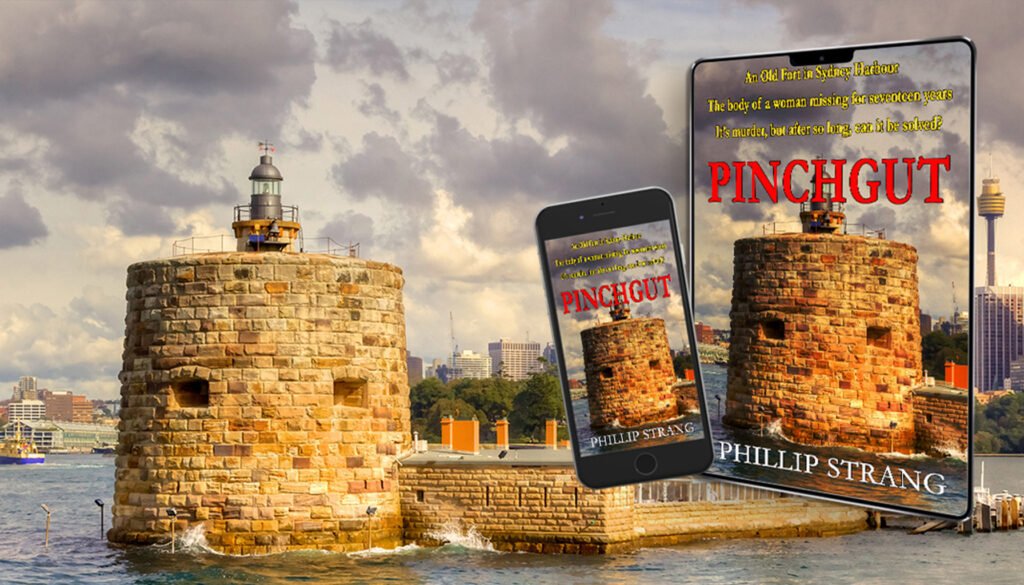
pinchgut | best-selling heist crime novels 2025 | Pinchgut - Professional book cover design and strategic marketing for crime thriller novels
Crime Fiction Writing – Guides on Plotting, Suspense & Character

Crime Thriller Book Covers: The Ultimate Guide to Design, Marketing, and Reader Engagement

The Double-Edged Sword of Amazon Book Reviews: Impact, Strategy, and Reality Reviews can significantly influence your book’s visibility and sales—but pursuing them comes with rewards and risks. The Uncertain Value of Amazon Reviews As authors navigate the complex ecosystem of online book sales, few questions loom larger than the impact of reviews on our rankings and sales figures. After considerable time invested in soliciting reviews for my novels, including Malika’s Revenge, I’ve developed nuanced perspectives on this crucial aspect of book marketing. The pursuit of reviews represents a genuine conundrum: they appear vital for visibility, yet the process of obtaining them is unpredictable and occasionally counterproductive. My experiences underscore the potential rewards and inherent risks of actively seeking reader feedback. Amazon’s Algorithm: The Black Box of Visibility While Amazon guards the specifics of its ranking algorithms closely, extensive observation and testing suggest that reviews—particularly from verified purchasers and high-ranking reviewers—do influence a book’s visibility in several ways: Potential Algorithmic Benefits of Reviews Enhanced DiscoverabilityBooks with more reviews appear to receive priority in Amazon’s recommendation engine, appearing more frequently in “also bought” and “you might like” suggestions. Improved Search RankingTitles with substantial reviews often rank higher in Amazon’s internal search results, particularly when those reviews contain relevant keywords. Qualification for Promotional ToolsMany of Amazon’s promotional opportunities, including certain advertising options, require a minimum number of reviews (typically at least 15). Influence on Amazon’s Quality MetricsAmazon’s internal quality scoring likely considers reviewing quantity and quality when determining a book’s overall visibility. The “Hall of Fame” Effect My experience with Malika’s Revenge provides a compelling case study. After receiving a 5-star review from an Amazon “Hall of Fame – Top 100 Reviewer,” I observed noticeable changes in the book’s performance: Improved category ranking Increased appearance in “also bought” sections More consistent sales without additional marketing This suggests that Amazon’s algorithm assigns different weights to reviews based on the reviewer’s status within the Amazon ecosystem. A single review from a high-ranking reviewer appears to carry substantially more algorithmic weight than multiple reviews from standard users. The Risk-Reward Balance of Review Solicitation The Unavoidable Uncertainty The fundamental challenge in pursuing reviews lies in their unpredictability. As I discovered with Malika’s Revenge, the same outreach strategy yielded my highest praise (the 5-star Hall of Fame review) and my harshest criticism from a reviewer who objected to the book’s subject matter. This unpredictability creates a genuine dilemma: each review request represents opportunity and risk. Without “prescience” about how a particular reader will respond, every solicitation becomes a calculated gamble. The Psychological Impact of Negative Reviews While discussing the algorithmic impact of reviews, we must acknowledge their psychological effect on potential buyers. The unfortunate reality is that negative reviews often command disproportionate attention: Readers frequently scroll directly to the lowest ratings A single detailed negative review can overshadow multiple positive ones Specific criticisms stick in readers’ minds more than general praise This psychological asymmetry means a single negative review can potentially undermine the marketing value of numerous positive ones, creating a risk-reward calculation that isn’t simply mathematical. Strategic Approaches to Review Solicitation Given these realities, I’ve refined my approach to pursuing reviews through several strategic adjustments: Targeting High-Value Reviewers My current strategy involves researching potential reviewers before sending review copies: Checking reviewer rankings on Amazon to prioritize established reviewers Reviewing past feedback to assess alignment with my book’s style and content Noting genre preferences to avoid sending books to reviewers with clear genre biases While more time-intensive, this targeted approach has yielded better results than broader solicitation efforts. Building Relationships With Compatible Reviewers Repeat reviewers who consistently appreciate your work represent tremendous long-term value. I now dedicate time to: Thanking reviewers personally for thoughtful feedback Offering advance copies of new releases to previous positive reviewers Engaging with reviewer questions or comments when appropriate These relationship-building efforts help develop a core group of reviewers who genuinely appreciate your specific writing style and subject matter. Setting Realistic Expectations The correlation between review counts and sales success isn’t as straightforward as many authors believe. I’ve observed: Some high-ranking books maintain impressive sales with relatively few reviews Others accumulate hundreds of reviews without corresponding commercial success Quality and specificity of reviews often matter more than quantity This reality has helped me focus less on raw review numbers and more on the strategic value of specific types of reviews. Practical Considerations for Review Management Responding to Negative Feedback When inevitably faced with negative reviews, I’ve found the following approach most productive: Avoid public responses unless addressing factual inaccuracies Look for valid criticism that might improve future books Consider the source and whether the feedback represents your target audience Maintain perspective on the subjective nature of literary preferences Universal acclaim is virtually impossible in publishing, as in any creative field. Learning to distinguish between constructive criticism and misaligned reader expectations has been crucial to maintaining motivation and objectivity. The Editorial Review Alternative For authors concerned about the unpredictability of customer reviews, editorial reviews provide a valuable alternative: These formal reviews from recognized sources appear in a dedicated section on the book’s Amazon page They provide credibility without affecting the customer review rating Sources range from traditional publications to specialized book blogs While sometimes requiring payment, they offer controlled professional assessment I’ve found that combining editorial reviews and organic customer reviews provides the most balanced approach to building credibility. The Commercial Reality: Reviews as Business Investment As authors who wish to sell books, we must approach reviews as a commercial consideration rather than a purely artistic one. This perspective requires: Accepting criticism as an inevitable aspect of public creative work Viewing negative reviews as a cost of doing business Recognizing the subjective nature of literary preferences Focusing on target audience satisfaction rather than universal approval This commercial mindset helps maintain emotional equilibrium when faced with inevitable criticism while recognizing the valuable role of reviews in book marketing. The Path Forward: A Balanced Approach Based on my experience with multiple books, including Malika’s Revenge, I’ve adopted a balanced approach to review solicitation that acknowledges both their value and limitations: Continued strategic outreach to high-value

beta reader for authors
Crime Fiction Writing – Guides on Plotting, Suspense & Character

Beta Readers for Authors: A Critical Step in the Publishing Process

The Double-Edged Sword of Amazon Book Reviews: Impact, Strategy, and Reality Reviews can significantly influence your book’s visibility and sales—but pursuing them comes with rewards and risks. The Uncertain Value of Amazon Reviews As authors navigate the complex ecosystem of online book sales, few questions loom larger than the impact of reviews on our rankings and sales figures. After considerable time invested in soliciting reviews for my novels, including Malika’s Revenge, I’ve developed nuanced perspectives on this crucial aspect of book marketing. The pursuit of reviews represents a genuine conundrum: they appear vital for visibility, yet the process of obtaining them is unpredictable and occasionally counterproductive. My experiences underscore the potential rewards and inherent risks of actively seeking reader feedback. Amazon’s Algorithm: The Black Box of Visibility While Amazon guards the specifics of its ranking algorithms closely, extensive observation and testing suggest that reviews—particularly from verified purchasers and high-ranking reviewers—do influence a book’s visibility in several ways: Potential Algorithmic Benefits of Reviews Enhanced DiscoverabilityBooks with more reviews appear to receive priority in Amazon’s recommendation engine, appearing more frequently in “also bought” and “you might like” suggestions. Improved Search RankingTitles with substantial reviews often rank higher in Amazon’s internal search results, particularly when those reviews contain relevant keywords. Qualification for Promotional ToolsMany of Amazon’s promotional opportunities, including certain advertising options, require a minimum number of reviews (typically at least 15). Influence on Amazon’s Quality MetricsAmazon’s internal quality scoring likely considers reviewing quantity and quality when determining a book’s overall visibility. The “Hall of Fame” Effect My experience with Malika’s Revenge provides a compelling case study. After receiving a 5-star review from an Amazon “Hall of Fame – Top 100 Reviewer,” I observed noticeable changes in the book’s performance: Improved category ranking Increased appearance in “also bought” sections More consistent sales without additional marketing This suggests that Amazon’s algorithm assigns different weights to reviews based on the reviewer’s status within the Amazon ecosystem. A single review from a high-ranking reviewer appears to carry substantially more algorithmic weight than multiple reviews from standard users. The Risk-Reward Balance of Review Solicitation The Unavoidable Uncertainty The fundamental challenge in pursuing reviews lies in their unpredictability. As I discovered with Malika’s Revenge, the same outreach strategy yielded my highest praise (the 5-star Hall of Fame review) and my harshest criticism from a reviewer who objected to the book’s subject matter. This unpredictability creates a genuine dilemma: each review request represents opportunity and risk. Without “prescience” about how a particular reader will respond, every solicitation becomes a calculated gamble. The Psychological Impact of Negative Reviews While discussing the algorithmic impact of reviews, we must acknowledge their psychological effect on potential buyers. The unfortunate reality is that negative reviews often command disproportionate attention: Readers frequently scroll directly to the lowest ratings A single detailed negative review can overshadow multiple positive ones Specific criticisms stick in readers’ minds more than general praise This psychological asymmetry means a single negative review can potentially undermine the marketing value of numerous positive ones, creating a risk-reward calculation that isn’t simply mathematical. Strategic Approaches to Review Solicitation Given these realities, I’ve refined my approach to pursuing reviews through several strategic adjustments: Targeting High-Value Reviewers My current strategy involves researching potential reviewers before sending review copies: Checking reviewer rankings on Amazon to prioritize established reviewers Reviewing past feedback to assess alignment with my book’s style and content Noting genre preferences to avoid sending books to reviewers with clear genre biases While more time-intensive, this targeted approach has yielded better results than broader solicitation efforts. Building Relationships With Compatible Reviewers Repeat reviewers who consistently appreciate your work represent tremendous long-term value. I now dedicate time to: Thanking reviewers personally for thoughtful feedback Offering advance copies of new releases to previous positive reviewers Engaging with reviewer questions or comments when appropriate These relationship-building efforts help develop a core group of reviewers who genuinely appreciate your specific writing style and subject matter. Setting Realistic Expectations The correlation between review counts and sales success isn’t as straightforward as many authors believe. I’ve observed: Some high-ranking books maintain impressive sales with relatively few reviews Others accumulate hundreds of reviews without corresponding commercial success Quality and specificity of reviews often matter more than quantity This reality has helped me focus less on raw review numbers and more on the strategic value of specific types of reviews. Practical Considerations for Review Management Responding to Negative Feedback When inevitably faced with negative reviews, I’ve found the following approach most productive: Avoid public responses unless addressing factual inaccuracies Look for valid criticism that might improve future books Consider the source and whether the feedback represents your target audience Maintain perspective on the subjective nature of literary preferences Universal acclaim is virtually impossible in publishing, as in any creative field. Learning to distinguish between constructive criticism and misaligned reader expectations has been crucial to maintaining motivation and objectivity. The Editorial Review Alternative For authors concerned about the unpredictability of customer reviews, editorial reviews provide a valuable alternative: These formal reviews from recognized sources appear in a dedicated section on the book’s Amazon page They provide credibility without affecting the customer review rating Sources range from traditional publications to specialized book blogs While sometimes requiring payment, they offer controlled professional assessment I’ve found that combining editorial reviews and organic customer reviews provides the most balanced approach to building credibility. The Commercial Reality: Reviews as Business Investment As authors who wish to sell books, we must approach reviews as a commercial consideration rather than a purely artistic one. This perspective requires: Accepting criticism as an inevitable aspect of public creative work Viewing negative reviews as a cost of doing business Recognizing the subjective nature of literary preferences Focusing on target audience satisfaction rather than universal approval This commercial mindset helps maintain emotional equilibrium when faced with inevitable criticism while recognizing the valuable role of reviews in book marketing. The Path Forward: A Balanced Approach Based on my experience with multiple books, including Malika’s Revenge, I’ve adopted a balanced approach to review solicitation that acknowledges both their value and limitations: Continued strategic outreach to high-value

HTML Snippets Powered By : XYZScripts.com
Scroll to Top