
Crime fiction carries a unique responsibility among literary genres—it must entertain while holding up a mirror to society’s darkest impulses and systemic failures. The question isn’t whether crime writers should engage with social issues, but how to do so without turning compelling narratives into heavy-handed lectures. The most effective social commentary in crime fiction emerges organically from character motivations and authentic criminal scenarios.
Across eighteen series and more than 150 novels, I’ve found that meaningful social commentary works best when it’s woven into the fabric of the investigation itself, not applied as surface decoration. Readers come for the mystery, the chase, the resolution—but they remember the books that make them think differently about the world around them.
Commentary Through Character Consequence
The most powerful social commentary in crime fiction emerges from showing how societal problems directly impact your characters’ lives and choices. Rather than having detectives pontificate about inequality, demonstrate how economic desperation drives a mother to commit insurance fraud, or how institutional racism affects which cases receive proper resources. In my Maya Thorne series, the isolation and economic pressures of outback Australia aren’t background scenery—they’re driving forces that shape both criminal behavior and investigative limitations.
Characters become vehicles for commentary when their personal stakes connect to larger issues. A detective struggling with PTSD from military service can illuminate veteran care failures without a single expository paragraph about government policy. The key is making the social issue personal and immediate, not abstract. When commentary flows from character necessity rather than author agenda, readers engage with the ideas because they’re invested in the people.
The Criminal as Social Mirror
Criminals in well-crafted crime fiction reflect societal fractures and institutional failures. The most memorable antagonists aren’t pure evil—they’re products of circumstances that reveal uncomfortable truths about the world we’ve created. Corporate executives who manipulate regulatory loopholes, police officers who abuse their authority, or politicians who exploit public trust all serve as mirrors reflecting real-world corruption and systemic breakdown.
This approach requires understanding your criminal’s background and motivations beyond their immediate crimes. What social pressures shaped them? Which institutions failed them or enabled their behavior? In my DCI Isaac Cook series, London’s class divisions and economic pressures frequently drive criminal behavior, but these factors emerge through character backstory and investigation details rather than authorial commentary.
The challenge is maintaining the criminal’s agency while acknowledging societal influences. Explanation isn’t excuse—understanding how social factors contribute to criminal behavior doesn’t absolve responsibility, but it can illuminate prevention and systemic change.
My Working Approach to Embedded Commentary
When I’m developing a novel, I start with the crime and work outward to discover what social issues naturally connect to the criminal scenario. If I’m writing about financial fraud, questions of economic inequality and regulatory capture emerge organically. Human trafficking cases reveal immigration policy failures and labor exploitation. The crime itself suggests the commentary rather than forcing predetermined messages into inappropriate plots.
I keep three questions in mind during development: What social conditions enabled this crime? Which institutional responses succeed or fail? How do these larger issues affect individual characters’ choices and outcomes? The answers to these questions become plot elements, character motivations, and investigative obstacles—not speeches or internal monologues about social problems.
The key is trusting readers to draw their own conclusions from well-presented evidence. Show the consequences of underfunded mental health services through a perpetrator’s history, don’t explain why mental health funding matters. Let the investigation reveal how wealth inequality affects access to justice rather than having characters discuss economic theory. Character-driven narratives carry social commentary more effectively than exposition ever could.
Avoiding Common Commentary Pitfalls
The most destructive mistake is allowing commentary to overwhelm story momentum. When characters stop acting like real people and start functioning as authorial mouthpieces, readers disengage from both the message and the narrative. A detective who delivers perfectly articulated speeches about police reform sounds less like a working cop and more like an editorial writer. Real commentary emerges from authentic character responses to genuine situations.
Another frequent error is oversimplifying complex issues for narrative convenience. Making all corporations evil or all government officials corrupt might serve plot needs, but it undermines credible social commentary. The most effective crime fiction acknowledges complexity—good people working within flawed systems, well-intentioned policies with unintended consequences, ethical dilemmas without clear solutions.
Preaching disguised as dialogue kills both character development and message effectiveness. When characters exist primarily to express particular viewpoints rather than pursue individual goals, the social commentary becomes transparent manipulation. Readers resist being lectured, but they’ll engage thoughtfully with ideas presented through authentic character experience and genuine investigative discovery.
Balancing Entertainment with Purpose
Crime fiction’s entertainment value amplifies rather than diminishes its capacity for social commentary. Readers who might avoid overtly political books will engage with challenging ideas when they’re embedded in compelling mysteries. The genre’s broad appeal creates opportunities to reach audiences across political and social divides with nuanced perspectives on difficult issues.
The balance comes from remembering that story serves commentary, not the reverse. Plot momentum, character development, and mystery resolution remain primary objectives. Social commentary enhances these elements when it emerges naturally from investigative logic and character necessity. In my DI Sarah Lynch series, Highland community dynamics and economic pressures inform both criminal behavior and investigative challenges without overwhelming the procedural elements that drive reader engagement.
Effective crime fiction creates space for readers to consider social issues without demanding particular conclusions. Present evidence through character experience, institutional response, and investigative outcome. Let readers draw their own inferences about systemic problems and potential solutions. The goal isn’t converting readers to specific political positions but encouraging deeper thought about complex social realities.
Conclusion
Crime fiction succeeds as social commentary when it illuminates rather than lectures, when it shows consequences rather than explains problems, and when it trusts readers to engage thoughtfully with complex issues. The genre’s unique position between entertainment and social mirror creates unparalleled opportunities for meaningful cultural conversation through compelling storytelling.
About Phillip Strang
Phillip Strang is an Australian crime and thriller novelist. Across eighteen series and more than 150 novels, his work spans London police procedurals (DCI Isaac Cook), UK investigations (DI Tremayne), Australian outback crime (Maya Thorne), FBI thrillers (Alex Harlan), Scottish Highland mysteries (DI Sarah Lynch), and espionage (Steve Case). Learn more about Phillip or browse his complete catalogue on Amazon.
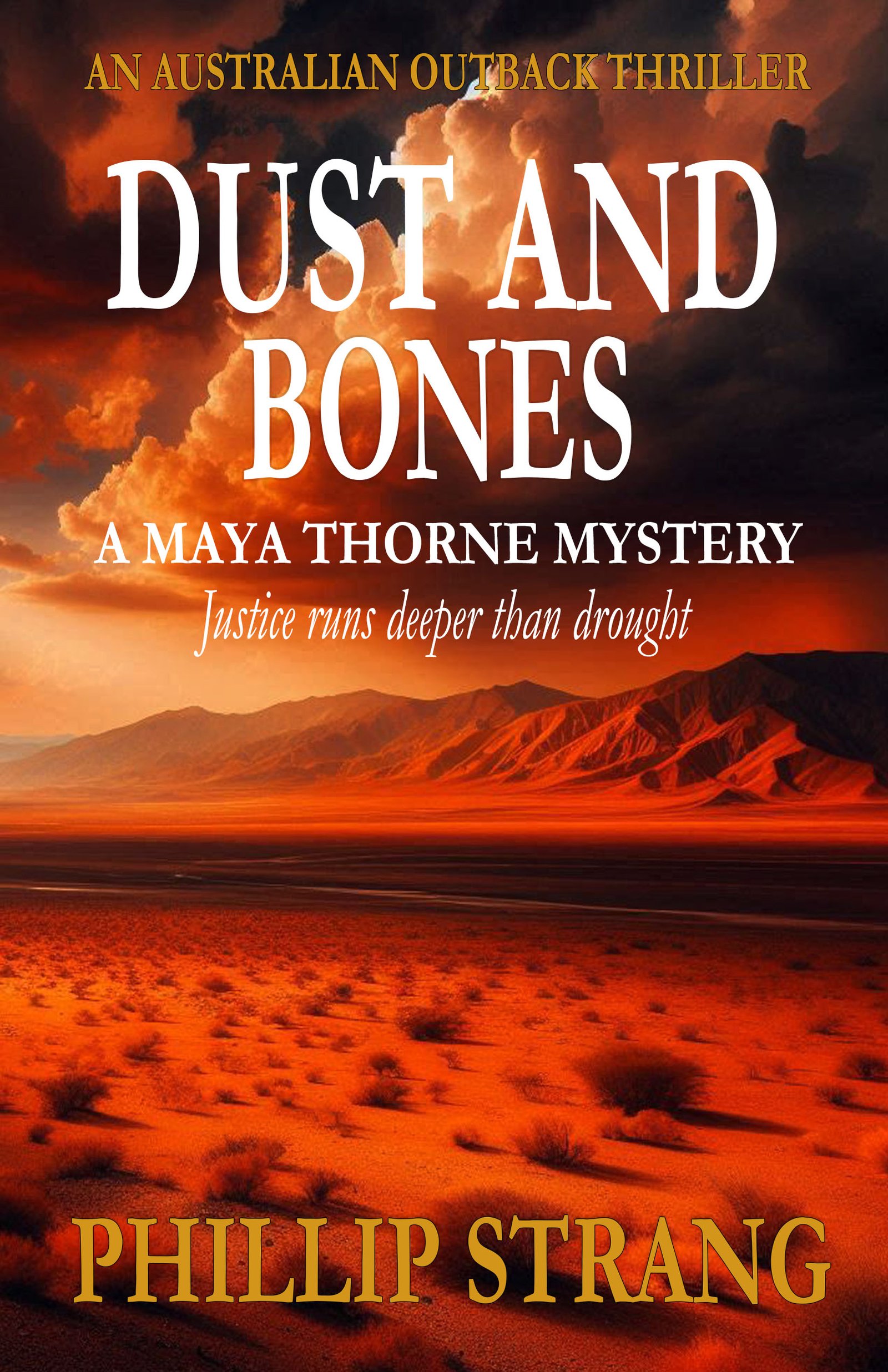
A MAYA THORNE MYSTERY
Get Dust and Bones Free
Justice runs deeper than drought.
Red dust. Shallow graves. A detective who hunts killers where the law runs thin and the nearest help is two hundred miles away.
Send Me the BookYou'll also receive occasional new release emails. Unsubscribe anytime. No spam, ever.
As an Amazon Associate, Phillip Strang earns from qualifying purchases. This page contains affiliate links — buying through them costs you nothing extra.