
The psychological thriller lives or dies on its pacing, and the choice between a slow burn approach and sudden lurch technique determines whether your reader stays glued to the page or abandons ship halfway through. Every psychological thriller writer faces this fundamental decision: do you tighten the screws gradually until your protagonist snaps, or do you jolt them with unexpected revelations that shatter their world?
Across eighteen series and more than 150 novels, I have found that the most effective psychological thrillers master both techniques, knowing precisely when to apply each for maximum impact. The key lies not in choosing one approach over the other, but in understanding how each serves different narrative purposes and reader expectations.
The Architecture of Slow Burn Tension
The slow burn psychological thriller operates like a pressure cooker, building tension incrementally through seemingly mundane details that accumulate into something sinister. This approach requires exceptional discipline because you must resist the urge to reveal your hand too early. In my character driven novels, I often employ this technique when the psychological unraveling needs to feel inevitable rather than shocking.
The slow burn works by establishing a baseline of normalcy, then introducing small disruptions that gradually escalate. A phone that rings at odd hours. A neighbor who watches too intently. A partner whose story changes in minor details. Each element alone seems insignificant, but together they create an atmosphere of mounting dread. The reader senses something is wrong long before the protagonist does, creating that delicious tension of wanting to shout warnings at the page.
This technique demands meticulous attention to subtext and implication. Every scene must serve the building tension, even when nothing overtly threatening occurs. The challenge lies in maintaining reader engagement without the payoff of dramatic revelation. You must trust your ability to make the ordinary feel menacing through careful word choice, pacing, and the gradual revelation of information that recontextualizes earlier scenes.
The Strategic Deployment of Sudden Lurch
The sudden lurch technique operates on shock value and immediate disorientation. This approach works by establishing reader expectations, then violently subverting them with revelations that force a complete reevaluation of everything that came before. When executed properly, the sudden lurch creates those moments where readers physically react to the page.
I used this technique extensively in my Steve Case series, where the nature of espionage demands sudden shifts in allegiance and revelation. The lurch works because it mirrors how real psychological trauma often occurs – not as a gradual decline, but as a single moment that splits life into before and after. The key to effective sudden lurch pacing lies in the groundwork. The shock must feel both unexpected and inevitable when viewed in retrospect.
The sudden lurch requires careful setup disguised as misdirection. You plant clues that point in multiple directions, allowing readers to construct reasonable theories that you then demolish with your revelation. This technique fails when the shock feels arbitrary or when insufficient groundwork makes the twist seem pulled from thin air. The best sudden lurches make readers immediately want to reread earlier sections with their new understanding.
How I Actually Approach Psychological Thriller Pacing
When I sit down to map out a psychological thriller, I start by identifying the core psychological journey my protagonist must undergo. This journey determines whether slow burn or sudden lurch better serves the story. If the psychological deterioration mirrors real-world anxiety or paranoia, slow burn usually works better. If the story hinges on shattered assumptions or revealed deceptions, sudden lurch becomes more appropriate.
I typically structure my psychological thrillers with alternating rhythms. Long stretches of slow burn tension punctuated by carefully placed sudden lurches that reset the playing field. In my DI Tremayne investigations, I often use this hybrid approach because police procedurals naturally alternate between methodical investigation and breakthrough moments. The slow burn maintains engagement during investigative scenes, while sudden lurches deliver the revelations that propel the plot forward.
My practical approach involves detailed chapter-by-chapter tension mapping. I track the psychological pressure on my protagonist throughout the narrative, ensuring that slow burn sections maintain forward momentum while sudden lurch moments feel earned rather than manipulative. This requires constant attention to reader psychology – understanding when they need relief, when they crave revelation, and when they can tolerate sustained uncertainty.
Common Mistakes That Destroy Psychological Thriller Pacing
The most frequent error I encounter in psychological thriller pacing involves confusing slow with boring. Writers attempt slow burn but fail to maintain underlying tension, creating sections that drag rather than simmer. True slow burn maintains constant forward pressure even when surface events seem minimal. Every scene must contribute to the building psychological pressure or reveal character information that deepens reader investment.
Another critical mistake occurs when writers deploy sudden lurches without adequate setup. A revelation that the neighbor has been watching the protagonist means nothing if we have not established the neighbor as a meaningful presence in the protagonist’s life. Similarly, writers often undermine their sudden lurches by immediately explaining them, rather than allowing the shock to resonate before providing context.
The pacing killer that destroys many psychological thrillers is inconsistent rhythm without purpose. Writers switch between slow burn and sudden lurch randomly rather than strategically, creating a choppy reading experience that prevents both techniques from achieving their intended effect. Action thriller novels can survive inconsistent pacing better than psychological thrillers because the latter depend entirely on sustained psychological manipulation of the reader.
Matching Technique to Story Purpose
The choice between slow burn and sudden lurch must align with your story’s central question and thematic concerns. Stories exploring gradual psychological deterioration, gaslighting, or creeping paranoia naturally favor slow burn pacing. The technique mirrors the protagonist’s experience, allowing readers to feel the same mounting anxiety and self-doubt.
Sudden lurch pacing serves stories about hidden identities, betrayal, or the revelation of past traumas. These narratives benefit from the shock of discovery and the immediate recalibration of reader understanding. When your story hinges on the gap between appearance and reality, sudden lurches provide the mechanism for closing that gap with maximum impact.
I have found that the most effective psychological thrillers often combine both approaches within a larger structure that favors one over the other. A primarily slow burn thriller might deploy a single, devastating sudden lurch at the climax. Conversely, a sudden lurch thriller might use slow burn techniques in its aftermath to explore the psychological consequences of revelation. The key lies in understanding which technique serves as your primary tool and which provides strategic contrast.
Conclusion
Mastering psychological thriller pacing means understanding that slow burn and sudden lurch are not competing approaches but complementary tools in your narrative arsenal. The best psychological thrillers use both techniques strategically, creating reading experiences that feel both inevitable and surprising, controlled and shocking.
About Phillip Strang
Phillip Strang is an Australian crime and thriller novelist. Across eighteen series and more than 150 novels, his work spans London police procedurals (DCI Isaac Cook), UK investigations (DI Tremayne), Australian outback crime (Maya Thorne), FBI thrillers (Alex Harlan), Scottish Highland mysteries (DI Sarah Lynch), and espionage (Steve Case). Learn more about Phillip or browse his complete catalogue on Amazon.
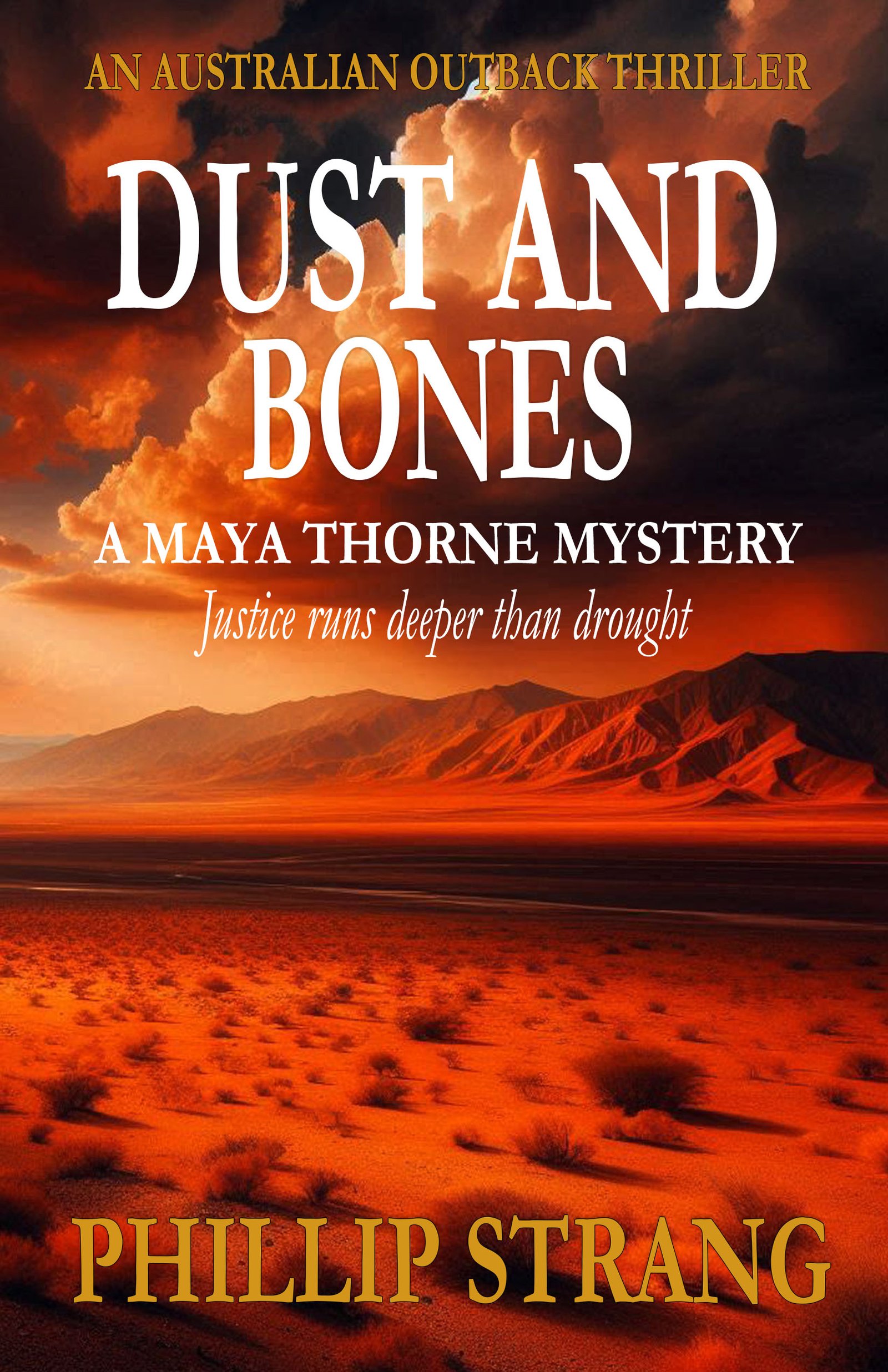
A MAYA THORNE MYSTERY
Get Dust and Bones Free
Justice runs deeper than drought.
Red dust. Shallow graves. A detective who hunts killers where the law runs thin and the nearest help is two hundred miles away.
Send Me the BookYou'll also receive occasional new release emails. Unsubscribe anytime. No spam, ever.
As an Amazon Associate, Phillip Strang earns from qualifying purchases. This page contains affiliate links — buying through them costs you nothing extra.