
The interrogation scene remains crime fiction’s ultimate test of narrative craftsmanship—where amateur writers reveal their weaknesses and masters demonstrate why some stories grip while others merely recite.
Every crime novel lives or dies by its interrogation scenes. These pressure-cooker moments demand perfect orchestration of pacing, tension, and power dynamics—elements that separate competent procedurals from genuinely compelling crime fiction. Too many writers treat interrogation as mere plot delivery, missing its potential as character revelation and psychological warfare. The finest crime authors understand that interrogation scenes are theatrical performances where every gesture, pause, and tactical shift carries weight.
The Anatomy of Masterful Interrogation
The interrogation scene functions as crime fiction’s equivalent of the duel—a ritualized combat where intellect replaces sword work and psychological pressure substitutes for physical force. The most effective interrogation scenes operate on multiple levels simultaneously: advancing plot, revealing character, and creating that peculiar tension that keeps readers turning pages well past midnight.
Pacing becomes crucial because real interrogations unfold through rhythm—the strategic deployment of silence, the careful escalation of pressure, the tactical retreat that lulls before the decisive strike. Amateur writers rush through these scenes, eager to extract information and move forward. Masters understand that the extraction itself is less important than the psychological archaeology it reveals.
Power Dynamics: The Invisible Chess Game
Every interrogation scene contains at least two parallel narratives: the surface conversation and the underlying power struggle. The suspect may appear cooperative while subtly controlling information flow. The detective may seem patient while methodically constructing psychological traps. Readers engage not just with what characters say, but with what they’re really doing to each other.
The physical environment becomes a character itself—harsh lighting, uncomfortable chairs, the strategic placement of files and photographs. These details aren’t mere scene-setting; they’re tools of psychological pressure that skilled writers deploy with surgical precision.
Character Through Conflict
Interrogation scenes reveal character more efficiently than chapters of exposition. How does the detective handle frustration when lies multiply? How does the suspect’s mask slip under sustained pressure? These moments of crisis strip away pretense and expose the psychological bedrock upon which characters are built.
The finest interrogation scenes create what might be called “productive ambiguity”—moments where readers aren’t entirely certain who holds the upper hand. This uncertainty generates the specific type of tension that defines superior crime fiction, where outcomes remain genuinely unpredictable despite careful plotting.
Essential Reading for Interrogation Craft
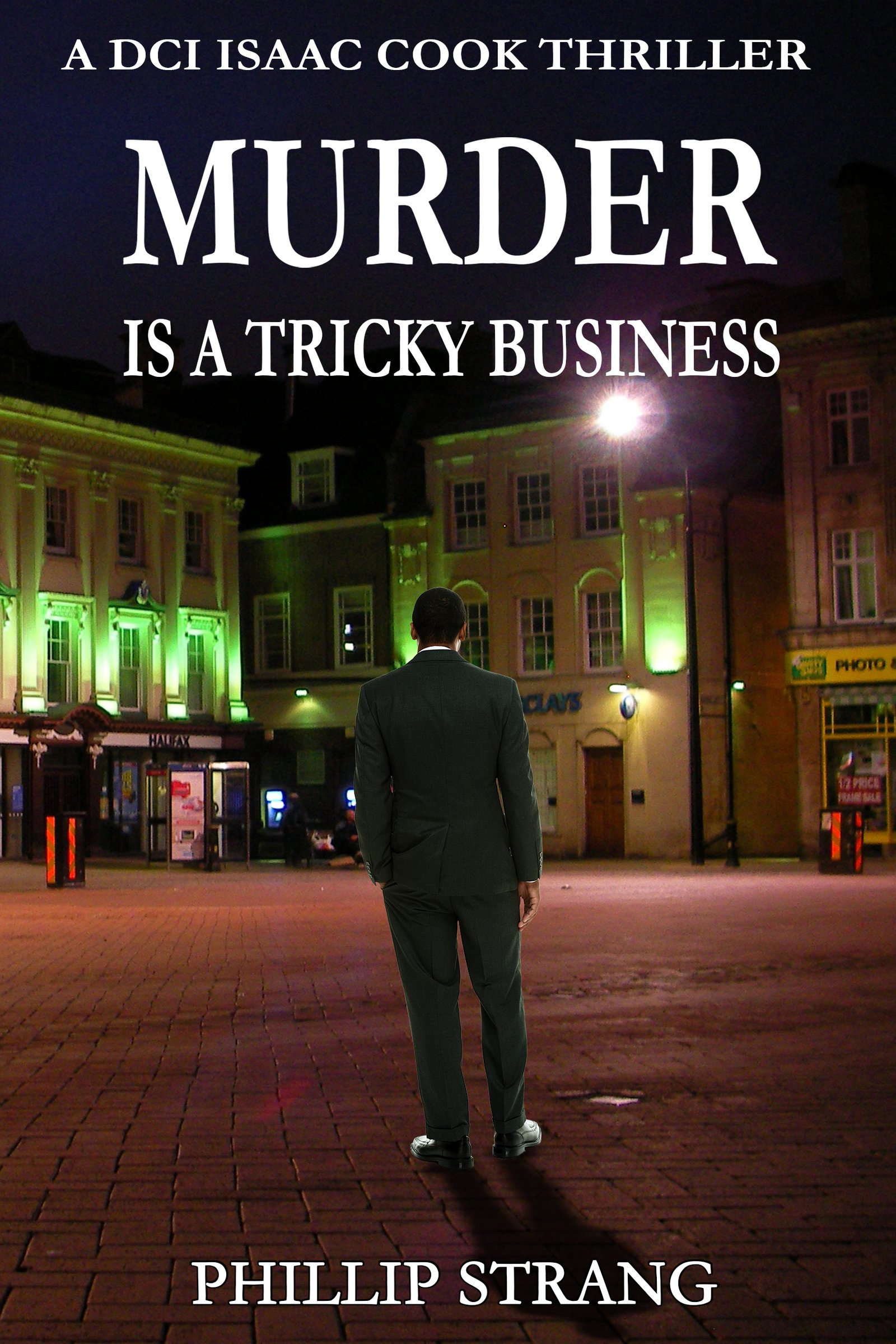
DCI Isaac Cook Series — Phillip Strang
London’s grittiest detective series showcases interrogation as psychological warfare. Nineteen books of masterfully crafted confrontations between hunter and hunted.
The Technical Elements That Matter
Successful interrogation scenes require careful attention to several technical elements that amateur writers often overlook. Dialogue must sound natural while serving multiple narrative functions. Each exchange should either advance the investigation, reveal character, or escalate tension—preferably all three simultaneously.
The management of information becomes crucial. Readers need enough knowledge to follow the tactical maneuvering without being ahead of the detective or behind the action. This balance requires precise calibration of revelation and withholding—too much information kills suspense, too little frustrates readers.
Time pressure often drives the most effective interrogation scenes. Whether it’s a ticking clock scenario or the subtle pressure of procedural deadlines, temporal constraints force characters into decisive action and prevent scenes from becoming static exchanges of information.
The Psychology of Revelation
The moment of breakthrough—when defenses crumble and truth emerges—represents the interrogation scene’s climactic moment. But this revelation must feel earned rather than convenient, arising organically from the psychological pressure that’s been carefully constructed throughout the scene.
The aftermath matters as much as the breakthrough itself. How do characters react to revelation? How does the power dynamic shift once truth emerges? These moments often provide the most compelling character development, as masks fall away and authentic personalities emerge.
Why These Scenes Define Great Crime Fiction
Interrogation scenes concentrate everything that makes crime fiction compelling: psychological insight, moral complexity, and the fundamental human fascination with truth and deception. They force writers to demonstrate their understanding of human nature under extreme pressure.
The best crime writers use interrogation not just to solve mysteries but to explore larger questions about justice, guilt, and the lengths people will go to protect themselves or others. These scenes become microcosms of the broader themes that elevate crime fiction from mere puzzle-solving to genuine literary achievement.
Master Interrogation Scenes
Crime fiction’s most compelling interrogation scenes balance psychological warfare with genuine character development. Study how master craftsmen deploy these techniques across multiple series and styles.
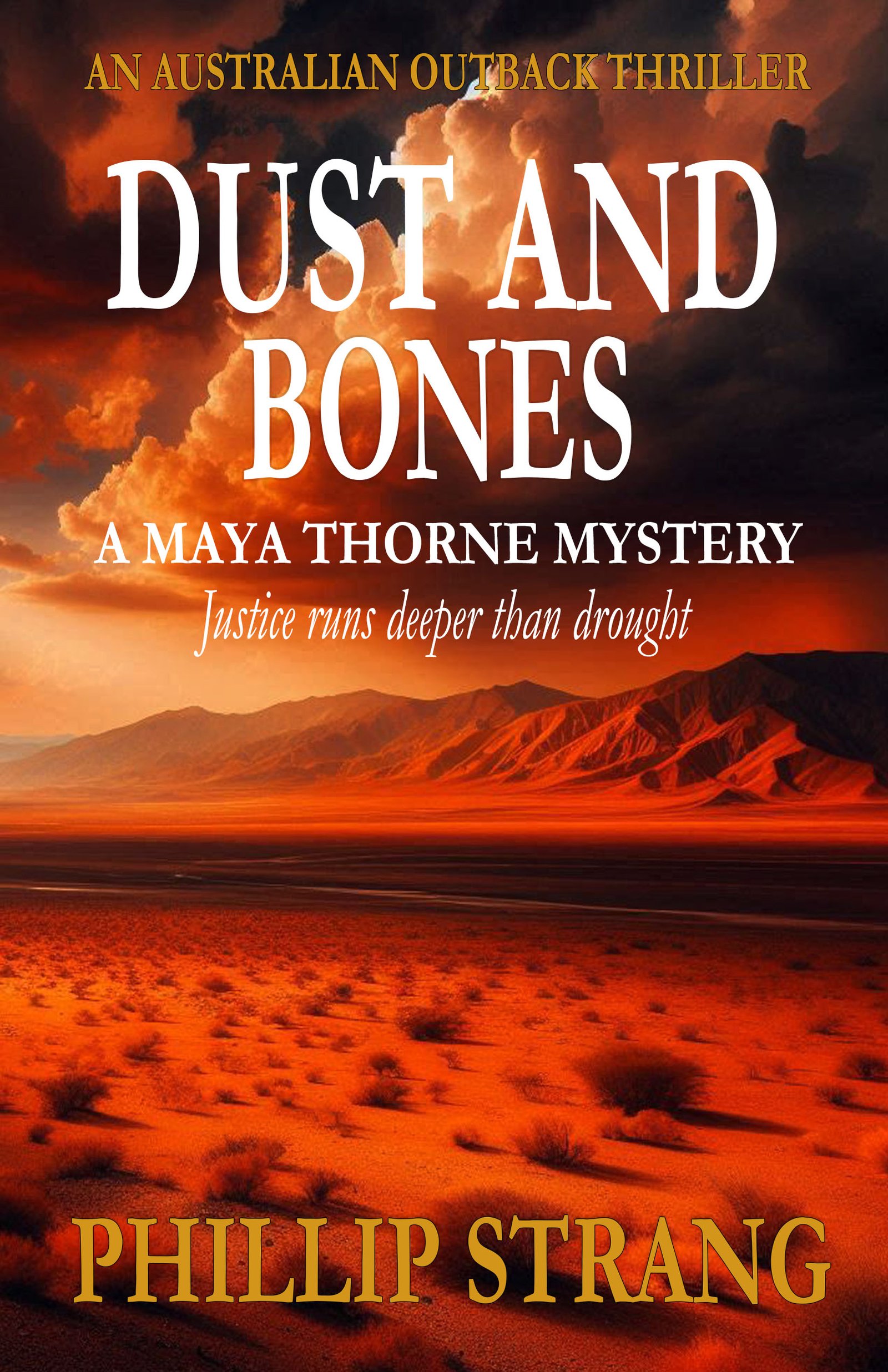
A MAYA THORNE MYSTERY
Get Dust and Bones Free
Justice runs deeper than drought.
Red dust. Shallow graves. A detective who hunts killers where the law runs thin and the nearest help is two hundred miles away.
Send Me the BookYou'll also receive occasional new release emails. Unsubscribe anytime. No spam, ever.