
The choice between crafting a standalone thriller and developing a series novel fundamentally alters every structural decision you make as a writer. These aren’t merely different approaches to the same goal—they demand entirely different architectural thinking about character development, plot resolution, and reader engagement.
Across eighteen series and more than 150 novels, I’ve found that authors who treat these formats as interchangeable inevitably compromise both the immediate impact of their story and their long-term career strategy. The structural DNA of each format serves distinct purposes, and understanding these differences determines whether your book delivers the satisfaction readers expect.
Character Arc Completeness: The Fundamental Divide
In a standalone thriller, your protagonist must undergo a complete transformative journey within a single volume. Every emotional wound opened in chapter one demands resolution by the final page. This creates intense pressure on your character development—you have perhaps 80,000 words to establish who they are, shatter their world, and rebuild them into someone fundamentally changed. The character arc must feel both inevitable and surprising, requiring surgical precision in how you layer their backstory and motivations.
Series novels operate on entirely different principles. When I developed DCI Isaac Cook for my London police procedurals, I deliberately left aspects of his personality unexplored in the first book. His relationship with his daughter, his complicated feelings about policing in modern London, his private fears about aging—these elements unfold across multiple books. The first novel establishes his core competencies and fundamental worldview, but subsequent books can explore the contradictions and depths that make him human. This approach allows for character development that mirrors real human complexity, where people reveal new facets of themselves over years rather than months.
The mistake many series writers make is front-loading too much character development in book one. Your protagonist should be compelling immediately, but they don’t need to be complete. Save some mystery, some rough edges, some unresolved pain for later books. Conversely, standalone thriller writers often leave character threads dangling, assuming readers will simply accept incomplete emotional journeys because the plot reaches resolution.
Plot Resolution and the Promise Contract
Every thriller makes an implicit promise to its readers about what kind of resolution they’ll receive. Standalone thrillers promise comprehensive closure—the villain defeated, the mystery solved, the world restored to a new equilibrium. This creates enormous pressure on your climax and denouement. You cannot afford loose ends or ambiguous outcomes because you’ll never have another opportunity to address them.
Series novels can distribute their resolutions across multiple layers. The immediate case or threat must reach satisfying conclusion, but larger thematic questions, ongoing character relationships, and institutional problems can persist. In my police procedural novels, each book solves its central crime while contributing to ongoing narratives about corruption, political pressure, and personal relationships that span the entire series.
This structural difference affects how you construct your mysteries. Standalone thrillers benefit from intricate, puzzle-like plots where every clue serves the singular resolution. Series novels can afford red herrings and subplots that don’t immediately pay off, because they contribute to the larger tapestry you’re weaving across multiple books. However, this freedom comes with responsibility—readers will abandon a series if they feel you’re deliberately withholding resolution to force them into purchasing subsequent volumes.
Pacing Rhythms: Sprint vs Marathon
The pacing requirements for standalone thrillers and series novels reflect their different narrative promises. Standalone thrillers must accelerate relentlessly toward their climax, building tension without relief until the final confrontation. Every chapter should increase the stakes, narrow the protagonist’s options, or reveal information that changes everything. There’s no time for leisurely character exploration or tangential subplots—every element must serve the central narrative drive.
Series novels require more varied pacing rhythms. Readers expect moments of deceleration where they can absorb character development, explore the series setting, and understand the broader world you’re building. When I write my Australian outback crime novels featuring Maya Thorne, I deliberately include scenes that establish the harsh beauty of the landscape and the isolation of the communities, even when these moments don’t directly advance the immediate plot. These sequences serve the series by deepening the reader’s investment in the setting and characters they’ll encounter across multiple books.
The challenge in series pacing lies in balancing immediate satisfaction with long-term engagement. Each book must feel complete while contributing to larger narrative movements. This often means structuring your novels with rising and falling action that serves both the individual story and the series arc—a technically demanding approach that requires careful planning across multiple volumes.
My Working Approach: Structure Before Story
When I begin a new project, the standalone versus series decision determines every structural choice that follows. For standalone thrillers, I work backward from the climax, ensuring every scene contributes to that singular moment of resolution. I create detailed character maps showing exactly how each personality trait established in early chapters will be tested and transformed by the story’s conclusion.
For series novels, I develop what I call narrative architecture—a multi-book outline that identifies which character development beats, thematic explorations, and plot threads belong in which volumes. Before writing the first book in my action thriller novels featuring Steve Case, I mapped out relationship dynamics and character revelations across at least five books. This prevents the common series problem of writing yourself into corners or repeating character development patterns.
I also approach dialogue differently in each format. Standalone thriller dialogue must be efficient, revealing character while advancing plot with every exchange. Series dialogue can afford moments of pure characterization—conversations that exist primarily to deepen reader understanding of recurring characters rather than to move the immediate story forward.
Common Structural Mistakes That Kill Momentum
The most frequent error I observe in standalone thrillers is the false ending—writers who resolve their central conflict with thirty pages remaining, then manufacture additional complications to reach their target word count. This destroys narrative momentum because readers recognize when a story has naturally concluded. If your climax occurs too early, the problem lies in your story structure, not your page count.
Series novels often suffer from the opposite problem: writers who mistake setup for storytelling. Spending entire chapters introducing characters or explaining backstory that won’t become relevant until future books tests reader patience unnecessarily. Each series novel must function as a complete reading experience while contributing to larger narratives. When developing my espionage thrillers, I learned to weave series elements seamlessly into immediate plot developments rather than treating them as separate concerns.
Another critical mistake involves misunderstanding reader investment timeframes. Standalone thriller readers commit to a single story—they want intense, focused satisfaction within that volume. Series readers make a different commitment, accepting delayed gratification in exchange for deeper character development and more complex storytelling. Writers who confuse these expectations create books that satisfy neither audience effectively.
Conclusion
The structural differences between standalone thrillers and series novels aren’t merely technical considerations—they represent fundamentally different approaches to storytelling that serve distinct reader needs. Understanding these differences allows you to make deliberate choices about character development, plot resolution, and pacing that honor the format you’ve chosen and deliver the satisfaction your readers expect.
About Phillip Strang
Phillip Strang is an Australian crime and thriller novelist. Across eighteen series and more than 150 novels, his work spans London police procedurals (DCI Isaac Cook), UK investigations (DI Tremayne), Australian outback crime (Maya Thorne), FBI thrillers (Alex Harlan), Scottish Highland mysteries (DI Sarah Lynch), and espionage (Steve Case). Learn more about Phillip or browse his complete catalogue on Amazon.
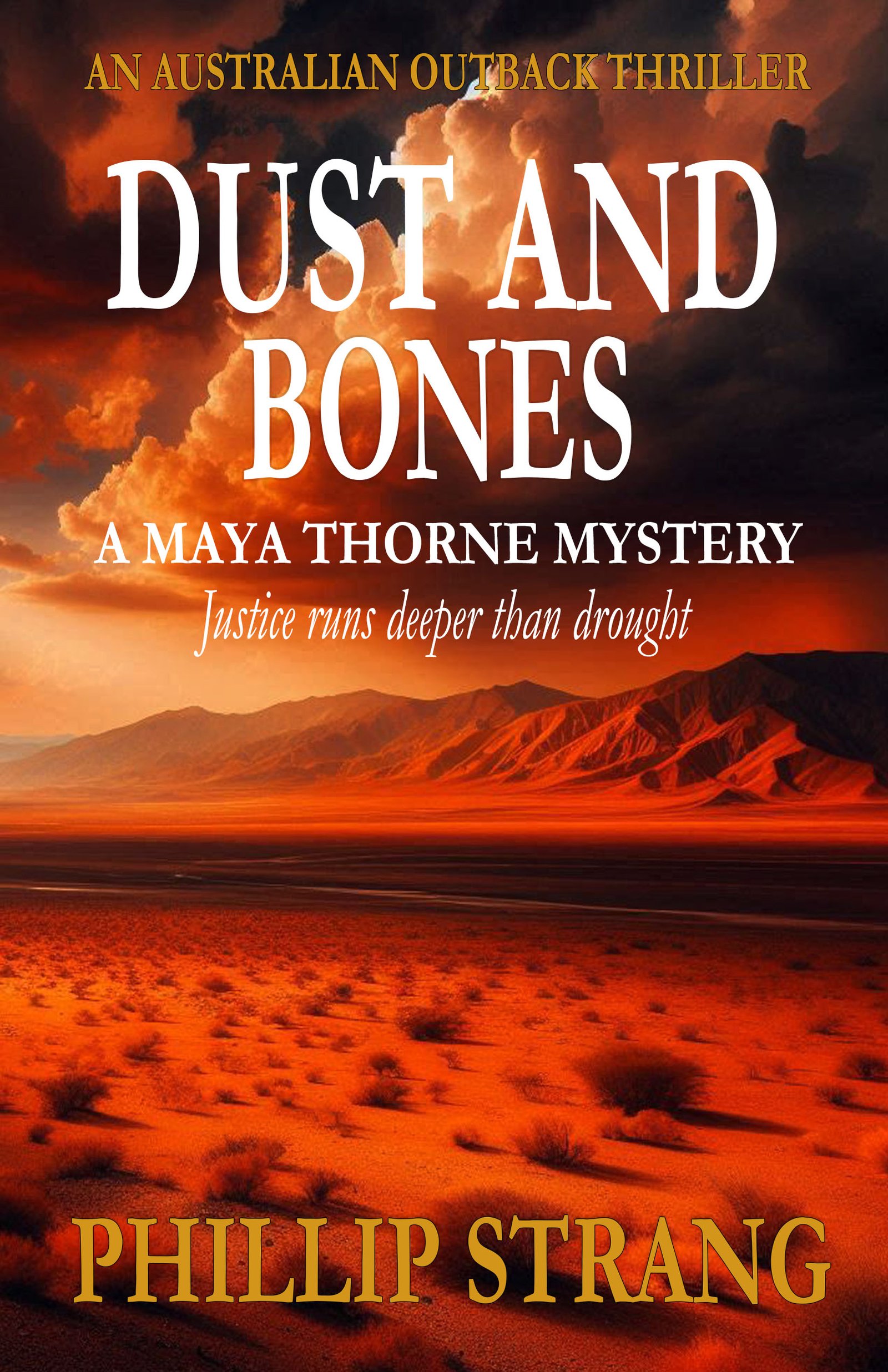
A MAYA THORNE MYSTERY
Get Dust and Bones Free
Justice runs deeper than drought.
Red dust. Shallow graves. A detective who hunts killers where the law runs thin and the nearest help is two hundred miles away.
Send Me the BookYou'll also receive occasional new release emails. Unsubscribe anytime. No spam, ever.
As an Amazon Associate, Phillip Strang earns from qualifying purchases. This page contains affiliate links — buying through them costs you nothing extra.