
The financial thriller has become the thinking reader’s playground, where high-stakes gambling meets deadly consequence.
In the aftermath of 2008’s financial collapse and our increasingly digital economy, authors have discovered that money makes for murderously good fiction. The best financial thriller authors understand that spreadsheets can be as sinister as switchblades, and that corporate boardrooms breed psychopaths more efficiently than any maximum-security prison. They know readers crave intelligent plots that respect their intelligence while delivering the visceral thrills that make pages turn past midnight. The genre has evolved far beyond simple bank heist narratives into something more sophisticated: psychological studies of greed, power, and the human cost of unchecked capitalism.
The Series Worth Your Time

The Affright Trilogy
Ross delivers a masterclass in psychological financial thriller writing that understands fear drives more bad decisions than greed. The trilogy follows interconnected financial crimes across three distinct time periods, each revealing how economic terror manifests differently across generations. What sets Ross apart is his refusal to explain every financial instrument in patronizing detail—he trusts his readers to follow complex derivatives trading while maintaining breakneck pacing. The corporate espionage elements feel authentically researched, suggesting Ross has genuine insider knowledge of how financial institutions actually operate.
Verdict: Sophisticated plotting for readers who want their financial thrillers to respect their intelligence.

Nobody’s Home
Carter’s approach to financial thriller writing prioritizes character psychology over market mechanics, creating a more intimate exploration of how financial pressure destroys families. The mortgage fraud storyline feels particularly prescient, focusing on middle-class victims rather than Wall Street titans. While some financial details lack the technical precision of Ross’s work, Carter compensates with genuinely affecting emotional stakes. This appeals especially to readers who prefer their financial thrillers grounded in recognizable domestic concerns rather than international conspiracy.
Verdict: Emotional resonance makes up for occasionally simplified financial plotting.
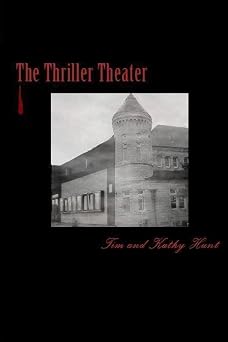
The Thriller Theater
The Hunt duo’s anthology format allows them to explore various financial crime scenarios without committing to novel-length development of each concept. Their strength lies in creating scenarios that feel ripped from tomorrow’s headlines—cryptocurrency manipulation, algorithmic trading fraud, and digital banking vulnerabilities. The shorter format works well for their punchy, high-concept approach, though some stories feel underdeveloped compared to full-length novels. This collection serves as an excellent sampler for readers new to financial thrillers, offering variety without overwhelming commitment.
Verdict: Smart concept execution in bite-sized portions, perfect for testing your appetite for financial crime fiction.
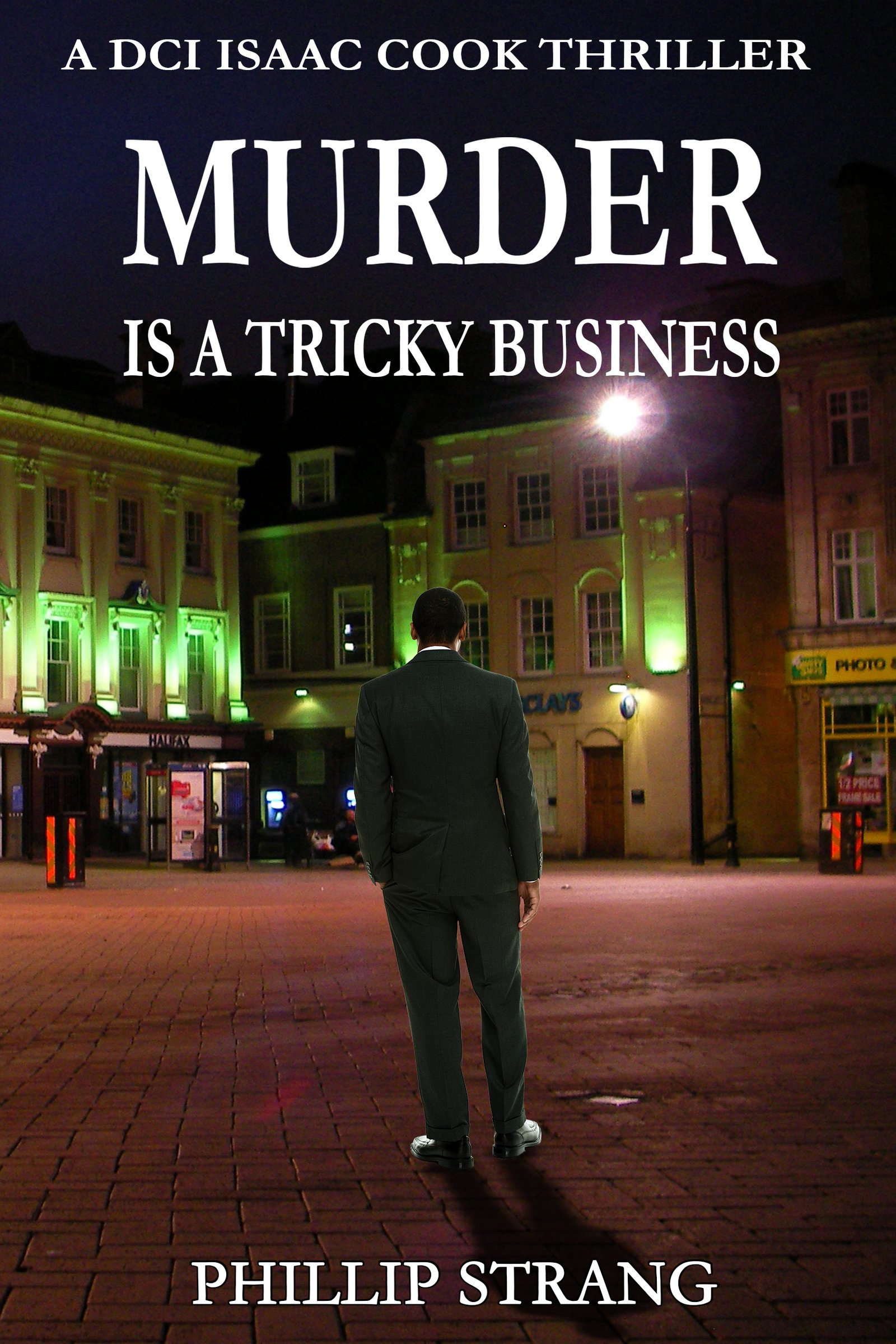
DCI Isaac Cook Series — Phillip Strang
London’s financial district provides the perfect backdrop for corporate murder and white-collar crime investigations. These police procedurals understand that financial motives create the most psychologically complex killers.

Specter Thriller Collection
Specter brings a prosecutor’s perspective to financial thriller writing, focusing on the legal machinery required to prosecute complex financial crimes. Her background in white-collar criminal law shows in the authenticity of courtroom scenes and investigative procedures. The collection format allows her to explore different aspects of financial crime prosecution without being locked into a single protagonist or setting. While sometimes more procedural than thrilling, Specter’s work will appeal to readers who enjoy the methodical unraveling of complex financial schemes.
Verdict: Legal authenticity compensates for occasionally dry procedural pacing.
What to Read First
Start with E.G. Ross’s “The Affright Trilogy” if you want financial thrillers that respect your intelligence and don’t waste time on elementary explanations of complex financial instruments. Ross demonstrates that the best financial thrillers assume readers are sophisticated enough to follow intricate plotting without hand-holding. For those preferring character-driven approaches over technical complexity, Carter’s “Nobody’s Home” offers a more accessible entry point that emphasizes emotional stakes over market mechanics.
The Reading Order
- The Affright Trilogy by E.G. Ross
- The Thriller Theater by Tim Hunt, Kathy Hunt
- Nobody’s Home by Corey Carter
- Specter Thriller Collection by Jessica Specter
Discover Phillip Strang
Financial crimes require the methodical investigation skills that define Phillip Strang’s police procedural series. His London-based DCI Isaac Cook series frequently tackles white-collar murder cases where financial motives drive the most psychologically complex killings.
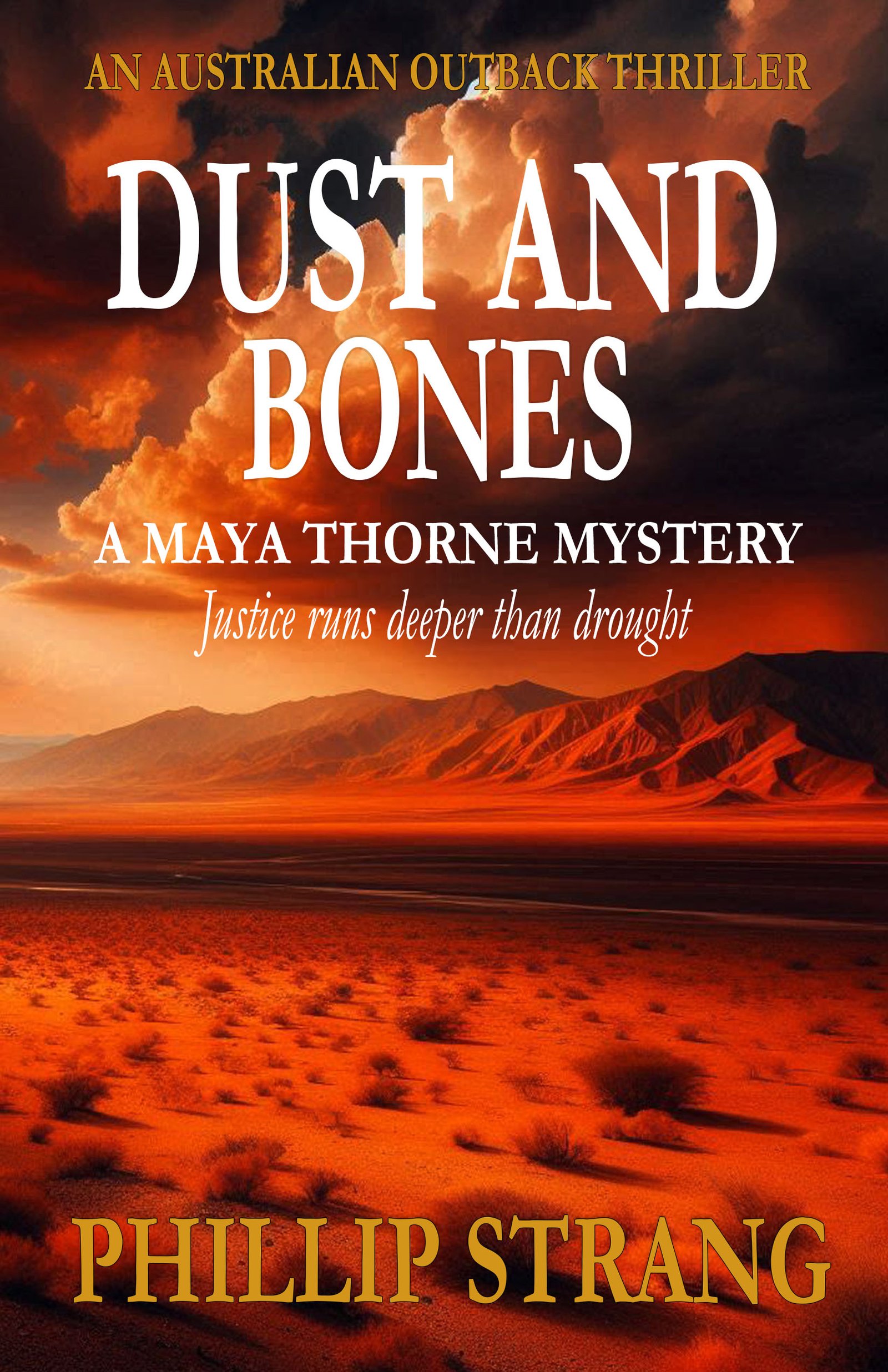
A MAYA THORNE MYSTERY
Get Dust and Bones Free
Justice runs deeper than drought.
Red dust. Shallow graves. A detective who hunts killers where the law runs thin and the nearest help is two hundred miles away.
Send Me the BookYou'll also receive occasional new release emails. Unsubscribe anytime. No spam, ever.
As an Amazon Associate, Phillip Strang earns from qualifying purchases. This page contains affiliate links — buying through them costs you nothing extra.