
The tension between authentic procedural detail and readable narrative sits at the heart of every crime novel. Too little research and your detective’s methods feel implausible; too much and you’ve written a police manual disguised as fiction.
Across eighteen series and more than 150 novels, I’ve found that the sweet spot lies not in finding the perfect balance, but in understanding when to lean heavily into technical detail and when to step back and let character drive the scene. The key is recognizing that procedural authenticity serves story, never the reverse.
The Reader’s Tolerance Threshold
Readers of crime fiction possess a peculiar appetite for detail that varies dramatically by subgenre and expectation. In my DCI Isaac Cook series, readers expect the methodical unraveling of evidence, the careful documentation of witness statements, and the bureaucratic friction that defines modern policing. They’ve signed up for procedure because it creates the framework within which brilliant deduction becomes believable.
But even dedicated procedural readers have limits. I’ve learned that three paragraphs of forensic analysis will hold attention where five will lose it. The difference isn’t arbitrary—it’s the point where technical exposition overwhelms character motivation. When your detective stops being a person solving a puzzle and becomes a textbook explaining methodology, you’ve crossed the line.
The most successful police procedural novels understand this instinctively. They front-load character investment before diving into process, ensuring readers care about outcomes before they’re asked to follow detailed methodology.
How I Actually Research and Apply Detail
My research process begins with understanding what the scene needs to accomplish beyond mere accuracy. When DCI Cook processes a crime scene, I’m not just showing proper evidence handling—I’m revealing his methodical nature, his respect for victims, and his frustration with institutional limitations. The procedural detail becomes characterization.
I maintain contact with serving and retired police officers across multiple jurisdictions, but I don’t transcribe their explanations wholesale. Instead, I extract the elements that serve narrative tension. The seventeen-step process for securing digital evidence becomes the moment when my detective realizes the killer understood police methodology well enough to exploit it.
For my Steve Case espionage novels, I research tradecraft extensively but deploy it selectively. Readers don’t need to understand every aspect of dead drops and surveillance detection; they need to feel the paranoia and precision these techniques create. I might spend hours researching brush passes but use only the detail that conveys the stakes of being observed.
When Detail Becomes Character
The most effective procedural writing occurs when technical accuracy illuminates personality and motivation. In my Maya Thorne series, set in the Australian outback, the harsh landscape demands specific survival knowledge and investigative adaptations. But I don’t include these details as educational asides—they emerge through Maya’s experienced assessment of danger and her practical problem-solving.
Consider how procedural detail can reveal character flaws and strengths. A detective who cuts corners on evidence documentation isn’t just expediting plot—they’re showing impatience or arrogance that might later compromise their case. Another who obsessively follows protocol despite time pressure reveals different character traits entirely.
This approach transforms exposition into discovery. Instead of explaining how ballistics analysis works, show your protagonist’s growing excitement as test results narrow the suspect pool, or their frustration when contaminated evidence yields inconclusive results. The reader absorbs procedural knowledge through emotional investment.
The Mistakes That Kill Momentum
The most common error I see in procedural writing is the information dump disguised as dialogue. Characters don’t naturally explain basic concepts to colleagues who already understand them. When Detective Smith tells Detective Jones how fingerprint classification works, you’re serving the reader’s education at the expense of believable interaction.
Equally damaging is the research show-off syndrome, where writers include every fascinating detail they’ve discovered regardless of narrative relevance. I once spent considerable time learning about blood spatter analysis for a scene, but ultimately used only the single detail that mattered: the pattern indicated the killer was left-handed, contradicting witness testimony.
Another momentum killer is misunderstanding which details create authenticity. Readers rarely verify the technical accuracy of DNA processing timelines, but they immediately notice when character behavior feels artificial. A detective who shows no emotional response to particularly brutal crime scenes loses credibility faster than one who gets minor procedural elements wrong.
Genre Expectations and Reader Contracts
Different crime subgenres establish different contracts with readers regarding procedural density. Espionage thrillers can support more technical detail because readers expect to learn about tradecraft. Cozy mysteries typically minimize forensic procedure in favor of puzzle-solving and character interaction.
Understanding your genre’s expectations helps determine research depth requirements. Police procedurals demand institutional accuracy—hierarchy, jurisdiction, legal constraints. Private investigator novels can take more liberties with methodology but must nail the independence and resource limitations that define the profession.
The key is recognizing that reader patience for detail correlates directly with their investment in outcomes. Build emotional stakes first, then deploy your research. When readers desperately want to know who killed the victim, they’ll follow your protagonist through considerable procedural complexity to find answers.
Conclusion
Effective procedural writing serves story first and education second. Research deeply to understand your world completely, then select only the details that advance character development and plot momentum while maintaining the authenticity your readers expect.
About Phillip Strang
Phillip Strang is an Australian crime and thriller novelist. Across eighteen series and more than 150 novels, his work spans London police procedurals (DCI Isaac Cook), UK investigations (DI Tremayne), Australian outback crime (Maya Thorne), FBI thrillers (Alex Harlan), Scottish Highland mysteries (DI Sarah Lynch), and espionage (Steve Case). Learn more about Phillip or browse his complete catalogue on Amazon.
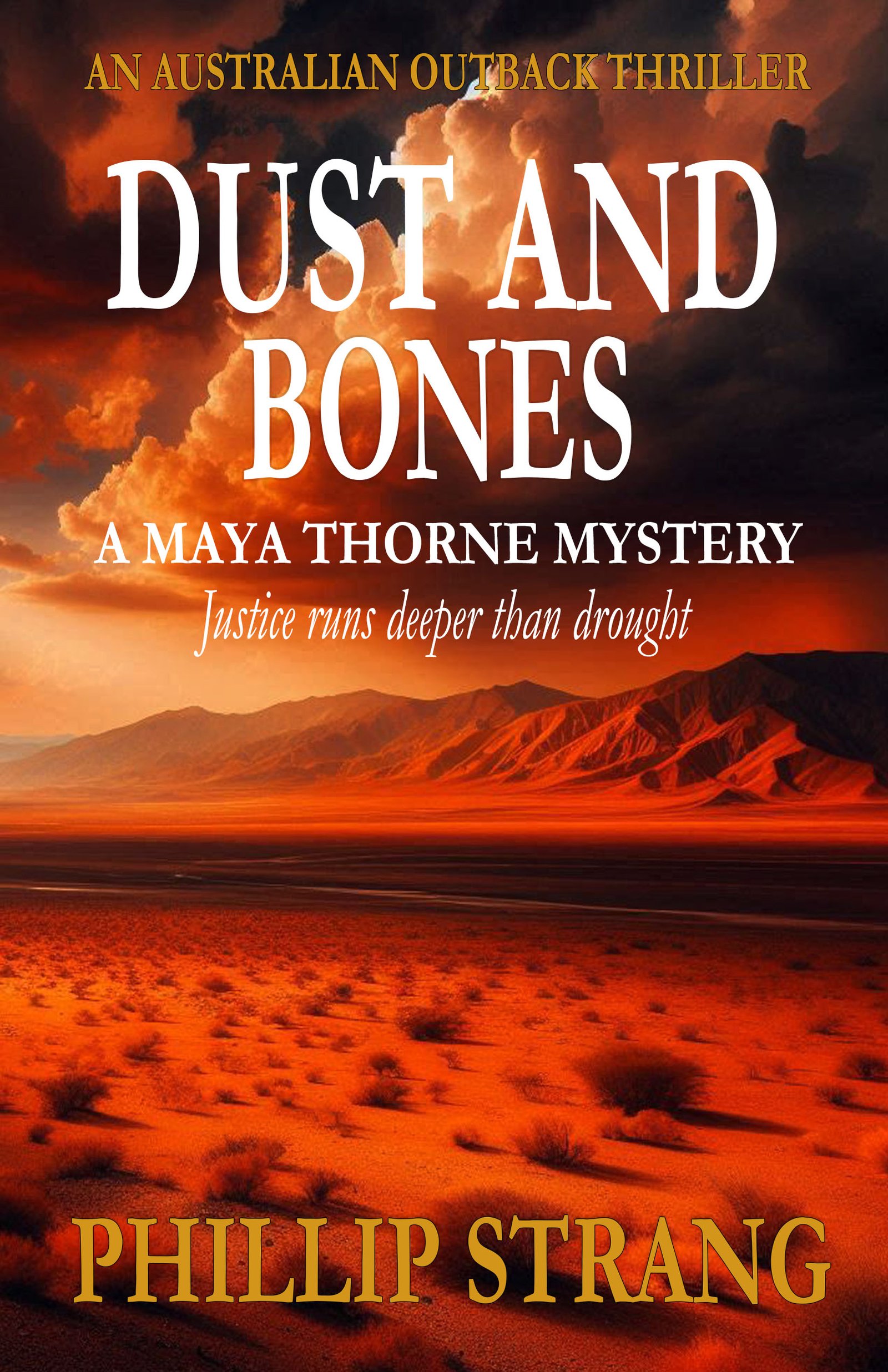
A MAYA THORNE MYSTERY
Get Dust and Bones Free
Justice runs deeper than drought.
Red dust. Shallow graves. A detective who hunts killers where the law runs thin and the nearest help is two hundred miles away.
Send Me the BookYou'll also receive occasional new release emails. Unsubscribe anytime. No spam, ever.
As an Amazon Associate, Phillip Strang earns from qualifying purchases. This page contains affiliate links — buying through them costs you nothing extra.