
The witness in a crime thriller occupies a peculiar narrative space—they know something crucial, yet they exist on the story’s periphery until their moment arrives. These secondary characters who drive plot forward through revelation, obstruction, or misdirection require a delicate balance of visibility and restraint that many writers struggle to achieve.
Across eighteen series and more than 150 novels, I have found that witness characters fail most often when they become either invisible furniture or overwrought scene-stealers. The craft lies in making them memorable enough to matter when their testimony counts, yet grounded enough that readers believe their involvement.
The Architecture of Witness Motivation
Every witness needs a reason to speak and a reason to hesitate. This dual motivation creates the tension that drives scenes forward and gives your secondary character substance beyond their plot function. In my DCI Isaac Cook series, I introduced a shopkeeper who witnessed a murder but delayed coming forward because immigration officers had questioned him the week prior. His fear wasn’t about the crime—it was about drawing official attention to his business.
The mistake most writers make is giving witnesses only plot-driven motivation. They saw something, so they report it. Real witnesses carry personal stakes that complicate their willingness to cooperate. A mother might worry about her children’s safety. A businessman might fear reputation damage. These competing motivations create the realistic reluctance that makes interrogation scenes crackle with tension rather than proceeding as simple information dumps.
Consider what your witness stands to lose by speaking. Then consider what they stand to lose by remaining silent. The space between these competing pressures is where compelling secondary characters live. They’re not just delivering exposition—they’re making choices that cost them something.
Establishing Credibility Through Specific Detail
Witnesses become believable through the precision of what they notice and the gaps in their observation. A convincing witness character observes details that align with their background and personality while missing obvious things that don’t match their attention patterns. The security guard notices unusual vehicles but can’t describe clothing brands. The fashion buyer remembers expensive accessories but misses the weapon entirely.
I developed this technique extensively in my Maya Thorne novels, where outback witnesses often possess intimate knowledge of land, weather, and animal behavior while remaining completely unreliable about urban details like car models or technology. This creates authenticity—their testimony feels real because their blind spots make sense.
The craft challenge is seeding these character-specific details early enough that readers accept them as natural when they become plot-relevant later. Your witness needs to demonstrate their particular way of seeing the world before that perspective becomes crucial to solving the case. This requires patience—you’re building character credibility for a payoff that might not arrive for chapters.
How I Actually Approach Witness Characters
When I’m plotting, I identify what information each witness possesses, then work backward to determine who they need to be for that knowledge to feel organic. The process starts with the plot requirement but immediately shifts to character logic. Why would this person be in position to see what they saw? What would draw their attention to the crucial detail? What would make them remember it accurately?
I write detailed background notes for witnesses that never appear in the manuscript but inform every line of dialogue they speak. Their childhood, their fears, their daily routines, their relationship status—all of this affects how they process and report their observations. In practice, this means my witness scenes often contain subtle character work that serves the immediate plot needs while building toward future revelations.
The revision process is where witness characters truly develop. I read their scenes specifically to ensure their voice remains consistent and their information feels naturally extracted rather than artificially delivered. Often this means adding small moments of deflection, misunderstanding, or tangential detail that makes their testimony feel like actual human communication rather than convenient plot advancement.
I also track what each witness knows versus what they reveal in each scene. This creates opportunities for gradual disclosure across multiple encounters, which feels more realistic than single-scene information dumps. Real witnesses remember details over time, change their stories slightly, or emphasize different aspects depending on who’s asking and how the questions are framed.
Common Pitfalls That Undermine Witness Characters
The most frequent mistake is making witnesses too cooperative or too articulate. Real people struggle to organize their thoughts under pressure, especially when recounting traumatic or confusing events. They repeat themselves, contradict minor details, and focus on irrelevant specifics while glossing over important information. When your witness delivers a perfectly structured account of events in chronological order, readers sense the author’s hand rather than the character’s voice.
Another common problem is the disappearing witness—secondary characters who provide crucial information then vanish from the narrative without consequence. In my police procedural novels, I’ve learned that witnesses need follow-up scenes that show the impact of their involvement. They might worry about retaliation, demand updates on the investigation, or struggle with guilt about not coming forward sooner. These continuing threads make them feel like real people rather than plot devices.
Writers also tend to make witnesses either completely reliable or obviously unreliable. The more interesting approach is partial reliability—they’re accurate about some details while being completely wrong about others, and the reader needs to discern which is which. A witness might perfectly describe a suspect’s physical appearance while being entirely mistaken about their motivation or relationship to the victim.
Finally, many authors give witnesses dialogue that sounds like testimony rather than conversation. Real people don’t naturally organize their thoughts into evidence-friendly formats. They ramble, backtrack, make assumptions, and inject personal opinions into factual observations. The challenge is making this natural speech pattern engaging rather than frustrating for readers who want information.
Building Witness Arcs Within the Larger Structure
Effective witness characters undergo their own small transformations throughout the investigation process. They might begin reluctant and become invested, start confident and grow uncertain, or initially appear helpful while revealing hidden agendas. These mini-arcs give secondary characters depth while serving the larger plot structure.
The key is ensuring their character development feels proportionate to their role in the story. A witness shouldn’t undergo profound personal growth unless that growth directly impacts the investigation. But they should change in response to their involvement—becoming more cooperative or more guarded, revealing additional information or clamming up entirely, developing emotional investment in the outcome or trying to distance themselves from consequences.
I often use witness characters to reflect different aspects of the central crime’s impact on the community. In my action thriller novels, witnesses represent various levels of involvement and varying perspectives on justice, safety, and civic responsibility. This creates a richer social context for the crime while giving each witness character a distinct voice and motivation.
The technical challenge is balancing their individual arcs with pacing requirements. Witness scenes need to advance the plot efficiently while allowing space for character development. This often means loading their dialogue with subtext—they’re saying one thing while meaning another, or their manner of speaking reveals as much as their actual words.
Conclusion
Witness characters succeed when they feel like real people who happen to possess crucial information rather than plot devices designed to deliver exposition. They need authentic motivation, believable limitations, and genuine stakes in the investigation’s outcome. Master these elements, and your secondary characters will drive plot forward while enriching the story’s emotional landscape.
About Phillip Strang
Phillip Strang is an Australian crime and thriller novelist. Across eighteen series and more than 150 novels, his work spans London police procedurals (DCI Isaac Cook), UK investigations (DI Tremayne), Australian outback crime (Maya Thorne), FBI thrillers (Alex Harlan), Scottish Highland mysteries (DI Sarah Lynch), and espionage (Steve Case). Learn more about Phillip or browse his complete catalogue on Amazon.
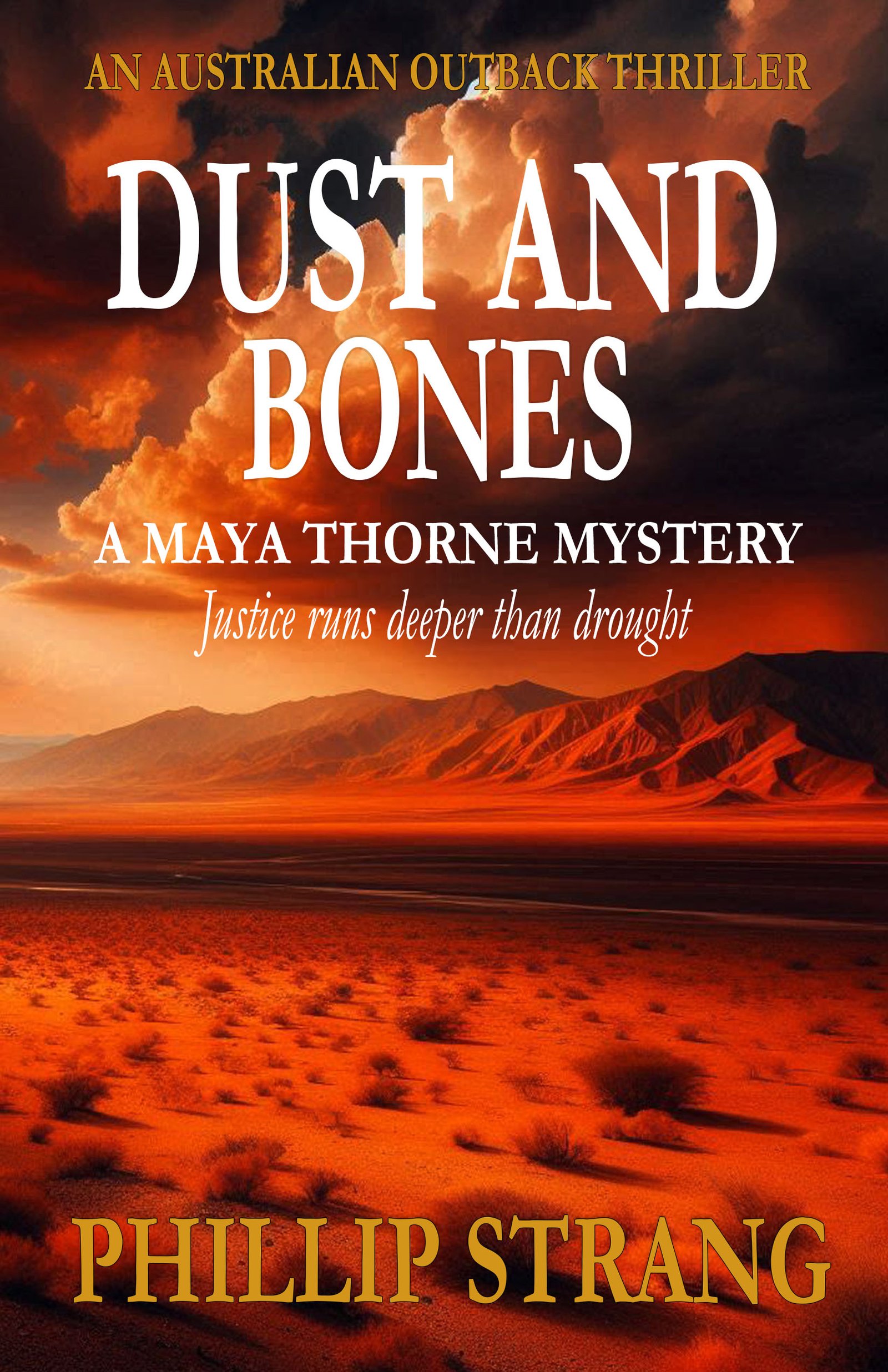
A MAYA THORNE MYSTERY
Get Dust and Bones Free
Justice runs deeper than drought.
Red dust. Shallow graves. A detective who hunts killers where the law runs thin and the nearest help is two hundred miles away.
Send Me the BookYou'll also receive occasional new release emails. Unsubscribe anytime. No spam, ever.
As an Amazon Associate, Phillip Strang earns from qualifying purchases. This page contains affiliate links — buying through them costs you nothing extra.