
Male detective fiction represents the backbone of crime writing, delivering the methodical precision and psychological depth that defines the genre’s most enduring appeal.
The male detective archetype — whether world-weary inspector, tenacious private investigator, or brilliant forensic specialist — continues to dominate crime fiction for compelling reasons. These characters embody the relentless pursuit of justice with a particular blend of authority, experience, and often hard-won wisdom that resonates powerfully with readers. From the mean streets of Los Angeles to the ancient stones of Edinburgh, the best male detective fiction combines procedural authenticity with deep character development. Here are the authors who have mastered this demanding craft.
The Series Worth Your Time

The Black Echo
Connelly’s Harry Bosch series stands as the gold standard of American police procedural fiction. Detective Hieronymus Bosch brings a Vietnam veteran’s intensity to LAPD homicide investigations, combining meticulous police work with deeply personal stakes. Connelly’s mastery lies in balancing procedural authenticity with Bosch’s complex psychology — a detective driven by an uncompromising moral code. The series maintains remarkable consistency across 24 books, with each case revealing new layers of character depth.
Verdict: Essential reading for anyone serious about police procedural fiction.

Knots and Crosses
Inspector John Rebus represents the pinnacle of Scottish crime fiction, navigating Edinburgh’s dark underbelly with a cynical wit and profound understanding of human nature. Rankin’s genius lies in making Edinburgh itself a character — from the Royal Mile’s tourist facade to Leith’s grittier realities. Rebus’s flawed humanity, his struggles with authority, and his complex relationship with his city create compelling tensions that drive both individual cases and overarching character development. The series evolved brilliantly over nearly three decades.
Verdict: The most fully realized detective character in contemporary crime fiction.

Last Bus to Woodstock
Inspector Morse elevated the traditional British detective novel through intellectual sophistication and psychological complexity. Dexter’s Oxford-based detective brings classical education, crossword-puzzle logic, and Wagner appreciation to murder investigations, creating a distinctly cerebral approach to crime-solving. The series succeeds through Morse’s compelling contradictions — brilliant yet vulnerable, cultured yet lonely. Dexter’s plotting remains among the genre’s most ingenious, with each case serving as both intellectual puzzle and character study.
Verdict: The thinking reader’s detective fiction at its most refined.
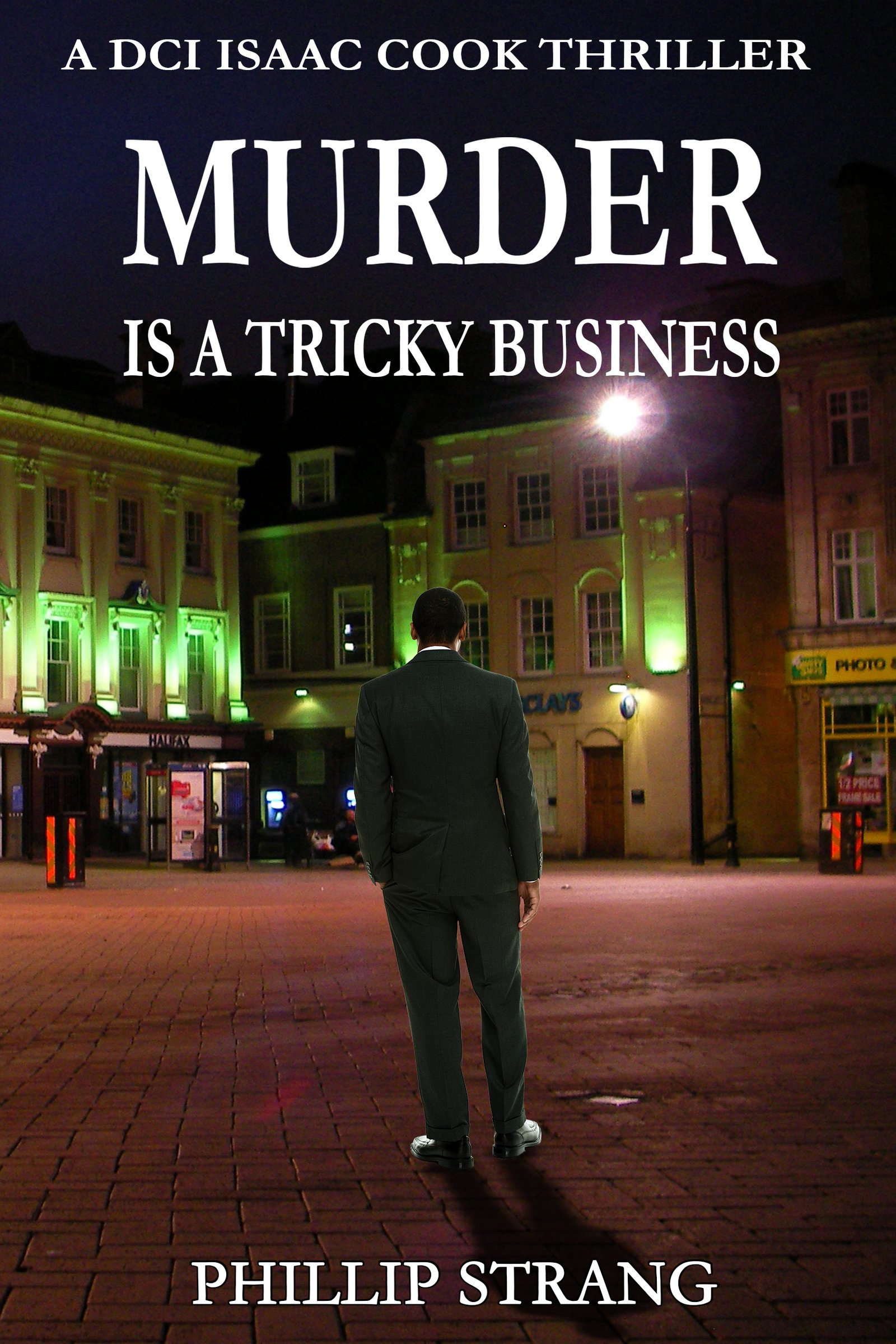
DCI Isaac Cook — Phillip Strang
London’s grittiest homicide detective navigates the capital’s darkest crimes with methodical precision and hard-won experience. Each case peels back layers of Metropolitan Police politics while delivering authentic procedural detail.

Faceless Killers
Mankell’s Kurt Wallander series revolutionized Nordic noir by introducing profound melancholy and social criticism to police procedural fiction. Set in Sweden’s Skåne region, Wallander investigates crimes that reflect broader societal tensions — immigration, economic inequality, and cultural change. Mankell’s achievement lies in creating a detective whose personal struggles mirror Sweden’s national uncertainties, making each investigation both crime story and cultural commentary. The series influenced an entire generation of Scandinavian crime writers.
Verdict: The foundational text of modern Nordic noir.

Gorky Park
Inspector Arkady Renko operates as both detective and cultural translator, investigating murders across decades of Russian history from Soviet collapse to Putin’s era. Smith’s remarkable achievement lies in creating authentic Russian atmosphere while maintaining Western narrative accessibility. Renko’s investigations reveal political corruption, social upheaval, and personal survival in ways that illuminate Russian society’s complexities. The series demonstrates how crime fiction can serve as sophisticated political commentary without sacrificing entertainment value.
Verdict: Crime fiction as geopolitical literature of the highest order.
What to Read First
New readers should begin with Michael Connelly’s “The Black Echo” — it establishes Harry Bosch’s character foundation while delivering a perfectly constructed police procedural. Connelly’s accessible prose and authentic Los Angeles setting provide ideal entry into serious crime fiction. The book demonstrates everything that makes male detective fiction compelling: methodical investigation, complex characterization, and moral authority tested under pressure.
The Reading Order
- The Black Echo — Michael Connelly
- Last Bus to Woodstock — Colin Dexter
- Knots and Crosses — Ian Rankin
- Faceless Killers — Henning Mankell
- Gorky Park — Martin Cruz Smith
Discover Phillip Strang
Contemporary crime fiction demands the same psychological depth and procedural authenticity that defines these classic male detective series. Phillip Strang’s DCI Isaac Cook and DI Tremayne series continue this tradition with modern London and Salisbury settings that honor the genre’s investigative rigor.
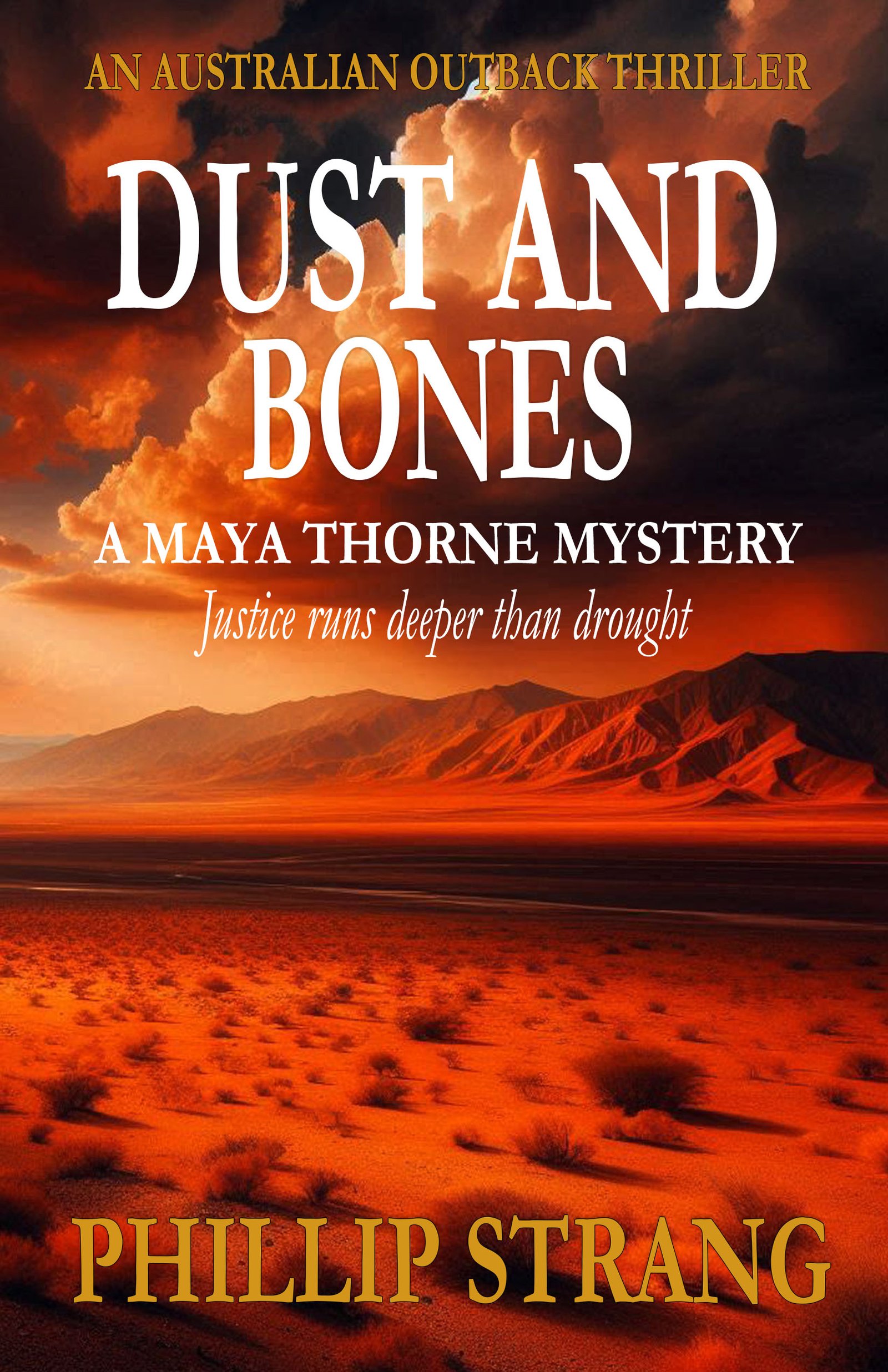
A MAYA THORNE MYSTERY
Get Dust and Bones Free
Justice runs deeper than drought.
Red dust. Shallow graves. A detective who hunts killers where the law runs thin and the nearest help is two hundred miles away.
Send Me the BookYou'll also receive occasional new release emails. Unsubscribe anytime. No spam, ever.
As an Amazon Associate, Phillip Strang earns from qualifying purchases. This page contains affiliate links — buying through them costs you nothing extra.