
The outsider protagonist presents a unique challenge in crime fiction. Unlike professional investigators with institutional authority, these characters must earn their place in the narrative through personality, circumstance, and sheer determination to uncover truth.
Across eighteen series and more than 150 novels, I have found that outsider protagonists require more deliberate justification for their involvement than their professional counterparts. The amateur sleuth, investigative journalist, or parish priest cannot simply flash a badge to gain access to crime scenes or compel witnesses to talk.
The Access Problem and How to Solve It
Every outsider protagonist faces the fundamental question: why would anyone talk to them? Professional detectives have legal authority, forensic teams, and the weight of the state behind them. Your journalist, priest, or amateur investigator has none of these advantages, which means you must engineer believable pathways into the investigation.
The strongest approach involves personal stakes. In my Maya Thorne series, the protagonist’s connection to the Australian outback community provides natural entry points that would be closed to urban police. Local knowledge trumps official authority when people distrust outsiders. Your journalist protagonist might have existing sources, your priest might counsel the victim’s family, your amateur sleuth might be a witness or suspect themselves.
Avoid the coincidence trap where your outsider happens to stumble across every crucial piece of evidence. Instead, establish specific advantages they possess that professional investigators lack. Time is often the key differentiator. Police work multiple cases with bureaucratic constraints, while your amateur can focus obsessively on a single mystery.
Authority Without a Badge
Outsider protagonists must develop alternative forms of authority to drive the investigation forward. This authority typically stems from expertise, relationships, or moral positioning that professional investigators cannot match.
The investigative journalist brings research skills and media connections. They can threaten exposure, offer publicity, or access archived information that police might overlook. The priest carries moral authority and the confessional’s unique position in human psychology. People tell priests things they would never tell police. The amateur sleuth often possesses specialized knowledge relevant to the crime’s context.
In crafting these characters, I focus on making their particular form of authority feel earned rather than convenient. When writing characters who operate outside official channels, their credibility must be established early and reinforced throughout the investigation. Readers need to believe that witnesses would actually cooperate with your protagonist.
How I Approach Writing Outsider Investigations
My approach begins with identifying the specific gap that only this outsider can fill. What makes their investigation necessary rather than redundant? In developing characters across different series, I have learned that the most compelling outsiders bring something unique to the investigative process that readers cannot find in traditional police procedural novels.
I establish clear limitations early in the narrative. My outsider protagonists cannot arrest anyone, access forensic laboratories, or compel testimony. These constraints force creative problem-solving that keeps the investigation interesting. They must persuade rather than demand, investigate through conversation rather than interrogation, and piece together evidence through persistence rather than official channels.
The pacing differs significantly from police procedurals. Professional investigators follow established protocols and have backup when situations turn dangerous. Outsiders work alone, make mistakes, and face genuine peril because they lack institutional protection. This vulnerability creates natural tension that drives the narrative forward.
Character Motivation Beyond Curiosity
Generic curiosity is insufficient motivation for outsider protagonists who face real risks pursuing their investigations. Professional detectives investigate because it is their job. Outsiders need compelling personal reasons to justify the danger and effort involved in solving crimes.
The strongest motivations involve personal loss, professional obligation, or moral imperative. Your journalist might be investigating the story that could make their career or expose corruption they have witnessed firsthand. Your priest might be protecting their congregation or honoring a deathbed confession. Your amateur sleuth might be clearing their own name or seeking justice for someone the system has failed.
Revenge works as motivation, but justice proves more sustainable across multiple books in a series. Readers want to believe that your outsider protagonist would continue investigating crimes beyond a single personal vendetta. The motivation must be renewable while remaining emotionally authentic.
Common Mistakes That Undermine Credibility
The most frequent error involves making outsider protagonists too competent at activities outside their expertise. Your investigative journalist should not outfight trained criminals in hand-to-hand combat. Your elderly amateur sleuth should not successfully tail suspects through busy streets without being noticed. Your small-town priest should not possess encyclopedic knowledge of forensic science.
Another critical mistake is allowing outsiders unrealistic access to information or locations. Police stations do not allow random civilians to examine evidence. Witnesses do not automatically trust strangers asking probing questions about recent traumas. Crime scenes are secured, not accessible to anyone who expresses interest in the case.
Many writers also fall into the bumbling amateur trap, where the outsider protagonist succeeds through luck rather than skill. This approach undermines reader investment in the character’s abilities. Professional competence in their actual field should translate into investigative skills, but within believable parameters. When developing characters who work outside official law enforcement, similar attention to authentic procedure applies as seen in action thriller novels where expertise matters.
The final common error involves ignoring legal consequences. Real-world outsiders who interfere with police investigations, break into private property, or withhold evidence from authorities face serious legal repercussions. Your protagonist needs either sophisticated methods to avoid these consequences or compelling reasons why authorities tolerate their interference.
Building Sustainable Series Characters
Outsider protagonists face unique challenges in series development. Unlike professional detectives who encounter new cases through their work, amateurs must have believable reasons to repeatedly encounter murders and mysteries.
Geographic specificity helps establish ongoing relevance. Small communities, specialized industries, or particular social circles can provide repeated access to criminal activity. Your protagonist’s profession or personal circumstances should naturally intersect with situations where their investigative skills prove valuable.
Character growth becomes essential across multiple books. Professional detectives might remain relatively static while cases change around them, but outsiders should evolve based on their investigative experiences. Each case should teach them something about human nature, criminal behavior, or their own capabilities that influences future investigations.
Conclusion
The outsider protagonist succeeds when their particular background, skills, and motivations create investigative opportunities that professional detectives cannot access. Focus on authentic expertise, believable limitations, and compelling personal stakes rather than convenient coincidences or unrealistic competencies.
About Phillip Strang
Phillip Strang is an Australian crime and thriller novelist. Across eighteen series and more than 150 novels, his work spans London police procedurals (DCI Isaac Cook), UK investigations (DI Tremayne), Australian outback crime (Maya Thorne), FBI thrillers (Alex Harlan), Scottish Highland mysteries (DI Sarah Lynch), and espionage (Steve Case). Learn more about Phillip or browse his complete catalogue on Amazon.
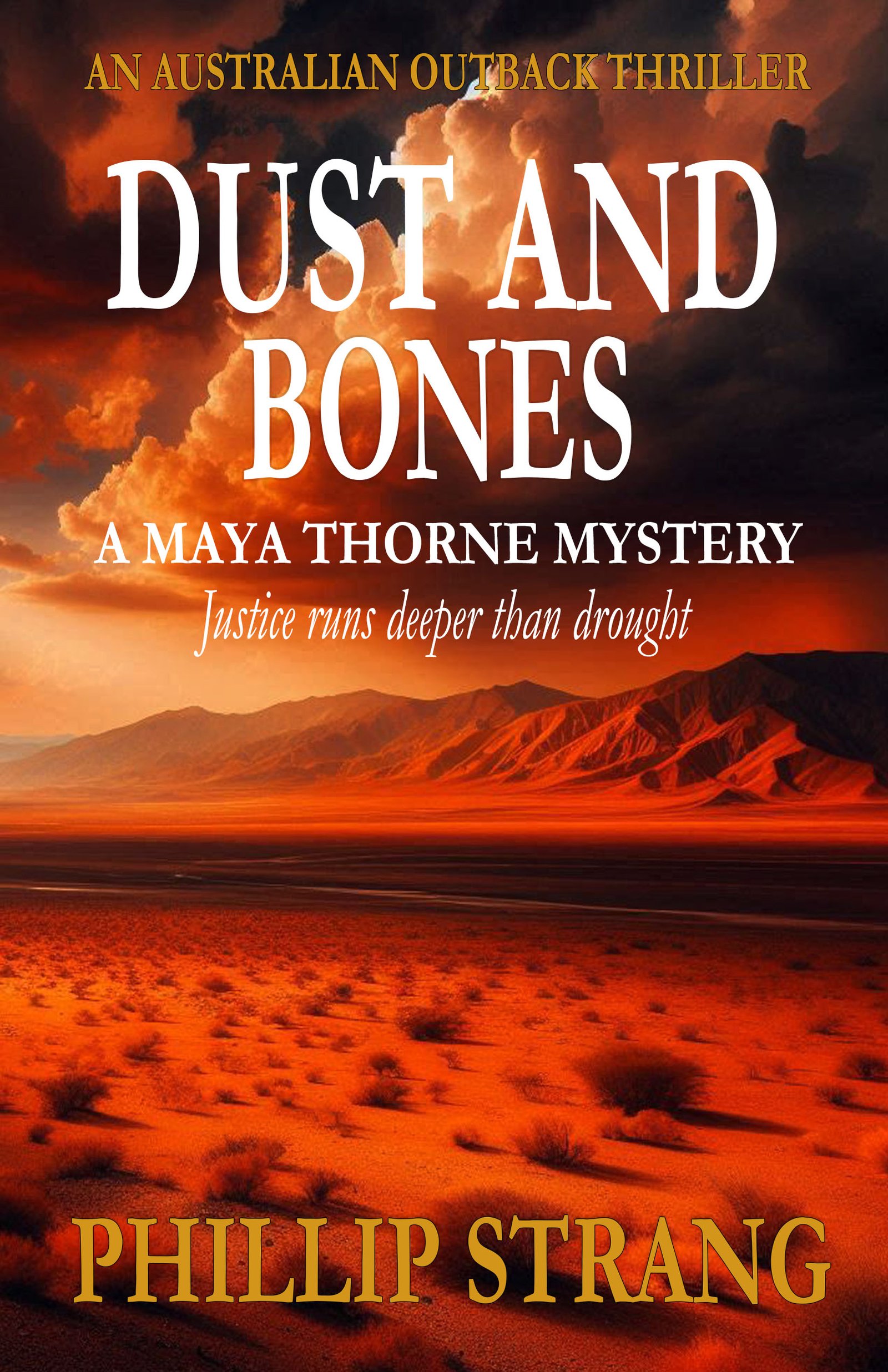
A MAYA THORNE MYSTERY
Get Dust and Bones Free
Justice runs deeper than drought.
Red dust. Shallow graves. A detective who hunts killers where the law runs thin and the nearest help is two hundred miles away.
Send Me the BookYou'll also receive occasional new release emails. Unsubscribe anytime. No spam, ever.
As an Amazon Associate, Phillip Strang earns from qualifying purchases. This page contains affiliate links — buying through them costs you nothing extra.