
Setting a crime novel in a foreign location presents immediate challenges when travel isn’t an option. The reader expects authentic street names, credible weather patterns, and believable local customs, yet one misplaced detail can shatter suspension of disbelief entirely.
Across eighteen series and more than 150 novels I have found that researching foreign locations without travelling requires systematic methodology rather than random internet browsing. The difference between convincing authenticity and obvious fabrication lies in understanding which details matter and where to find them reliably.
Digital Street Walking: Beyond Google Earth
Google Street View remains the foundation, but effective location research demands strategic navigation rather than aimless clicking. I begin with specific addresses rather than general areas, using real estate websites to identify actual properties, then virtually walking the surrounding blocks to understand traffic patterns, building heights, and neighbourhood transitions. When writing my DCI Isaac Cook series, I needed intimate knowledge of London’s lesser-known areas. Street View showed me which corners had CCTV cameras, how narrow certain alleyways actually were, and whether a character could realistically park outside a particular building.
The key insight involves layering multiple digital tools systematically. Weather websites provide historical data for specific dates, crucial when your murder happens during an unseasonable snowstorm. Traffic applications reveal rush hour patterns and alternate routes. Local government websites often contain planning applications showing recent construction or upcoming roadworks that could affect your timeline.
How I Actually Approach Remote Location Research
My process begins with identifying five specific locations within the broader setting where key scenes will unfold. Rather than trying to understand an entire city, I focus intensively on these precise areas. For my Alex Harlan FBI series, I needed detailed knowledge of specific Washington DC neighbourhoods. I created digital folders for each location, systematically collecting street layouts, nearby businesses, public transport connections, and photographic evidence of architectural details.
I then contact local police departments, libraries, and tourist information centres directly. Many organisations respond helpfully to polite emails from working authors, particularly when you ask specific questions rather than requesting general information. Local newspapers prove invaluable for understanding current issues, recent crimes, and community concerns that add authenticity to your fictional events.
Social media platforms, particularly Instagram and Facebook, reveal contemporary local life in ways guidebooks cannot capture. Searching location hashtags shows how people actually dress, what they eat, and how they spend leisure time. This research method helped enormously when developing authentic dialogue and cultural references for my Maya Thorne Australian outback series, even for locations I knew less intimately.
Mining Local Knowledge Through Digital Connections
Professional networks offer unexpected research goldmines. LinkedIn searches reveal local professionals willing to answer industry-specific questions about legal procedures, medical facilities, or business practices in their region. Many professionals appreciate being acknowledged as consultants and provide insights impossible to obtain through general research.
Online forums dedicated to specific cities or regions contain detailed local knowledge from residents discussing daily life challenges, transportation complaints, and neighbourhood changes. Reddit communities prove particularly valuable for understanding current local attitudes and recent events that might affect your story’s credibility.
University websites often provide detailed local history, demographic information, and recent research about specific areas. Academic papers frequently contain precisely the kind of detailed, verified information that elevates crime fiction above generic thriller writing. These sources helped me understand the socioeconomic dynamics crucial for authentic police procedural novels set in unfamiliar locations.
Avoiding the Research Pitfalls That Expose Fakery
The most dangerous mistake involves relying on tourist information as representative of local reality. Guidebooks present sanitised versions of locations, emphasising attractions while ignoring the mundane details that create authenticity. A character walking through Prague’s tourist centre will experience completely different architecture, crowds, and atmosphere compared to residential areas where actual crimes might realistically occur.
Many writers fall into the Wikipedia trap, using general information that lacks the specificity convincing crime fiction demands. Stating that ‘it rained heavily in Manchester’ sounds generic compared to describing the particular way rain bounces off Victorian brick in specific neighbourhoods, details obtainable only through focused local research.
Currency amounts, local prices, and economic realities frequently betray inadequate research. A coffee costing the equivalent of five dollars might be normal in central London but completely unrealistic in rural Eastern Europe. These seemingly minor details immediately signal to readers that the author lacks genuine familiarity with the location. Understanding local economics proves particularly crucial when writing espionage thrillers where financial motivations drive character behaviour.
Weather patterns represent another common error. Writers often assume Mediterranean climates remain consistently warm or that Northern European winters always feature snow. Checking historical weather data for specific months prevents these credibility-destroying mistakes that mark amateur research approaches.
Verifying Details That Matter Most
Not every detail requires exhaustive verification, but certain elements demand absolute accuracy. Police procedures, legal systems, and emergency service protocols vary dramatically between countries and regions. These differences often drive plot developments, making accuracy essential rather than optional. Local police websites frequently explain procedures, response times, and jurisdictional boundaries that could affect your story’s plausibility.
Transportation systems require particular attention in crime fiction where characters must move quickly or escape efficiently. Bus routes, subway systems, and taxi availability change frequently and vary between different areas within the same city. Recent news articles often report service disruptions, route changes, or infrastructure improvements that could impact your timeline.
Cultural attitudes toward crime, authority, and personal safety differ significantly between locations and directly influence how characters behave realistically. Understanding whether people routinely help strangers, trust police, or avoid certain areas after dark shapes character motivations and plot developments in ways that generic research cannot capture. This cultural understanding becomes particularly important when crafting authentic action thriller novels where character reactions must feel genuine rather than imposed.
Conclusion
Successful remote location research demands systematic methodology focused on specific details rather than general knowledge. The combination of digital tools, direct local contacts, and careful verification creates authenticity that readers recognise immediately, while careless research exposes itself just as quickly through implausible details and generic descriptions.
About Phillip Strang
Phillip Strang is an Australian crime and thriller novelist. Across eighteen series and more than 150 novels, his work spans London police procedurals (DCI Isaac Cook), UK investigations (DI Tremayne), Australian outback crime (Maya Thorne), FBI thrillers (Alex Harlan), Scottish Highland mysteries (DI Sarah Lynch), and espionage (Steve Case). Learn more about Phillip or browse his complete catalogue on Amazon.
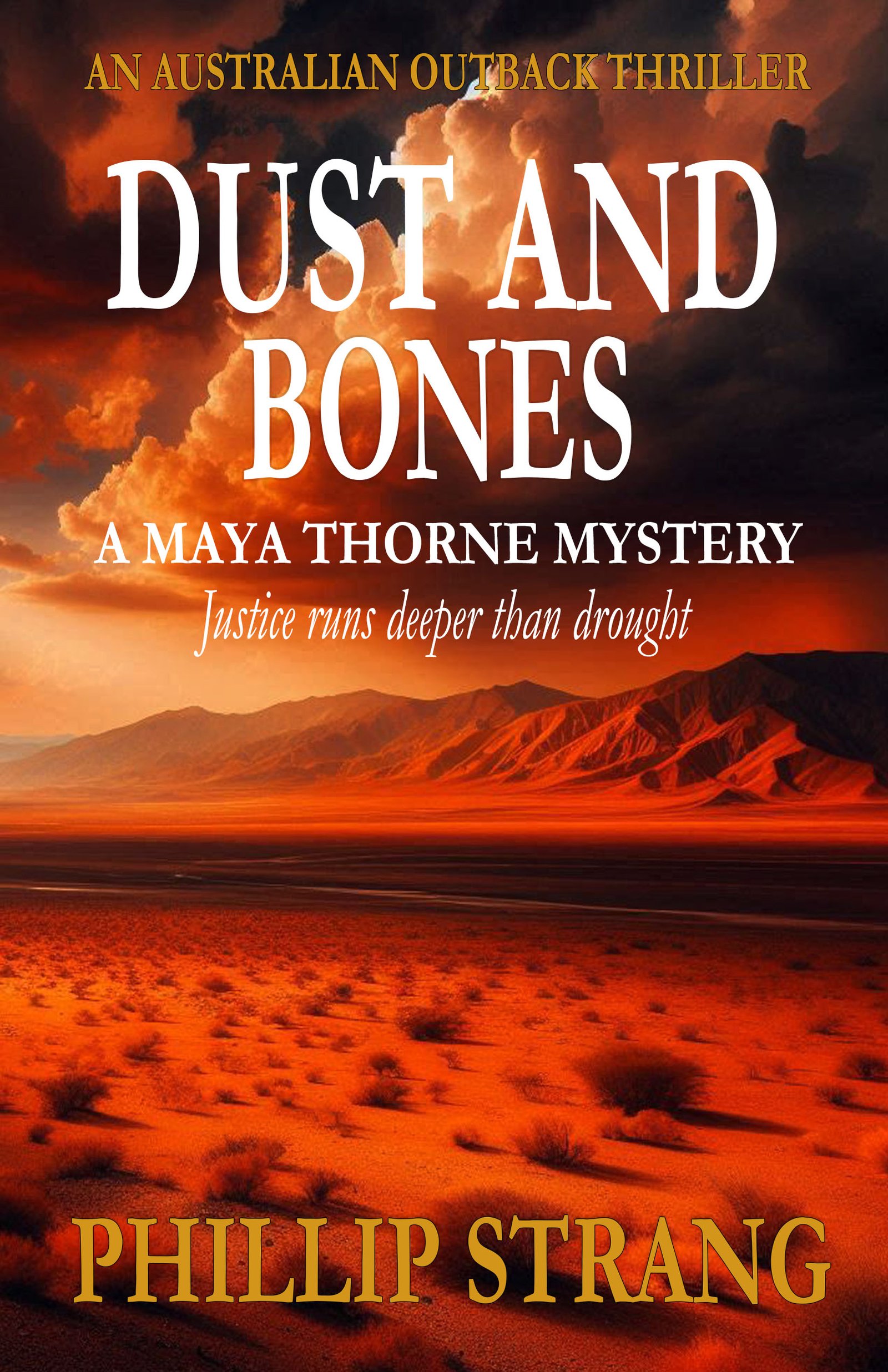
A MAYA THORNE MYSTERY
Get Dust and Bones Free
Justice runs deeper than drought.
Red dust. Shallow graves. A detective who hunts killers where the law runs thin and the nearest help is two hundred miles away.
Send Me the BookYou'll also receive occasional new release emails. Unsubscribe anytime. No spam, ever.
As an Amazon Associate, Phillip Strang earns from qualifying purchases. This page contains affiliate links — buying through them costs you nothing extra.