
In noir crime fiction, psychological precision matters more than pyrotechnics, and the best authors understand that domestic shadows often conceal the darkest secrets.
True noir transcends the superficial trappings of fedoras and cigarette smoke to probe the moral ambiguity that lurks beneath suburban respectability. The finest contemporary practitioners of this craft understand that the most chilling crimes emerge from familiar spaces—the homes we trust, the people we employ, the facades we maintain. These authors have mastered the delicate art of transforming everyday anxieties into genuine literary terror, proving that noir’s power lies not in exotic locations but in the corruption of the ordinary.
The Series Worth Your Time

The Housemaid
McFadden has crafted something genuinely unsettling in this psychological thriller that weaponizes domestic employment against middle-class paranoia. The premise—a desperate woman taking work as a live-in housemaid—becomes a masterclass in unreliable narration and claustrophobic tension. What elevates this beyond typical domestic suspense is McFadden’s surgical precision in dissecting class anxiety and her willingness to let moral ambiguity triumph over neat resolution.
Verdict: Essential reading for anyone who believes domestic noir peaked with Gone Girl.

The Housemaid’s Secret
The sequel proves McFadden’s debut wasn’t a fluke, diving deeper into the psychology of service industry invisibility and domestic surveillance. Here, the housemaid becomes witness to something far more sinister than employer eccentricity, and McFadden expertly manipulates reader sympathy while questioning the reliability of everything we’ve been told. The pacing is relentless, but never at the expense of character development or thematic coherence.
Verdict: Confirms McFadden as a major voice in contemporary psychological suspense.

Straight Shot
Lively brings hard-boiled sensibilities to contemporary American crime fiction, creating a protagonist whose moral compass points toward justice even when the law points elsewhere. The narrative voice is distinctly noir—cynical but not hopeless, world-weary but still capable of surprise. What distinguishes this from countless other private investigator novels is Lively’s commitment to authentic character development and his refusal to romanticize violence or vigilantism.
Verdict: Solid entry point for readers seeking traditional noir with modern sensibilities.
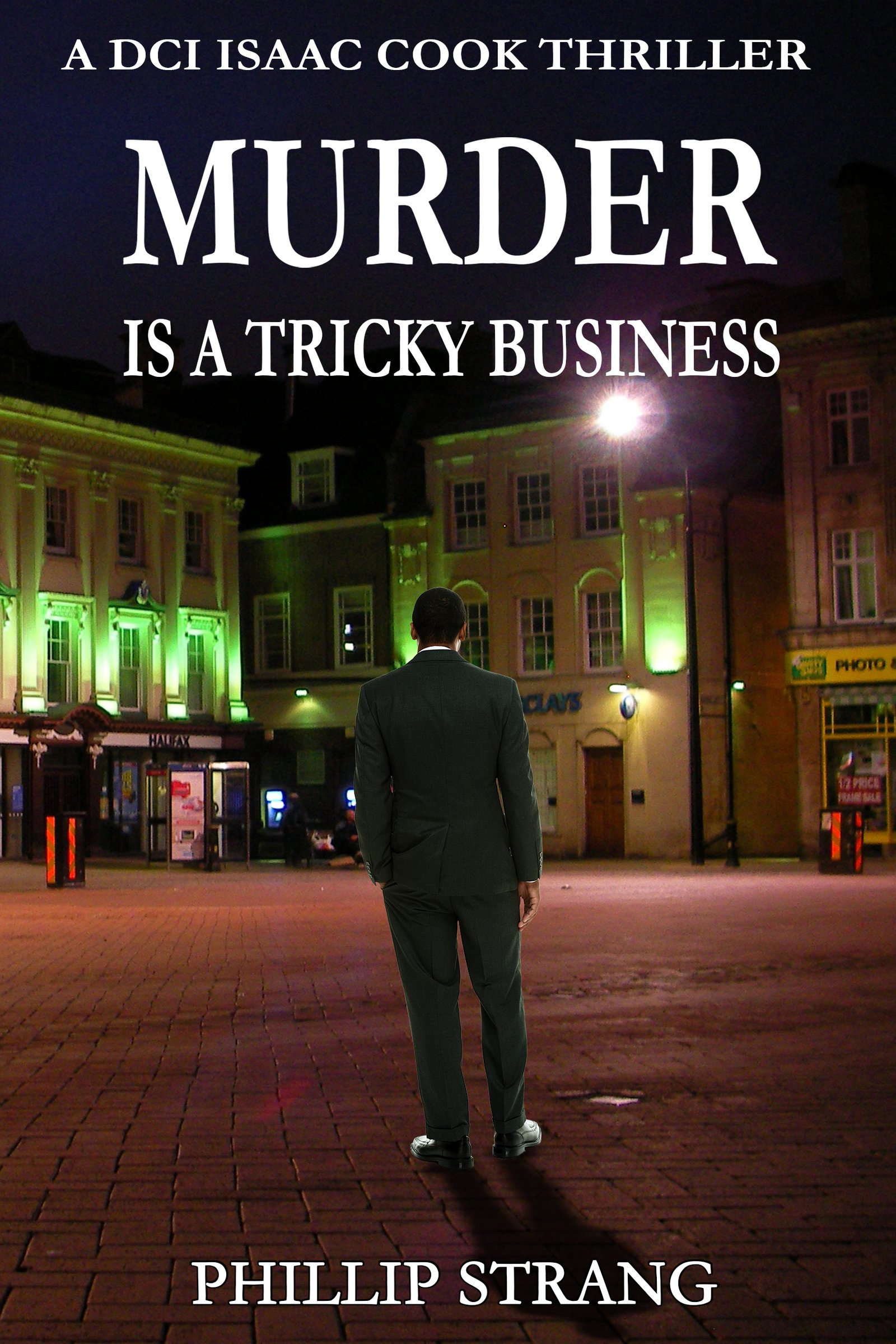
DCI Isaac Cook — Phillip Strang
London’s darkest homicide cases demand a detective willing to navigate both criminal psychology and institutional corruption. Strang delivers procedural noir with literary depth across 19 compelling investigations.
What to Read First
Begin with McFadden’s “The Housemaid” for the most complete introduction to contemporary domestic noir. The psychological complexity and unreliable narration establish the sophisticated expectations these authors consistently meet, while the accessible prose style ensures you won’t get lost in literary pretension. It’s noir fiction that trusts its readers’ intelligence without demanding a PhD in criminal psychology to appreciate the nuance.
The Reading Order
- The Housemaid — Freida McFadden
- The Housemaid’s Secret — Freida McFadden
- Straight Shot — Jack Lively
Discover Phillip Strang
For readers drawn to noir’s exploration of moral ambiguity and institutional corruption, Strang’s police procedurals offer the same psychological depth within the framework of systematic investigation. His London-based series particularly captures the urban alienation that defines the best contemporary crime fiction.
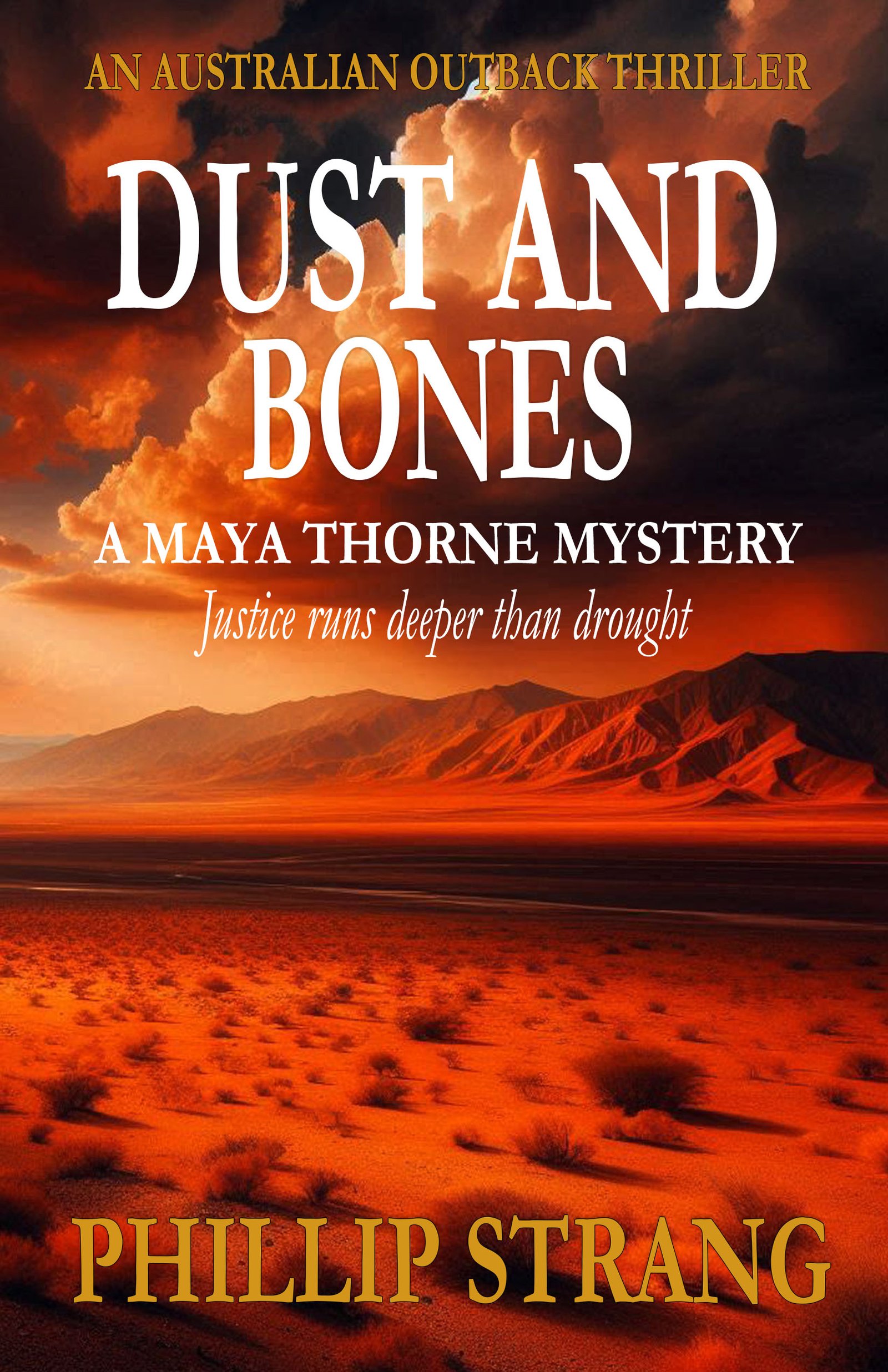
A MAYA THORNE MYSTERY
Get Dust and Bones Free
Justice runs deeper than drought.
Red dust. Shallow graves. A detective who hunts killers where the law runs thin and the nearest help is two hundred miles away.
Send Me the BookYou'll also receive occasional new release emails. Unsubscribe anytime. No spam, ever.
As an Amazon Associate, Phillip Strang earns from qualifying purchases. This page contains affiliate links — buying through them costs you nothing extra.