
Character consistency across a long-running crime series becomes a logistical nightmare without proper tracking systems. You’re juggling personal histories, physical descriptions, relationships, and character growth arcs across dozens of books, and one slip destroys reader trust faster than a botched alibi.
Across eighteen series and more than 150 novels, I’ve learned that most authors either overcomplicate their character bible systems or wing it entirely—both approaches lead to embarrassing continuity errors that eagle-eyed crime readers will catch immediately. The solution lies in building practical, sustainable tracking methods that grow with your series.
The Foundation: What Actually Needs Tracking
Your character bible isn’t a creative writing exercise—it’s a working document designed to prevent mistakes. Focus on the details that matter for crime fiction: physical markers that witnesses might notice, family connections that drive motives, professional relationships that create conflicts of interest, and personal quirks that make characters memorable.
In my DCI Isaac Cook series, I track Isaac’s relationship with his ex-wife because it affects his judgment in cases involving domestic violence. I don’t need to know his favorite breakfast cereal, but I absolutely need to remember which colleagues he trusts and which ones have betrayed him. Crime readers notice when a detective suddenly gets along with someone they’ve distrusted for fifteen books.
Physical descriptions require special attention in crime fiction because they often matter to the plot. Height, distinctive scars, voice characteristics, and mannerisms aren’t just color—they’re evidence. A witness description that contradicts your established character details breaks the story’s credibility.
My Working System: Database Over Documents
I abandoned Word documents for character tracking years ago. They become unwieldy monsters that nobody wants to update. Instead, I use a simple database system—currently Airtable, though any database software works—with linked records that show relationships between characters.
Each character gets a main record with essential details: full name, age progression formula, physical description, occupation, and current status. Then I create linked records for relationships, case involvement, and character development notes. When DI Tremayne interacts with a suspect’s family member in book twelve, I can instantly see their previous encounters and any grudges that might complicate the current investigation.
The key is treating it like evidence filing, not creative brainstorming. Every entry should answer: what would I need to know about this character if they appeared in the next book? Update it immediately after finishing each manuscript, not months later when details have faded.
I also maintain a separate timeline document that tracks major events across the series. This prevents the common error of having characters reference events that happened ‘last year’ when the series timeline shows it was actually three years ago. Police procedural novels especially suffer when promotion timelines or case references don’t align with established chronology.
Avoiding the Classic Mistakes
The biggest mistake is creating character bibles that nobody actually uses. Authors spend weeks crafting detailed character backgrounds, then never reference them while writing. If you’re not checking your bible during the writing process, it’s decoration, not a tool. Build your system around quick searches and easy updates, not comprehensive character psychology profiles.
Another fatal error is inconsistent updating. You finish book six and think you’ll remember to update the character details later. You won’t. Character evolution, new relationships, and plot-relevant details get lost. In my Maya Thorne series, I once nearly gave a recurring character the wrong backstory because I’d forgotten a crucial detail introduced three books earlier. The mistake was caught in editing, but it could have undermined the entire plot.
Many authors also track the wrong information. You don’t need favorite colors or childhood pets unless they’re plot-relevant. You do need to track who knows what secrets, who owes whom favors, and which characters have unresolved conflicts. Action thriller novels live or die on these relationship dynamics, and forgetting them creates plot holes that skilled readers will drive trucks through.
Finally, avoid the temptation to retcon character details to fit new plot needs. If you’ve established that a detective has never been married, don’t suddenly give him an ex-wife in book ten because it suits the current storyline. Readers notice, and they don’t forgive easily.
Managing Character Growth and Series Evolution
Long-running crime series demand character evolution, but it must be tracked carefully to maintain believability. I use version control in my character records—noting not just current status, but when and why characters changed. This prevents jarring personality shifts that feel inconsistent with established character foundations.
Track relationship changes with particular attention. Partnerships, rivalries, romantic entanglements, and professional hierarchies shift throughout a series, and these changes drive future plot possibilities. When I write a new book in an established series, I review the relationship matrix first to see what tensions or alliances are available to exploit.
Character aging requires mathematical precision. If your series follows real-time chronology, maintain age formulas that calculate current ages based on series timeline. If you use floating timeline, establish clear rules about how much time passes between books and stick to them religiously.
Integration with Series Planning
Character bible maintenance becomes exponentially easier when integrated with series-level planning. I maintain series arc documents that outline major character development goals across multiple books. This prevents character changes from being random reactions to immediate plot needs.
Before starting each new book, I review character status reports and relationship dynamics to identify story opportunities. A detective’s strained relationship with a colleague might become central to a case where trust is essential. A character’s past trauma might resurface when facing a similar crime. These connections feel organic to readers when they grow from established character foundations.
The character bible also informs series pacing decisions. You can’t have major character revelations or relationship changes in every book without exhausting the dramatic possibilities. Plan character developments across multiple books to maintain reader engagement without overwhelming the crime plots that remain your primary focus.
Conclusion
Character bible systems succeed when they serve the writing process, not when they showcase organizational skills. Build for functionality, update religiously, and remember that consistency isn’t about perfection—it’s about respecting your readers’ investment in your fictional world.
About Phillip Strang
Phillip Strang is an Australian crime and thriller novelist. Across eighteen series and more than 150 novels, his work spans London police procedurals (DCI Isaac Cook), UK investigations (DI Tremayne), Australian outback crime (Maya Thorne), FBI thrillers (Alex Harlan), Scottish Highland mysteries (DI Sarah Lynch), and espionage (Steve Case). Learn more about Phillip or browse his complete catalogue on Amazon.
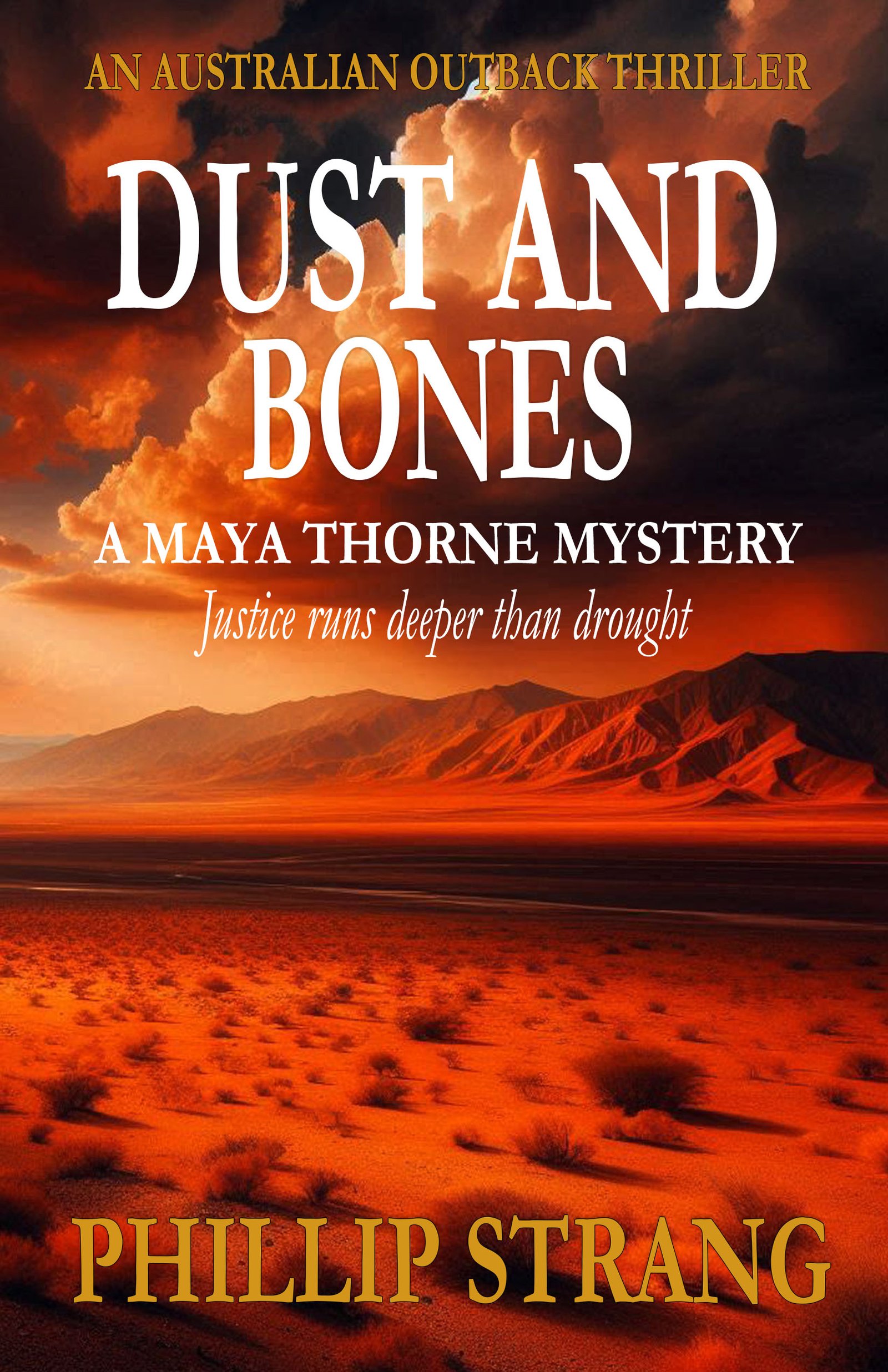
A MAYA THORNE MYSTERY
Get Dust and Bones Free
Justice runs deeper than drought.
Red dust. Shallow graves. A detective who hunts killers where the law runs thin and the nearest help is two hundred miles away.
Send Me the BookYou'll also receive occasional new release emails. Unsubscribe anytime. No spam, ever.
As an Amazon Associate, Phillip Strang earns from qualifying purchases. This page contains affiliate links — buying through them costs you nothing extra.