
BookBub Featured Deals represent the most coveted promotional opportunity in crime fiction, yet most authors approach them with completely wrong expectations about timing, pricing, and realistic outcomes. The application process rewards strategic thinking over wishful thinking, and the results depend entirely on understanding your series position within the broader crime marketplace.
After securing dozens of BookBub Featured Deals across eighteen series and more than 150 novels, I’ve learned that success hinges on three factors that have nothing to do with the quality of your writing: market positioning, discount psychology, and algorithmic timing. The authors who consistently land these deals understand that BookBub operates as a sophisticated matching system between reader appetite and genre saturation, not a lottery for deserving books.
Understanding BookBub’s Selection Criteria Beyond the Guidelines
BookBub’s published guidelines mention factors like cover quality, reviews, and pricing, but the real selection criteria operate at a deeper level. The platform prioritizes books that will generate the highest engagement rates among their subscribers, which means they favor titles that fit recognizable genre patterns while offering something distinctive enough to stand out in crowded inboxes.
For crime writers, this creates a specific challenge. Police procedural novels compete in an oversaturated category where BookBub receives hundreds of applications weekly, while espionage thrillers face less competition but require stronger commercial appeal to justify featuring. The selection algorithm appears to weight recent release velocity heavily, meaning authors with consistent publishing schedules gain significant advantage over sporadic publishers.
When I submitted my DCI Isaac Cook series for consideration, the application succeeded partly because the London police procedural setting offered familiar comfort to readers while the contemporary terrorism angle provided current relevance. BookBub’s curators can spot generic submissions immediately, so your pitch must demonstrate clear understanding of where your book fits within active reader demand cycles.
Pricing Strategy That Actually Converts
The biggest mistake crime writers make with BookBub applications involves pricing strategy, specifically the assumption that deeper discounts guarantee better results. BookBub’s effectiveness stems from perceived value, not absolute price points, and readers respond differently to various discount depths depending on series position and genre expectations.
Series starters perform best at 99 cents or free, but only when the series contains at least three published books at full price. Standalone thrillers require more nuanced pricing, typically $1.99 to $2.99, because readers lack the series investment incentive that drives purchasing decisions for connected books. The psychological sweet spot occurs when readers feel they’re accessing premium content at insider prices, not bargain basement clearance.
My Maya Thorne Australian outback crime series demonstrated this principle clearly. The first book generated modest results when promoted at 99 cents because readers questioned the value proposition of unfamiliar setting and characters. However, pricing book two at $2.99 after establishing reader base through the first book’s organic growth created much stronger conversion rates, suggesting that strategic positioning matters more than aggressive discounting.
Application Timing and Market Awareness
BookBub applications succeed or fail based on timing factors that most authors completely ignore. The platform operates on seasonal patterns, genre saturation cycles, and competitive landscape awareness that requires months of advance planning rather than spontaneous submission when your latest book launches.
Crime fiction faces specific seasonal challenges, with psychological thrillers performing better during fall and winter months while procedurals maintain more consistent year-round appeal. However, the real timing consideration involves competitive analysis of what BookBub has recently featured in your subgenre. They avoid clustering similar books too closely, meaning a successful police procedural feature effectively blocks other procedural applications for several weeks.
The application timeline requires brutal honesty about your book’s commercial position. If you’re submitting during peak competition periods like January or September, your book needs exceptional metrics to break through. I’ve found better success rates applying during supposedly slower periods like February or August, when BookBub’s curators have more flexibility to take chances on solid but unproven titles.
Managing Realistic Expectations and Measuring Success
Crime authors consistently misunderstand what constitutes BookBub success, focusing on immediate sales spikes rather than long-term series development and algorithmic momentum. A successful BookBub Featured Deal should generate sustained visibility across multiple platforms, not just a temporary ranking boost that disappears within days.
The real value emerges through secondary effects: increased visibility for other books in your series, algorithm recognition on Amazon and other retailers, and expanded reader base that drives organic discovery of your broader catalogue. Sales numbers provide obvious metrics, but the lasting impact appears in improved baseline sales levels and enhanced promotional effectiveness for subsequent releases.
When my Steve Case espionage series received BookBub featuring, the immediate sales surge lasted only five days, but the algorithmic boost continued for months afterward. New readers discovered the entire series through the promoted book, creating a multiplier effect that generated more revenue than the featured book alone. This pattern repeats consistently: BookBub success should be measured across your entire catalogue, not isolated to the promoted title.
Common Application Mistakes That Guarantee Rejection
Most BookBub applications fail for predictable reasons that reveal fundamental misunderstanding of the platform’s purpose and audience expectations. Generic cover designs that could represent any crime subgenre immediately signal amateur positioning, while book descriptions that focus on author credentials rather than story hooks demonstrate disconnect from reader priorities.
The application description section trips up experienced authors who write like they’re addressing other writers instead of BookBub’s general readership. Phrases like ‘complex character development’ or ‘nuanced exploration of justice’ mean nothing to subscribers scanning dozens of daily deals. Effective descriptions emphasize concrete story elements: the victim, the threat, the stakes, and the resolution method, using language that creates immediate visual imagery rather than abstract literary concepts.
Review manipulation represents another fatal application flaw. BookBub’s curators can spot artificial review patterns easily, and they prioritize books with authentic reader engagement over inflated ratings. A book with fifty genuine reviews performs better than titles with hundreds of obviously purchased or traded reviews. The algorithm appears to weight review velocity and verified purchase ratios more heavily than absolute numbers, meaning organic growth trumps artificial inflation every time.
Conclusion
BookBub Featured Deals reward crime authors who understand commercial positioning rather than those who simply write good books, and success requires treating the application process as strategic marketing rather than creative validation. The authors who consistently secure featuring approach BookBub as sophisticated business development, not literary recognition, and they measure results across their entire publishing ecosystem rather than individual title performance.
About Phillip Strang
Phillip Strang is an Australian crime and thriller novelist. Across eighteen series and more than 150 novels, his work spans London police procedurals (DCI Isaac Cook), UK investigations (DI Tremayne), Australian outback crime (Maya Thorne), FBI thrillers (Alex Harlan), Scottish Highland mysteries (DI Sarah Lynch), and espionage (Steve Case). Learn more about Phillip or browse his complete catalogue on Amazon.
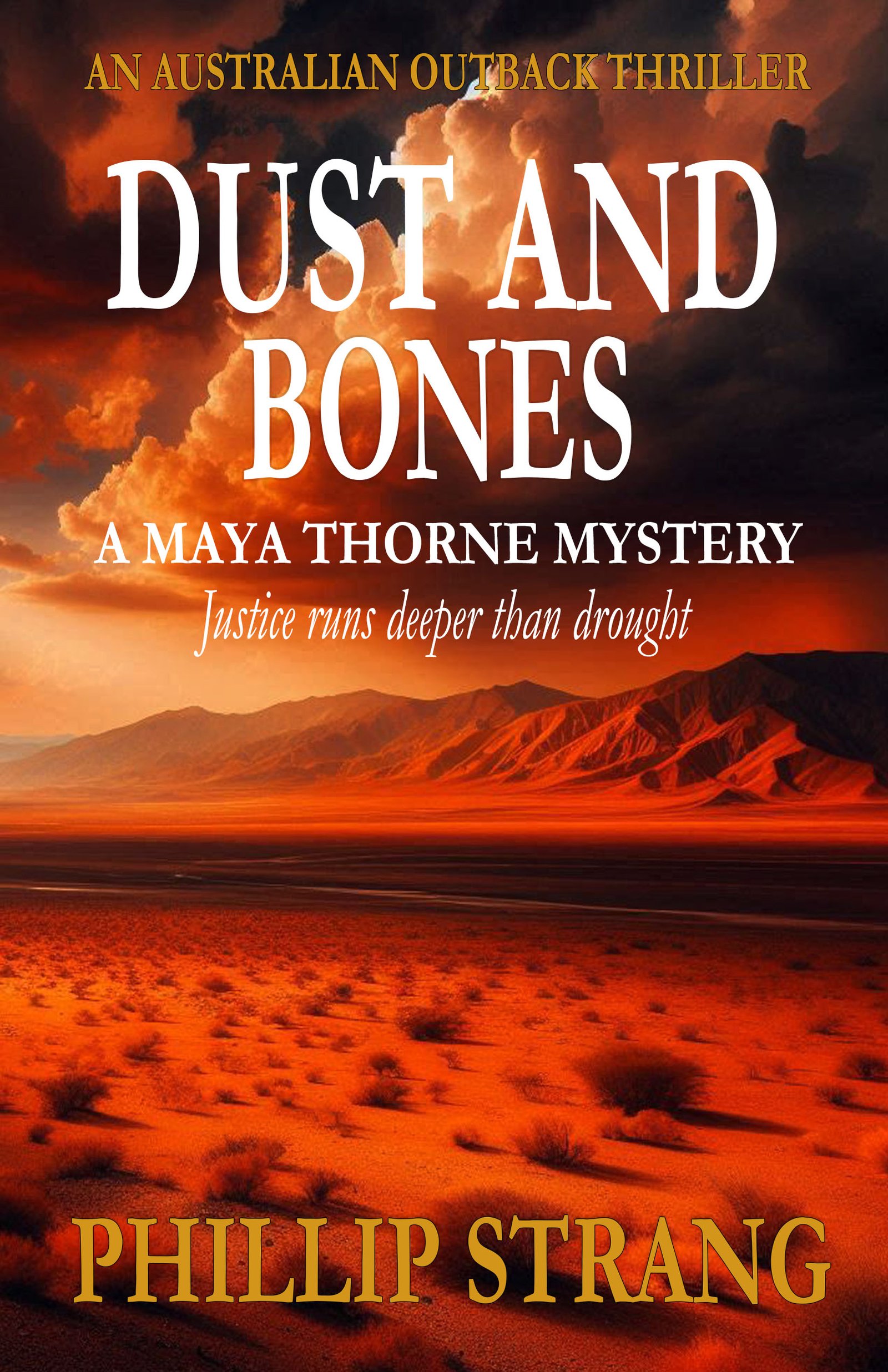
A MAYA THORNE MYSTERY
Get Dust and Bones Free
Justice runs deeper than drought.
Red dust. Shallow graves. A detective who hunts killers where the law runs thin and the nearest help is two hundred miles away.
Send Me the BookYou'll also receive occasional new release emails. Unsubscribe anytime. No spam, ever.
As an Amazon Associate, Phillip Strang earns from qualifying purchases. This page contains affiliate links — buying through them costs you nothing extra.