
The briefing scene stands as one of crime fiction’s most treacherous territories—a necessary evil where authors must convey crucial information without boring readers senseless. Every detective novel needs moments where characters share intel, update investigations, or coordinate operations, yet these scenes frequently collapse into wooden exposition that stops narrative momentum dead.
Writing effective briefing scenes requires surgical precision in balancing information delivery with character development and plot advancement. Across eighteen series and more than 150 novels I have found that the briefing scene succeeds only when it serves multiple story functions simultaneously, never existing solely to dump information onto the page.
The Conflict-Driven Briefing
Successful briefing scenes operate on tension, not information transfer. The conflict might emerge from disagreeing interpretations of evidence, competing jurisdictions, personality clashes, or time pressure—but something must be at stake beyond merely sharing facts. In my DCI Isaac Cook series, briefings often become battlegrounds where Cook’s unorthodox methods clash with departmental protocols, creating natural friction that carries exposition forward.
The key lies in understanding that your characters already know much of what needs conveying—they’re professionals, after all. Focus on what they disagree about, what puzzles them, or what creates urgency. When Cook’s team gathers to discuss a murder case, they’re not reciting basic police procedure to each other. They’re arguing about whether the killer knew the victim personally or debating the significance of seemingly contradictory evidence.
Character Voices in Information Exchange
Every participant in a briefing should speak with distinct voice and agenda. The forensic pathologist approaches evidence differently than the street detective, the chief inspector carries political concerns that field officers ignore, and the tech specialist sees patterns others miss. These different perspectives naturally create multiple entry points for the same information, allowing readers to absorb details through varied characterization rather than straight narrative.
Resist the temptation to make one character the designated exposition deliverer. Instead, let information emerge through the natural friction of different professional viewpoints. The pathologist might focus on wound patterns while the detective obsesses over the crime scene’s location, and the profiler raises questions about victim selection. Each perspective adds layers without feeling forced or artificial.
My Approach: Function Stacking
When crafting briefing scenes, I always ensure each scene serves at least three story functions simultaneously. Information delivery counts as only one function—the scene must also advance character relationships, escalate plot tension, reveal personality traits, establish stakes, or drive conflict forward. If I can’t identify multiple purposes for a briefing scene, I either cut it or restructure surrounding chapters to eliminate the need.
In practice, this means starting briefing scenes in the middle of conversations rather than at their beginning. Readers don’t need to witness characters settling into chairs and opening files. Jump directly into the argument about what evidence means, the disagreement over investigative priorities, or the tension between what’s been discovered and what remains unknown. The most engaging police procedural novels understand that briefings work best when they feel like eavesdropping on heated professional discussions.
Common Briefing Scene Failures
The cardinal sin of briefing scenes involves characters telling each other things they already know for the reader’s benefit. When Detective Smith explains basic forensic procedures to Detective Jones, who supposedly has twenty years’ experience, the artificiality destroys credibility. Similarly, having characters recite case files verbatim creates deadly prose that reads like police reports rather than human conversation.
Another frequent mistake involves making briefing participants passive recipients of information rather than active contributors. Real professional meetings involve interruptions, challenges, and competing theories. Characters should build on each other’s observations, question assumptions, and introduce complications rather than sitting quietly while one person lectures. The briefing scene that consists entirely of one character presenting facts to a silent audience belongs in amateur writing, not published crime fiction.
Technical jargon poses another trap. While authentic procedural language adds credibility, overwhelming readers with unexplained terminology creates barriers rather than immersion. The solution involves having characters naturally translate or argue about technical points, allowing expertise to emerge through disagreement rather than dictionary-style definitions.
Emotional Stakes in Professional Settings
Professional briefings carry personal weight for the characters involved, and successful scenes exploit this emotional undercurrent. The detective facing departmental review approaches case discussions differently than the officer seeking promotion. Personal stakes transform routine information sharing into charged exchanges where subtext matters as much as text.
In my Maya Thorne series set in the Australian outback, briefings often occur in isolated police stations where professional and personal relationships intertwine unavoidably. The remote setting intensifies every interaction, making routine case discussions carry additional weight. Geography becomes character, influencing how information gets shared and challenged. These emotional and environmental pressures prevent briefing scenes from becoming sterile information exchanges.
The most effective briefing scenes reveal character through how individuals process and respond to information. Does your detective immediately see patterns or question everything? Does the forensic specialist stick rigidly to facts or speculate beyond evidence? How characters handle information tells readers more about personality than any physical description could accomplish.
Conclusion
The briefing scene succeeds when readers forget they’re receiving exposition because character conflict and story tension override the mechanical aspects of information delivery. Master this balance, and your procedural fiction gains the professional authenticity readers crave without sacrificing the narrative drive that keeps pages turning.
About Phillip Strang
Phillip Strang is an Australian crime and thriller novelist. Across eighteen series and more than 150 novels, his work spans London police procedurals (DCI Isaac Cook), UK investigations (DI Tremayne), Australian outback crime (Maya Thorne), FBI thrillers (Alex Harlan), Scottish Highland mysteries (DI Sarah Lynch), and espionage (Steve Case). Learn more about Phillip or browse his complete catalogue on Amazon.
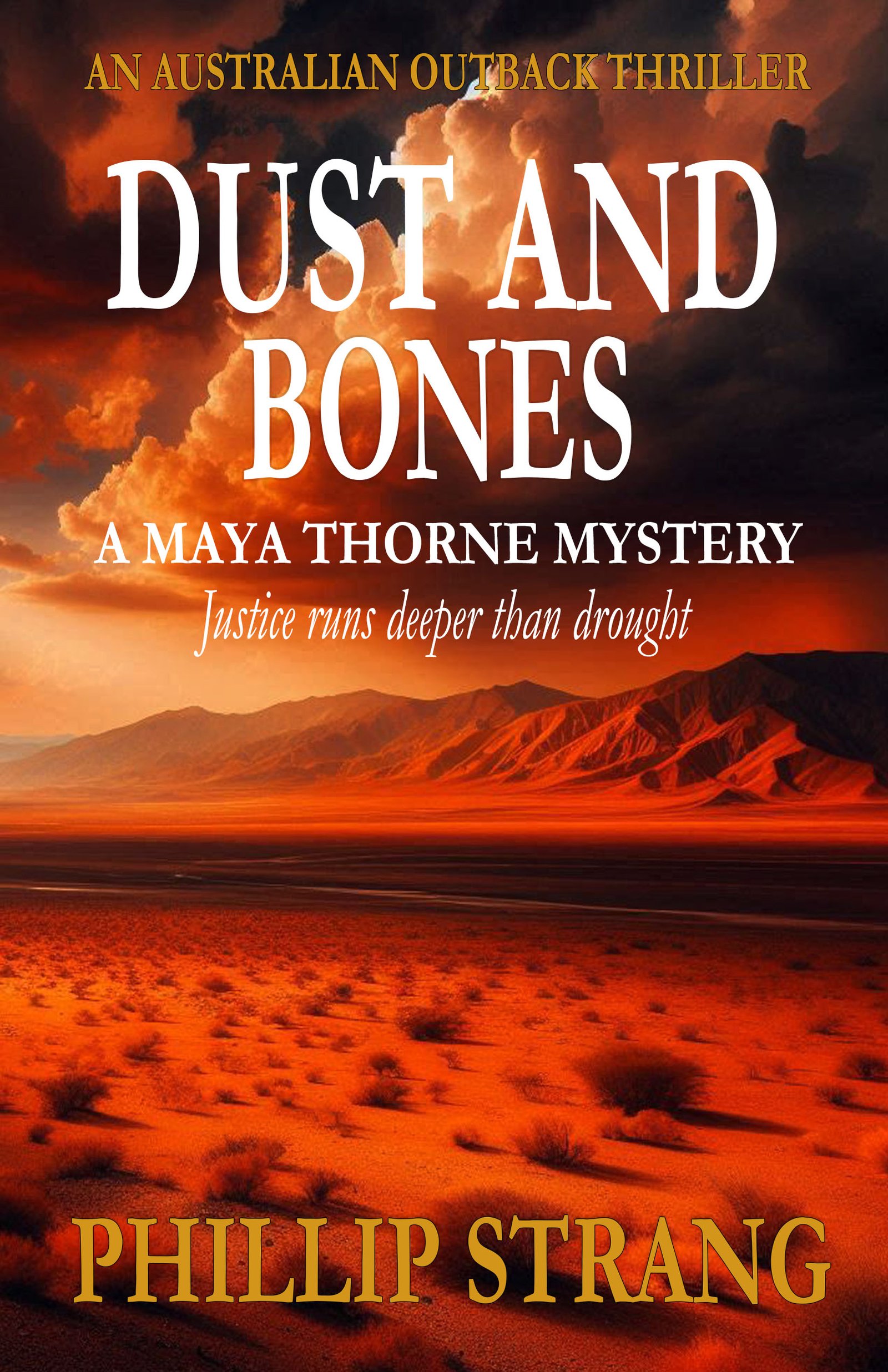
A MAYA THORNE MYSTERY
Get Dust and Bones Free
Justice runs deeper than drought.
Red dust. Shallow graves. A detective who hunts killers where the law runs thin and the nearest help is two hundred miles away.
Send Me the BookYou'll also receive occasional new release emails. Unsubscribe anytime. No spam, ever.
As an Amazon Associate, Phillip Strang earns from qualifying purchases. This page contains affiliate links — buying through them costs you nothing extra.