
The distinction between reader fear and character fear represents one of the most fundamental yet misunderstood aspects of crime fiction craft. Too many writers conflate these two entirely different emotional engines, believing that terrifying their protagonist automatically translates to terrifying their audience. This confusion leads to scenes that feel hollow despite depicting extreme danger, or conversely, moments of quiet tension that somehow grip readers more powerfully than any chase sequence.
Across eighteen series and more than 150 novels, I have found that mastering this distinction separates competent crime writers from those who genuinely understand how to manipulate reader emotion. The most effective crime fiction operates on both levels simultaneously, but through entirely different mechanisms.
Understanding the Fundamental Difference
Reader fear stems from anticipation, knowledge gaps, and the unknown. It lives in what we don’t show rather than what we do. When I place DI Tremayne in a seemingly routine interview that gradually reveals sinister undertones, the reader experiences mounting dread not because Tremayne feels afraid, but because they sense something wrong that he hasn’t yet recognised. This fear exists in the space between what the reader suspects and what the character knows.
Character fear, by contrast, is an emotional response to immediate or perceived threat. It manifests through physical symptoms, thought patterns, and behaviour changes. When Maya Thorne confronts a suspect in the isolated Australian outback, her heightened pulse, tactical awareness, and calculated movements reflect genuine character fear. This fear serves character development and plot function, but it doesn’t automatically create reader fear.
The crucial insight is that these operate independently. A character can experience intense fear while readers feel completely secure, particularly if we’ve established the protagonist’s competence and survival odds. Conversely, readers can experience genuine dread while the character remains oblivious to danger.
Creating Authentic Reader Fear
Reader fear requires three elements: information asymmetry, consequence stakes, and temporal pressure. Information asymmetry means providing readers with either more or less knowledge than the character possesses. When readers know the killer is watching from the shadows while the detective examines evidence, fear builds from their helplessness to intervene. When readers know less than the character, fear emerges from uncertainty about motivations and outcomes.
Effective reader fear often utilises the mundane turned sinister. The most terrifying scenes in the best police procedural novels frequently occur in ordinary settings where something feels subtly wrong. A witness interview in a suburban kitchen becomes menacing not through dramatic revelation, but through accumulating details that suggest hidden malevolence.
Pacing becomes critical for reader fear. Rush the revelation, and tension deflates. Drag it out beyond credibility, and readers disengage. The sweet spot lies in that mounting pressure where readers simultaneously want to know what happens next and dread finding out.
Developing Credible Character Fear
Character fear must feel earned and proportionate. A veteran detective who panics at every crime scene loses credibility, while one who never experiences fear seems inhuman. The key lies in establishing what genuinely threatens each specific character based on their background, psychology, and current circumstances.
Physical manifestations of fear vary dramatically between individuals. Some characters become hyperalert and decisive under threat, while others freeze or make poor choices. These responses should reflect established personality traits and past experiences. A character who survived childhood trauma might react differently to psychological intimidation than one facing physical violence.
Character fear serves multiple narrative functions beyond emotional authenticity. It can reveal backstory, advance character development, and create plot complications. When writing action thriller sequences, character fear often drives tactical decisions and mistake-making that propels the story forward.
How I Actually Approach Fear in My Writing Process
When crafting fear scenes, I start by identifying the primary emotional target. Am I trying to unsettle readers, develop character psychology, or both? This determines my technical approach. For reader-focused fear, I map information flow carefully, deciding what to reveal when and through which perspective. I often write these scenes multiple times, adjusting the pacing and detail selection based on emotional impact.
For character fear, I begin with the physiological and work outward. How does this specific person experience fear? Do they get cold hands, racing thoughts, tunnel vision? I then consider how these responses affect their choices and capabilities. In my DCI Isaac Cook series, Cook’s fear responses reflect his military background – heightened tactical awareness combined with forced emotional detachment.
I test fear effectiveness by reading scenes aloud and monitoring my own physical responses. Effective fear writing should create measurable tension even in the author who knows exactly what happens next. If I find myself skimming my own work, readers certainly will.
Common Mistakes That Undermine Fear
The greatest error involves confusing dramatic intensity with fear creation. Writers often escalate stakes and violence, assuming bigger threats create more fear. A serial killer with increasingly elaborate methods doesn’t automatically generate more reader dread than a perfectly ordinary person whose motivations remain opaque. Fear emerges from uncertainty and vulnerability, not spectacle.
Another frequent mistake is inconsistent character fear responses. A protagonist who demonstrates courage throughout the book suddenly becomes paralysed by relatively minor threats, or conversely, someone established as anxious inexplicably becomes fearless. These inconsistencies destroy emotional credibility. Similarly, writers often describe fear symptoms without connecting them to character behaviour, creating a disconnect between internal state and external action.
Over-explaining fear destroys its effectiveness. Lengthy internal monologues about why a character feels scared or extensive descriptions of physiological responses pull readers out of the emotional moment. Fear works best when suggested through concrete details and demonstrated through choices rather than analysed through exposition. The most effective espionage thrillers maintain tension through understated moments rather than overwritten emotional displays.
Conclusion
Mastering the interplay between reader fear and character fear requires understanding that they serve different narrative purposes and operate through different mechanisms. The most powerful crime fiction orchestrates both simultaneously, creating stories where readers experience genuine emotional investment in authentically frightened characters.
About Phillip Strang
Phillip Strang is an Australian crime and thriller novelist. Across eighteen series and more than 150 novels, his work spans London police procedurals (DCI Isaac Cook), UK investigations (DI Tremayne), Australian outback crime (Maya Thorne), FBI thrillers (Alex Harlan), Scottish Highland mysteries (DI Sarah Lynch), and espionage (Steve Case). Learn more about Phillip or browse his complete catalogue on Amazon.
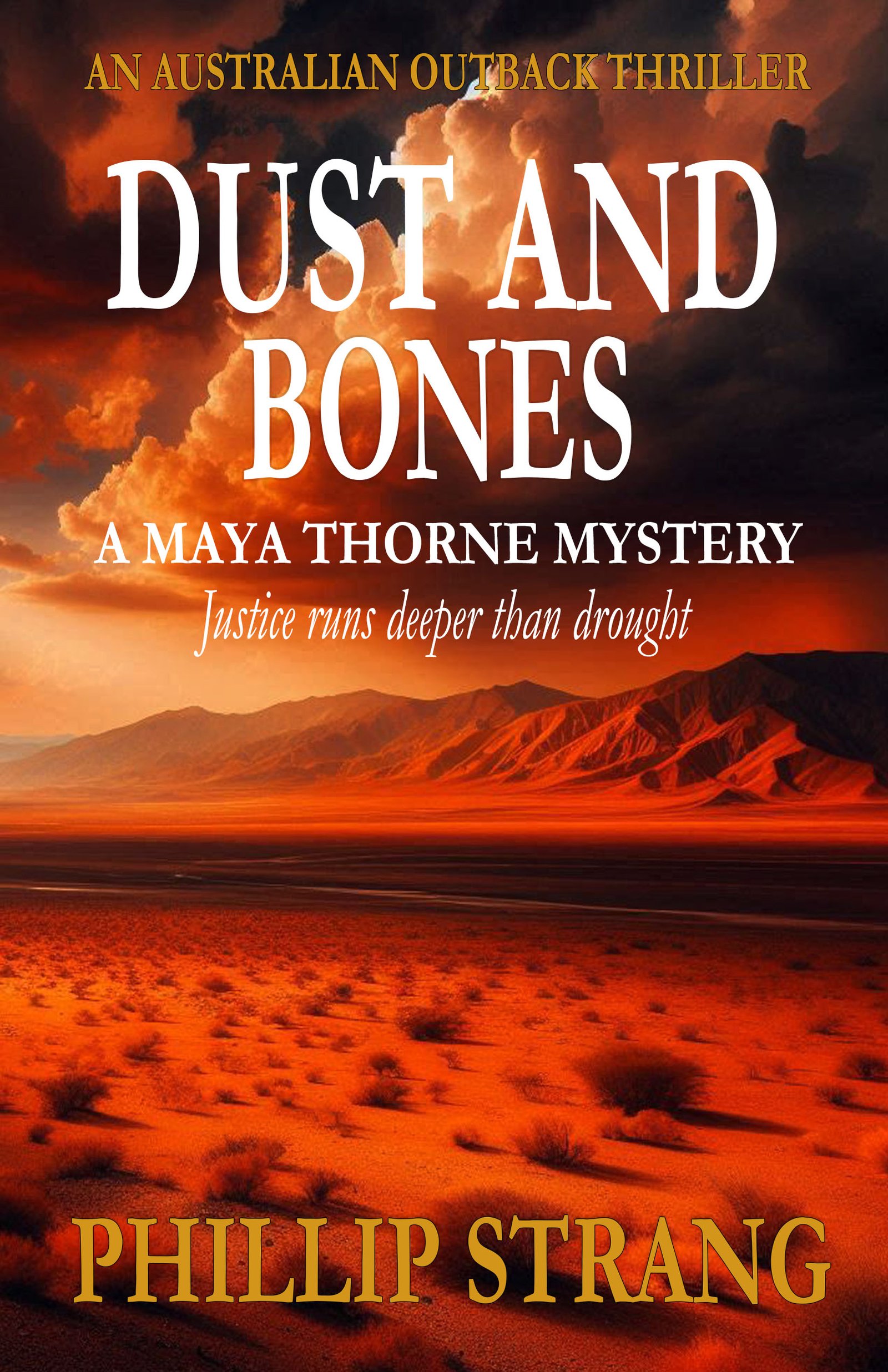
A MAYA THORNE MYSTERY
Get Dust and Bones Free
Justice runs deeper than drought.
Red dust. Shallow graves. A detective who hunts killers where the law runs thin and the nearest help is two hundred miles away.
Send Me the BookYou'll also receive occasional new release emails. Unsubscribe anytime. No spam, ever.
As an Amazon Associate, Phillip Strang earns from qualifying purchases. This page contains affiliate links — buying through them costs you nothing extra.