
Sydney Harbour demands more from a crime writer than simply dropping a body near the Opera House and calling it atmospheric. The harbour’s complex geography, from Circular Quay’s tourist chaos to the secluded bays where serious criminals conduct business, creates unique opportunities for tension that most writers squander through superficial treatment. The key lies in understanding how this massive waterway functions as both opportunity and obstacle for your characters.
Across eighteen series and more than 150 novels, I’ve found that Sydney Harbour works best when treated as an active participant in your story rather than mere backdrop. The harbour shapes how crimes unfold, how investigations proceed, and how characters move through their world in ways that landlocked settings simply cannot match.
The Harbour as Criminal Infrastructure
Sydney Harbour isn’t just scenic—it’s functional criminal territory. The waterway connects legitimate maritime commerce with smuggling operations, provides escape routes that can’t be blocked by road closures, and offers disposal sites that range from shallow tourist areas to deep shipping channels. Smart criminals use the harbour’s rhythms: peak ferry times for blending into crowds, low tide for accessing normally submerged areas, storm weather for moving unseen.
In my Campbell series, set in Sydney’s criminal underworld, I’ve used the harbour’s container terminals as more than convenient meeting spots. These facilities operate on precise schedules that create windows of vulnerability—when security shifts change, when automated systems cycle through their routines, when legitimate workers provide cover for illegitimate activities. The harbour’s infrastructure becomes part of your plot mechanics, not just your scenery.
Consider how police procedural novels can exploit the jurisdictional complexities the harbour creates. Water Police, NSW Police, Australian Federal Police, Maritime Safety Authority—each has overlapping but distinct responsibilities that create gaps criminals exploit and complications investigators must navigate.
Geographic Storytelling Through Harbour Movements
The harbour’s geography forces specific movement patterns that create natural story structure. Characters can’t simply drive anywhere—they must use bridges, ferries, or boats, each choice carrying different implications for timing, visibility, and vulnerability. A chase sequence that moves from Darling Harbour to Manly isn’t just changing locations; it’s escalating through increasingly complex terrain.
Circular Quay functions as a natural convergence point where multiple ferry routes, train lines, and foot traffic create controlled chaos. It’s perfect for handoffs, surveillance operations, or planned encounters because the legitimate reasons for being there are endless. But it’s terrible for private conversations or covert activities—every crime writer needs to understand these functional differences between harbour locations.
The harbour’s tidal nature affects accessibility to certain areas, creating time-sensitive story elements. Low tide exposes walkways and platforms that disappear at high tide. Storm surges change the entire character of normally placid bays. These natural rhythms can drive plot timing in ways that feel organic rather than contrived.
My Working Approach to Harbour Research
I research Sydney Harbour the way I’d research any character—by understanding its motivations and limitations. This means learning ferry schedules, tide tables, and seasonal weather patterns. I’ve spent time at Circular Quay during morning rush hour, walked the foreshore at Woolloomooloo at 2 AM, and observed how different areas of the harbour function at different times.
The practical details matter enormously. How long does it actually take to get from Walsh Bay to Rose Bay by ferry versus by car? Which wharves are busy enough to provide cover and which are isolated enough for private business? Where can a small boat tie up without official scrutiny? These aren’t just setting details—they’re plot constraints that make your story feel grounded in reality.
I also research the harbour’s criminal history, not for specific plot ideas but to understand how real criminals have used this geography. Smuggling routes, police response patterns, and the relationship between legitimate and illegitimate harbour activities provide the foundation for believable fictional crimes.
Avoiding Common Harbour Setting Mistakes
The most persistent mistake is treating the harbour as a postcard rather than a working environment. Writers drop in a reference to the Bridge or Opera House and assume they’ve captured Sydney, but this approach screams tourist rather than resident. Real Sydneysiders don’t constantly marvel at iconic views—they use the harbour functionally, understanding its practical rhythms and limitations.
Another critical error is ignoring the harbour’s class geography. Different areas attract different demographics and criminal activities. The exclusive eastern suburbs present different opportunities and challenges than the working-class areas around the inner west foreshores. Your criminals and investigators should move through these areas in ways that reflect social reality, not just geographic convenience.
Many writers also underestimate the harbour’s scale and complexity. It’s not a simple body of water you can cross quickly—it’s a complex system of bays, inlets, and channels that can take hours to navigate. Characters can’t simply ‘disappear across the harbour’ without specific knowledge of routes, vessels, and destinations. When I’ve used harbour escapes in action thriller scenarios, the logistics must be as carefully planned as any car chase.
Weather and Season as Story Elements
Sydney Harbour’s weather creates dramatic story possibilities that go beyond simple atmosphere. Southerly storms can shut down ferry services and make small boat travel dangerous, effectively isolating characters on different sides of the harbour. Summer easterlies create choppy conditions that affect surveillance from water-based positions. Winter brings fog that can provide cover or create navigational hazards.
The harbour’s seasonal rhythms affect both criminal and investigative activities. Summer brings increased tourist traffic and extended daylight that affects surveillance operations. Winter storms can uncover evidence that’s been submerged or hidden. New Year’s Eve transforms the entire harbour into a security nightmare with over a million people gathered around the waterfront.
These environmental factors work best when they create genuine obstacles or opportunities for your characters rather than simple mood setting. The weather should complicate your plot in ways that feel natural to anyone familiar with Sydney’s harbour conditions.
Smart crime writers also understand that the harbour’s beauty can work against certain types of stories. It’s harder to create truly noir atmosphere when you’re surrounded by sparkling water and million-dollar views. This means finding the darker corners—the industrial areas, the late-night wharves, the service areas that tourists never see—where noir crime thriller elements can develop naturally.
Conclusion
Setting crime fiction in Sydney Harbour successfully requires treating it as infrastructure rather than scenery. The harbour’s complex geography, maritime rhythms, and social divisions create natural story structure when you understand how they actually function rather than how they appear in tourism brochures.
About Phillip Strang
Phillip Strang is an Australian crime and thriller novelist. Across eighteen series and more than 150 novels, his work spans London police procedurals (DCI Isaac Cook), UK investigations (DI Tremayne), Australian outback crime (Maya Thorne), FBI thrillers (Alex Harlan), Scottish Highland mysteries (DI Sarah Lynch), and espionage (Steve Case). Learn more about Phillip or browse his complete catalogue on Amazon.
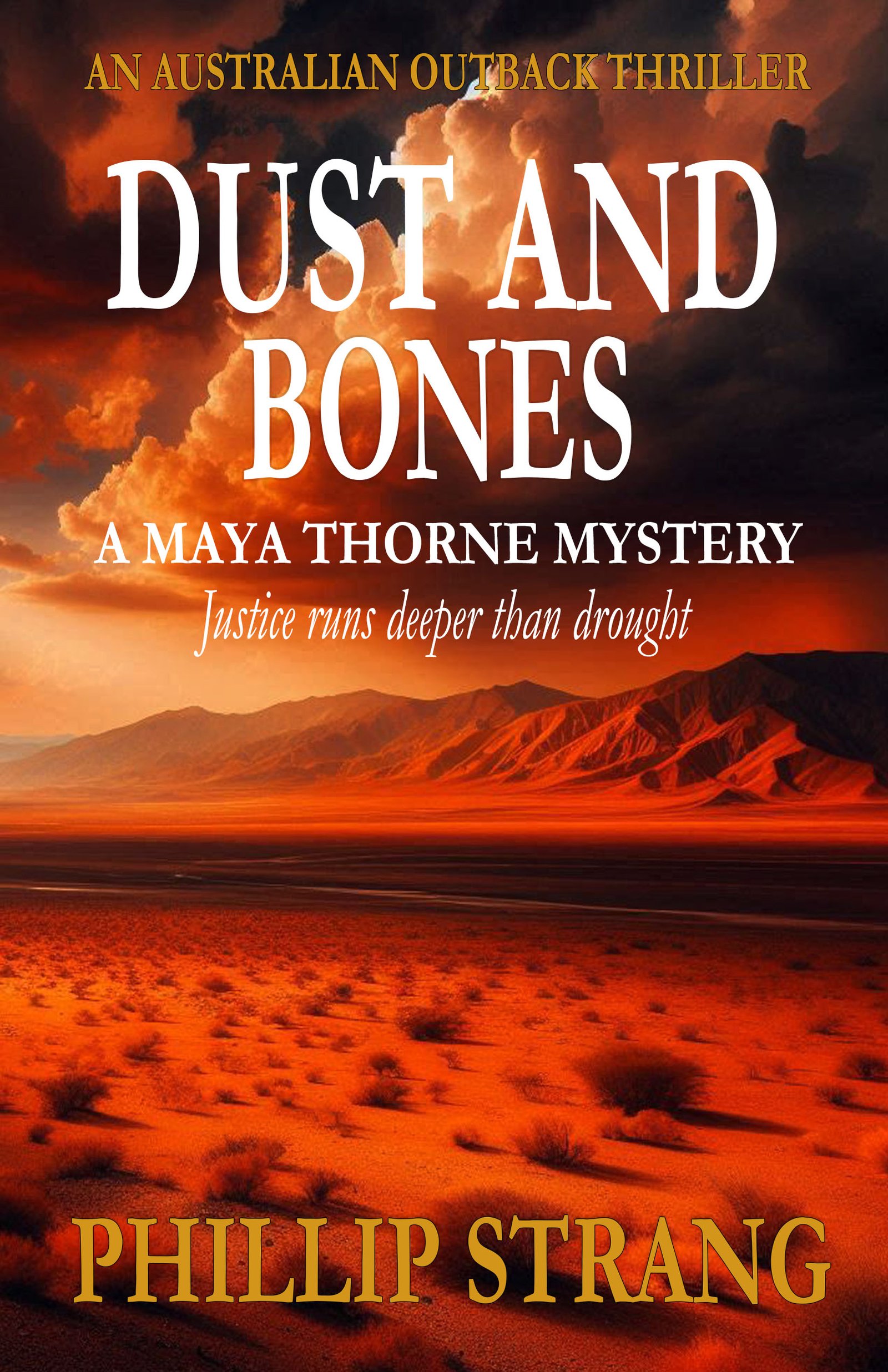
A MAYA THORNE MYSTERY
Get Dust and Bones Free
Justice runs deeper than drought.
Red dust. Shallow graves. A detective who hunts killers where the law runs thin and the nearest help is two hundred miles away.
Send Me the BookYou'll also receive occasional new release emails. Unsubscribe anytime. No spam, ever.
As an Amazon Associate, Phillip Strang earns from qualifying purchases. This page contains affiliate links — buying through them costs you nothing extra.