
The reluctant detective presents one of crime fiction’s most compelling contradictions: a protagonist whose very resistance to the investigation creates the story’s driving tension. Unlike the eager investigator who charges headfirst into danger, the reluctant detective must be dragged, coerced, or circumstantially forced into action, creating an entirely different narrative dynamic that demands careful handling.
This resistance isn’t mere character quirk—it’s the engine of authentic motivation that separates memorable protagonists from forgettable ones. Across eighteen series and more than 150 novels, I’ve found that the most engaging detectives are often those who have compelling reasons to walk away, yet cannot.
The Psychology of Reluctance
True reluctance stems from genuine stakes, not arbitrary stubbornness. Your detective’s resistance must be rooted in something meaningful: past trauma, professional consequences, personal relationships at risk, or moral conflicts. In my DI Tremayne series, the detective’s reluctance often comes from his understanding that certain investigations will destroy the very communities he’s sworn to protect. This creates authentic internal conflict rather than manufactured hesitation.
The key is establishing what your detective stands to lose by taking the case. Perhaps they’re one investigation away from forced retirement, or the case threatens to expose family secrets, or solving it means betraying someone they care about. This reluctance must feel inevitable given their circumstances, not contrived for plot convenience.
Consider also the timing of reluctance. It might emerge at the case’s beginning, middle, or even near the end when the detective realizes the true cost of the truth they’re uncovering. Each placement creates different narrative tensions and reader expectations.
Forcing the Detective’s Hand
Once you’ve established genuine reluctance, you need equally compelling reasons why your detective cannot simply walk away. The forcing mechanism must be stronger than their resistance, creating what I call the ‘narrative vise’—external pressures that make avoidance impossible.
Personal stakes work exceptionally well. In my Maya Thorne outback crime series, the detective’s reluctance to investigate certain cases stems from her understanding of the harsh justice of remote communities, but she’s often forced forward by threats to people she cannot abandon. The key is making the forcing mechanism feel organic to both character and setting.
Professional obligations can work, but avoid the cliché of the reluctant detective being ‘just following orders.’ Instead, consider career consequences, pension threats, or professional reputation at stake. Better yet, combine professional pressure with personal stakes. When your detective’s resistance to the case endangers both their career and someone they care about, you’ve created genuine dramatic tension.
Sometimes the best forcing mechanism is the detective’s own moral compass. They may resist the investigation intellectually while being unable to ignore injustice emotionally. This internal contradiction drives some of the best police procedural novels because it feels authentically human.
My Approach to Reluctant Protagonists
When crafting reluctant detectives, I begin with their breaking point—the moment when walking away becomes impossible. I work backwards from there, establishing both the resistance and the circumstances that will ultimately overcome it. This reverse engineering ensures that every element of reluctance serves the story’s climactic moments.
I’ve learned that reluctance works best when it evolves throughout the investigation. In my DCI Isaac Cook series, Cook’s initial reluctance often stems from political pressure or resource limitations, but as the investigation deepens, his reluctance shifts to moral concerns about the consequences of solving the case. This evolution keeps the character dynamic and the reader engaged.
The reluctant detective’s internal monologue becomes crucial. They need to articulate—to themselves and to readers—exactly why they don’t want this case and exactly why they cannot avoid it. This internal tension drives the narrative forward even during slower investigative scenes.
I also ensure that the reluctance affects the detective’s methodology. A reluctant investigator might take longer to interview certain witnesses, delay following obvious leads, or hope evidence points in different directions. This reluctance should create investigative obstacles that feel character-driven rather than plot-imposed.
Common Pitfalls to Avoid
The most frequent mistake is making reluctance feel artificial or temporary. If your detective protests taking the case for half a chapter then enthusiastically dives in, you’ve wasted the setup. True reluctance must persist and evolve, not simply disappear once the investigation begins. I’ve seen manuscripts where the detective says ‘I don’t want this case’ then immediately starts interviewing witnesses with obvious enthusiasm—this destroys credibility.
Another common error is confusing reluctance with incompetence. A reluctant detective can still be highly skilled; their resistance should stem from external or internal conflicts, not from inability to do the job. When reluctance becomes an excuse for poor investigative work, readers lose respect for the protagonist.
Avoid making the reluctance too easily overcome. If a single conversation or minor threat immediately transforms your resistant detective into an eager investigator, the initial reluctance feels like a throwaway plot device. The transition from reluctance to commitment should be gradual and costly, requiring genuine sacrifice or character growth.
Many writers also make the mistake of having other characters constantly comment on the detective’s reluctance. This external commentary often feels heavy-handed and unnecessary. Let the reluctance show through actions, decisions, and internal conflict rather than through other characters pointing it out repeatedly. The detective’s resistance should be evident in how they approach interviews, examine evidence, and make investigative choices.
Finally, ensure that the reluctance serves the story’s larger themes. In action thriller novels, reluctance might highlight the personal cost of violence, while in espionage thrillers, it might explore the moral ambiguity of intelligence work. Reluctance should illuminate character and theme, not obstruct them.
Resolving the Reluctance Arc
The resolution of your detective’s reluctance becomes as important as its establishment. This doesn’t necessarily mean they overcome their resistance—sometimes the most powerful ending shows a detective who solves the case while maintaining their original concerns were justified. The resolution should feel earned through the investigation’s events, not imposed by authorial convenience.
Consider whether solving the case vindicates the detective’s initial reluctance or proves it unfounded. Both can work effectively, but the choice affects your story’s ultimate meaning. If the detective was right to be reluctant, you’re suggesting that some truths come at too high a cost. If their reluctance was misplaced, you’re affirming the value of pursuing justice despite personal reservations.
The reluctant detective’s arc often mirrors the reader’s journey from uncertainty to understanding. By the investigation’s end, both detective and reader should understand not only who committed the crime but also why the detective’s initial resistance mattered and what overcoming or maintaining that resistance ultimately means.
Conclusion
The reluctant detective offers crime writers a powerful tool for creating authentic character motivation and sustainable series tension. When reluctance stems from genuine stakes and evolves organically throughout the investigation, it transforms ordinary crime plots into compelling character studies that resonate long after the case is closed.
About Phillip Strang
Phillip Strang is an Australian crime and thriller novelist. Across eighteen series and more than 150 novels, his work spans London police procedurals (DCI Isaac Cook), UK investigations (DI Tremayne), Australian outback crime (Maya Thorne), FBI thrillers (Alex Harlan), Scottish Highland mysteries (DI Sarah Lynch), and espionage (Steve Case). Learn more about Phillip or browse his complete catalogue on Amazon.
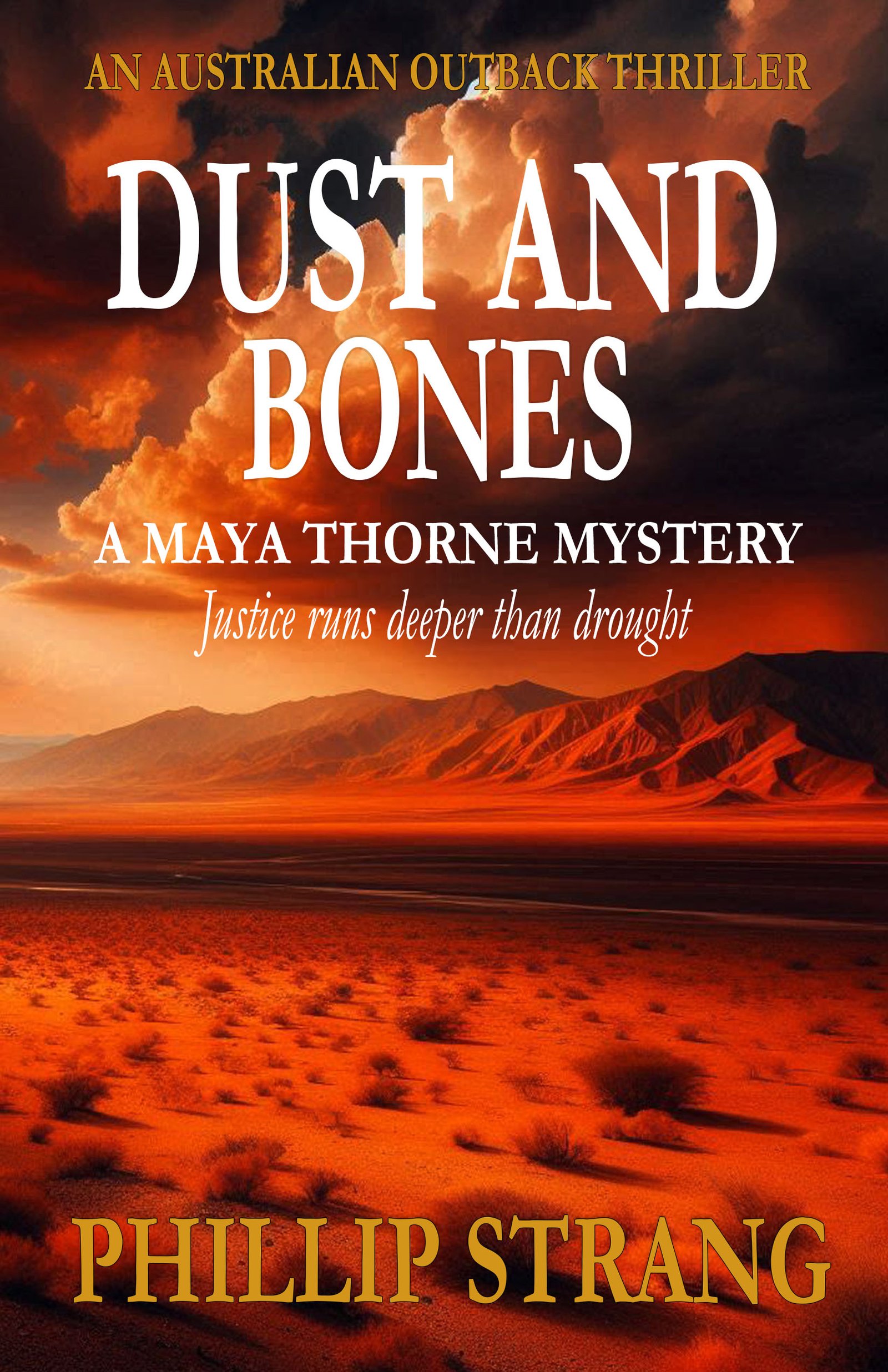
A MAYA THORNE MYSTERY
Get Dust and Bones Free
Justice runs deeper than drought.
Red dust. Shallow graves. A detective who hunts killers where the law runs thin and the nearest help is two hundred miles away.
Send Me the BookYou'll also receive occasional new release emails. Unsubscribe anytime. No spam, ever.
As an Amazon Associate, Phillip Strang earns from qualifying purchases. This page contains affiliate links — buying through them costs you nothing extra.