
The retired detective presents one of crime fiction’s most deceptively complex character archetypes. Whether they’re drawn back into active service or investigating from the margins, these characters carry decades of fictional baggage that must be carefully managed to avoid cliché while leveraging their unique storytelling potential.
Across eighteen series and more than 150 novels, I’ve found that writing retired detective characters requires a fundamentally different approach than creating their active-duty counterparts. The challenge lies not just in justifying their involvement in current cases, but in making their accumulated experience feel like genuine wisdom rather than convenient exposition.
The Authority Problem
Retired detectives face an immediate credibility gap that active investigators never encounter. They lack official standing, access to resources, and the automatic deference that comes with a badge. This limitation, however, becomes their greatest narrative strength when handled properly. The key is establishing alternative forms of authority that feel earned rather than convenient.
In my experience, the most effective retired detectives gain influence through relationships built over decades of service. Former colleagues who trust their judgment, informants who still owe favours, and a deep understanding of how systems work from the inside. This network approach feels more authentic than the lone wolf detective who somehow maintains access to classified databases.
The mistake many writers make is giving retired characters too much official cooperation. Real bureaucracies don’t welcome interference from former employees, regardless of their track record. The tension between what these characters know needs doing and what they’re actually permitted to do creates natural conflict that drives plot forward.
Managing the Time Gap
Every retired detective carries a gap between their last case and their current involvement. This period represents both opportunity and danger for the writer. Handle it poorly, and you’re left with a character frozen in time, speaking in outdated police jargon and referencing procedures that no longer exist.
The gap years must be accounted for without becoming the story’s focus. What has your detective been doing? How have they stayed sharp, or alternatively, how has retirement dulled their edge? These questions matter because they affect how the character approaches new challenges.
I’ve found that the most interesting retired detectives are those who’ve tried to leave the job behind completely, only to discover they can’t escape what they are. The reluctant return creates immediate tension and gives the character an internal conflict that runs parallel to whatever external case they’re investigating. This approach works particularly well in police procedural novels where the contrast between old and new methods becomes part of the story’s texture.
The passage of time also affects the detective’s physical capabilities. Acknowledging these limitations without making them the story’s central focus requires a delicate balance. Age brings wisdom and patience, but it also brings slower reflexes and less physical resilience. These trade-offs should feel real without becoming melodramatic.
How I Approach Retired Detective Characters
When I’m developing a retired detective, I start with what drove them out of active service in the first place. Retirement by choice creates a different character than retirement by force, and forced retirement due to injury creates different dynamics than retirement due to departmental politics or personal scandal.
The circumstances of their departure shape everything about how they’ll approach a comeback case. A detective who left voluntarily after thirty years of good service will have different resources and attitudes than one who was pushed out after a controversial shooting or corruption investigation.
I also consider what these characters have learned to value during retirement. Time with family, personal hobbies, freedom from bureaucracy – these elements must feel genuinely important to the character, not just convenient obstacles to overcome when the plot demands action. When they choose to risk these newfound pleasures for a case, that choice must carry weight.
In my DI Tremayne series, I’ve explored how a detective’s approach changes with experience and age. The willingness to bend rules doesn’t necessarily increase with time – sometimes it decreases as the consequences of past shortcuts become clear. This creates different types of investigative approaches that can surprise readers familiar with younger, more impulsive detective characters.
The Wisdom Trap
Retired detectives are often written as repositories of accumulated wisdom, dispensing insights born of decades of experience. This approach feels artificial because real expertise doesn’t manifest as quotable observations about human nature. Instead, it appears as pattern recognition, intuitive leaps, and the ability to ask the right questions based on what similar cases have taught.
True investigative wisdom shows itself in what the detective doesn’t do as much as what they do. They don’t chase obvious leads that experience suggests will prove fruitless. They don’t get distracted by red herrings they’ve seen before. They focus their limited energy on approaches they’ve learned actually work.
The challenge is conveying this expertise without making the character seem infallible or reducing younger colleagues to incompetent foils. Retired detectives should have blind spots, areas where the job has changed beyond their experience, or personal biases that decades of success have reinforced. These limitations keep them human while preserving their credibility as investigative forces.
Moreover, the best retired detective characters in character-driven novels understand that their value lies not in being right about everything, but in knowing which battles are worth fighting and which institutional obstacles can be circumvented rather than confronted directly.
Common Mistakes and What to Avoid
The most frequent error I see with retired detective characters is making them too convenient for the plot’s needs. They appear exactly when needed with exactly the right expertise or connections. Real retired cops have gaps in their knowledge, areas of investigation they never mastered, and networks that have grown rusty with disuse.
Another common problem is the magical database access. Somehow these characters can still run license plates, access criminal records, and obtain forensic reports despite having no official standing. This breaks credibility and removes natural obstacles that create tension. When a retired detective needs information, getting it should require favours, persuasion, or creative approaches that reveal character.
Writers also tend to make retired detectives too bitter or too nostalgic about the old days. The bitter veteran who complains constantly about modern policing becomes tiresome quickly, while the nostalgic character who romanticizes past methods ignores the real improvements in forensics, civil rights protections, and investigative techniques that have occurred over recent decades.
The physical capability issue often goes to extremes. Either the retired detective is impossibly spry for their age, engaging in foot chases and physical confrontations like someone half their age, or they’re written as doddering and frail to the point where their involvement becomes implausible. Real aging falls between these extremes – some capabilities diminish while others, like patience and observational skills, may actually improve.
The Comeback Structure
Whether your retired detective returns for a single case or launches into a new series, the structure of their re-engagement needs careful consideration. The inciting incident that draws them back must feel personal enough to overcome their reluctance, but not so personal that it overwhelms the mystery elements.
Family connections work well – a relative’s death, a friend’s child in trouble, or a case that echoes something from their past. The key is making the personal stake enhance rather than replace the procedural elements that readers expect. The detective’s emotional investment should sharpen their focus, not cloud their judgment.
I’ve found that the most effective comeback stories acknowledge the rust factor. Skills that were once second nature may need conscious effort to recall. Professional networks require careful reactivation. The rhythm of active investigation feels different after years away from the job.
This realistic approach to professional re-engagement creates natural pacing for the story. Early chapters can establish the detective’s hesitation and the gradual return of investigative instincts, while later sections show them operating at something approaching their former capability. This progression gives the character arc structure that supports rather than competes with the mystery plot.
The comeback also provides opportunities to explore how both the detective and the profession have changed during their separation. New technologies, different priorities, evolved procedures – these changes can create both obstacles and opportunities that add texture to action thriller novels and more methodical investigative stories alike.
Conclusion
Writing retired detective characters successfully requires balancing their accumulated expertise with realistic limitations, creating plausible reasons for their involvement while acknowledging their lack of official authority. The best comeback cops feel like real people who happen to have extraordinary investigative skills, not convenient plot devices wrapped in decades of artificial wisdom.
About Phillip Strang
Phillip Strang is an Australian crime and thriller novelist. Across eighteen series and more than 150 novels, his work spans London police procedurals (DCI Isaac Cook), UK investigations (DI Tremayne), Australian outback crime (Maya Thorne), FBI thrillers (Alex Harlan), Scottish Highland mysteries (DI Sarah Lynch), and espionage (Steve Case). Learn more about Phillip or browse his complete catalogue on Amazon.
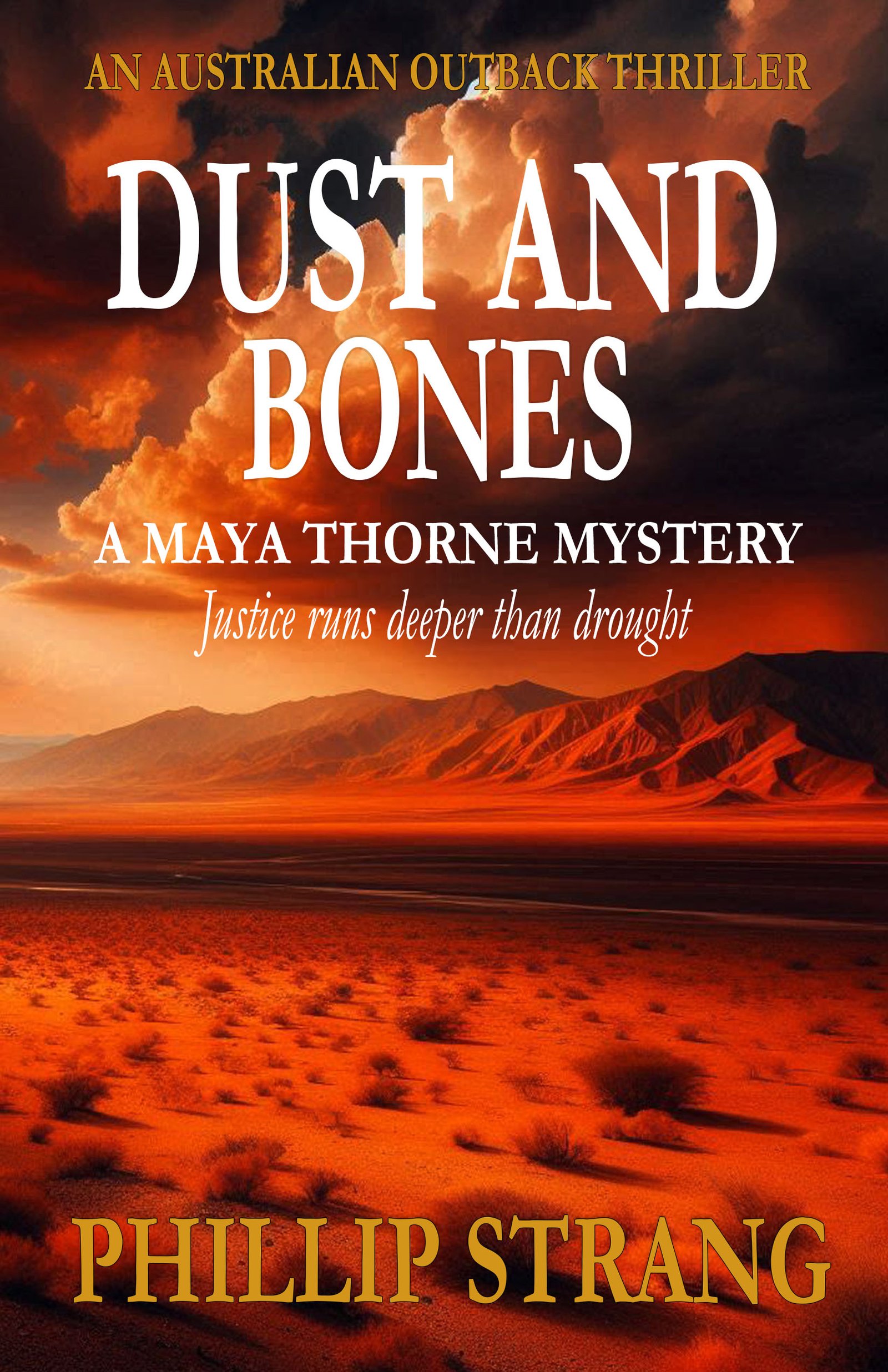
A MAYA THORNE MYSTERY
Get Dust and Bones Free
Justice runs deeper than drought.
Red dust. Shallow graves. A detective who hunts killers where the law runs thin and the nearest help is two hundred miles away.
Send Me the BookYou'll also receive occasional new release emails. Unsubscribe anytime. No spam, ever.
As an Amazon Associate, Phillip Strang earns from qualifying purchases. This page contains affiliate links — buying through them costs you nothing extra.