
The rookie detective presents one of crime fiction’s most potent yet underutilized narrative opportunities. Too many writers treat inexperience as a liability to overcome rather than a strategic asset to exploit. The rookie’s fresh eyes, procedural uncertainty, and emotional vulnerability create natural tension that seasoned detectives simply cannot deliver.
Across eighteen series and more than 150 novels, I have found that rookie detectives offer writers a unique lens through which to examine familiar crime scenarios with renewed urgency. When I introduced DI Sarah Lynch to the Scottish Highlands, her outsider status and relative inexperience became essential tools for both plot development and reader engagement. The rookie detective isn’t just learning the ropes—they’re teaching your readers how your fictional world operates.
The Rookie as Reader Surrogate
The inexperienced detective serves as your reader’s proxy in ways that veteran characters cannot. When your rookie asks basic questions about procedure, jurisdiction, or local crime patterns, they’re voicing exactly what your readers need to know. This eliminates the clunky exposition that plagues many crime novels where seasoned detectives somehow need to explain things they should already understand.
Your rookie’s learning curve becomes the reader’s learning curve. When they misread evidence or jump to premature conclusions, readers experience the same revelations and corrections. This creates an intimate partnership between character and audience that generates genuine investment in outcomes. The rookie’s mistakes don’t frustrate readers—they educate them about the complexities of criminal investigation while maintaining narrative momentum.
Consider how the rookie’s questions naturally introduce forensic procedures, legal constraints, and investigative protocols without resorting to awkward dialogue between experienced professionals. The rookie detective transforms necessary exposition into organic character development, making information delivery feel earned rather than forced.
Inexperience as Tension Generator
Rookie detectives create multiple layers of tension that experienced investigators cannot match. There’s the obvious tension of whether they’ll solve the case, but also the deeper anxiety about whether they’ll make costly mistakes, miss crucial evidence, or endanger themselves through inexperience. This double-edged tension keeps readers simultaneously rooting for success and fearing failure.
The rookie’s uncertainty amplifies every decision point. When seasoned detectives choose between investigative paths, readers trust their judgment. When rookies make the same choices, readers question everything. This uncertainty transforms routine procedural elements into high-stakes moments. A simple interview becomes fraught with possibility—will the rookie ask the right questions, pick up on subtle cues, or inadvertently alert a suspect?
Physical confrontations carry extra weight when your protagonist lacks experience. Readers understand that veteran detectives have survived previous encounters, but rookies represent unknown quantities. Their first foot chase, first armed suspect, first crime scene all become heightened experiences because readers cannot predict how inexperience will affect performance under pressure.
Fresh Perspective on Familiar Territory
Rookie detectives see crime scenes, suspects, and evidence differently than their experienced colleagues. They haven’t yet learned what to ignore or dismiss as irrelevant. This naivety becomes a powerful narrative tool for introducing unexpected angles on familiar crime scenarios. While veteran detectives might overlook seemingly minor details based on experience, rookies examine everything with equal intensity.
When I developed Maya Thorne for the Australian outback setting, her relative inexperience with rural crime patterns allowed her to approach cases without the preconceptions that might blind more experienced investigators. She noticed details that veterans might dismiss, asked questions that seasoned detectives assumed they knew the answers to, and pursued leads that experience might have labeled dead ends.
The rookie’s fresh perspective also extends to character interactions. They haven’t yet learned to categorize people into familiar types, making their observations more detailed and nuanced. Where experienced detectives might quickly label someone as a ‘typical suburban housewife’ or ‘standard street informant,’ rookies examine individuals more carefully, often uncovering complexities that drive plot development.
My Approach to Writing Rookie Authenticity
Writing convincing rookie detectives requires balancing competence with inexperience. They must be intelligent and capable enough to drive investigations forward while remaining believably new to the profession. I achieve this by focusing on specific knowledge gaps rather than general incompetence. My rookies understand basic investigative principles but lack the pattern recognition and intuitive leaps that come from years of experience.
I give my rookie detectives strong foundational skills in areas like observation, logical thinking, and interpersonal communication, while limiting their experience with specific crime types, local networks, or advanced investigative techniques. This creates characters who can competently handle basic police work while still learning the subtle complexities that distinguish good detectives from great ones.
The key is showing growth without sacrificing the inexperience that makes the character valuable. I track specific learning moments throughout each book, allowing readers to witness skill development without losing the fresh perspective that makes rookies compelling. By the series’ end, they’ve gained experience while retaining the curiosity and analytical approach that initially set them apart.
Research becomes crucial when writing rookies because their learning process must feel authentic. I ensure their questions, mistakes, and discoveries align with realistic training gaps. The best police procedural novels demonstrate how proper research transforms rookie characters from plot devices into believable professionals navigating genuine challenges.
Common Pitfalls in Rookie Detective Characterization
The most frequent mistake involves making rookies too incompetent or too perfect. Writers often swing between bumbling novices who couldn’t solve obvious crimes and unrealistic prodigies who outperform veterans from day one. Neither extreme serves the story effectively. The bumbling rookie frustrates readers and undermines plot credibility, while the instant expert eliminates the learning curve that makes rookie characters compelling.
Another common error is treating inexperience as purely negative. Writers focus solely on what rookies don’t know rather than leveraging what they see differently. This approach wastes the rookie’s primary narrative advantage—their fresh perspective on familiar situations. When my DCI Isaac Cook mentors younger officers, the dynamic works because both characters contribute unique strengths rather than the rookie simply receiving wisdom.
Many writers also fail to research actual police training and career progression, creating rookies who lack knowledge they should possess or demonstrate skills they haven’t yet developed. A rookie detective should understand basic investigative procedures and legal requirements while lacking the experience to apply these principles efficiently in complex situations. They should ask informed questions, not display complete ignorance of police work fundamentals.
The supporting cast often suffers when writers focus entirely on the rookie’s limitations. Veteran colleagues become either dismissive obstacles or patient teachers, rather than complex individuals with their own motivations and challenges. This dynamic reduces rich ensemble possibilities to simple mentor-student relationships that quickly become predictable and limiting.
Building Credible Professional Growth
Effective rookie detective development requires showing specific skill acquisition rather than vague improvement over time. I focus on particular investigative techniques, local knowledge, or professional relationships that develop throughout each case. This allows readers to track concrete progress while maintaining the character’s essential rookie perspective.
The growth must feel earned through experience rather than delivered through exposition or training montages. When rookies learn to read crime scenes more effectively, it should result from examining multiple scenes and making observable connections. When they develop better interview techniques, readers should witness the trial and error process that builds these skills.
Professional relationships provide another avenue for realistic development. Rookies gradually earn respect from colleagues, build networks of contacts, and learn to navigate departmental politics. These interpersonal developments feel more natural than sudden investigative breakthroughs and provide ongoing character development opportunities across multiple books.
The rookie’s emotional growth often parallels their professional development. Early cases might affect them more deeply than they expect, teaching valuable lessons about maintaining objectivity while preserving empathy. This emotional maturation process resonates with readers who understand that character-driven narratives require authentic psychological development alongside plot advancement.
Conclusion
The rookie detective represents crime fiction’s ideal fusion of character development and plot advancement. Their inexperience creates natural tension, generates fresh perspectives on familiar crimes, and provides readers with an accessible entry point into complex investigations. When written with authenticity and strategic purpose, rookie detectives transform from simple protagonists into powerful narrative engines that drive both individual stories and series-long character arcs.
About Phillip Strang
Phillip Strang is an Australian crime and thriller novelist. Across eighteen series and more than 150 novels, his work spans London police procedurals (DCI Isaac Cook), UK investigations (DI Tremayne), Australian outback crime (Maya Thorne), FBI thrillers (Alex Harlan), Scottish Highland mysteries (DI Sarah Lynch), and espionage (Steve Case). Learn more about Phillip or browse his complete catalogue on Amazon.
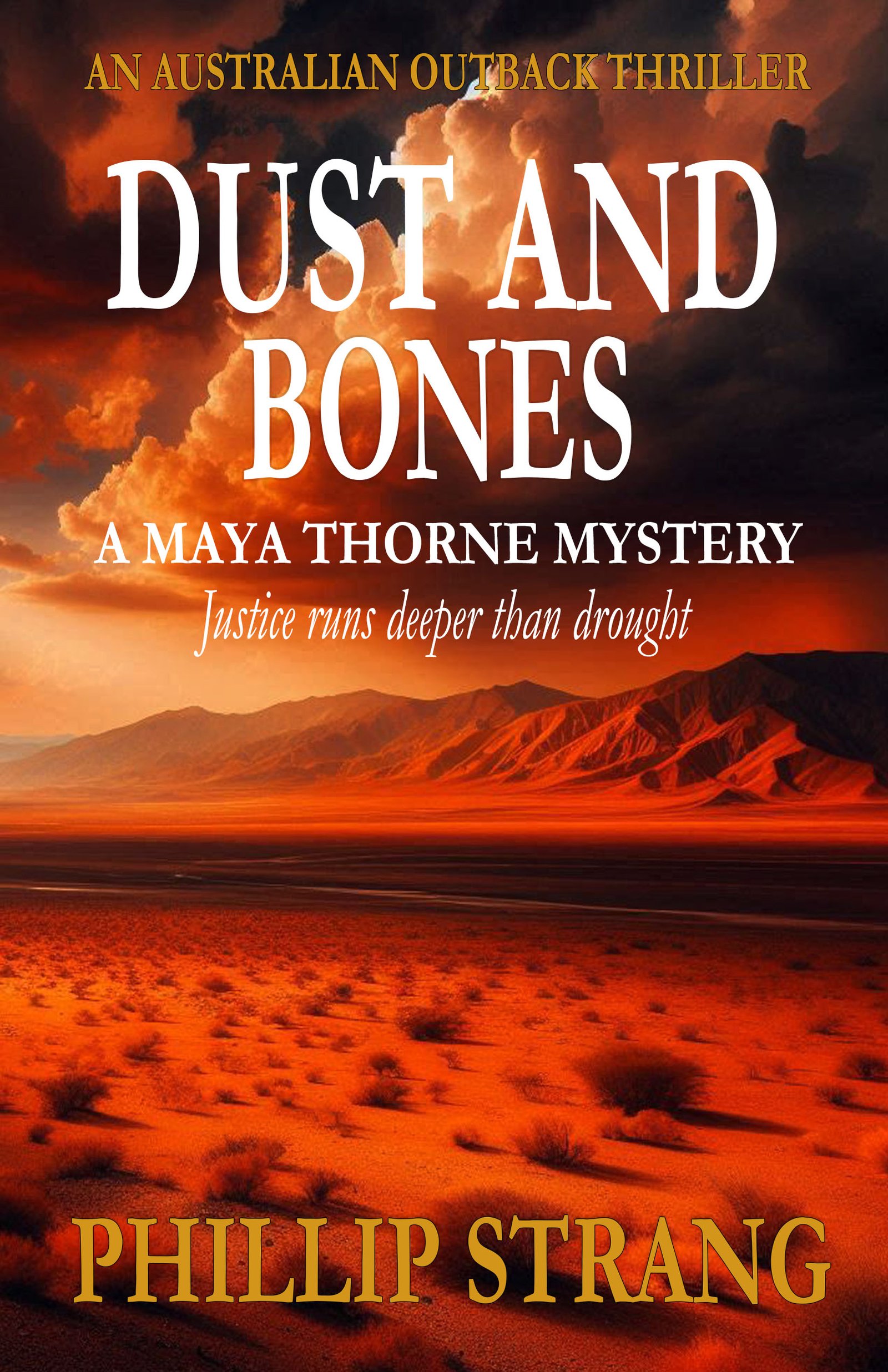
A MAYA THORNE MYSTERY
Get Dust and Bones Free
Justice runs deeper than drought.
Red dust. Shallow graves. A detective who hunts killers where the law runs thin and the nearest help is two hundred miles away.
Send Me the BookYou'll also receive occasional new release emails. Unsubscribe anytime. No spam, ever.
As an Amazon Associate, Phillip Strang earns from qualifying purchases. This page contains affiliate links — buying through them costs you nothing extra.