
The female detective operating within a male-dominated police force, FBI unit, or intelligence agency presents unique narrative opportunities that extend far beyond simple gender dynamics. When done poorly, these characters become walking grievance studies or superhuman paragons who never face realistic professional challenges.
Across eighteen series and more than 150 novels, I have found that the most compelling female detectives earn their authority through demonstrated competence while navigating institutional realities that exist whether we acknowledge them or not. The key lies in creating characters whose gender influences their experience without defining their capability.
Establishing Competence Before Conflict
The biggest mistake writers make is opening with their female detective already embattled, fighting for respect she has never earned on the page. Readers need to see why this character deserves the badge before they will care about the obstacles she faces wearing it. In my police procedural work, I ensure my female investigators demonstrate their investigative skills within the first few scenes, establishing their professional credibility independent of any workplace friction.
DI Sarah Lynch in my Scottish Highlands series exemplifies this approach. Before any mention of gender-based challenges, readers witness her reading crime scenes with precision, connecting evidence threads others miss, and making tactical decisions that prove sound. Her competence becomes the foundation from which all other character elements grow. When colleagues later question her methods or authority, readers already know she belongs in that role.
This technique works because it mirrors reality. Successful women in law enforcement, intelligence, and investigative fields typically excel at their core responsibilities before confronting systemic challenges. Their expertise becomes their armor, and their track record becomes their ammunition when institutional pushback occurs.
Navigating Professional Hierarchies Realistically
Male-dominated professional environments operate according to established hierarchies, informal networks, and unwritten rules that female characters must navigate strategically. The strongest female detectives in fiction understand these dynamics and work within them while pursuing their objectives. They pick their battles based on tactical considerations rather than responding emotionally to every slight or challenge.
Consider how experienced female investigators actually handle resistance from male colleagues or superiors. They document their decisions carefully, build alliances with influential figures who respect competence, and choose moments to assert authority when the stakes justify potential backlash. They understand that being right is not always enough; timing and context determine when being right becomes professionally viable.
Maya Thorne, operating in the Australian outback where traditional attitudes run deep, succeeds by understanding local power structures and working through established channels when possible. She recognizes when direct confrontation serves the investigation and when diplomatic approaches preserve relationships she needs for future cases. This strategic thinking reflects how competent professionals actually operate in challenging environments.
My Approach to Writing Professional Dynamics
When developing female detective characters, I focus on specific behavioral details rather than broad statements about gender discrimination. How does she handle interruptions in briefings? What tone does she adopt when giving orders to resistant subordinates? How does she respond when credit for her work gets assigned elsewhere? These micro-interactions reveal character more effectively than lengthy internal monologues about workplace inequality.
I also consider how different female characters might handle identical situations based on their personality, experience level, and strategic objectives. A rookie detective might challenge every perceived slight, while a veteran investigator saves her energy for battles that actually matter. A character seeking promotion might navigate politics more carefully than one nearing retirement who can afford to speak bluntly.
The key is showing rather than telling. Instead of having characters announce that they face gender-based challenges, I demonstrate those challenges through dialogue, decision-making processes, and the different standards applied to their performance. When done subtly, these elements enrich the character without overwhelming the criminal investigation that remains the story’s primary focus.
Common Mistakes That Undermine Authenticity
Many writers create female detectives who seem perpetually angry about their professional circumstances rather than focused on solving crimes. These characters spend more time fighting their colleagues than pursuing criminals, turning every interaction into a gender-based confrontation. This approach quickly becomes exhausting for readers who came for the mystery, not the workplace drama.
Another frequent error involves making female characters unrealistically perfect to compensate for institutional challenges. These detective solve every case, never make tactical errors, and always deliver perfect comebacks to difficult colleagues. Such characters feel artificial because real competence includes occasional failures and learning experiences. The most compelling female investigators make mistakes, adapt their approaches, and grow throughout their series.
The opposite extreme proves equally problematic: female detectives who succeed only through male mentors or romantic relationships. These characters never demonstrate independent competence, requiring rescue or validation from male characters at crucial moments. Authentic female professionals rely on their own skills while building professional networks that include both men and women who respect their abilities.
Writers also tend to over-explain their female characters’ motivations or background, as if readers need special justification for why women might choose law enforcement careers. This excessive exposition signals that the writer views female detectives as unusual rather than simply professional. The strongest action thrillers featuring female protagonists treat their career choices as naturally as they would for male characters.
Dialogue and Professional Voice
Female detectives operating in male-dominated environments develop distinctive communication styles that reflect both their personality and their professional circumstances. Some adopt more direct, authoritative speech patterns that mirror successful male colleagues. Others maintain softer tones while ensuring their instructions are followed completely. The key is consistency between the character’s strategic approach and her verbal choices.
Pay attention to how your female detective gives orders, asks questions, and responds to challenges. Does she use humor to defuse tension? Does she adopt formal language to establish authority? How does her communication style change when speaking with suspects versus colleagues versus superiors? These variations create realistic characters who adapt their approach to different professional situations.
Consider also how other characters respond to your female detective’s voice and presence. Realistic male colleagues will show varying degrees of acceptance, resistance, and respect based on their own personalities and experiences. Some will judge her more harshly than male counterparts, others will treat her identically, and a few might actually prefer working with her. This variety reflects the complexity of real professional environments.
The goal is creating dialogue that sounds natural while advancing both character development and plot progression. When female detectives speak with authority earned through demonstrated competence, their voice carries weight with both fictional colleagues and readers who have watched them prove themselves through previous investigations.
Long-Term Character Development
Female detectives in series fiction should evolve throughout multiple books, gaining experience, building reputations, and changing how they navigate professional challenges. Early books might focus on establishing competence and earning initial respect. Later installments can explore how success changes their approach to leadership, mentorship, and institutional reform.
This progression mirrors real career development. Junior female investigators often work twice as hard to prove themselves, while senior female detectives might focus on changing systems for the next generation. Some characters become more confrontational as they gain security, while others develop subtler influence techniques. The trajectory should reflect both individual personality and accumulated professional experience.
Series also allow writers to explore how changing institutional attitudes affect their characters. Police departments, FBI units, and intelligence agencies have evolved significantly regarding gender equality, and long-running series can reflect these shifts while maintaining character consistency. The challenge lies in updating environmental factors without losing the core elements that made the character compelling initially.
Conclusion
Writing authentic female detectives requires understanding both individual character psychology and institutional dynamics without reducing either to simple stereotypes. The most compelling characters earn respect through professional excellence while navigating realistic workplace challenges that enhance rather than overshadow their investigative work. When done effectively, these characters feel like natural inhabitants of their professional world rather than visitors making political statements about it.
About Phillip Strang
Phillip Strang is an Australian crime and thriller novelist. Across eighteen series and more than 150 novels, his work spans London police procedurals (DCI Isaac Cook), UK investigations (DI Tremayne), Australian outback crime (Maya Thorne), FBI thrillers (Alex Harlan), Scottish Highland mysteries (DI Sarah Lynch), and espionage (Steve Case). Learn more about Phillip or browse his complete catalogue on Amazon.
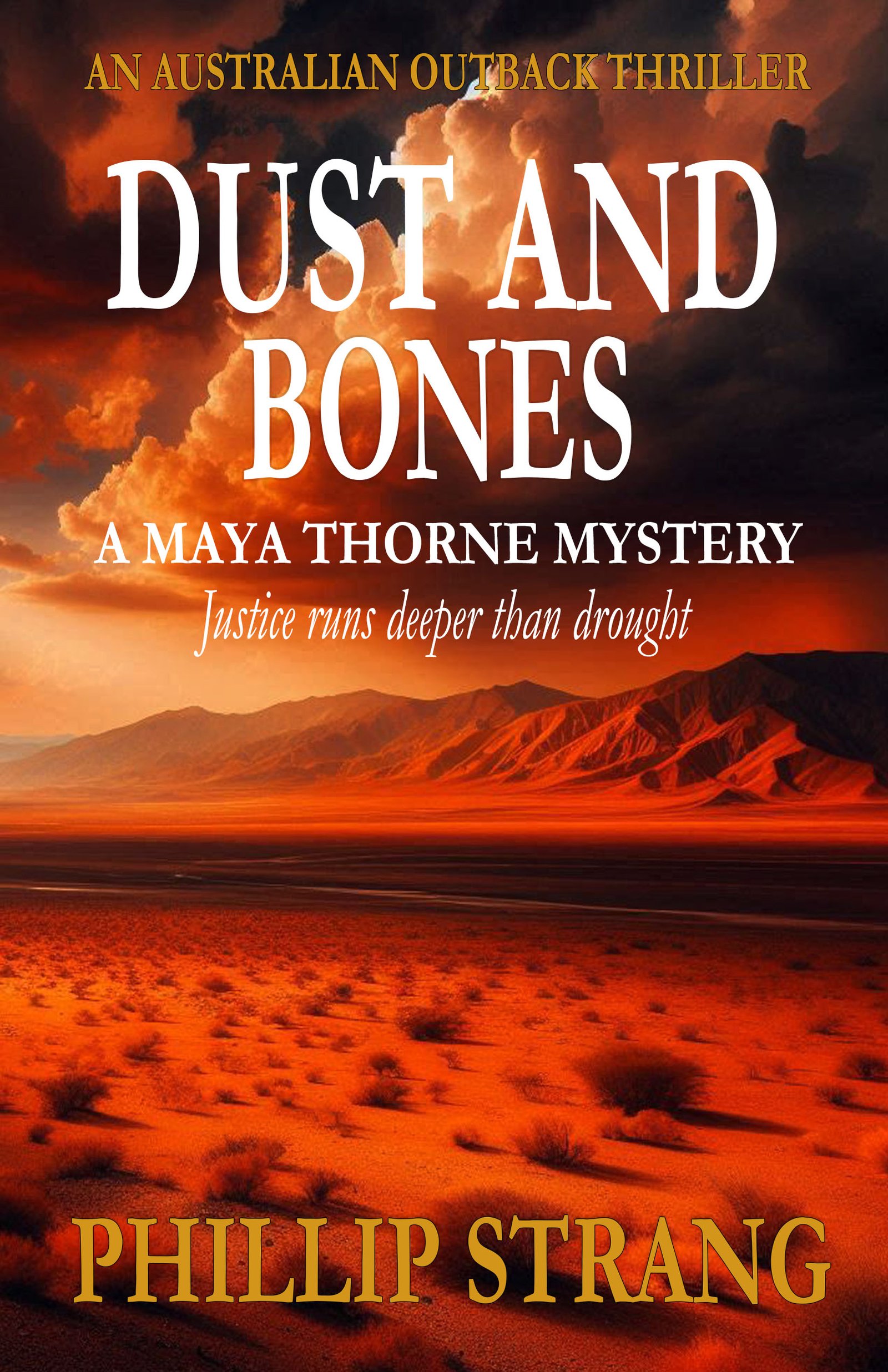
A MAYA THORNE MYSTERY
Get Dust and Bones Free
Justice runs deeper than drought.
Red dust. Shallow graves. A detective who hunts killers where the law runs thin and the nearest help is two hundred miles away.
Send Me the BookYou'll also receive occasional new release emails. Unsubscribe anytime. No spam, ever.
As an Amazon Associate, Phillip Strang earns from qualifying purchases. This page contains affiliate links — buying through them costs you nothing extra.