
The elderly character in crime fiction presents unique challenges that extend far beyond adding grey hair and a walking stick. These characters demand careful navigation of the tension between accumulated wisdom and physical vulnerability, between sharp insight and the reality of aging memory.
Across eighteen series and more than 150 novels, I have found that elderly characters often become the most compelling figures in crime fiction when writers resist both patronising stereotypes and unrealistic heroics. The key lies in understanding how age genuinely affects motivation, capability, and perspective within the framework of criminal investigation.
The Authority of Experience Versus Physical Reality
Elderly characters bring decades of human observation to crime scenes, but their bodies may no longer match their analytical sharpness. This contradiction creates natural dramatic tension. In my DI Tremayne series, I deliberately aged my protagonist through the books, watching how his investigative instincts sharpened even as his physical stamina declined. The result was a character who relied increasingly on psychological insight rather than legwork.
The mistake many writers make is treating age as either complete incapacitation or irrelevant detail. Neither approach serves the story. A seventy-five-year-old detective may spot behavioural patterns that younger officers miss, precisely because they have witnessed similar situations decades earlier. However, that same character might struggle with technology, tire more easily during long interrogations, or find their authority questioned by younger colleagues. This creates authentic conflict that drives plot forward rather than simply adding window dressing.
Physical limitations should never become the primary defining characteristic, but ignoring them entirely creates unbelievable characters. The most effective approach balances genuine constraints with compensatory strengths that arise specifically from experience.
Memory as Both Weapon and Weakness
Memory in elderly crime fiction characters operates on multiple levels that extend beyond simple forgetfulness or perfect recall. Long-term memory often remains sharp while recent details blur, creating opportunities for both revelation and misdirection. An elderly witness might remember exactly what happened forty years ago while struggling to recall yesterday’s conversation.
This selective memory creates fascinating narrative possibilities. Characters may connect current crimes to historical patterns invisible to younger investigators. They recognise family resemblances, remember old grudges, understand the significance of seemingly trivial local history. However, their testimony requires careful verification, not because they are unreliable, but because memory naturally reconstructs rather than simply recording.
I have used this dynamic repeatedly in my police procedural novels, where elderly characters become inadvertent repositories of crucial information. The challenge lies in making their contributions feel essential rather than convenient. Their insights must emerge logically from their specific experiences rather than serving as deus ex machina solutions.
The key is understanding that memory loss and memory retention follow patterns. Emotional memories persist longer than factual ones. Repeated experiences blur together while unique events remain vivid. Professional knowledge learned over decades becomes second nature even as names and faces fade.
Motivation Beyond Revenge and Nostalgia
Elderly characters in crime fiction too often fall into narrow motivational categories: seeking revenge for old wrongs or reminiscing about better times. These approaches underestimate the complexity of human motivation in later life. Real elderly characters may be driven by desire to protect younger generations, need to resolve unfinished business, or determination to use remaining time meaningfully.
In developing Maya Thorne for my Australian outback crime series, I created a character whose age provided specific advantages in understanding remote community dynamics. Her motivation stemmed not from nostalgia but from practical concern about escalating violence threatening people she cared about. Age gave her patience for long-term investigation and credibility with suspicious rural communities.
The strongest elderly crime fiction characters possess motivations that arise directly from their life stage. They may feel urgency about limited time remaining, responsibility for knowledge only they possess, or freedom from conventional career concerns. These motivations create different pacing and different stakes than typical crime protagonists face.
Avoid the assumption that elderly characters automatically become wise mentors or bitter antagonists. Many remain actively engaged with contemporary issues rather than dwelling on the past. Their concerns may be intensely current: protecting grandchildren from modern dangers, understanding technological threats, navigating changing social dynamics.
My Approach to Writing Age Authentically
When I write elderly characters, I focus first on their specific expertise and how age has refined rather than diminished it. A retired forensic pathologist does not forget anatomy because they turned seventy. A former intelligence officer retains tradecraft instincts regardless of physical slowing. Age typically deepens professional knowledge rather than erasing it.
I research the particular challenges and advantages of aging within specific professions. Police officers develop pattern recognition that improves with experience. Doctors learn to spot subtle symptoms younger practitioners miss. Lawyers understand procedural nuances that come only from decades of practice. This professional competence provides foundation for credible elderly protagonists.
Physical limitations require careful research rather than lazy assumptions. Arthritis affects fine motor control differently than gross motor skills. Hearing loss creates specific communication challenges. Vision changes impact different activities in varying degrees. I consult medical sources to understand how specific conditions actually affect daily function rather than relying on stereotypes.
Most importantly, I write elderly characters as complete people whose age is one characteristic among many. Their dialogue reflects their generation’s communication patterns without becoming caricature. Their technology use varies by individual interest and necessity. Their relationships span multiple generations and serve various emotional needs. In my action thriller novels, elderly characters often provide crucial support precisely because criminals underestimate their capabilities and connections.
Common Pitfalls and How to Avoid Them
The greatest error in writing elderly crime fiction characters is treating age as either disability or irrelevance. Characters who shuffle helplessly through scenes serve no narrative purpose, while those who act exactly like thirty-year-olds ignore realistic constraints. Neither approach creates believable people.
Dialogue represents another frequent problem. Elderly characters should not constantly reference their age or pepper speech with outdated expressions. A seventy-year-old in 2024 grew up in the 1950s and 1960s, not the 1920s. Their cultural references and communication styles reflect their actual generational experience rather than generic old-fashioned speech patterns.
Technology use varies enormously among elderly individuals. Some embrace new tools enthusiastically while others resist change, but these preferences stem from personality and necessity rather than automatic age-based incompetence. An elderly character might master smartphone photography for grandchildren while avoiding social media, or use computer databases professionally while struggling with streaming services.
Physical capabilities require nuanced understanding. Joint stiffness affects different activities differently. Medication can cause various side effects. Energy levels fluctuate throughout the day. However, many elderly people remain physically active and mentally sharp. The key is specificity rather than broad assumptions.
Avoid making elderly characters repositories of convenient coincidences. Their knowledge and connections should feel earned through believable life experience. When they provide crucial information, that information should arise logically from their backgrounds rather than appearing randomly helpful. Similarly, their limitations should create genuine obstacles rather than artificial drama.
The most damaging mistake is writing elderly characters as either saints or villains based solely on age. Real elderly people display the full range of human complexity. They may be generous or selfish, wise or foolish, patient or irritable. Age affects how they express these characteristics but does not determine their fundamental nature. In developing characters for my espionage thrillers, I have found that elderly operatives often possess ruthless pragmatism precisely because experience has taught them about human nature’s darker aspects.
Conclusion
Writing authentic elderly characters in crime fiction requires understanding age as one factor among many that shapes personality, capability, and motivation. The most effective approach balances realistic limitations with genuine strengths, creating characters whose age enhances rather than defines their role in the story. When done well, elderly characters bring depth and authenticity that enriches the entire narrative.
About Phillip Strang
Phillip Strang is an Australian crime and thriller novelist. Across eighteen series and more than 150 novels, his work spans London police procedurals (DCI Isaac Cook), UK investigations (DI Tremayne), Australian outback crime (Maya Thorne), FBI thrillers (Alex Harlan), Scottish Highland mysteries (DI Sarah Lynch), and espionage (Steve Case). Learn more about Phillip or browse his complete catalogue on Amazon.
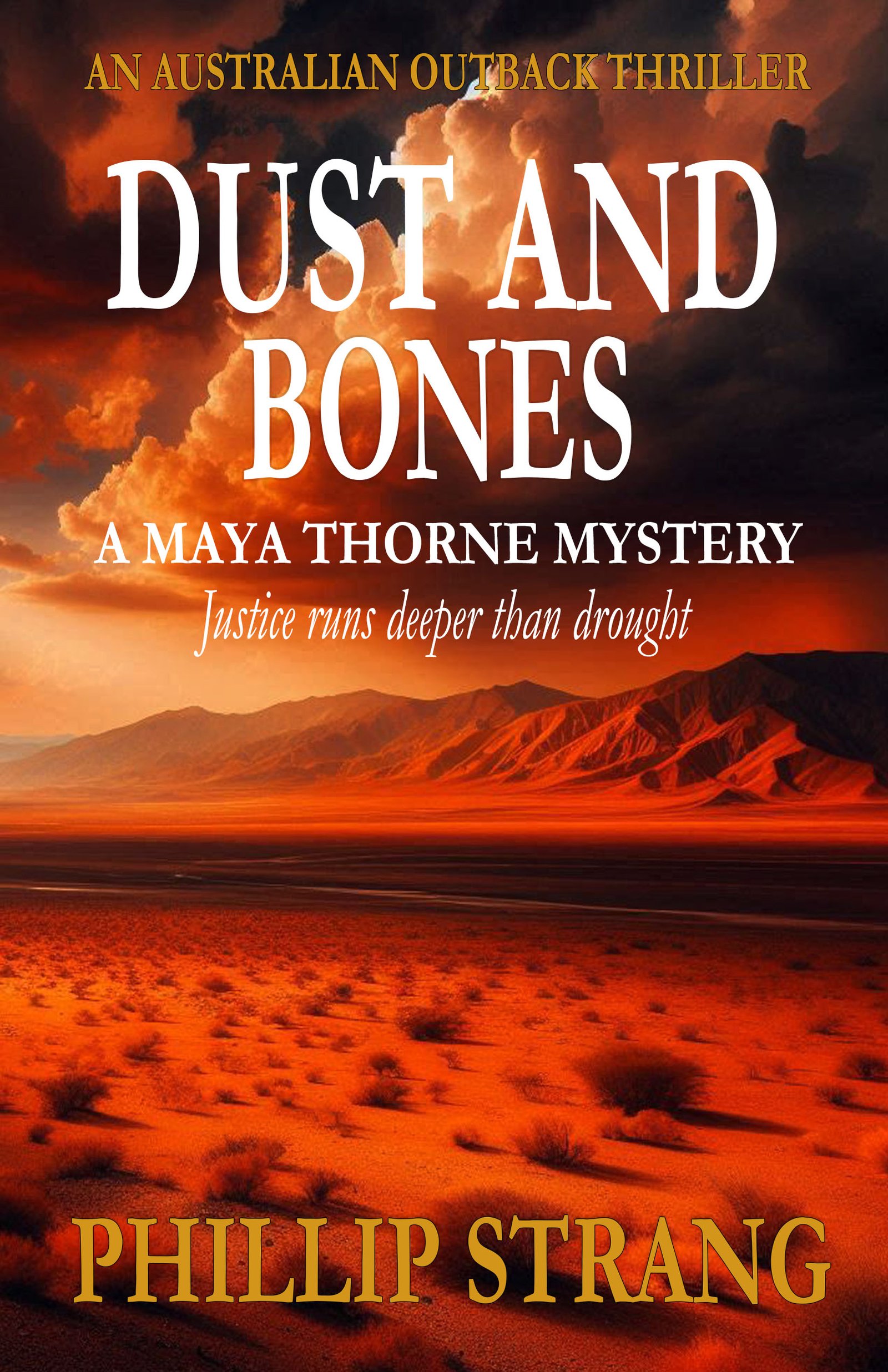
A MAYA THORNE MYSTERY
Get Dust and Bones Free
Justice runs deeper than drought.
Red dust. Shallow graves. A detective who hunts killers where the law runs thin and the nearest help is two hundred miles away.
Send Me the BookYou'll also receive occasional new release emails. Unsubscribe anytime. No spam, ever.
As an Amazon Associate, Phillip Strang earns from qualifying purchases. This page contains affiliate links — buying through them costs you nothing extra.