
Coastal crime fiction demands more than dropping a murder onto a beach and calling it atmospheric. The sea isn’t mere backdrop—it’s a living character that shapes every aspect of your story, from the psychology of your characters to the practical mechanics of how crimes unfold and evidence behaves.
Across eighteen series and more than 150 novels, I’ve found that the coast offers crime writers unique opportunities and specific challenges that require deliberate craft choices. The interplay between human nature and maritime environment creates narrative possibilities unavailable to landlocked stories, but only when you understand how salt air, tides, and isolation actually function within your plot structure.
The Sea as Active Participant, Not Passive Setting
The ocean doesn’t wait politely in the background while your detective solves crimes. It moves evidence, destroys alibis, and creates time pressures that urban mysteries can’t match. In my DI Sarah Lynch series, set in the Scottish Highlands where sea lochs cut deep into the landscape, I learned that water must actively participate in the story’s logic or it becomes expensive decoration.
Consider how tides affect your timeline. A body discovered at low tide presents different investigative challenges than one found during spring tide. The twelve-hour cycle creates natural deadlines—evidence exposed now will vanish beneath the waterline in six hours. This isn’t atmospheric window dressing; it’s plot architecture. Your detective can’t leisurely examine a crime scene when the next high tide will wash away footprints, blood traces, or crucial physical evidence.
Weather patterns become investigative tools. Experienced coastal investigators read wind direction, wave height, and current patterns to determine where bodies or evidence originated. If you’re writing police procedural novels, your detective should understand these maritime forensics as naturally as an urban cop reads traffic patterns.
How I Actually Approach Coastal Crime Writing
My process starts with tide charts and weather data before I outline the first chapter. I research the specific coastal geography where my story unfolds—not for tourism brochure descriptions, but for practical details about currents, seasonal weather patterns, and how locals actually live with the sea’s rhythms.
I map the crime’s relationship to water before I develop characters. Did the murder happen during storm season when boats can’t launch for days? Is the victim found on a beach accessible only at low tide? How does the killer’s knowledge of local maritime conditions reveal their connection to the community? These questions shape character motivation and plot logic more effectively than deciding whether your detective likes morning walks on the beach.
For my Maya Thorne series, though set in Australia’s outback, the rare coastal episodes required understanding how drought-hardened land reacts to sudden coastal storms. The contrast between inland investigation techniques and coastal evidence recovery created specific procedural challenges that drove plot development. Research the practical realities first; atmosphere follows naturally from authentic detail.
Weather as Investigation Driver
Coastal weather doesn’t just set mood—it controls access, destroys evidence, and creates the isolation that makes certain crimes possible. Fog doesn’t simply look atmospheric; it provides cover for smuggling operations, makes witness identification unreliable, and forces investigators to work by sound rather than sight.
Storm systems create investigation windows. Your detective might have seventy-two hours before the next weather front makes boat access impossible, trapping suspects on islands or cutting off mainland support. This natural time pressure eliminates the need for contrived deadlines while creating genuine urgency.
Seasonal patterns affect crime types and investigation methods. Winter storms alter shipping schedules, changing when smuggling operations can move goods. Summer tourist seasons flood coastal areas with strangers, complicating witness identification but providing more potential observers. Spring tides expose areas of beach normally underwater, potentially revealing evidence hidden for months.
Weather also shapes character psychology differently than urban environments. Coastal residents develop specific relationships with weather patterns that inform their behavior, alibis, and local knowledge. A character who claims ignorance about tide times while living on the waterfront immediately raises suspicion with experienced investigators.
The Psychology of Isolation
Coastal communities operate under different social pressures than urban areas, and these dynamics directly impact crime fiction plotting. Islands, remote headlands, and storm-cut coastal towns create natural locked-room scenarios where everyone knows everyone else’s business, yet secrets persist for generations.
The sea’s presence affects character psychology in measurable ways. People who live with constant weather awareness develop different risk assessment patterns than urban dwellers. They read environmental signs automatically and plan activities around natural cycles. Your characters’ relationship with maritime environment reveals personality, local knowledge, and credibility as witnesses or suspects.
Isolation breeds specific crime types. Smuggling operations flourish in areas where official oversight is minimal and local knowledge is essential. Family secrets persist longer in communities where everybody’s business is known but discussing it openly threatens social cohesion. Economic crimes often involve marine resources—fishing quotas, coastal development rights, shipping access.
In coastal crime fiction, the community’s relationship with outsiders becomes a plot element. Tourists, seasonal residents, and newcomers stand out immediately, but they also represent opportunities for crimes that exploit the knowledge gap between locals and visitors.
Common Mistakes That Sink Coastal Crime Stories
Most failed coastal crime fiction treats the sea as scenery rather than system. Writers describe crashing waves and salty air without understanding how tides, currents, and weather actually affect investigation logistics. A detective who ignores tide schedules while searching for evidence appears incompetent, not atmospheric.
Romanticizing coastal life undermines crime fiction credibility. Real coastal communities deal with economic hardship, environmental degradation, and social isolation that create authentic crime motives. Postcard-pretty fishing villages don’t generate the tensions that drive compelling mysteries unless you explore the economic and social realities beneath the surface charm.
Technical ignorance about maritime matters destroys reader trust quickly. If you don’t understand basic boat handling, tide behavior, or weather patterns, coastal readers will notice immediately. Research how evidence behaves in salt water, how tides affect crime scene access, and what maritime skills your characters would realistically possess.
Overusing weather for dramatic effect rather than plot function creates melodrama instead of tension. Storms shouldn’t conveniently arrive to complicate investigations unless the timing serves the story’s logic. Similarly, fog that appears whenever you need to hide something feels contrived rather than atmospheric.
Finally, ignoring the economic realities of coastal life limits crime motivation authentically. Fishing industry decline, tourism dependence, coastal development pressure, and environmental regulation create genuine conflicts that generate believable criminal activity. Coastal crime fiction works best when crimes emerge from the specific pressures of maritime life rather than generic murder motives transported to scenic locations.
Conclusion
Effective coastal crime fiction integrates sea, weather, and place into the story’s fundamental structure rather than using them for atmospheric decoration. When the maritime environment actively shapes investigation methods, creates authentic time pressures, and drives character psychology, the coast becomes an essential story element that enhances rather than complicates your crime narrative.
About Phillip Strang
Phillip Strang is an Australian crime and thriller novelist. Across eighteen series and more than 150 novels, his work spans London police procedurals (DCI Isaac Cook), UK investigations (DI Tremayne), Australian outback crime (Maya Thorne), FBI thrillers (Alex Harlan), Scottish Highland mysteries (DI Sarah Lynch), and espionage (Steve Case). Learn more about Phillip or browse his complete catalogue on Amazon.
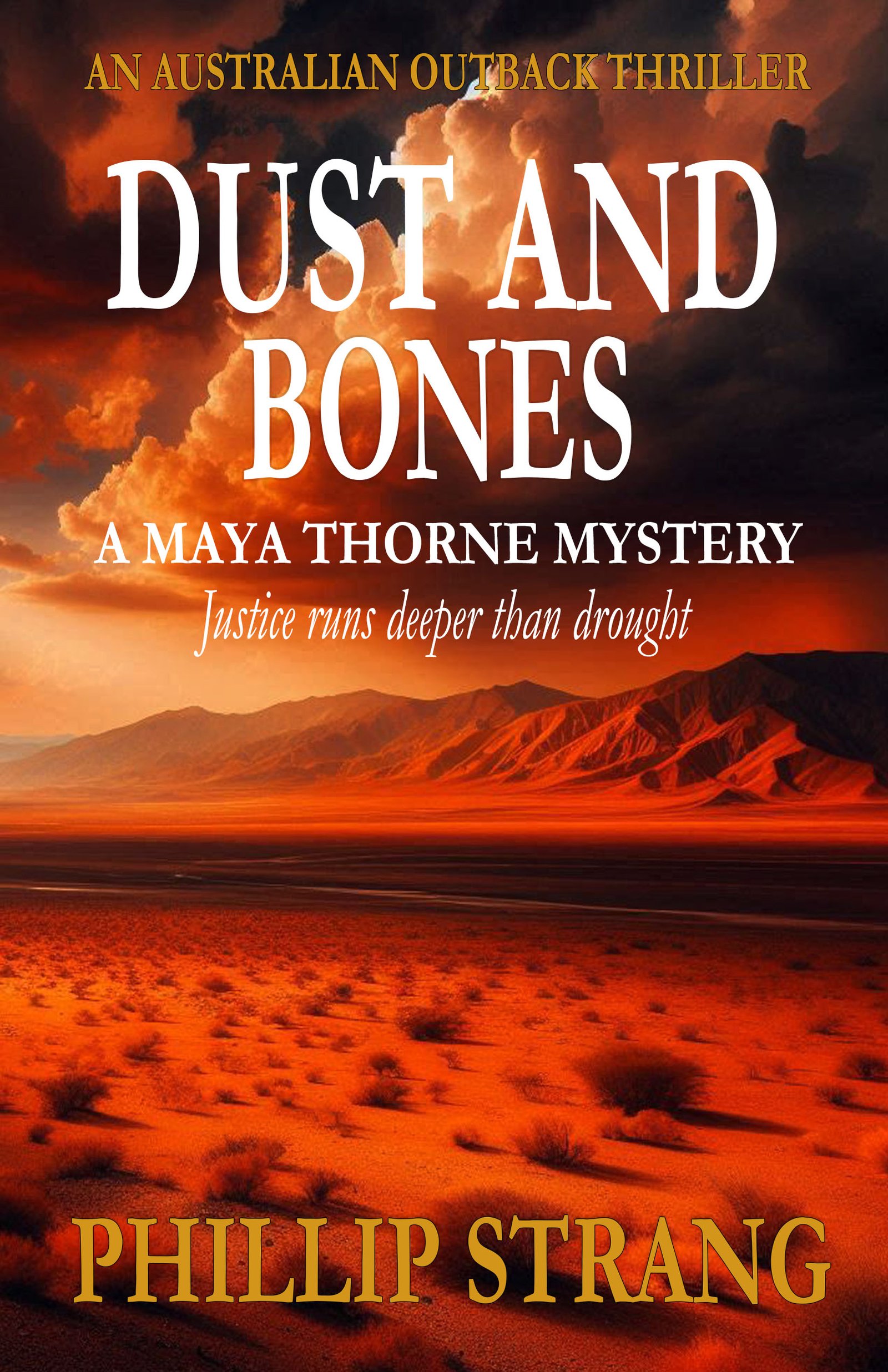
A MAYA THORNE MYSTERY
Get Dust and Bones Free
Justice runs deeper than drought.
Red dust. Shallow graves. A detective who hunts killers where the law runs thin and the nearest help is two hundred miles away.
Send Me the BookYou'll also receive occasional new release emails. Unsubscribe anytime. No spam, ever.
As an Amazon Associate, Phillip Strang earns from qualifying purchases. This page contains affiliate links — buying through them costs you nothing extra.