
Weather isn’t window dressing in crime fiction—it’s ammunition. The storm that isolates your suspects, the heat wave that frays tempers before murder, the fog that conceals the killer’s escape: these aren’t atmospheric flourishes but structural elements that can make or break your plot’s credibility.
Most writers treat weather as an afterthought, a bit of colour to splash across their scenes. Across eighteen series and more than 150 novels, I’ve found that weather works best when it functions as an active participant in your story, not a passive backdrop.
Weather as Constraint and Opportunity
The fundamental principle is simple: weather creates problems your characters must solve. In my DI Tremayne series, I frequently use Dartmoor’s notorious weather as both obstacle and revelation. A sudden fog doesn’t just add atmosphere—it forces my detective to rely on different investigative methods, perhaps discovering crucial evidence he would have missed in clear conditions.
Think of weather as a chess player moving pieces on your board. Snow blocks roads, stranding suspects and witnesses in specific locations. Rain washes away forensic evidence but might also reveal buried secrets when it floods. Extreme heat pushes people indoors during certain hours, creating alibis or destroying them. Each weather event reshapes the tactical landscape of your investigation.
The key mistake here is using weather as pure hindrance. If your blizzard only exists to slow down the detective, you’re wasting narrative real estate. Instead, let that same blizzard force the killer to change plans, create unexpected witness encounters, or preserve evidence that would otherwise decompose.
Temperature as Character Psychology
Heat and cold don’t just affect evidence—they alter human behaviour in ways that drive plot. Extreme temperatures lower inhibitions, increase aggression, and cloud judgment. This isn’t metaphorical; it’s measurably true, and your crime fiction should exploit it.
In my Maya Thorne Australian outback series, the relentless heat isn’t scenic description. It’s a pressure cooker that explains why rational people make lethal decisions. When temperatures soar above forty degrees Celsius for days, tempers snap more easily, old grievances surface faster, and the social fabric of small communities tears in predictable ways.
Cold operates differently but just as effectively. Bitter weather forces people into closer proximity—the cabin fever scenario that’s been driving crime plots for decades. But beyond the claustrophobic angle, cold affects cognitive function. People make worse decisions when they’re genuinely cold, not just uncomfortable. Their reaction times slow. They take shortcuts they wouldn’t normally consider. These aren’t character flaws to overcome but plot opportunities to exploit.
Consider how your murderer’s choice of weapon might change in sub-zero temperatures. How does your detective’s reasoning process alter when conducting interviews in sweltering heat? The best police procedural novels understand that environmental stress affects everyone in the story, not just the protagonist.
Precipitation as Plot Mechanism
Rain, snow, and storms offer more than atmospheric mood—they’re forensic game-changers and timeline manipulators. Every crime writer should understand how precipitation affects evidence preservation, witness reliability, and criminal opportunity.
Heavy rain destroys DNA evidence, footprints, and trace materials, but it also creates mud that holds different types of impressions. It drives people indoors, changing traffic patterns and witness availability. Most importantly, it affects visibility and hearing, two factors crucial to both criminal activity and detection.
Snow presents even richer possibilities. It preserves some evidence while destroying others, creates trackable movement patterns, and significantly alters the physics of crime scenes. A body buried in snow decomposes differently than one buried in summer soil. Blood spatter patterns change in snow. The sound dynamics of violence shift in snow-muffled environments.
In my DCI Isaac Cook London series, I’ve used everything from Thames fog to unexpected snowfall as plot catalysts. The trick is understanding the forensic reality first, then building your fictional scenario around authentic consequences. Don’t invent convenient weather effects—research the real ones and leverage them.
Storms deserve special mention because they combine multiple weather effects while adding the drama of power outages, flooding, and structural damage. They isolate locations, disrupt communications, and create time pressure. But remember: if your storm only creates generic chaos, you’re not thinking like a crime writer. Consider how that power outage affects security systems, how flooding might uncover buried evidence, how evacuation orders might provide cover for criminal activity.
My Working Method: Weather First or Plot First
I typically develop weather and plot simultaneously, not sequentially. When outlining a new novel, I consider the setting’s seasonal reality and how those conditions might influence both criminal behaviour and investigative procedure. This isn’t about forcing weather into an existing plot but allowing environmental factors to shape story development from the beginning.
For instance, if I’m setting a story in the Scottish Highlands during winter for my DI Sarah Lynch series, I research the specific weather patterns for that time and location. Then I consider: What crimes become more likely? What investigative techniques become impossible? How do these conditions affect the local population’s daily routines, and where do those routine changes create criminal opportunities?
I maintain weather logs for my various series locations, tracking seasonal patterns, extreme events, and their documented effects on human behaviour and forensic evidence. This isn’t obsessive world-building—it’s practical plotting. When you understand how weather actually affects crime scene investigation, you can construct more believable puzzles for your detective to solve.
The plotting question becomes: Given these environmental conditions, what type of crime makes tactical sense? How would an intelligent criminal exploit these conditions? How would a competent investigator adapt to them? The weather stops being a complication you add to an existing plot and becomes a fundamental parameter that shapes the entire story structure.
Common Weather Writing Mistakes
The biggest error is treating weather as pure obstacle course material. Writers pile on blizzards and thunderstorms without considering how professional investigators actually adapt to environmental challenges. Real detectives don’t just struggle helplessly against bad weather—they modify their methods, call in specialized resources, and often use weather conditions to their advantage.
Another frequent mistake is weather inconsistency. Writers invoke convenient fog when they need to hide something, then forget that fog affects visibility for everyone in the scene. They create rainstorms that wash away only the evidence they want destroyed while preserving everything else needed for the plot. Readers notice these selective applications of natural law.
Overwriting weather description is equally problematic. Pages of atmospheric prose about brooding storms might work in literary fiction, but crime and thriller readers want weather that advances the story. If your weather description doesn’t reveal character, create conflict, or provide information relevant to the investigation, cut it.
The pathetic fallacy trap catches many writers—making weather mirror emotions too obviously. The thunderstorm that breaks just as the murderer confesses, the sunshine that appears when the case closes. These coincidences feel forced because they prioritize symbolism over storytelling logic. Weather should feel inevitable given your story’s time and place, not theatrically convenient.
Finally, writers often ignore the investigative advantages that difficult weather can provide. That same blizzard that traps your detective also limits the number of people who could have reached the crime scene. The rainstorm that destroys footprints might also have driven away potential witnesses, narrowing your suspect pool. Smart crime writers exploit both the challenges and opportunities that weather creates.
Conclusion
Weather works in crime fiction when it functions as a story element, not decoration. Make it create problems your characters must solve, provide opportunities they can exploit, and impose constraints that force creative solutions. Most importantly, make it feel like an inevitable consequence of your story’s time and place rather than a convenient authorial intervention.
About Phillip Strang
Phillip Strang is an Australian crime and thriller novelist. Across eighteen series and more than 150 novels, his work spans London police procedurals (DCI Isaac Cook), UK investigations (DI Tremayne), Australian outback crime (Maya Thorne), FBI thrillers (Alex Harlan), Scottish Highland mysteries (DI Sarah Lynch), and espionage (Steve Case). Learn more about Phillip or browse his complete catalogue on Amazon.
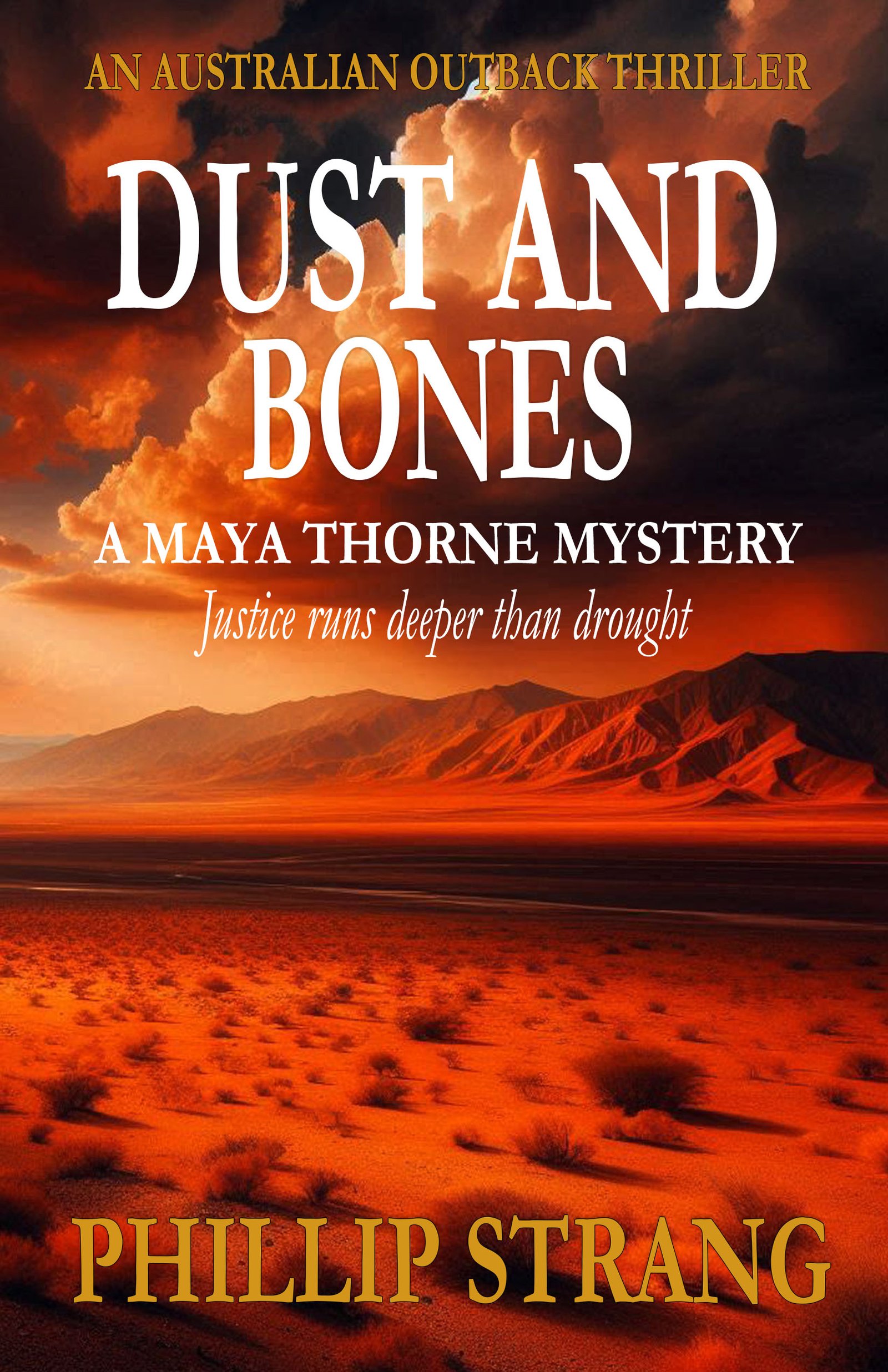
A MAYA THORNE MYSTERY
Get Dust and Bones Free
Justice runs deeper than drought.
Red dust. Shallow graves. A detective who hunts killers where the law runs thin and the nearest help is two hundred miles away.
Send Me the BookYou'll also receive occasional new release emails. Unsubscribe anytime. No spam, ever.
As an Amazon Associate, Phillip Strang earns from qualifying purchases. This page contains affiliate links — buying through them costs you nothing extra.