
The small town investigation presents one of crime fiction’s most deceptive challenges. On the surface, it appears simpler than urban procedurals—fewer suspects, contained geography, limited forensic resources. In practice, writing authentic small town crime requires navigating webs of interconnected relationships where secrets run deeper than any city precinct.
Across eighteen series and more than 150 novels, I have found that the most compelling small town investigations succeed not despite everyone knowing everyone, but because of it. The familiarity becomes the weapon, the intimacy becomes the trap, and the investigator’s outsider status—or uncomfortable insider knowledge—becomes the engine driving your narrative forward.
The Intimacy Trap: Using Familiarity as Narrative Tension
Small town investigations thrive on the contradiction between surface familiarity and hidden depths. Your detective knows the victim coached Little League, volunteered at the church fundraiser, never missed the Tuesday morning coffee group. This intimate knowledge should complicate, not simplify, the investigation. When I developed the rural elements in my Maya Thorne series, the challenge wasn’t creating suspects—it was making every piece of seemingly innocent local knowledge potentially significant.
The key craft decision here involves information filtering. Your detective processes evidence through layers of personal knowledge that urban investigators lack. They know the victim’s marriage looked solid from outside, but they also remember seeing her car parked outside the pharmacy twice in one week six months ago. They know the local mechanic has gambling debts because his wife teaches their kids. This intimate context should generate questions, not answers.
Effective small town crime writing exploits the gap between public persona and private reality. Everyone knows everyone, but everyone also maintains carefully constructed facades. Your investigation becomes an exercise in dismantling these facades systematically, revealing how much people didn’t actually know about their neighbors.
The Investigator’s Position: Outsider Status Versus Local Knowledge
The detective’s relationship to the community determines your entire narrative approach. An outsider detective brings objectivity but lacks crucial context. A local detective possesses intimate knowledge but faces personal complications with every interview. Both positions offer distinct advantages, and your choice shapes every element of your investigation structure.
Local detectives navigate conflicted loyalties with every decision. They investigate people they’ve known for decades, uncovering secrets that will permanently alter personal relationships. This creates natural tension between professional duty and personal connection. The detective becomes complicit in destroying the community’s comfortable illusions about itself.
Outsider investigators face different challenges. Local witnesses provide incomplete information, assuming context the detective lacks. References to events, relationships, and historical incidents require explanation, slowing the investigation while building authentic local texture. The community’s protective instincts emerge, particularly when the investigation threatens to expose embarrassing truths.
The most sophisticated approach combines both perspectives through investigative partnerships or evolving community relationships. Your detective gradually transitions from outsider to reluctant insider, gaining access while losing objectivity. This progression mirrors your reader’s journey from unfamiliarity to deep community knowledge.
How I Actually Approach Small Town Crime Writing
My practical method starts with mapping relationships before plotting the crime. I create detailed connection charts showing how every significant character relates to every other character—family ties, business relationships, shared histories, old grievances, romantic entanglements. The crime emerges from this web of connections rather than being imposed upon it.
I establish the community’s collective secrets early. Every small town harbors shared knowledge that outsiders cannot access—the mill closing that destroyed three families, the school board scandal from five years ago, the mayor’s drinking problem everyone politely ignores. These communal secrets create the atmosphere where individual secrets flourish.
Local institutions become crucial elements in my plotting process. The weekly card game, the volunteer fire department, the church council, the school parent-teacher association—these recurring gatherings provide natural opportunities for information exchange and relationship development. They also establish the community rhythms that your crime disrupts.
I use physical geography as narrative structure. Small towns offer contained spaces where characters cannot easily avoid each other. The main street, the diner, the post office, the single grocery store—these become stages where every significant character must eventually appear. Your detective’s investigation follows predictable geographic patterns while uncovering unpredictable human complexity.
Avoiding the Common Pitfalls of Small Town Crime
The greatest mistake involves treating small towns as simplified versions of urban settings. Writers often assume fewer characters means less complexity, creating investigations that feel thin rather than intimate. Small communities intensify human relationships, they don’t diminish them. Your local store owner isn’t just a witness—he’s the victim’s cousin, the suspect’s creditor, and the detective’s high school classmate.
Stereotypical characterization destroys authentic small town crime writing. The gossipy hairdresser, the corrupt sheriff, the wise local doctor—these cardboard figures cannot sustain serious investigation. Real small town residents possess the same psychological complexity as urban characters, but their motivations emerge from different social pressures and opportunities.
Many writers underestimate the sophistication of small town secrets. Rural communities often harbor crimes and conspiracies as elaborate as any urban thriller. The difference lies not in complexity but in concealment methods. Small town criminals exploit familiarity and trust rather than anonymity and chaos. Similar to the layered investigations found in the best police procedural novels, small town crime requires careful attention to procedural detail despite the intimate setting.
Technology integration presents particular challenges in small town settings. Modern rural communities possess the same technological resources as urban areas, but social relationships still follow traditional patterns. Your characters text each other constantly while maintaining face-to-face conversations that would seem impossibly direct in urban contexts.
Building Authentic Community Voice and Atmosphere
Authentic small town crime requires understanding how information flows through intimate communities. News travels through multiple channels simultaneously—official sources, gossip networks, family connections, and business relationships. Your detective must navigate these overlapping information streams, recognizing that every piece of evidence arrives with editorial commentary from the source.
Community protective instincts emerge when investigations threaten local reputation. Small towns understand that crime reflects on the entire community, particularly when media attention follows. Residents provide information selectively, sharing details that support their preferred narrative while concealing facts that might embarrass the town.
The economics of small communities create unique investigative complications. Local businesses depend on personal relationships and community loyalty. Your investigation might destroy these relationships, effectively ending careers and disrupting the local economy. Characters face genuine conflicts between truth-telling and economic survival.
Historical context provides crucial depth in small town investigations. Current conflicts often stem from decades-old grievances, family feuds, business disputes, or romantic triangles. Your detective uncovers not just recent events but historical patterns that explain present behavior. The investigation becomes archaeological, excavating layers of community history.
Weather and seasonal patterns influence small town crime in ways that urban investigations rarely experience. Agricultural cycles, hunting seasons, school schedules, and local festivals create natural timing for criminal activity and community gathering. These patterns provide both opportunities and alibis for your characters.
Conclusion
Writing effective small town investigations requires embracing complexity rather than avoiding it. The intimacy of everyone knowing everyone becomes your greatest asset when wielded skillfully, creating investigations that feel both deeply personal and universally compelling. Your challenge lies not in simplifying urban crime formulas but in developing entirely different approaches that honor the unique dynamics of intimate communities.
About Phillip Strang
Phillip Strang is an Australian crime and thriller novelist. Across eighteen series and more than 150 novels, his work spans London police procedurals (DCI Isaac Cook), UK investigations (DI Tremayne), Australian outback crime (Maya Thorne), FBI thrillers (Alex Harlan), Scottish Highland mysteries (DI Sarah Lynch), and espionage (Steve Case). Learn more about Phillip or browse his complete catalogue on Amazon.
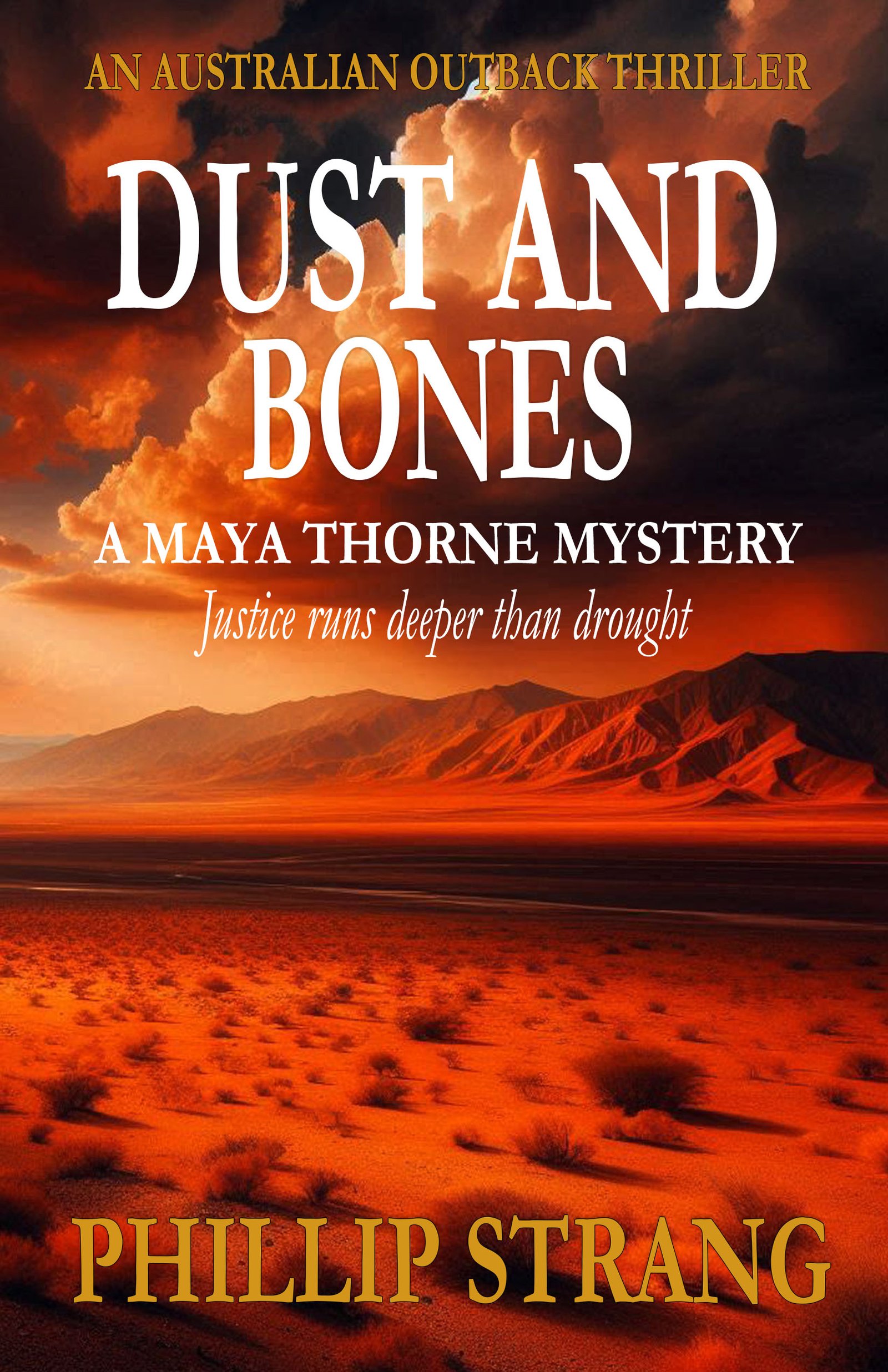
A MAYA THORNE MYSTERY
Get Dust and Bones Free
Justice runs deeper than drought.
Red dust. Shallow graves. A detective who hunts killers where the law runs thin and the nearest help is two hundred miles away.
Send Me the BookYou'll also receive occasional new release emails. Unsubscribe anytime. No spam, ever.
As an Amazon Associate, Phillip Strang earns from qualifying purchases. This page contains affiliate links — buying through them costs you nothing extra.