
The moment a secondary character starts stealing scenes, every crime writer faces the same dilemma: do they deserve their own series? It’s not simply about popularity or reader demand—spinning off characters requires careful consideration of narrative sustainability and commercial viability.
Across eighteen series and more than 150 novels, I’ve learned that the decision to launch a character into their own series hinges on three critical factors: whether they possess sufficient depth to carry multiple books, whether their world offers enough unexplored territory, and whether their conflicts can sustain long-term storytelling without cannibalising your existing work.
Recognising Spin-Off Potential
Secondary characters reveal their series potential through specific narrative behaviors. They develop backstories that extend beyond their supporting role, generate subplots that could stand independently, and create reader investment that transcends their relationship to your main protagonist. The character begins to feel constrained by their supporting status rather than fulfilled by it.
When I introduced Forensic Pathologist Dr. Sarah Mills in my DCI Isaac Cook series, she consistently provided insights that went beyond mere plot advancement. Her analytical approach to crime scenes, combined with her personal struggles balancing scientific objectivity with emotional investment in victims, created natural story engines. The character demanded more space than a supporting role could provide, signaling clear spin-off potential.
The key indicator is whether the character generates questions that your main series cannot answer. If readers want to know more about their background, their methods, their personal relationships, and their professional challenges outside the context of your primary protagonist’s cases, you’ve identified a candidate worth developing.
Building Independent Story Engines
A successful spin-off requires the character to function independently of their original context. This means developing unique investigative methods, distinct professional environments, and separate supporting casts that don’t rely on borrowed authority from your main series. The character must solve problems through their own expertise and relationships, not through connections to your established protagonist.
Consider the professional landscape your secondary character inhabits. A forensic accountant operates differently from a street detective, accessing different information sources and facing different obstacles. A private investigator encounters distinct challenges compared to federal agents. These professional differences create natural story boundaries that prevent series overlap while generating fresh narrative possibilities.
The character’s personal stakes must also shift. Supporting characters often serve your main protagonist’s emotional or professional needs, but series protagonists require their own motivations, fears, and goals. They need reasons to pursue cases that stem from their own psychology rather than loyalty to another character. This independence creates the foundation for sustainable long-term storytelling.
My Approach to Character Development
When developing spin-off characters, I start by identifying what makes them professionally unique within the crime fiction landscape. I don’t simply transplant their personality into a similar role—I examine how their specific skills, background, and perspective create different entry points into criminal investigation. This differentiation becomes crucial for both reader engagement and series longevity.
I test potential spin-off characters by writing short pieces exploring their independent decision-making. How do they approach problems when your main protagonist isn’t available for consultation? What resources do they access? Which professional relationships do they cultivate? These exercises reveal whether the character possesses sufficient depth to sustain multiple books or whether they function best in a supporting capacity.
Geographic separation often proves essential. When I developed DI Sarah Lynch for the Scottish Highlands setting, the remote location naturally created distinct case types and investigative challenges compared to my London-based DCI Isaac Cook series. The Highland environment generates specific crimes—rural isolation enables different criminal behavior patterns, and local communities operate under different social dynamics than urban areas. This geographic distinction prevents story overlap while creating authentic reasons why characters wouldn’t simply collaborate on every case.
Common Pitfalls and What to Avoid
The most frequent mistake involves launching spin-offs too early, before the character has developed sufficient independence from their original context. Writers often mistake reader affection for a character with genuine series potential, creating protagonists who lack the depth to sustain multiple books. A character who functions perfectly as comic relief or emotional support may collapse under the weight of carrying entire narratives.
Another critical error involves creating spin-offs that compete directly with existing series rather than complement them. If your secondary character investigates identical crime types using similar methods in the same geographic area as your main protagonist, you’ve essentially created a redundant series. Readers will inevitably compare the two, often unfavorably, and you’ll cannibalize your own market rather than expand it.
Over-referencing the original series proves equally problematic. While occasional crossover moments can delight readers, spin-offs that constantly reference or depend upon events from the parent series never achieve independent identity. The new protagonist becomes trapped in permanent secondary status, unable to develop their own mythology and reader loyalty. This dependency signals to publishers and readers that the character lacks sufficient strength to stand alone.
Rushing the timeline also creates problems. Secondary characters need time to develop organic reader interest before launching into their own series. Premature spin-offs often fail because readers haven’t invested enough emotional capital in the character to follow them into new territory. The character remains associated with their supporting role rather than their protagonist potential.
Commercial and Creative Considerations
Successful spin-offs require careful market positioning to avoid confusion while leveraging existing reader loyalty. The new series must feel connected enough to retain your established audience while offering sufficient novelty to attract new readers. This balance determines both critical reception and commercial viability.
Consider your publication schedule carefully. Running multiple series simultaneously demands significant output and marketing resources. Each series requires consistent publication frequency to maintain reader engagement, meaning spin-offs represent substantial long-term commitments rather than experimental projects. The decision impacts your entire publishing strategy for years.
The character’s appeal must transcend their relationship to your original protagonist. While existing readers provide the initial audience, sustainable series growth requires the spin-off character to attract readers who haven’t encountered your other work. This means the character and their world must function as effective entry points to your broader body of work, not merely extensions of existing narratives.
Market differentiation becomes crucial when positioning spin-offs within the broader police procedural or espionage thriller landscapes. Readers need clear understanding of what makes this character and series unique compared to both your other work and competitive titles. This distinctiveness drives both reader acquisition and retention across multiple books.
Conclusion
Spinning off secondary characters demands rigorous evaluation of their independent storytelling capacity rather than simple reader popularity. The decision shapes your career trajectory and publishing strategy, making careful assessment essential before committing to new series development.
About Phillip Strang
Phillip Strang is an Australian crime and thriller novelist. Across eighteen series and more than 150 novels, his work spans London police procedurals (DCI Isaac Cook), UK investigations (DI Tremayne), Australian outback crime (Maya Thorne), FBI thrillers (Alex Harlan), Scottish Highland mysteries (DI Sarah Lynch), and espionage (Steve Case). Learn more about Phillip or browse his complete catalogue on Amazon.
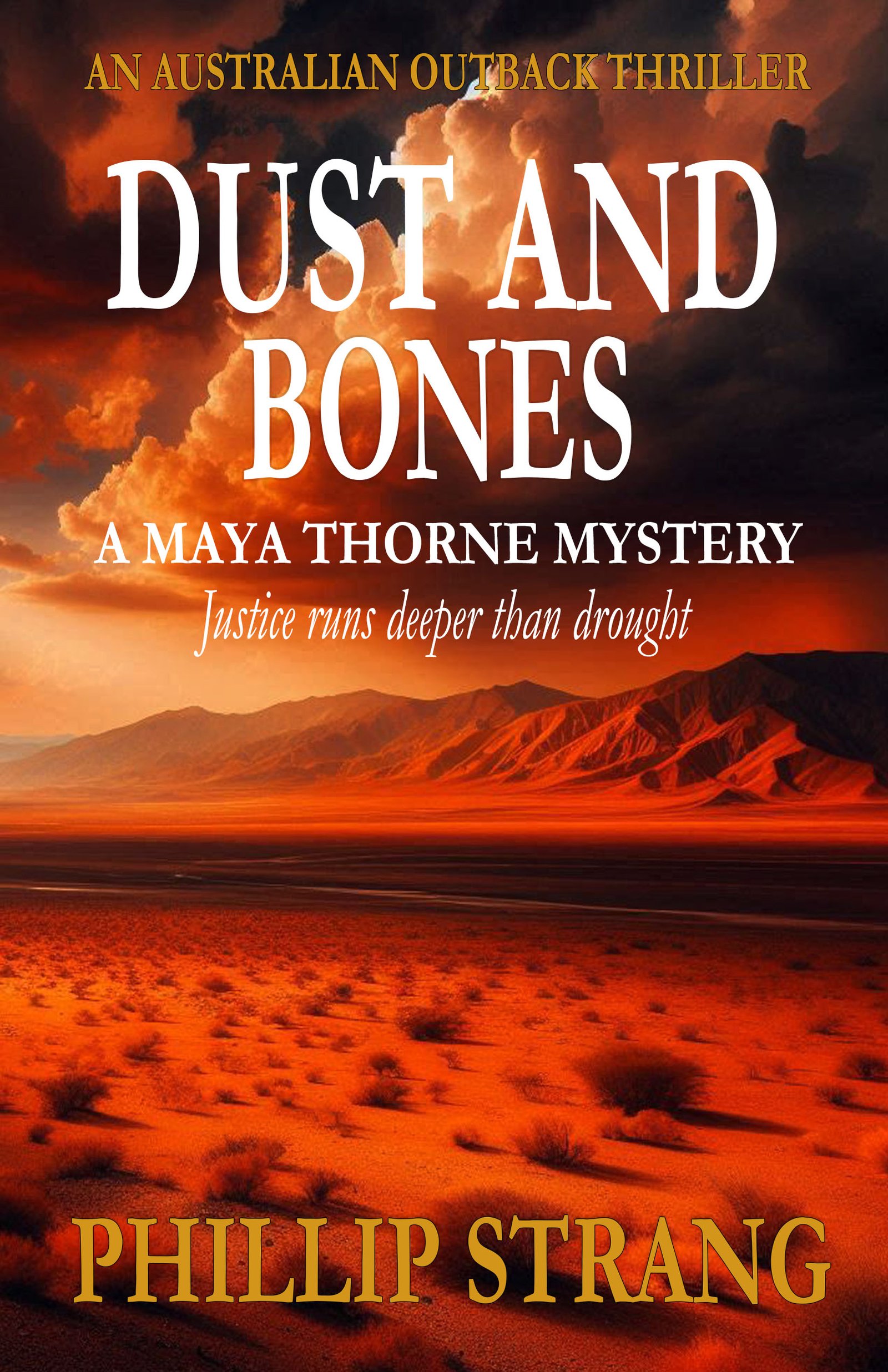
A MAYA THORNE MYSTERY
Get Dust and Bones Free
Justice runs deeper than drought.
Red dust. Shallow graves. A detective who hunts killers where the law runs thin and the nearest help is two hundred miles away.
Send Me the BookYou'll also receive occasional new release emails. Unsubscribe anytime. No spam, ever.
As an Amazon Associate, Phillip Strang earns from qualifying purchases. This page contains affiliate links — buying through them costs you nothing extra.