
The second draft separates professional crime writers from perpetual first-draft dreamers. Your story exists, but does it work as a crime novel? Structural revision demands you gut-check every scene against the fundamental mechanics of suspense, investigation, and revelation.
Across eighteen series and more than 150 novels, I’ve learned that structural revision is where crime fiction lives or dies. Your first draft gave birth to characters and situations. Your second draft must transform that raw material into a machine designed to keep readers turning pages while delivering satisfying detection.
The Three-Layer Structural Assessment
I approach structural revision by examining three distinct layers: the crime layer, the investigation layer, and the character layer. Each must function independently while supporting the others. The crime layer encompasses your central mystery, the stakes, and the logical progression of criminal acts. The investigation layer tracks how your protagonist uncovers information, makes connections, and builds toward resolution. The character layer ensures your detective’s personal journey intersects meaningfully with the case.
In my DCI Isaac Cook series, I discovered during second draft revision that Isaac’s methodical approach to evidence needed to mirror the reader’s gradual understanding. If Isaac leaped to conclusions without showing his reasoning, readers felt cheated. If he explained too much, the pace dragged. The investigation layer required precise calibration between revelation and concealment.
Mapping the Information Flow
Crime fiction succeeds through controlled information release. During structural revision, I chart exactly what the reader knows at each chapter break versus what the protagonist knows. This isn’t about fair play cluing, though that matters. It’s about managing the emotional experience of discovery.
The reader should stay slightly behind or alongside your detective, never miles ahead or hopelessly lost. I learned this lesson painfully while revising an early Maya Thorne novel. Maya uncovered crucial evidence in chapter three, but I didn’t reveal its significance until chapter twelve. Readers felt manipulated rather than intrigued. The fix required restructuring five chapters to maintain proper information flow without telegraphing the solution.
Your second draft must examine every revelation scene. Does this information arrive when it can maximum impact the story’s momentum? Does it raise new questions while answering others? Police procedural novels particularly depend on this rhythmic disclosure of forensic and investigative details.
How I Actually Tackle Structural Revision
I print the entire first draft and read it in two days maximum, making notes on plot holes, pacing problems, and character inconsistencies. Speed matters because you need to experience the book as readers will, not as the writer who knows every subplot’s origin story. During this read, I’m looking for scenes that don’t advance either the investigation or character development.
Next, I create a scene-by-scene breakdown on index cards, noting the primary function of each scene. Investigation scenes must either reveal new information, complicate existing theories, or develop investigative relationships. Character scenes must illuminate motivation, create conflict, or establish emotional stakes. Atmosphere scenes should be rare and powerful. Any scene that doesn’t clearly serve one of these functions gets cut or combined with stronger material.
The hardest part of structural revision involves killing scenes you love that don’t serve the story. I’ve cut entire subplots from thriller manuscripts because they slowed the central investigation, regardless of how well-written those tangents might have been.
Common Structural Pitfalls to Avoid
The most frequent structural problem I see involves the soggy middle, where investigation momentum stalls around the forty percent mark. Writers often introduce new suspects or red herrings without connecting them meaningfully to existing evidence threads. Your middle section shouldn’t just pile on complications. It should deepen the central mystery while raising personal stakes for your protagonist.
Another common mistake involves resolution pacing. Writers rush the final twenty percent, jumping from revelation to confrontation to denouement without allowing proper development of each phase. Readers need time to absorb your solution and understand how the pieces fit together. The antagonist’s final actions should feel inevitable based on everything we’ve learned, not convenient for plot resolution.
Character motivation problems often surface during structural revision. Your killer’s actions may seem logical to you, but do their motivations emerge clearly through the investigation? I’ve rewritten entire character backstories during second drafts when the evidence trail didn’t support believable antagonist behavior. The crime must feel personal and specific, not randomly violent.
Balancing Multiple Plot Lines
Crime series particularly struggle with balancing procedural elements against ongoing character development. Each book needs a complete investigative arc while advancing longer character relationships. During structural revision, I ensure the case-specific plot comprises at least seventy percent of the book’s focus. Personal subplots should illuminate character traits that affect investigative choices.
In action thriller novels, the balance shifts toward external conflict, but the same principle applies. Every action sequence must advance either plot or character understanding. Generic chase scenes or fight sequences that could appear in any thriller weaken your specific story.
The key involves making personal stakes mirror professional ones. If your detective faces relationship problems, those issues should somehow reflect or contrast with the case dynamics. This doesn’t mean heavy-handed parallels, but rather subtle thematic connections that enrich both storylines without making either feel forced.
Conclusion
Structural revision transforms adequate crime fiction into compelling page-turners. Focus on information flow, scene function, and character-case integration. Trust your instincts about pacing problems, but verify those instincts against the specific demands of crime and thriller genres.
About Phillip Strang
Phillip Strang is an Australian crime and thriller novelist. Across eighteen series and more than 150 novels, his work spans London police procedurals (DCI Isaac Cook), UK investigations (DI Tremayne), Australian outback crime (Maya Thorne), FBI thrillers (Alex Harlan), Scottish Highland mysteries (DI Sarah Lynch), and espionage (Steve Case). Learn more about Phillip or browse his complete catalogue on Amazon.
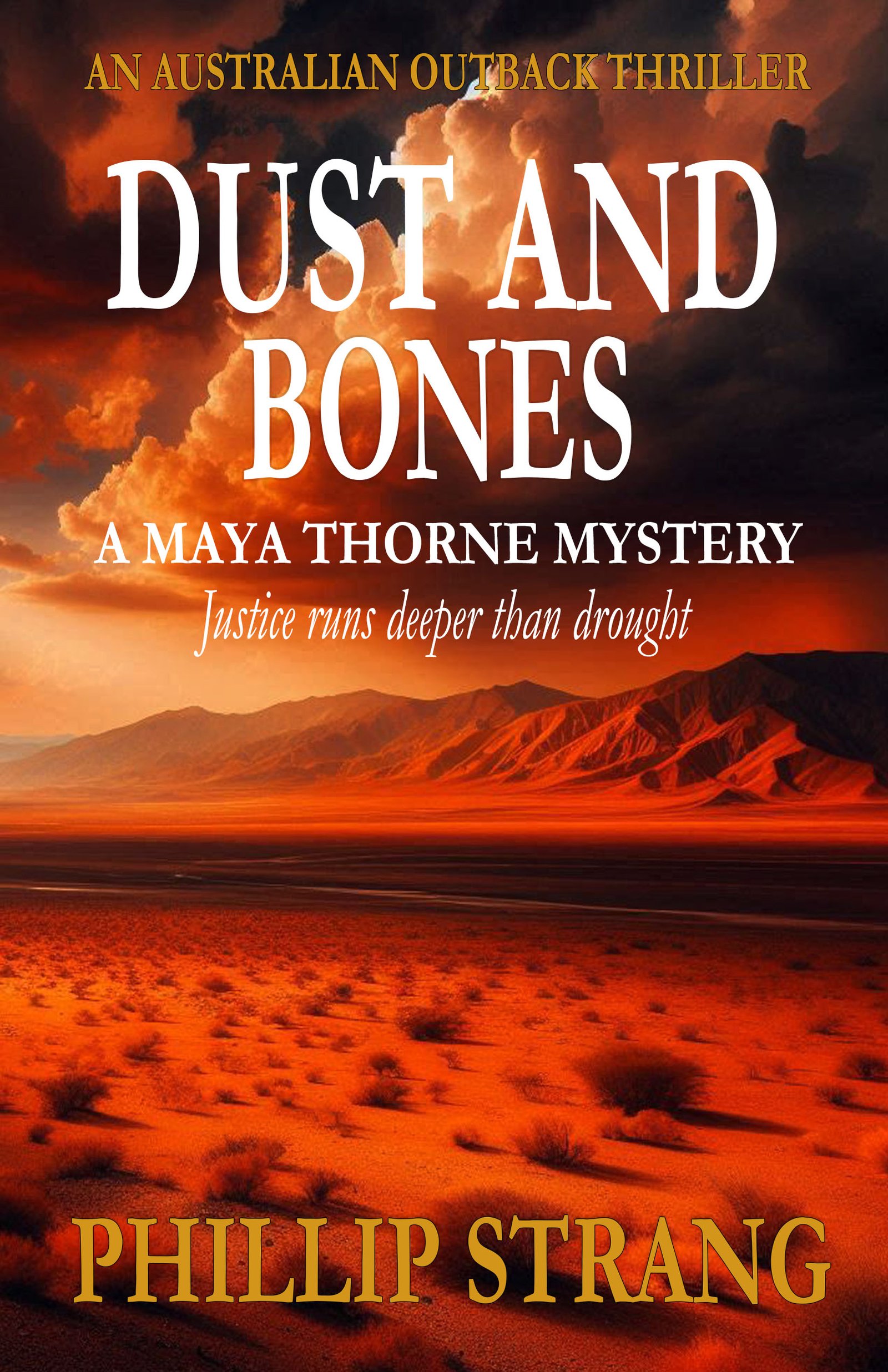
A MAYA THORNE MYSTERY
Get Dust and Bones Free
Justice runs deeper than drought.
Red dust. Shallow graves. A detective who hunts killers where the law runs thin and the nearest help is two hundred miles away.
Send Me the BookYou'll also receive occasional new release emails. Unsubscribe anytime. No spam, ever.
As an Amazon Associate, Phillip Strang earns from qualifying purchases. This page contains affiliate links — buying through them costs you nothing extra.