
Podcasting has become the modern equivalent of the radio serial for crime fiction authors, offering direct access to engaged audiences hungry for authentic insights into our craft. Unlike the fleeting nature of social media or the formality of traditional interviews, podcasting creates intimate conversations that reveal the working mind behind the murders, conspiracies, and investigations we craft.
Across eighteen series and more than 150 novels I have found that podcasting—whether as a guest or host—demands the same narrative instincts we use in our fiction, but with the added challenge of spontaneous authenticity. The medium rewards authors who can articulate their craft process while maintaining the compelling voice that draws readers to their books.
The Strategic Approach to Guest Appearances
Guest appearances on established crime fiction podcasts function as targeted reader acquisition rather than broad marketing. I approach each invitation by researching the host’s reading preferences and audience demographics first. A podcast focused on cozy mysteries requires different talking points than one devoted to police procedural novels or international espionage thrillers.
The key lies in preparation without over-scripting. I prepare three to four core anecdotes about my writing process, specific scenes from my books, or research challenges I’ve encountered. For instance, when discussing my DCI Isaac Cook series, I focus on the technical aspects of London police procedures rather than plot summaries. Listeners want insight into how we solve the puzzle of creating believable procedural elements, not a rehash of what they can read on the back cover.
The most successful guest appearances I’ve participated in occurred when I treated the conversation as collaboration rather than promotion. Hosts appreciate guests who engage with their questions genuinely, build on their observations, and offer specific craft insights that their audience can apply to their own reading or writing interests.
Hosting Your Own Crime Fiction Podcast
Launching my own podcast required acknowledging that hosting demands different skills than writing fiction. Where novels allow for careful revision and structural refinement, podcasting rewards spontaneous reaction and genuine curiosity about other writers’ processes. The format works best when approaching it as ongoing conversations with fellow practitioners rather than formal interviews.
My approach centers on inviting authors whose work I genuinely read and respect, then structuring conversations around specific craft challenges rather than biographical details. I’ve found the most engaging episodes explore questions like how authors research forensic procedures, develop authentic dialogue for law enforcement characters, or maintain tension across series installments without repetitive formulas.
The technical requirements remain manageable for most authors willing to invest in basic recording equipment and editing software. However, the time commitment extends well beyond recording sessions. Each episode requires preparation research, post-production editing, and consistent publishing schedules that demand the same discipline we apply to novel deadlines.
What Not to Do: Common Podcasting Mistakes
The most damaging mistake I observe involves authors treating every podcast appearance as a direct sales opportunity. Listeners detect promotional desperation immediately, and hosts rarely invite back guests who pivot every answer toward book recommendations. During one early appearance, I watched a fellow author repeatedly steer conversation toward their latest release’s availability instead of engaging with questions about their research process. The host’s enthusiasm visibly diminished, and the episode felt more like an advertisement than authentic conversation.
Another critical error involves inadequate preparation about the podcast’s format and audience. I’ve witnessed authors launch into detailed explanations of technical forensic procedures on podcasts devoted to cozy mysteries, or discuss character development techniques on shows focused on action thriller novels. Understanding your audience’s expectations allows for meaningful connection rather than mismatched content.
For hosting, the greatest trap involves insufficient research about guests’ work. Nothing destroys credibility faster than asking authors about books they didn’t write or series they haven’t developed. Listeners notice when hosts haven’t done their homework, and authors appreciate conversations that demonstrate genuine familiarity with their published work rather than surface-level questions anyone could ask.
Building Long-term Relationships Through Podcasting
The most valuable aspect of podcasting involvement extends beyond immediate listener acquisition toward building lasting professional relationships within the crime fiction community. Regular podcast participation creates ongoing dialogue with fellow authors, established hosts, and dedicated readers who become genuine advocates for your work.
Through podcast connections, I’ve developed collaborative relationships that led to cross-promotional opportunities, writing craft insights, and invitations to participate in crime fiction events I wouldn’t have discovered otherwise. When discussing my Maya Thorne series on an Australian crime podcast, I connected with authors whose outback research experiences provided valuable location insights for subsequent novels.
The relationship-building aspect requires consistency and authentic engagement rather than transactional interactions. I maintain contact with hosts and fellow guests beyond individual episodes, sharing relevant articles, recommending their work when appropriate, and offering reciprocal interview opportunities. This approach transforms individual podcast appearances into ongoing professional network development.
Measuring Success Beyond Download Numbers
Evaluating podcasting success requires metrics more nuanced than simple download counts or immediate book sales spikes. I track engagement quality through listener emails, social media conversations sparked by episodes, and invitations for additional podcast appearances or crime fiction events.
The most meaningful success indicator involves readers who discover my work through podcast appearances and then engage with multiple books across different series. These listeners often become the most enthusiastic advocates, recommending titles to their own reading networks and participating in ongoing discussions about crime fiction craft techniques.
For hosted episodes, success emerges through establishing the podcast as a recognized voice within the crime fiction community, attracting high-quality author guests, and developing a dedicated listener base that values ongoing craft-focused conversations rather than superficial book promotion.
Conclusion
Podcasting offers crime fiction authors authentic opportunities to connect with engaged readers while building meaningful professional relationships, but success requires approaching the medium with genuine curiosity about craft rather than purely promotional intentions. The investment in time and authentic engagement pays dividends in sustained readership growth and community building that extends well beyond individual book launches.
About Phillip Strang
Phillip Strang is an Australian crime and thriller novelist. Across eighteen series and more than 150 novels, his work spans London police procedurals (DCI Isaac Cook), UK investigations (DI Tremayne), Australian outback crime (Maya Thorne), FBI thrillers (Alex Harlan), Scottish Highland mysteries (DI Sarah Lynch), and espionage (Steve Case). Learn more about Phillip or browse his complete catalogue on Amazon.
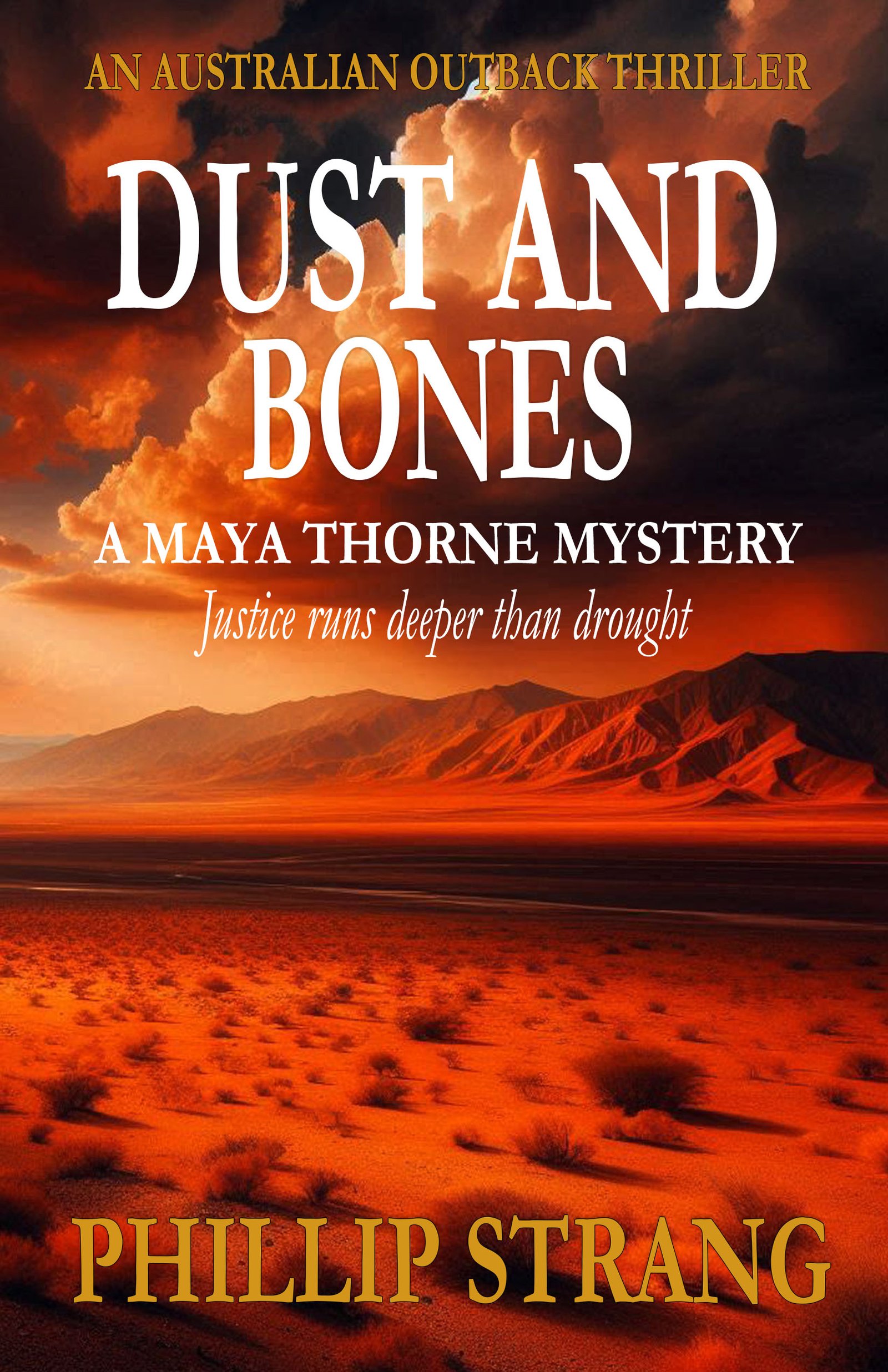
A MAYA THORNE MYSTERY
Get Dust and Bones Free
Justice runs deeper than drought.
Red dust. Shallow graves. A detective who hunts killers where the law runs thin and the nearest help is two hundred miles away.
Send Me the BookYou'll also receive occasional new release emails. Unsubscribe anytime. No spam, ever.
As an Amazon Associate, Phillip Strang earns from qualifying purchases. This page contains affiliate links — buying through them costs you nothing extra.