
Goodreads represents either your greatest marketing asset or your most frustrating time sink, depending entirely on whether you understand its ecosystem. Too many crime fiction authors approach the platform like a desperate carnival barker, hawking their wares to an increasingly savvy readership that can smell desperation from three clicks away.
The platform’s power lies not in its ability to generate instant sales, but in its capacity to build genuine reader relationships over time. Across eighteen series and more than 150 novels, I’ve found that successful Goodreads strategy requires treating the platform as a community first and a marketing channel second—a distinction that separates authors who thrive from those who burn out.
Understanding Goodreads Mechanics for Crime Fiction
Crime fiction operates under different rules on Goodreads than literary fiction or romance. Our readers are fiercely loyal to series and characters, often following procedurals across decades of releases. They’re also brutally honest about plot holes, inconsistent forensics, or weak detective work. When I launched the DCI Isaac Cook series, early Goodreads reviewers caught geographical errors in my London settings that I’d missed—feedback that improved subsequent books immeasurably.
The platform’s algorithm favors engagement over marketing posts. A thoughtful response to a reader’s question about police procedure generates more visibility than a dozen promotional updates. Crime fiction readers particularly appreciate authors who engage with procedural accuracy questions or discuss research methods. They want to know how you developed your forensic knowledge or what real detectives think of your investigative techniques.
Series advantage becomes crucial here. While standalone novels struggle for attention, series with consistent releases build momentum. Each new book reminds readers of previous titles, creating a compounding effect that benefits the entire series. The key lies in maintaining quality across releases—one weak entry can damage reader trust for subsequent books.
My Practical Approach to Goodreads Engagement
I treat Goodreads activity like police work: methodical, consistent, and evidence-based. Three times weekly, I spend thirty minutes engaging authentically—responding to reviews, participating in crime fiction groups, and sharing brief updates about current projects. No promotional blasts, no desperate plea for reviews, no generic thank-you messages.
When readers post detailed reviews of my DI Tremayne books, I respond specifically to their observations. If someone mentions enjoying the Cornwall setting, I might share a brief note about specific locations that inspired scenes. If they question a plot point, I acknowledge their insight rather than defending weaknesses. This approach has generated far more organic recommendations than any formal marketing campaign.
Group participation requires genuine contribution, not self-promotion. In crime fiction groups, I answer questions about police procedure, discuss writing challenges, or recommend other authors’ work. Readers notice when you contribute value beyond pushing your own books. The credibility you build through helpful participation translates into interest when you do mention your work.
For series management, I create author updates that connect books thematically rather than simply announcing releases. Before launching a new Maya Thorne novel, I might discuss the research into outback communities that influenced the story, or share insights about indigenous consultation that shaped character development. Readers appreciate understanding the craft behind the fiction.
Strategic Review Management
Review strategy extends far beyond accumulating five-star ratings. Crime fiction readers trust reviews that demonstrate genre knowledge—they’re more influenced by a three-star review that discusses pacing and character development than a five-star review offering only vague praise. Quality crime fiction attracts thoughtful reviewers who understand procedural accuracy and character consistency.
Never chase reviews through direct requests or review exchanges. Crime fiction readers particularly despise manufactured praise. Instead, focus on writing books that naturally generate discussion. Complex cases, realistic police procedure, and authentic character development create talking points that translate into detailed reviews. A murder mystery with genuine forensic accuracy will attract crime fiction enthusiasts who appreciate attention to detail.
Negative reviews often provide more value than positive ones. When readers criticize unrealistic detective work or implausible evidence handling, they’re offering free professional development. I’ve revised entire chapters based on reviewer feedback about police procedure errors. Crime fiction readers include retired law enforcement, forensic professionals, and legal experts—their criticism carries weight.
The timing of review engagement matters significantly. Responding immediately to every review appears desperate and manufactured. Instead, engage periodically with substantial reviews that raise interesting points about craft, character development, or procedural accuracy. Focus particularly on reviews that demonstrate deep engagement with your work, regardless of their star rating.
Giveaway Strategy That Actually Works
Goodreads giveaways represent expensive disappointment for most crime fiction authors. The platform’s giveaway system attracts professional contest entrants rather than genuine readers interested in your subgenre. I’ve run giveaways that generated thousands of entries but resulted in zero meaningful reviews or ongoing readership.
More effective approaches focus on targeted engagement. Crime fiction groups often appreciate author-donated prizes for group reading challenges or discussion events. Rather than broad platform giveaways, offer books specifically to readers already engaged with police procedural novels or your particular subgenre. The smaller, targeted audience delivers better long-term results.
Advanced reader copies work better through direct outreach than platform giveaways. Identify Goodreads reviewers who regularly read and thoughtfully review crime fiction similar to your work. Personal messages offering advance copies to established reviewers generate higher-quality engagement than random giveaway winners.
Consider series-specific strategies rather than individual book promotions. Offering the first book in a series free through targeted groups can hook readers who then purchase subsequent titles. This approach works particularly well for action thriller novels where series momentum builds naturally across multiple books.
Community Building Without Desperation
Authentic community building requires genuine interest in crime fiction beyond your own work. I regularly recommend other authors’ books, participate in genre discussions, and share insights about craft challenges. This approach builds credibility that translates into reader trust when I do discuss my own projects.
Author groups on Goodreads often become echo chambers of mutual back-patting rather than genuine reader engagement. Focus instead on reader-centric groups where discussions center on books rather than marketing strategies. Crime fiction readers appreciate authors who contribute to conversations about the genre’s evolution, forensic accuracy standards, or character development techniques.
Consistency matters more than intensity. Regular, brief engagement builds stronger relationships than sporadic promotional bursts followed by long absences. I maintain a presence through steady participation rather than aggressive marketing campaigns that alienate potential readers.
Critical Mistakes That Kill Goodreads Success
The most damaging mistake involves treating Goodreads readers as potential customers rather than fellow crime fiction enthusiasts. Messages that begin ‘Check out my new thriller!’ immediately identify you as someone more interested in sales than stories. Similarly, generic responses to reviews—’Thanks for reading!’ posted identically across multiple reviews—demonstrate that you’re not actually engaging with reader feedback.
Over-promotion destroys credibility faster than poor writing. Authors who post daily updates about their books, constantly share promotional graphics, or hijack unrelated discussions to mention their work quickly earn reputation as spam accounts. Crime fiction readers particularly value authenticity, and manufactured enthusiasm stands out starkly against genuine passion for the genre.
Defensive responses to criticism reveal amateur attitudes that undermine professional credibility. When readers point out plot inconsistencies or procedural errors, arguing rather than acknowledging feedback marks you as an author unwilling to improve. Professional crime fiction writers understand that reader expertise—particularly from law enforcement or legal backgrounds—represents valuable input rather than personal attack.
Series mismanagement through inconsistent engagement patterns confuses loyal readers and weakens long-term relationships. Authors who appear only during book launches, then disappear until the next release, miss opportunities to build sustained reader investment in their characters and settings. The most successful crime fiction series maintain steady reader connection between releases through thoughtful engagement and craft discussion.
Measuring Real Success
Goodreads success for crime fiction authors shows up in qualitative engagement rather than quantitative metrics. Meaningful success appears when readers discuss your characters between books, debate plot developments in genre groups, or recommend your series to other crime fiction enthusiasts. These conversations generate sustained interest that translates into long-term readership growth.
Track review quality rather than review quantity. Five thoughtful reviews that discuss character development, procedural accuracy, or plot complexity indicate stronger reader engagement than fifty generic positive ratings. Crime fiction readers who take time to write detailed reviews often become series evangelists who recommend books throughout their reading networks.
The platform’s real value emerges through reader relationship development rather than immediate sales conversion. Goodreads readers who engage consistently with your content become the foundation for sustained series success. They provide feedback that improves your writing, generate word-of-mouth recommendations, and create the enthusiastic readership base that supports long-term career growth. Focus on building these relationships rather than chasing promotional opportunities, and your Goodreads presence becomes a genuine asset rather than another marketing obligation.
Conclusion
Goodreads rewards crime fiction authors who approach the platform with genuine respect for its community and realistic expectations about its timeline. Success requires patience, consistency, and authentic engagement with readers who love the genre. The authors who thrive treat Goodreads as a long-term investment in reader relationships rather than a short-term sales channel.
About Phillip Strang
Phillip Strang is an Australian crime and thriller novelist. Across eighteen series and more than 150 novels, his work spans London police procedurals (DCI Isaac Cook), UK investigations (DI Tremayne), Australian outback crime (Maya Thorne), FBI thrillers (Alex Harlan), Scottish Highland mysteries (DI Sarah Lynch), and espionage (Steve Case). Learn more about Phillip or browse his complete catalogue on Amazon.
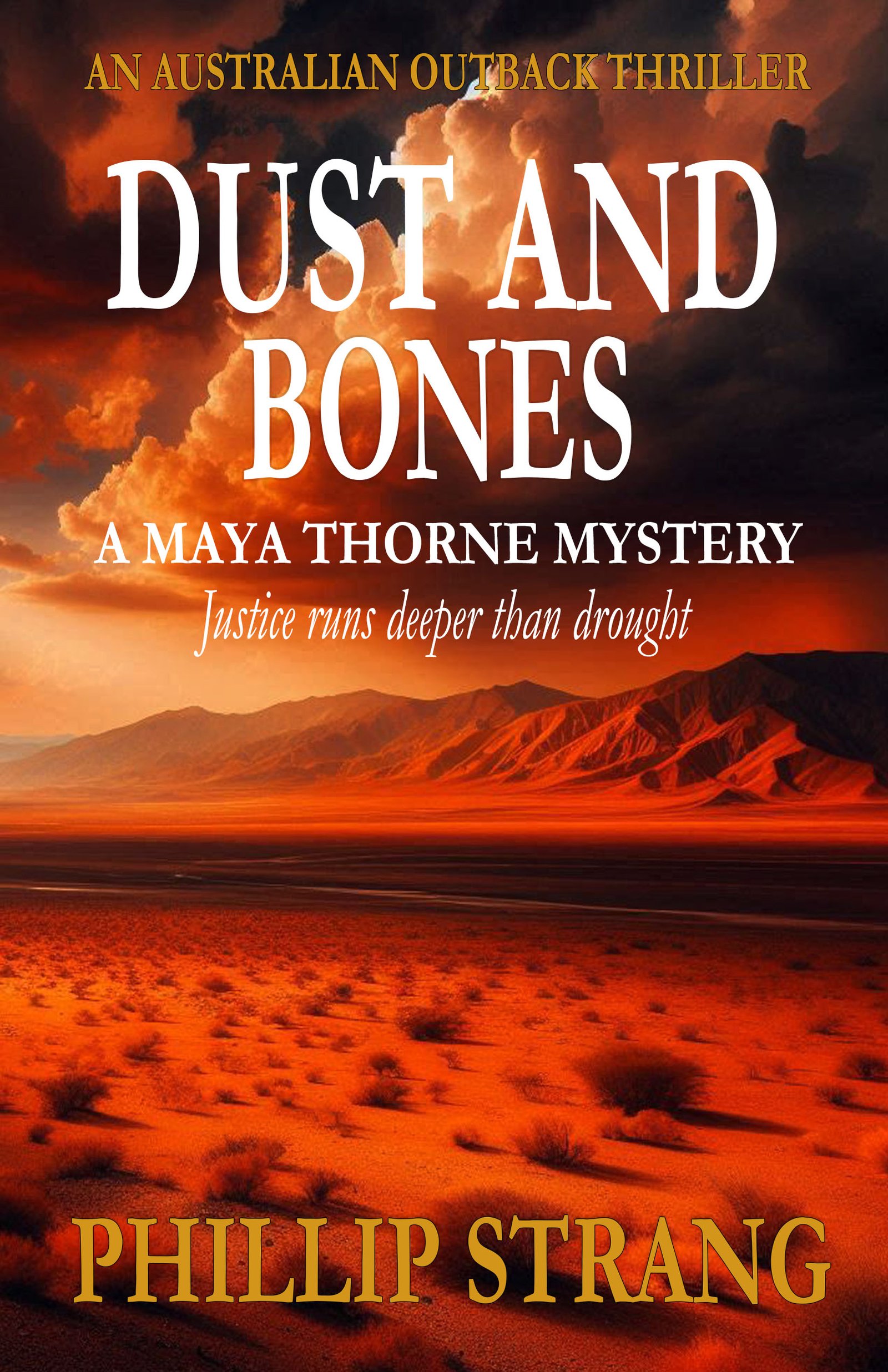
A MAYA THORNE MYSTERY
Get Dust and Bones Free
Justice runs deeper than drought.
Red dust. Shallow graves. A detective who hunts killers where the law runs thin and the nearest help is two hundred miles away.
Send Me the BookYou'll also receive occasional new release emails. Unsubscribe anytime. No spam, ever.
As an Amazon Associate, Phillip Strang earns from qualifying purchases. This page contains affiliate links — buying through them costs you nothing extra.