
The cosy mystery contract represents one of the most rigid yet rewarding frameworks in crime fiction. Readers approach these books with specific expectations about violence levels, language, sexual content, and resolution patterns, creating an unspoken agreement that authors violate at their peril.
Yet within this seemingly restrictive framework lies surprising creative freedom. Across eighteen series and more than 150 novels I have found that understanding exactly what readers demand allows you to identify the precise moments where strategic subversion creates the most impact without breaking faith with your audience.
The Non-Negotiable Elements of Reader Trust
Certain aspects of the cosy mystery contract are genuinely unbreakable. Violence occurs off-page or is discovered after the fact. Language remains clean enough for grandmother to read without blushing. Sexual content stays behind firmly closed doors. The amateur sleuth survives to investigate another day. Break these rules and you are no longer writing cosy mystery.
More subtly, readers expect a particular rhythm to the investigation. The sleuth stumbles onto the crime, usually through proximity rather than profession. They possess some logical reason to remain involved despite police presence. The community setting provides both suspects and information sources within walking distance. These structural elements create the foundation that supports everything else.
The resolution must feel both surprising and inevitable. Readers want to feel clever for spotting clues while remaining genuinely uncertain about the culprit until the reveal. This balance requires careful calibration of information release throughout the narrative.
Strategic Subversion Points That Enhance Rather Than Destroy
The most effective subversions work within the contract rather than against it. While violence stays off-page, you can subvert reader expectations about who commits it. The sweet librarian, the helpful shopkeeper, the concerned neighbor all represent departures from obvious suspect pools without violating genre boundaries.
Similarly, while the amateur sleuth must survive, you can subvert their competence levels or motivations. Perhaps they solve the case through complete accident rather than brilliant deduction. Maybe their nosiness stems from darker impulses than mere curiosity. These character complications add depth without breaking fundamental promises.
The cosy setting itself offers rich subversion opportunities. Readers expect quaint communities with dark secrets, but you can play with which secrets matter and how they interconnect. Perhaps the obvious scandal everyone whispers about proves irrelevant while the apparently innocent hobby group harbors genuine menace.
How I Navigate This Balance in Practice
When I developed my approach to character-driven narratives, I learned that cosy mystery readers will accept considerable darkness if it serves character development rather than gratuitous shock value. The key lies in emotional honesty rather than graphic content.
In my DI Sarah Lynch series, I push against cosy boundaries by addressing serious contemporary issues while maintaining the essential comfort level readers seek. The investigations may deal with complex social problems, but the narrative voice and resolution patterns preserve the cosy framework.
I also find that subverting one major element per book maintains reader engagement without overwhelming them. If you make the killer unexpected, keep the motive straightforward. If you complicate the investigation method, ensure the community dynamics remain familiar. This measured approach prevents the subversion from dominating the reading experience.
The most successful subversions emerge organically from character motivations rather than plot manipulation. When readers understand why someone acts against type, they accept the deviation more readily than when it appears arbitrary.
Common Mistakes That Break Faith With Readers
The most damaging error involves misunderstanding which elements readers consider negotiable. I have seen authors introduce graphic violence believing they are adding sophistication to the genre. Instead, they alienate their core audience without attracting readers who prefer harder crime fiction. A cosy mystery with explicit torture scenes satisfies no one.
Equally problematic is the tendency to mock the genre conventions while using them. Readers detect condescension quickly and respond by finding authors who respect their preferences. If you consider cosy mystery beneath your literary aspirations, write something else rather than delivering a halfhearted effort that pleases no one.
Another frequent mistake involves overwhelming readers with subversions. Some authors attempt to surprise readers at every turn, creating exhausting narratives that deny the comfort and familiarity that draw people to cosy mysteries in the first place. The genre exists partly as refuge from uncertainty, not additional source of it.
Finally, many authors subvert elements randomly rather than purposefully. Effective subversion serves the story and characters. Random surprises that exist only to confound readers feel manipulative and undermine the trust necessary for successful procedural storytelling.
The Long-Term Series Considerations
Series writing adds complexity to the cosy mystery contract. Readers develop relationships with recurring characters and settings that create additional expectations beyond genre conventions. They want to see character growth while maintaining essential personalities. They expect the community to evolve while preserving its fundamental charm.
This ongoing relationship allows for deeper subversions over time. Elements you establish in early books can be gradually complicated or revealed as more complex than initially apparent. The trusted character can slowly reveal darker edges. The peaceful setting can accumulate a more sinister history. These long-term developments feel earned rather than arbitrary.
However, series longevity also demands consistency in the fundamental contract elements. Readers who accept a particular violence level in book one will rebel if book seven suddenly becomes significantly darker. The series voice must remain recognizable even as stories evolve and deepen.
In my Maya Thorne series, the Australian outback setting allows me to explore isolation themes while maintaining cosy mystery structures. Each book pushes slightly against reader expectations while honoring the essential agreements about content and resolution.
Conclusion
The cosy mystery contract succeeds because it provides both authors and readers with a reliable framework that supports infinite variation within defined boundaries. Master those boundaries first, then identify the strategic points where thoughtful subversion enhances rather than undermines the reading experience your audience seeks.
About Phillip Strang
Phillip Strang is an Australian crime and thriller novelist. Across eighteen series and more than 150 novels, his work spans London police procedurals (DCI Isaac Cook), UK investigations (DI Tremayne), Australian outback crime (Maya Thorne), FBI thrillers (Alex Harlan), Scottish Highland mysteries (DI Sarah Lynch), and espionage (Steve Case). Learn more about Phillip or browse his complete catalogue on Amazon.
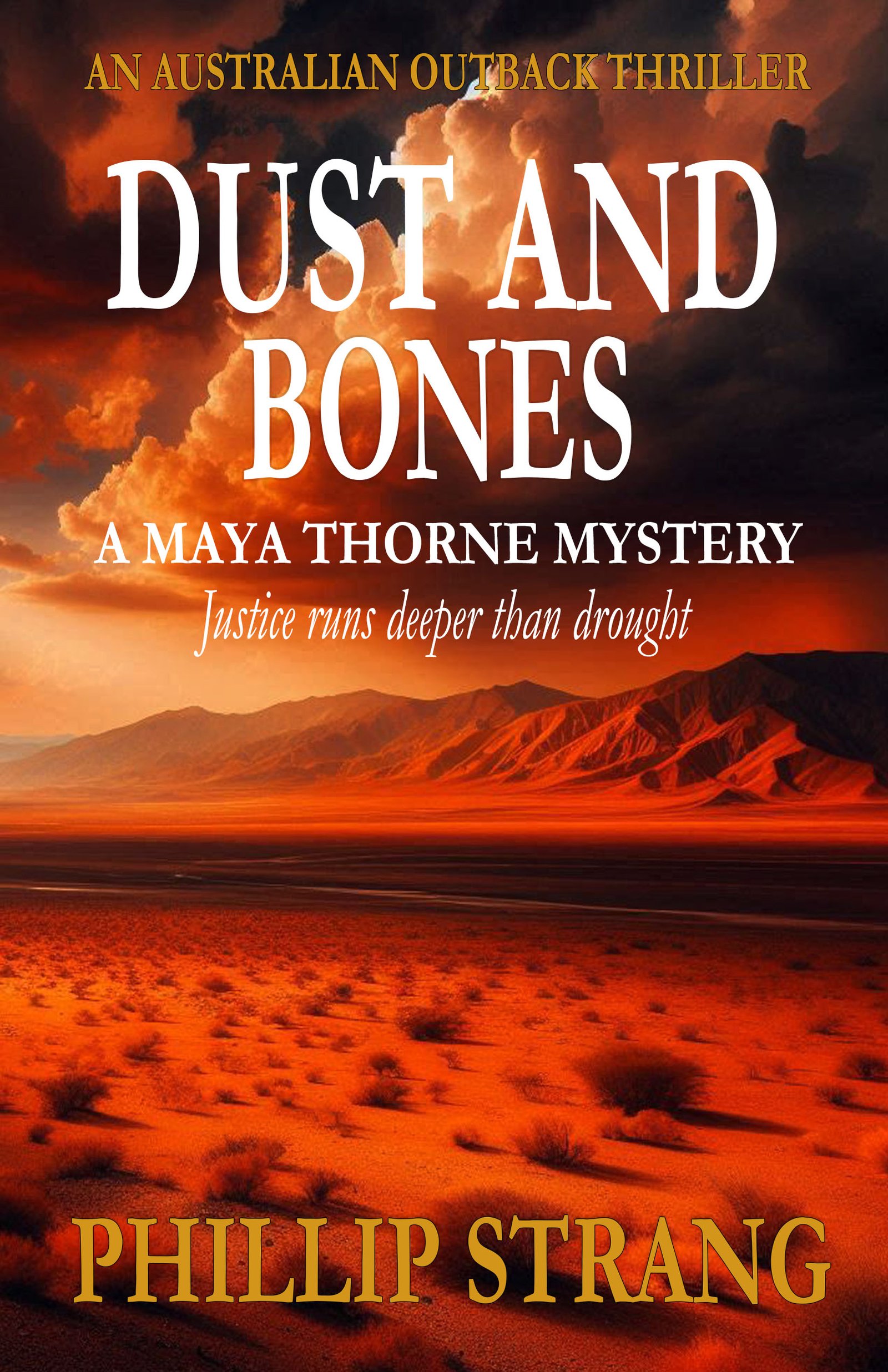
A MAYA THORNE MYSTERY
Get Dust and Bones Free
Justice runs deeper than drought.
Red dust. Shallow graves. A detective who hunts killers where the law runs thin and the nearest help is two hundred miles away.
Send Me the BookYou'll also receive occasional new release emails. Unsubscribe anytime. No spam, ever.
As an Amazon Associate, Phillip Strang earns from qualifying purchases. This page contains affiliate links — buying through them costs you nothing extra.