
Scandi Noir conventions operate as a distinct architectural framework within crime fiction, creating stories that feel fundamentally different from their British or American counterparts. The genre’s appeal lies not in flashy action sequences or elaborate plot twists, but in its methodical excavation of human darkness against stark Nordic landscapes. Understanding these conventions means recognising that atmosphere, social commentary, and psychological depth aren’t decorative elements—they’re the structural foundation upon which everything else builds.
Across eighteen series and more than 150 novels, I’ve studied how successful crime fiction deploys specific conventions to create genre expectations and then either fulfil or subvert them. Scandi Noir represents perhaps the most rigidly codified set of conventions in contemporary crime writing, yet within that framework lies remarkable flexibility for exploring complex themes about society, justice, and human nature.
The Atmospheric Foundation: Landscape as Character
Scandi Noir conventions begin with the understanding that weather and landscape aren’t background elements—they’re active participants in the narrative. The long Nordic winters, the pervasive greyness, the isolation of small communities become psychological pressures that shape both crime and investigation. This isn’t about pretty description; it’s about using environment to create a specific emotional state in readers.
In my own work with DI Sarah Lynch set in the Scottish Highlands, I’ve borrowed heavily from this Scandi approach. The remoteness and harsh weather patterns don’t just provide atmosphere—they actively constrain the investigation, force characters into proximity, and create the claustrophobic tension that drives the narrative forward. When a snowstorm cuts off a Highland village, it’s not coincidence; it’s the landscape participating in the crime story’s architecture.
The key is understanding that in Scandi Noir conventions, the environment reflects and amplifies the internal states of characters. Dark winters mirror moral ambiguity. Endless daylight creates psychological pressure. Isolated locations force confrontation with uncomfortable truths. This symbiosis between external and internal landscape creates the genre’s distinctive mood.
Character Archetypes: The Damaged Detective and Systemic Critique
The damaged detective represents perhaps the most recognisable of Scandi Noir conventions, but the archetype serves a specific structural purpose beyond creating sympathetic protagonists. These detectives carry personal trauma that mirrors the societal dysfunction they investigate. Their internal conflicts aren’t separate from the cases—they’re thematically linked, creating stories where solving crimes becomes a process of confronting broader social failures.
What distinguishes Scandi Noir detective archetypes from standard troubled cops is their relationship to institutional authority. These characters typically work within systems they fundamentally distrust, creating tension that drives both plot and theme. They’re not maverick cops breaking rules for justice; they’re individuals trapped within bureaucratic structures that often perpetuate the problems they’re trying to solve.
This institutional critique extends beyond law enforcement into healthcare, social services, immigration policy, and economic inequality. The detective’s personal struggles become a lens for examining how societal failures create conditions for crime. When I developed the investigative dynamics in my best police procedural novels, I studied how Scandi Noir uses character psychology to illuminate systemic problems rather than simply creating individual pathos.
Moral Complexity: The Grey Zones of Justice
Traditional crime fiction often operates on clear moral distinctions—criminals are caught, justice prevails, order is restored. Scandi Noir conventions deliberately complicate this framework, creating stories where justice and law don’t align, where victims and perpetrators occupy ambiguous moral territory, and where solving cases doesn’t necessarily restore social order.
This moral ambiguity isn’t achieved through plot twists that reveal unexpected villains. Instead, it’s built into the fundamental structure of how crimes are conceived and investigated. The conventions include presenting multiple perspectives on events, exploring how social conditions contribute to criminal behaviour, and questioning whether legal resolution equals moral justice.
In my DCI Isaac Cook series, I’ve experimented with this approach by creating cases where the technically guilty parties are products of systemic failures, where victims bear some responsibility for their circumstances, and where solving the crime reveals uncomfortable truths about society’s complicity in creating conditions for violence. The goal isn’t moral relativism—it’s acknowledging that crime exists within complex social ecosystems.
Practical Application: How I Approach Nordic-Influenced Crime Writing
When I’m structuring a story using Scandi Noir conventions, I begin with social context rather than individual motivation. Instead of asking ‘who committed this crime and why,’ I start with ‘what social conditions make this crime possible?’ This approach fundamentally changes how characters, settings, and investigations develop.
The pacing follows Scandi conventions by prioritising psychological revelation over action sequences. Tension builds through character interaction, environmental pressure, and gradual exposure of social dysfunction rather than through chase scenes or violent confrontations. Each scene serves multiple purposes—advancing the investigation, developing character psychology, and illuminating broader themes about society and justice.
I’ve found that dialogue in this style requires particular attention to subtext. Characters often can’t or won’t directly express their concerns about institutional failures or personal trauma. The conventions include using understated dialogue where meaning emerges through what isn’t said, creating conversations that operate on multiple levels simultaneously. This technique appears throughout the best noir crime thriller novels, where surface conversations reveal deeper tensions.
Common Mistakes: Avoiding Surface-Level Imitation
The most frequent error in attempting Scandi Noir conventions involves mistaking atmosphere for substance. Adding snow, creating depressed detectives, and setting stories in small towns doesn’t automatically create Nordic noir. These elements only work when they serve the deeper structural purposes of psychological exploration and social critique. I’ve seen manuscripts that include all the surface elements but lack the thematic coherence that makes those elements meaningful.
Another common mistake involves treating moral ambiguity as an excuse for unclear storytelling. Scandi Noir conventions create complex moral landscapes, but they don’t eliminate the need for clear narrative structure and logical investigation procedures. The ambiguity lies in interpretation and implication, not in confused plotting or arbitrary character behaviour.
Writers sometimes assume that slower pacing automatically creates Scandi-style tension, but this misunderstands how the conventions actually operate. The pacing isn’t slow—it’s deliberately measured, with each scene building specific types of pressure. Every conversation, every description of weather or landscape, every revelation about character background serves the larger purposes of psychological development and thematic exploration. Without this purposeful structure, slower pacing simply becomes tedious.
Conclusion
Mastering Scandi Noir conventions requires understanding their function as integrated systems rather than isolated techniques. The atmospheric elements, character archetypes, and moral complexity work together to create crime fiction that examines not just individual criminal acts but the social conditions that generate them, using the investigation process to explore broader questions about justice, community, and human nature.
About Phillip Strang
Phillip Strang is an Australian crime and thriller novelist. Across eighteen series and more than 150 novels, his work spans London police procedurals (DCI Isaac Cook), UK investigations (DI Tremayne), Australian outback crime (Maya Thorne), FBI thrillers (Alex Harlan), Scottish Highland mysteries (DI Sarah Lynch), and espionage (Steve Case). Learn more about Phillip or browse his complete catalogue on Amazon.
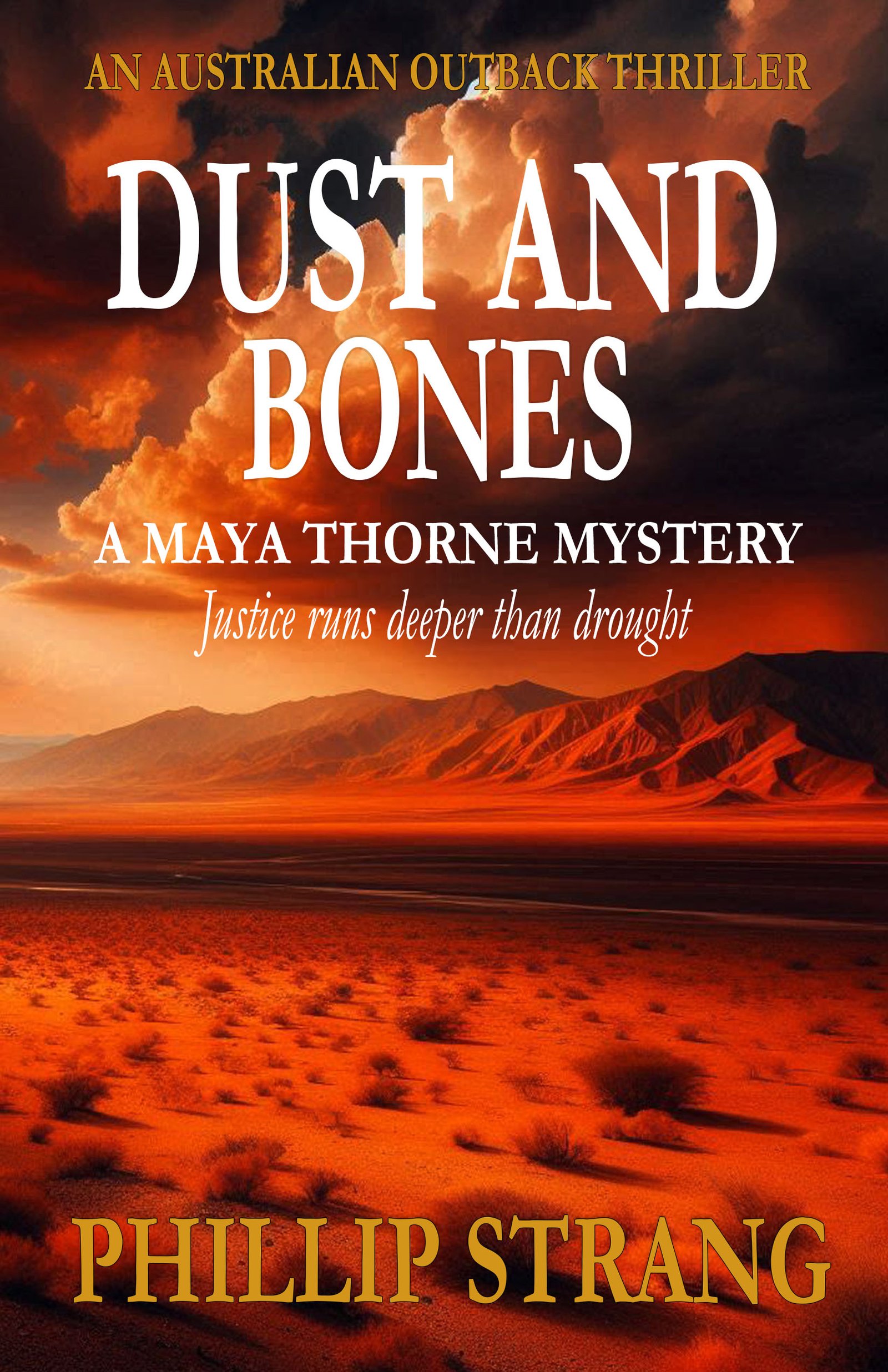
A MAYA THORNE MYSTERY
Get Dust and Bones Free
Justice runs deeper than drought.
Red dust. Shallow graves. A detective who hunts killers where the law runs thin and the nearest help is two hundred miles away.
Send Me the BookYou'll also receive occasional new release emails. Unsubscribe anytime. No spam, ever.
As an Amazon Associate, Phillip Strang earns from qualifying purchases. This page contains affiliate links — buying through them costs you nothing extra.