
The relationship between crime fiction and current events presents a delicate balance between relevance and exploitation. Real-world tragedies, emerging criminal patterns, and shifting social dynamics offer rich material for crime writers, yet transforming headlines into compelling fiction requires more than simply transplanting news stories into novels. The challenge lies in extracting universal human truths from specific events while avoiding the trap of writing tomorrow’s dated fiction.
Across eighteen series and more than 150 novels, I have found that the most effective use of current events in crime fiction comes not from directly adapting headlines, but from understanding the underlying social pressures and human motivations that create those headlines. The goal is to capture the zeitgeist without becoming its prisoner.
Mining Current Events for Universal Themes
Current events serve crime fiction best when they reveal timeless human conflicts in contemporary clothing. A news story about corporate fraud becomes interesting not because of the specific company involved, but because it exposes the eternal tension between ambition and ethics. Political corruption scandals matter to crime writers not for their partisan details, but for what they reveal about power, compromise, and moral decay.
When I developed storylines for my DCI Isaac Cook series, I drew on contemporary London’s social tensions—gentrification, economic inequality, cultural clashes—not to make political statements, but to create authentic conflicts that would drive character decisions. The specific news events fade, but the underlying human dynamics remain compelling years later. This approach ensures that fiction grounded in current events doesn’t become a period curiosity within a decade.
The key is identifying patterns rather than incidents. One terrorist attack might inspire a thriller, but understanding the broader social conditions that create radicalization provides material for an entire series. Immigration policies generate headlines, but the human stories of displacement, identity, and belonging offer deeper fictional possibilities.
Timing and the Publishing Timeline
The mechanics of publishing create a fundamental challenge when incorporating current events into crime fiction. Traditional publishing typically requires eighteen months from completed manuscript to bookstore shelves. By the time a novel inspired by today’s headlines reaches readers, those headlines may feel stale or, worse, may have been overshadowed by subsequent events that make the fictional treatment seem tone-deaf.
This timeline problem forces crime writers to think strategically about which current events to incorporate. Immediate responses to breaking news rarely produce lasting fiction. Instead, successful crime writers focus on slower-moving social trends that will remain relevant throughout the publishing cycle. The rise of surveillance technology, changing attitudes toward authority, evolving criminal methodologies—these broader currents provide more stable foundations than specific incidents.
I learned this lesson early when attempting to incorporate rapidly evolving political events into a thriller. By publication, the political landscape had shifted so dramatically that the novel felt like historical fiction rather than contemporary crime. Now I focus on the human constants that persist beneath surface political changes, ensuring the work remains relevant regardless of which party holds power or which scandal dominates headlines.
Authenticity Without Appropriation
Using current events in crime fiction raises ethical questions about appropriating real tragedy for entertainment purposes. The families of crime victims, the communities affected by terrorism, the individuals harmed by corruption—these real people deserve consideration from writers who profit from fictional versions of their experiences.
The solution lies in transformation rather than adaptation. Instead of fictionalizing the specific details of actual crimes, successful crime writers extract the emotional and psychological elements that make those crimes compelling, then create entirely fictional scenarios that explore the same human territory. This approach respects real victims while still drawing on the authentic emotional impact that current events provide.
When developing storylines for my Maya Thorne series set in the Australian outback, I drew inspiration from real cases involving remote communities and resource conflicts, but created entirely fictional towns, crimes, and characters. The authentic feel comes from understanding the genuine social dynamics and geographical challenges, not from borrowing actual events. This method allows writers to capture truth without exploiting tragedy.
Avoiding Common Pitfalls
The most frequent mistake crime writers make when incorporating current events is assuming that relevance equals quality. A plot ripped from headlines isn’t automatically compelling simply because it reflects contemporary concerns. ‘This could really happen’ doesn’t substitute for proper character development, logical plot construction, or emotional resonance. Many writers become so focused on incorporating topical elements that they neglect fundamental storytelling principles.
Another common error is political heavy-handedness. Crime fiction works best when it explores moral ambiguity, but writers inspired by current events often feel compelled to take sides or deliver messages. This approach produces propaganda rather than fiction. Readers can sense when an author has an agenda beyond telling a good story, and they typically resist being lectured. The most effective police procedural novels allow readers to draw their own conclusions about contemporary issues.
Dating mistakes also plague crime fiction inspired by current events. Writers often include too many specific cultural references—particular technologies, political figures, social media platforms—that quickly make the work feel obsolete. Smart crime writers include enough contemporary detail to feel current without anchoring themselves to elements that will seem quaint within a few years. The goal is timeless storytelling with contemporary relevance, not a snapshot of a particular historical moment.
My Working Approach to Current Events
In practice, I maintain a careful distance between daily news consumption and active writing. I read widely and stay informed about social trends, criminal justice developments, and emerging crime patterns, but I don’t write directly from headlines. Instead, I let current events percolate through my understanding of human nature and social dynamics, allowing them to influence my work indirectly.
My process involves identifying the emotional core of news stories that capture my attention. What fears do they represent? What hopes do they challenge? What assumptions do they overturn? These emotional and psychological elements become raw material for character development and plot construction, but divorced from the specific factual details that would date the work or exploit real victims.
When working on my Alex Harlan FBI thriller series, I focused on understanding how federal investigators actually think and work, using that professional insight to create authentic procedural elements while developing entirely fictional cases. Current events informed my understanding of contemporary investigative challenges and bureaucratic pressures, but the specific plots emerged from character conflicts rather than headline adaptation. This approach ensures authenticity without the ethical complications of borrowing real tragedies for entertainment purposes.
Conclusion
The most successful crime fiction inspired by current events transcends its immediate inspirations to explore enduring human truths. Writers who focus on extracting universal themes from contemporary conflicts, who respect the timeline realities of publishing, and who prioritize storytelling over message-sending create works that remain compelling long after their initial inspirations have faded from headlines.
About Phillip Strang
Phillip Strang is an Australian crime and thriller novelist. Across eighteen series and more than 150 novels, his work spans London police procedurals (DCI Isaac Cook), UK investigations (DI Tremayne), Australian outback crime (Maya Thorne), FBI thrillers (Alex Harlan), Scottish Highland mysteries (DI Sarah Lynch), and espionage (Steve Case). Learn more about Phillip or browse his complete catalogue on Amazon.
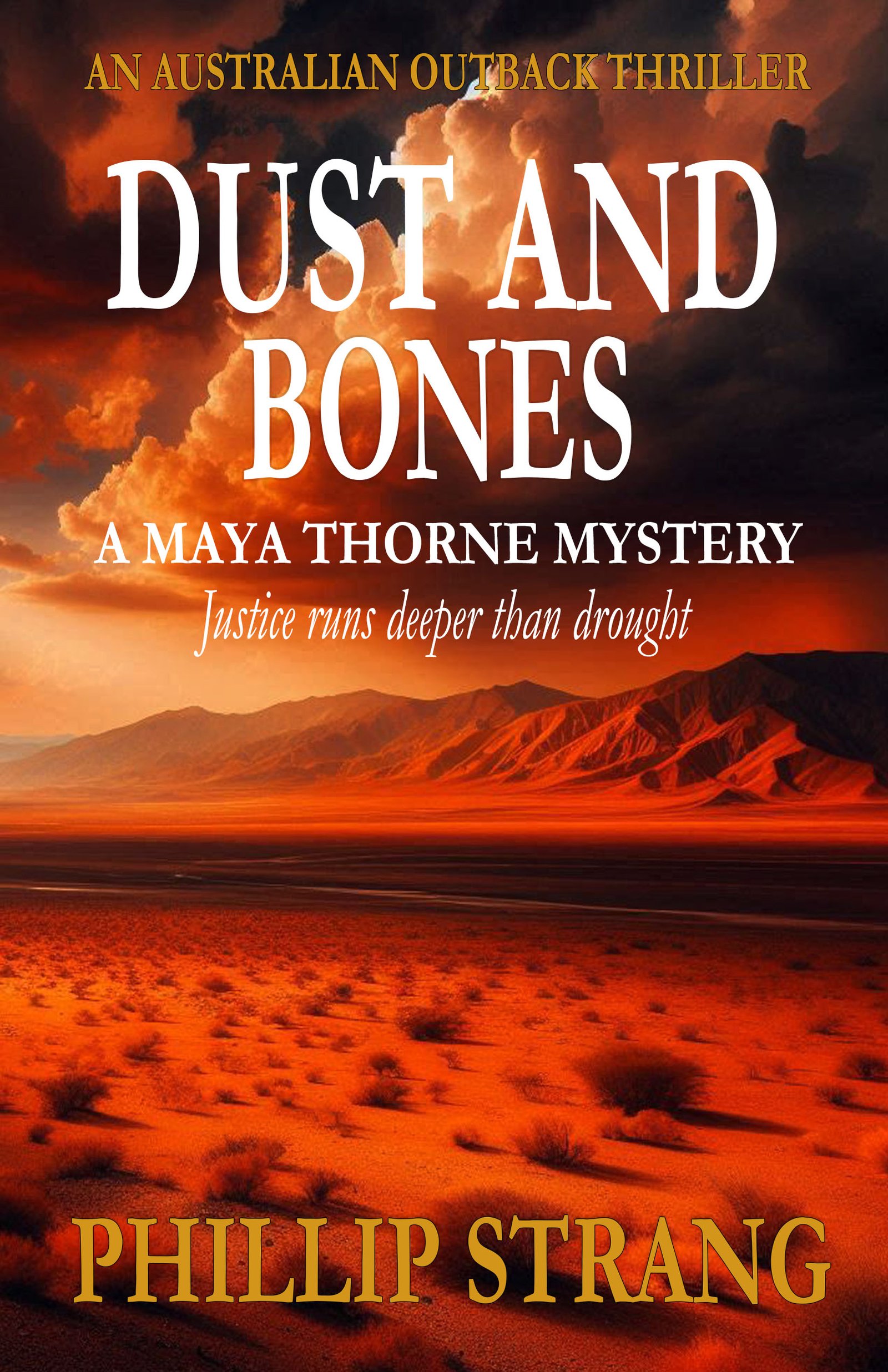
A MAYA THORNE MYSTERY
Get Dust and Bones Free
Justice runs deeper than drought.
Red dust. Shallow graves. A detective who hunts killers where the law runs thin and the nearest help is two hundred miles away.
Send Me the BookYou'll also receive occasional new release emails. Unsubscribe anytime. No spam, ever.
As an Amazon Associate, Phillip Strang earns from qualifying purchases. This page contains affiliate links — buying through them costs you nothing extra.