
Scottish Crime Fiction Settings Beyond Edinburgh offers writers a vast landscape of untapped potential that most authors ignore. The Highland villages, industrial Glasgow backstreets, and windswept islands provide atmospheres that Edinburgh’s tourist-friendly closes simply cannot match.
Across eighteen series and more than 150 novels, I have found that the most compelling crime settings emerge from places where isolation meets desperation, where community secrets fester in small populations, and where the landscape itself becomes complicit in concealment.
The Atmospheric Power of Remote Highland Communities
Small Highland villages deliver crime fiction advantages that cities cannot replicate. When I developed the DI Sarah Lynch series, I deliberately chose locations where everyone knows everyone else’s business—except for the one secret that matters. The claustrophobic intimacy of a village where the postman, the pub landlord, and the minister all went to school together creates natural pressure cookers for criminal activity.
These communities possess built-in surveillance systems that make modern CCTV networks look primitive. Yet paradoxically, this same intimacy enables cover-ups that would be impossible in anonymous urban environments. The local doctor who has delivered three generations of babies will think twice before reporting suspicious injuries. The police constable whose mother takes tea with the suspect’s family faces conflicts of interest that create genuine moral complexity.
Weather becomes a character in Highland settings. Sudden fog that cuts off mountain passes, winter storms that isolate communities for days, and the summer months when darkness barely falls all provide natural plot mechanisms. I have used unexpected snowfall to trap suspects and investigators together, forcing confrontations that would feel contrived in controllable urban environments.
Industrial Landscapes as Crime Fiction Gold Mines
Glasgow’s industrial heritage offers crime writers raw material that Edinburgh’s genteel facades cannot provide. The abandoned shipyards, derelict factories, and maze-like housing estates create natural criminal territories with their own rules and hierarchies. These environments possess authentic danger that does not depend on supernatural elements or exotic criminal organizations.
The key lies in understanding how these industrial spaces shape criminal behavior. Former steelworkers turned security guards know which factory entrances remain unwatched. Unemployed shipbuilders understand structural engineering well enough to hide bodies where they will never be found. Local knowledge becomes criminal advantage, and outsider investigators—whether police or private—face genuine disadvantage.
Class tensions in these environments provide motivation that feels organic rather than imposed. The gentrification of former working-class areas creates natural conflicts between old residents and new money, between traditional values and modern pressures. These tensions generate crimes that emerge from character and circumstance rather than plot convenience.
Scottish Crime Fiction Settings Beyond Edinburgh: Island Communities
Scotland’s islands offer crime writers the ultimate closed-room mystery environment. Limited ferry schedules, small populations, and geographical isolation create natural constraints that force both criminals and investigators to operate within defined parameters. Unlike traditional police procedurals that can call in unlimited resources, island settings impose realistic limitations.
Island economies depend on tourism, fishing, and small-scale agriculture—all seasonal activities that create natural population fluctuations. Summer visitors, seasonal workers, and returning locals provide regular influxes of outsiders who disrupt established patterns without creating permanent change. These temporary residents can commit crimes and disappear with the season, or become victims precisely because they lack community protection.
The island environment also intensifies family dynamics across generations. Limited marriage options mean complex family trees where half the population shares blood relationships and the other half shares romantic histories. Crimes that appear to target strangers often reveal themselves as family vendettas with roots stretching back decades.
Common Mistakes in Scottish Setting Development
Writers consistently make three critical errors when developing Scottish crime settings outside Edinburgh. First, they rely on tourist-board descriptions instead of understanding how locals actually experience these places. A Highland village that looks picturesque to visitors may feel economically desperate to residents facing declining populations and limited opportunities. The conflict between external perception and internal reality provides natural tension, but only if writers move beyond surface descriptions.
Second, many authors treat Scottish dialect as atmospheric decoration rather than character development. Throwing in random ‘wee’ and ‘ken’ words without understanding regional variations creates caricature rather than authenticity. The way people speak reveals education, class background, and local loyalties—all crucial information for crime fiction where motivation matters more than methodology.
Third, writers often ignore the practical realities of Scottish weather and geography when plotting their crimes. A murder scene that would be discovered within hours in summer might remain hidden for months in winter conditions. Vehicle access, communication networks, and emergency response times all vary dramatically between urban and rural Scottish locations. These practical considerations should drive plot development rather than create obstacles to predetermined outcomes.
My Practical Approach to Scottish Location Research
When developing new Scottish settings, I focus on economic realities before atmospheric details. What keeps this community alive? What threatens its survival? How do people actually make money here? The answers reveal natural criminal opportunities and community vulnerabilities that feel organic to the location.
I spend time in local pubs, not for authentic dialogue but to understand social hierarchies. Who defers to whom? Which families have influence beyond their apparent means? Where do conversations stop when strangers enter? These observations provide the social architecture that supports believable criminal activity.
Weather patterns and seasonal changes deserve as much attention as character development because they function as invisible characters in Scottish crime fiction. I maintain location files that include monthly weather averages, daylight hours, and typical tourist patterns. When combined with knowledge about action thriller pacing, this information helps determine when crimes can occur and how long investigations can reasonably continue before outside forces intervene.
Conclusion
Scottish crime fiction succeeds when writers understand that location shapes both criminal opportunity and investigative limitation. The communities beyond Edinburgh offer authentic tension and natural conflict that no amount of atmospheric description can artificially create.
About Phillip Strang
Phillip Strang is an Australian crime and thriller novelist. Across eighteen series and more than 150 novels, his work spans London police procedurals (DCI Isaac Cook), UK investigations (DI Tremayne), Australian outback crime (Maya Thorne), FBI thrillers (Alex Harlan), Scottish Highland mysteries (DI Sarah Lynch), and espionage (Steve Case). Learn more about Phillip or browse his complete catalogue on Amazon.
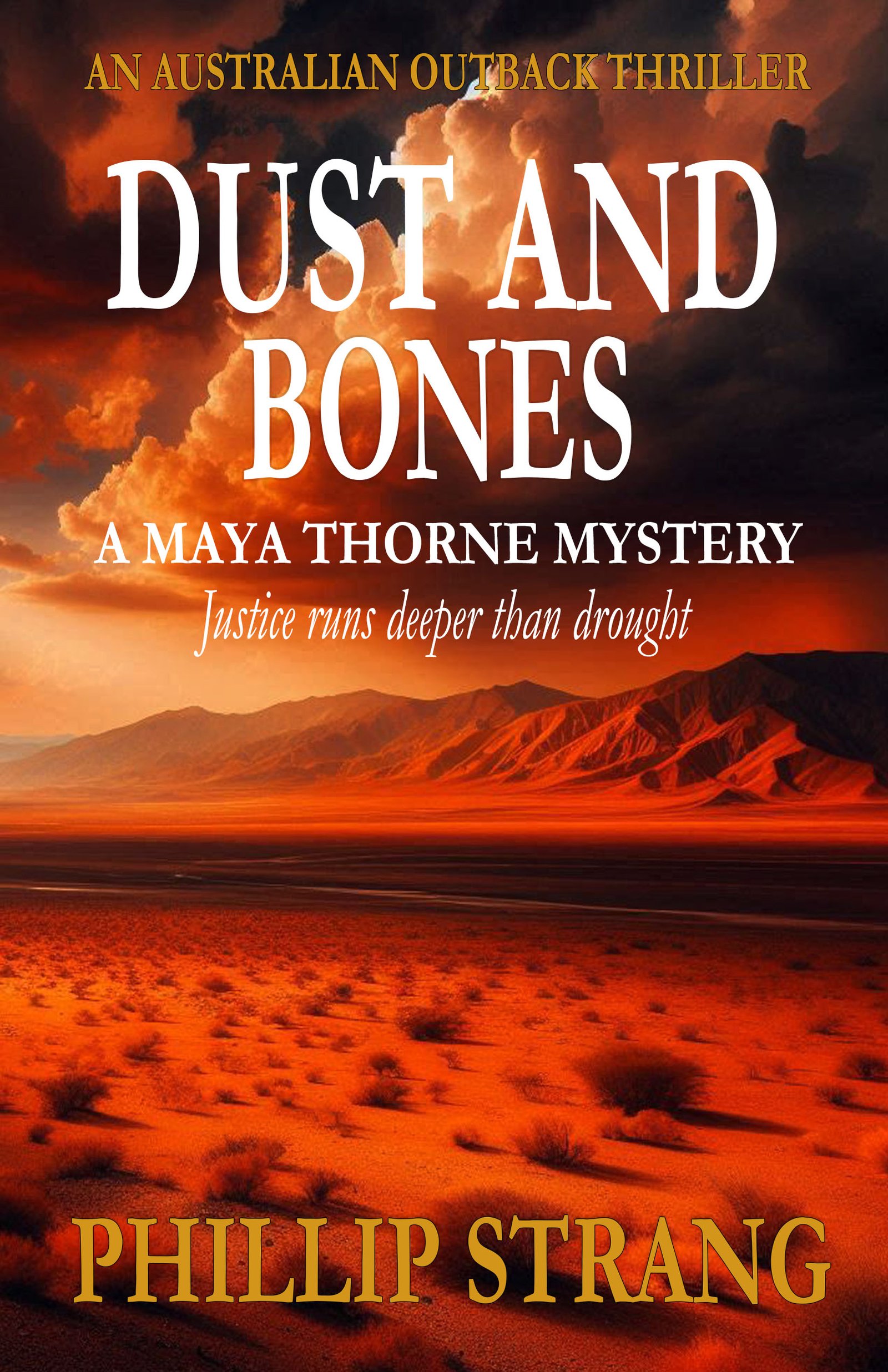
A MAYA THORNE MYSTERY
Get Dust and Bones Free
Justice runs deeper than drought.
Red dust. Shallow graves. A detective who hunts killers where the law runs thin and the nearest help is two hundred miles away.
Send Me the BookYou'll also receive occasional new release emails. Unsubscribe anytime. No spam, ever.
As an Amazon Associate, Phillip Strang earns from qualifying purchases. This page contains affiliate links — buying through them costs you nothing extra.