
Water Settings in Crime Fiction possess an inherent menace that transcends their surface beauty. The very element that sustains life becomes a perfect accomplice to murder, washing away evidence while amplifying the psychological terror that drives compelling crime narratives.
Across eighteen series and more than 150 novels, I’ve discovered that water creates investigative challenges unlike any other environment. The forensic complications, the symbolic weight, and the primal fears water evokes make it an invaluable tool for crime writers seeking authentic tension.
The Forensic Reality of Waterlogged Crime Scenes
Water destroys evidence with methodical efficiency. DNA degrades, fingerprints vanish, and time of death becomes nearly impossible to determine accurately. This isn’t merely convenient for plot purposes—it reflects genuine investigative challenges that create natural obstacles for your detective characters.
In my DCI Isaac Cook series, I’ve used Thames locations precisely because the river’s tidal nature complicates everything. Bodies surface miles from dump sites, evidence scatters across impossible search areas, and witnesses become unreliable when dealing with waterlogged remains. The water doesn’t just hide evidence—it actively participates in the cover-up.
The key is understanding that water-based crime scenes demand different investigative approaches. Your detective must think like a marine forensics expert, considering currents, temperatures, and decomposition rates. This technical complexity adds authenticity while creating natural plot complications that feel earned rather than contrived.
Psychological Depths: Why Water Terrifies
Water taps into primal fears that exist below conscious thought. The inability to see what lies beneath the surface creates anxiety that permeates every scene. Readers understand instinctively that water conceals, that it changes everything it touches, and that it represents forces beyond human control.
I’ve found that water settings work particularly well in police procedural novels because they add layers of uncertainty to methodical investigation. The detective’s usual tools become less reliable, forcing them to rely on instinct and unconventional approaches. This vulnerability makes seasoned investigators more human and relatable.
The psychological impact extends beyond fear. Water suggests purification and rebirth, creating ironic tension when used as a dumping ground for victims. This contradiction between water’s life-giving properties and its role in concealing death adds thematic depth that resonates with readers on multiple levels.
Common Mistakes in Water Settings in Crime Fiction
Many writers treat water as a simple evidence disposal method without considering its broader implications. They drop a body in a river and move on, missing the opportunity to explore how water affects every aspect of the investigation and the emotional journey of their characters.
Another frequent error involves ignoring the technical realities of water-based forensics. Writers often have bodies surface conveniently when needed for plot advancement, or they have evidence survive submersion in ways that strain credibility. Research the actual effects of different water environments—saltwater versus freshwater, moving versus still water, temperature variations—and let these realities drive your plot decisions.
The worst mistake is using water settings purely for atmospheric effect without integrating them into the story’s investigative logic. Water should complicate your detective’s job in specific ways, not just provide a scenic backdrop for dramatic confrontations. When water becomes essential to solving the case rather than merely concealing it, you’ve found the sweet spot.
My Approach to Aquatic Crime Scenes
When I’m developing a water-based crime scene, I start with the practical questions: What type of water body serves the story best? How does the local geography affect evidence distribution? What seasonal or weather factors might complicate the investigation? These technical considerations shape the emotional and narrative possibilities.
In my Maya Thorne series, the Australian outback presents unique water challenges. Rivers disappear seasonally, billabongs become isolated crime scenes, and flash floods can alter entire landscapes overnight. These environmental realities create plot possibilities that couldn’t exist in other settings while maintaining absolute authenticity.
I also consider the symbolic function water serves in each specific story. Is it representing renewal, cleansing, chaos, or concealment? The metaphorical role should align with the practical plot function to create resonance that operates on both conscious and subconscious levels for readers.
The Investigation Complications Water Creates
Water doesn’t just destroy evidence—it redistributes it in patterns that can reveal new information about the crime. Understanding tidal flows, current patterns, and seasonal water level changes allows skilled investigators to work backward from where evidence surfaces to determine original dump sites or even identify potential witnesses.
These complications should drive character development as much as plot advancement. How does a methodical detective adapt when their usual systematic approach fails? What unconventional resources must they tap? How do they handle the frustration of watching crucial evidence dissolve or drift away? These challenges reveal character while maintaining investigative authenticity.
The time pressure water creates adds natural urgency to investigations. Evidence degrades rapidly, witness memories fade as initial shock subsides, and media attention intensifies when bodies surface in public waterways. This built-in tension eliminates the need for artificial deadline devices while maintaining reader engagement throughout the investigative process.
Water settings also force investigators to expand their expertise beyond traditional police work. They must understand marine biology, hydrology, and specialized recovery techniques. This learning curve creates opportunities for character growth and allows for the introduction of expert secondary characters who can provide both information and interpersonal dynamics that enrich the overall narrative. The collaborative nature of water-based investigations naturally creates the team dynamics that drive successful action thriller novels.
Conclusion
Water settings in crime fiction succeed because they combine practical investigative challenges with deep psychological resonance. When properly researched and thoughtfully integrated, they create authentic complications that drive both plot and character development while tapping into fears that exist in every reader’s subconscious.
About Phillip Strang
Phillip Strang is an Australian crime and thriller novelist. Across eighteen series and more than 150 novels, his work spans London police procedurals (DCI Isaac Cook), UK investigations (DI Tremayne), Australian outback crime (Maya Thorne), FBI thrillers (Alex Harlan), Scottish Highland mysteries (DI Sarah Lynch), and espionage (Steve Case). Learn more about Phillip or browse his complete catalogue on Amazon.
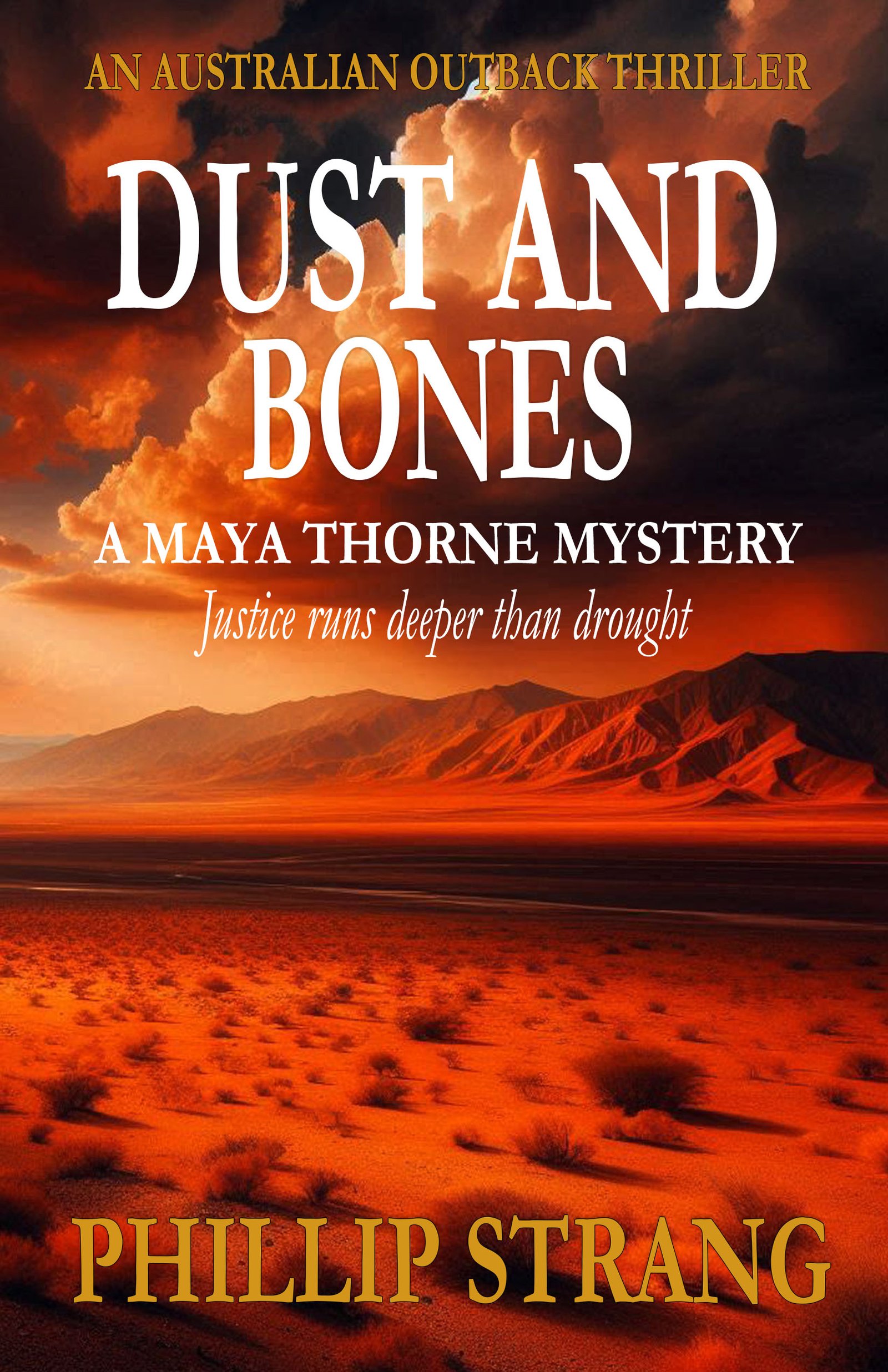
A MAYA THORNE MYSTERY
Get Dust and Bones Free
Justice runs deeper than drought.
Red dust. Shallow graves. A detective who hunts killers where the law runs thin and the nearest help is two hundred miles away.
Send Me the BookYou'll also receive occasional new release emails. Unsubscribe anytime. No spam, ever.
As an Amazon Associate, Phillip Strang earns from qualifying purchases. This page contains affiliate links — buying through them costs you nothing extra.