
Tourist destinations in crime fiction present a deceptively complex challenge that separates amateur writers from professionals. The temptation to rely on postcard imagery and surface-level research produces unconvincing narratives that fail to capture the authentic darkness lurking beneath paradise. Most writers approach these settings as mere backdrops rather than integral story elements that can drive both plot and character development.
Across eighteen series and more than 150 novels, I have discovered that tourist destinations offer unique advantages for crime fiction, but only when handled with genuine understanding of how location shapes criminal behaviour and investigation procedures. The key lies in recognizing that tourist areas operate under different social dynamics, economic pressures, and jurisdictional complexities than typical crime fiction settings.
The Hidden Architecture of Tourist Crime
Tourist destinations create distinct criminal ecosystems that most writers completely miss. These locations attract transient populations, seasonal workers, and temporary visitors, creating perfect conditions for crimes that exploit anonymity and confusion. The constant flux of people provides natural cover for both perpetrators and victims who may disappear without immediate notice.
When developing my Maya Thorne series, I focused on how Australia’s remote tourist destinations create investigative challenges that urban crime simply cannot replicate. The isolation that attracts visitors becomes a nightmare for law enforcement when communications fail and backup is hours away. This isn’t just atmospheric detail—it fundamentally changes how crimes unfold and how investigators must respond.
The economic structure of tourist areas also creates specific criminal opportunities. Seasonal employment, cash-heavy businesses, and temporary accommodation all contribute to environments where financial crimes, human trafficking, and drug distribution can flourish with less oversight than in established communities.
Research Beyond the Guidebook
Authentic tourist destination crime fiction requires research that goes far deeper than travel guides and promotional materials. Local newspapers, police reports, and economic studies reveal the actual challenges these communities face during peak and off seasons. The crime patterns in tourist destinations follow rhythms that mirror visitor flows, creating opportunities for plot structures that reflect these natural cycles.
I spend considerable time understanding the infrastructure limitations of tourist destinations—how emergency services operate, where jurisdictional boundaries create gaps, and how local law enforcement adapts to population surges. These practical considerations become crucial plot elements rather than mere background details. When writing police procedural novels, the jurisdictional complexity of tourist areas can drive entire storylines.
The key is recognizing that tourist destinations exist in multiple versions: the marketed fantasy, the visitor experience, the worker reality, and the local resident perspective. Crime fiction must navigate between these different versions to create authentic tension and believable criminal opportunities.
Writing Tourist Destinations in Crime Fiction Without Cliché
The biggest mistake writers make is treating tourist destinations as exotic playgrounds where normal rules don’t apply. This approach produces cartoonish villains and implausible crimes that insult both the setting and the reader’s intelligence. Effective crime fiction in tourist settings must acknowledge that these locations have complex social structures and realistic limitations.
Character development becomes crucial when writing tourist destination crime. Local characters must have authentic motivations beyond simple greed or madness—they need reasons rooted in the economic and social realities of tourist-dependent communities. Visitor characters cannot simply be naive prey; they must have realistic reasons for their presence and believable responses to criminal threats.
The pacing of tourist destination crime fiction should reflect the natural rhythms of these locations. High season creates different opportunities and challenges than off season. Weather patterns, cultural events, and economic cycles all influence when and how crimes can occur. This temporal awareness prevents the generic thriller pacing that ignores environmental realities.
Common Failures in Tourist Setting Crime Fiction
Most writers fall into predictable traps when tackling tourist destinations. The ‘paradise lost’ cliché treats crime as an external corruption of an otherwise perfect place, ignoring the complex factors that make these locations vulnerable to criminal activity. This shallow approach produces stories that feel manufactured rather than organically developed from the setting’s inherent characteristics.
Another frequent mistake involves misunderstanding local law enforcement capabilities and procedures. Writers often assume that tourist destinations have either completely incompetent local police or mysteriously efficient investigators, neither of which reflects the actual challenges these departments face. Resource limitations, jurisdictional complications, and seasonal staffing issues create realistic obstacles that can drive plot development when properly understood.
The tendency to exoticize tourist destinations also undermines authenticity. Writers focus on superficial cultural details while missing the deeper social and economic dynamics that actually influence criminal behaviour. This surface-level approach creates settings that feel like theme parks rather than real places where actual people live and work. When developing the action thriller novels in my various series, I focus on how real locations constrain and enable specific types of action rather than treating them as interchangeable backdrops.
My Approach to Tourist Destination Crime
When I write crime fiction set in tourist destinations, I begin by understanding the economic foundation that supports the location. Tourism creates specific vulnerabilities—dependence on seasonal income, exploitation of temporary workers, and the constant tension between maintaining attractive facades while dealing with underlying social problems. These tensions provide natural sources of conflict and criminal opportunity.
I also focus on the investigative challenges unique to these settings. Tourist destinations often lack the forensic resources and specialized personnel available in major cities, forcing investigators to improvise and adapt. This limitation becomes a story strength rather than a weakness when properly exploited. In my DI Sarah Lynch series, the remote Scottish Highland settings create investigative constraints that force more creative problem-solving and character development.
The key is treating the tourist destination as an active story element rather than passive scenery. The location should influence character decisions, create obstacles and opportunities, and reflect thematic concerns about identity, authenticity, and the price of paradise. When done effectively, the setting becomes as important as any character in driving the narrative forward.
Conclusion
Tourist destinations in crime fiction demand respect for their complexity and authentic understanding of their unique criminal ecosystems. Writers who invest in proper research and avoid superficial clichés can create compelling stories that use these settings to their full potential, producing crime fiction that feels both exotic and believable.
About Phillip Strang
Phillip Strang is an Australian crime and thriller novelist. Across eighteen series and more than 150 novels, his work spans London police procedurals (DCI Isaac Cook), UK investigations (DI Tremayne), Australian outback crime (Maya Thorne), FBI thrillers (Alex Harlan), Scottish Highland mysteries (DI Sarah Lynch), and espionage (Steve Case). Learn more about Phillip or browse his complete catalogue on Amazon.
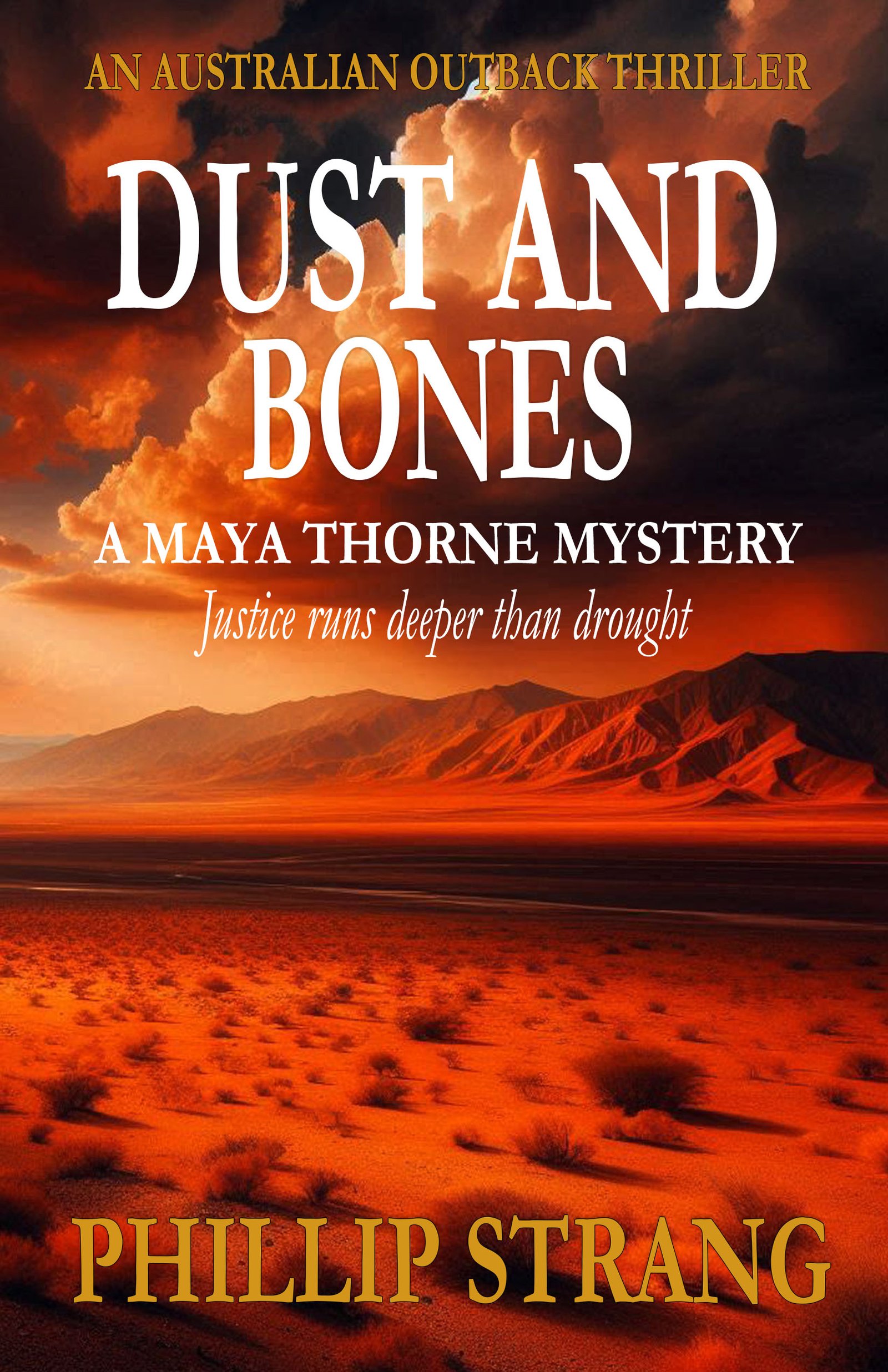
A MAYA THORNE MYSTERY
Get Dust and Bones Free
Justice runs deeper than drought.
Red dust. Shallow graves. A detective who hunts killers where the law runs thin and the nearest help is two hundred miles away.
Send Me the BookYou'll also receive occasional new release emails. Unsubscribe anytime. No spam, ever.
As an Amazon Associate, Phillip Strang earns from qualifying purchases. This page contains affiliate links — buying through them costs you nothing extra.