
The question of aging the series detective presents one of crime fiction’s most challenging character development problems. How do you maintain reader investment while authentically portraying the toll that years of investigating murders, corruption, and human depravity takes on your protagonist?
Across eighteen series and more than 150 novels, I’ve found that aging a series detective requires balancing three distinct but interconnected elements: the physical reality of getting older in a demanding profession, the emotional weight of accumulated cases, and the professional evolution that comes with experience and seniority.
The Physical Reality of Police Work
Most crime writers shy away from the brutal physical truth of detective work, but this is a mistake that undermines authenticity. Real detectives don’t maintain the same physical capabilities at fifty-five that they had at thirty. In my DCI Isaac Cook series, I’ve deliberately shown Cook’s gradual physical decline over fourteen books. His knees protest during long surveillance shifts, his stamina isn’t what it was, and he’s learned to rely more on intellect and experience than physical prowess.
The key is specificity without melodrama. Don’t give your detective a dramatic illness unless it serves the story. Instead, focus on the accumulated wear: the bad back from years of poor posture at crime scenes, the slight hearing loss from spending time on shooting ranges, the chronic fatigue from decades of disrupted sleep patterns. These details ground your character in reality and create natural opportunities for character development.
Physical aging also affects how your detective approaches cases. An older detective might delegate more physical tasks to younger officers, rely more heavily on technology, or develop different interview techniques that play to experience rather than intimidation. This evolution keeps the character fresh while maintaining believability.
Emotional Weight and Psychological Evolution
The emotional toll of repeated exposure to violence and human evil cannot be understated, yet many series treat each book as if it exists in isolation. This is perhaps the most crucial aspect of aging the series detective authentically. Your protagonist should carry the weight of previous cases, failed investigations, and personal losses.
In developing DI Tremayne, I’ve made his growing cynicism and emotional detachment a central character arc. He’s not the same optimistic detective he was in book one, and that change affects how he interacts with witnesses, suspects, and colleagues. Some victims’ families find him more understanding because he’s seen similar situations before; others find him cold because he’s developed necessary emotional barriers.
The psychological evolution should be gradual and realistic. Detectives develop coping mechanisms, some healthy, others destructive. They might become more efficient at compartmentalizing, better at reading people, or more skilled at managing their emotional responses. Conversely, they might struggle with increased paranoia, difficulty trusting people, or problems maintaining personal relationships.
Consider how accumulated experiences change your detective’s worldview. After fifteen murder cases, they’re not surprised by the same things that shocked them initially. This knowledge should inform their dialogue, their assumptions about suspects, and their investigative instincts.
Professional Development and Career Progression
Career advancement brings its own set of challenges that many series ignore. As detectives climb the ranks, their daily responsibilities change dramatically. A Detective Chief Inspector spends more time in meetings and less time interviewing suspects than a Detective Sergeant. This professional evolution creates natural conflict and character development opportunities.
When I promoted Isaac Cook through the ranks, I had to fundamentally reconsider how he approaches cases. Higher-ranking officers deal with media pressure, budget constraints, and political considerations that don’t affect junior detectives. They also have different access to resources and information, which changes how investigations unfold.
Professional aging also means your detective accumulates a network of contacts, informants, and professional relationships that junior officers lack. They know which forensic specialists to call for unusual evidence, which prosecutors are most likely to pursue difficult cases, and which judges have particular quirks. This knowledge base becomes a character asset that distinguishes experienced detectives from their younger colleagues.
The challenge is maintaining your detective’s hands-on involvement in cases while acknowledging their senior position. Senior detectives might personally handle only the most significant cases, leaving routine investigations to subordinates. This selectivity can actually enhance the drama of your stories, as readers understand that if your veteran detective is personally involved, the case must be extraordinary.
My Approach to Character Evolution
When planning long-term character development, I create what I call an aging timeline before writing the first book in a series. This document tracks not just major life events, but subtle changes in personality, physical capabilities, professional relationships, and personal circumstances. It’s not rigid—characters sometimes surprise me—but it provides a framework for consistent development.
For each new book, I ask specific questions: How has the previous case changed my detective? What new skills have they developed? What old habits are they abandoning? How are their relationships with colleagues evolving? The answers to these questions inform characterization throughout the manuscript.
I also maintain what I call a consequence log—a record of how major events from previous books continue to affect the character. If my detective made an enemy in book three, that enemy might resurface in book eight. If they made a significant professional mistake, the reputation damage might affect their career trajectory for several subsequent books. This approach creates a sense of continuity that readers appreciate and helps distinguish excellent police procedural novels from formulaic ones.
Common Mistakes in Character Aging
The most frequent error I see is what I call static character syndrome—treating the series detective as if they exist in a time bubble where nothing fundamental ever changes. These detectives solve case after case without any meaningful personal or professional evolution. Readers eventually notice this artificial stasis and lose interest.
Another common mistake is dramatic overcompensation—suddenly introducing major life changes like divorce, serious illness, or career disasters without proper foundation in previous books. If your detective’s marriage falls apart in book seven, the relationship problems should have been subtly developing since book four, not appear from nowhere for dramatic effect.
Some writers also fall into the wisdom trap, where older detectives become impossibly prescient and always make the right decisions. Real experience brings knowledge, but it also brings baggage, prejudices, and blind spots. Your aged detective should be more competent in some areas and potentially less effective in others. They might be excellent at reading suspects but terrible at understanding new technology, or highly skilled at managing crime scenes but impatient with modern bureaucratic procedures.
Finally, avoid the mistake of only focusing on negative changes. Aging brings benefits as well as limitations. Experienced detectives often have better instincts, more confidence in their decisions, and greater ability to see patterns that younger officers miss. They command more respect from witnesses and have learned to work the system more effectively. Character-driven storytelling requires acknowledging both growth and decline.
The Long Game of Series Development
Aging the series detective effectively requires thinking beyond individual books to the arc of the entire series. Each book should contribute to your detective’s overall character development while telling a complete story. This long-term perspective distinguishes memorable series from forgettable ones.
The physical, emotional, and professional changes your detective undergoes should feel inevitable in retrospect while remaining unpredictable as readers experience them. This balance requires careful planning, consistent characterization, and the courage to let your detective change in ways that might challenge reader expectations.
Consider how external factors like technological advancement, social changes, and evolving police procedures affect your detective’s work. A detective who began their career before DNA testing faces different challenges than one who started in the digital age. These broader changes provide natural opportunities for character development and keep your series relevant.
The goal isn’t to make your detective suffer gratuitously or to force artificial drama into every book. Instead, it’s to create a character who feels like a real person living a real life, complete with the gradual changes, accumulated wisdom, and inevitable limitations that come with time and experience. When done well, aging the series detective becomes one of your most powerful tools for maintaining reader investment across multiple books, as fans become invested not just in individual cases but in your detective’s evolving life story.
Conclusion
Aging the series detective authentically requires balancing physical reality, emotional growth, and professional evolution across multiple books. When executed thoughtfully, character aging transforms a series from a collection of individual mysteries into a compelling long-term narrative that keeps readers invested in both the cases and the detective’s personal journey.
About Phillip Strang
Phillip Strang is an Australian crime and thriller novelist. Across eighteen series and more than 150 novels, his work spans London police procedurals (DCI Isaac Cook), UK investigations (DI Tremayne), Australian outback crime (Maya Thorne), FBI thrillers (Alex Harlan), Scottish Highland mysteries (DI Sarah Lynch), and espionage (Steve Case). Learn more about Phillip or browse his complete catalogue on Amazon.
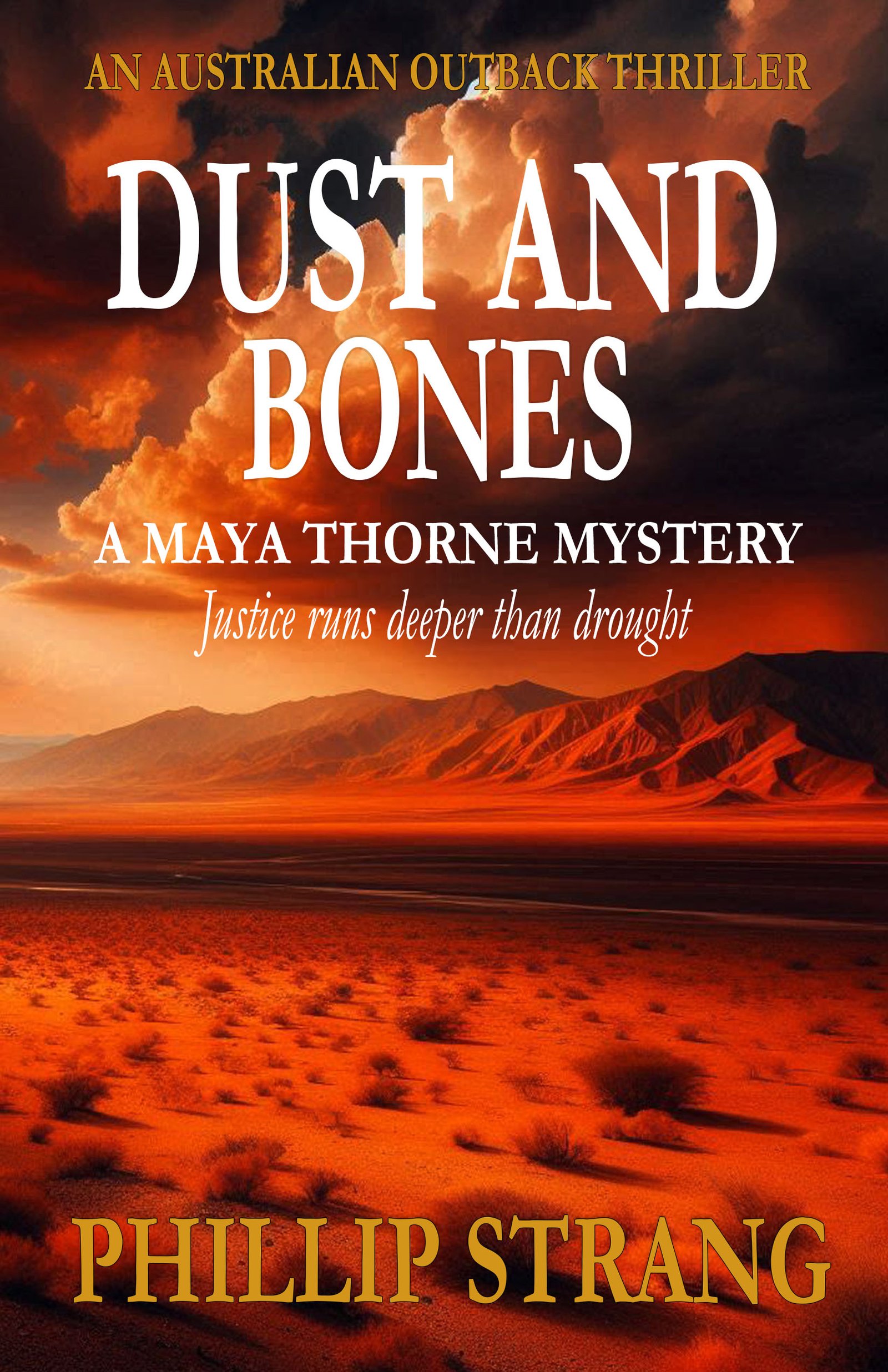
A MAYA THORNE MYSTERY
Get Dust and Bones Free
Justice runs deeper than drought.
Red dust. Shallow graves. A detective who hunts killers where the law runs thin and the nearest help is two hundred miles away.
Send Me the BookYou'll also receive occasional new release emails. Unsubscribe anytime. No spam, ever.
As an Amazon Associate, Phillip Strang earns from qualifying purchases. This page contains affiliate links — buying through them costs you nothing extra.