
The voice that delivers your crime fiction in audio format can make or break the entire experience for listeners. Getting the narrator selection wrong means watching your carefully crafted tension dissolve into awkward pacing and misinterpreted character motivations.
Across eighteen series and more than 150 novels, I have found that audiobook strategy for crime fiction requires fundamentally different considerations than literary fiction or romance. The genre demands specific technical skills from narrators and production choices that serve the unique rhythm of investigative storytelling.
Understanding the Crime Fiction Audio Landscape
Crime fiction audiobooks live or die on the narrator’s ability to handle multiple character voices without losing the central investigative thread. Unlike other genres where a single compelling voice might suffice, crime fiction demands a narrator who can differentiate between suspects, investigators, and witnesses while maintaining the procedural momentum that keeps listeners engaged during long commutes or evening listening sessions.
The pacing requirements differ dramatically from print. Where a reader might pause to consider a clue or flip back to an earlier chapter, audiobook listeners experience your story as a continuous stream. This means your narrator must understand how to handle the revelation of crucial information, the placement of red herrings, and the gradual build toward resolution in ways that work specifically for audio consumption.
In my DCI Isaac Cook series, the London setting requires a narrator who can handle not just British accents authentically, but also distinguish between the social and regional variations that matter to character development. A narrator who treats all working-class witnesses with the same generic cockney accent misses the subtle class dynamics that drive much of the series’ tension.
My Production Approach: What Actually Works
When I evaluate potential narrators, I start with a simple test: can they read a police interview scene and make it compelling rather than bureaucratic? Crime fiction contains enormous amounts of procedural dialogue that must sound natural rather than stilted. The narrator who can make evidence discussion feel like conversation rather than exposition has mastered the fundamental skill the genre requires.
I’ve learned to prioritize consistency over virtuosity. A narrator who maintains three distinct voices perfectly throughout an eight-hour audiobook serves the story better than one who attempts twelve different accents but loses track of who sounds like what by chapter ten. This becomes critical in series work, where character voices must remain consistent across multiple books spanning years of production.
The technical production choices matter more than most authors realize. Crime fiction benefits from minimal ambient sound or music. The genre creates its own atmosphere through pacing and voice; adding mysterious music or sound effects typically undermines rather than enhances the experience. Listeners want to focus on the investigation, not fight through audio manipulation to follow the story.
Studio time allocation requires specific consideration for crime fiction. Rush jobs produce stilted dialogue delivery in police procedurals. I budget for multiple takes on crucial revelation scenes, knowing that the wrong emphasis on a key piece of evidence can spoil the entire investigative arc for listeners.
Narrator Selection Criteria That Matter
The narrator’s ability to handle technical terminology without stumbling determines much of the audiobook’s professional quality. Crime fiction contains specialized vocabulary around forensics, legal procedures, and investigative techniques. A narrator who hesitates over ballistics terminology or mispronounces legal concepts breaks the procedural immersion that the best police procedural novels depend upon.
Gender matching between narrator and protagonist matters less than voice authority. I’ve heard male narrators completely capture female detective protagonists and female narrators nail grizzled male investigators. What matters is whether the narrator can embody the investigative mindset rather than simply read the words. The best crime fiction narrators understand that they’re not performing characters so much as channeling investigative thinking.
Regional authenticity becomes crucial when setting drives character. My Maya Thorne series requires a narrator who understands Australian speech patterns not as exotic accent work but as natural expression. American narrators who approach Australian characters as accent exercises rather than authentic voices typically fail to capture the cultural attitudes that make the characters believable.
Experience with series work should influence selection for any crime fiction intended as ongoing characters. A narrator who delivers book one brilliantly but cannot maintain character voice consistency across subsequent volumes creates problems that compound over time. Series listeners develop strong attachments to character voices, and changes in narrator interpretation between books generate significant listener complaints.
Production Mistakes That Kill Crime Fiction Audio
Over-directing narrator performance represents the most common error I encounter in crime fiction audiobook production. Directors who push narrators toward theatrical delivery miss the conversational intimacy that makes audiobooks work. Crime fiction needs to feel like someone telling you about an investigation, not performing a stage play about detectives.
Rushing through dialogue scenes destroys the investigative rhythm that separates good crime fiction from generic mystery. When narrators speed through witness interviews or suspect interrogations to maintain arbitrary pacing targets, they eliminate the subtle pauses and emphasis shifts that help listeners process information alongside the detective. This becomes particularly problematic in espionage thrillers where the subtext matters as much as the spoken words.
Inconsistent pronunciation of character names seems minor but creates major problems in series work. Listeners who invest in ongoing characters notice when Detective Morrison becomes Detective Morrison with different stress patterns between books. These errors suggest careless production that undermines confidence in the entire audio experience.
Ignoring the acoustic requirements of action sequences leads to muddled delivery during crucial scenes. Chase scenes, physical confrontations, and high-tension moments require different pacing and energy than procedural discussions. Narrators who maintain the same conversational tone throughout fail to serve the genre’s dynamic range.
Technical Considerations for Crime Fiction Audio
Audio editing for crime fiction requires different choices than other genres. The typical recommendation to eliminate all pauses and verbal hesitations actually damages crime fiction, where natural speech rhythms help listeners distinguish between confident witnesses and evasive suspects. Strategic retention of slight pauses can enhance rather than detract from the investigative atmosphere.
Chapter break handling needs specific attention in crime fiction, where cliffhangers and revelation timing drive the listening experience. Abrupt transitions between chapters can destroy carefully constructed tension, while overly smooth transitions can diminish the impact of chapter-ending hooks that keep listeners engaged.
The balance between narrative voice and dialogue requires more careful calibration in crime fiction than in character-driven literary work. Investigative scenes contain significant amounts of rapid dialogue between multiple characters, and narrators must find ways to maintain clarity without sacrificing conversational flow. This becomes particularly challenging in my Steve Case espionage work, where three-way conversations containing coded language require precise delivery to remain comprehensible.
Sound quality standards for crime fiction should prioritize clarity over warmth. The slight clinical edge that works against intimate literary fiction actually serves procedural work well, creating the professional atmosphere that matches investigative settings. Studios that over-process crime fiction audio to achieve cozy warmth often undermine the genre’s natural authority.
Conclusion
Effective audiobook strategy for crime fiction starts with understanding that the genre’s specific requirements differ significantly from general fiction approaches. Success comes from matching narrator skills to investigative storytelling demands rather than pursuing generic audio quality standards.
About Phillip Strang
Phillip Strang is an Australian crime and thriller novelist. Across eighteen series and more than 150 novels, his work spans London police procedurals (DCI Isaac Cook), UK investigations (DI Tremayne), Australian outback crime (Maya Thorne), FBI thrillers (Alex Harlan), Scottish Highland mysteries (DI Sarah Lynch), and espionage (Steve Case). Learn more about Phillip or browse his complete catalogue on Amazon.
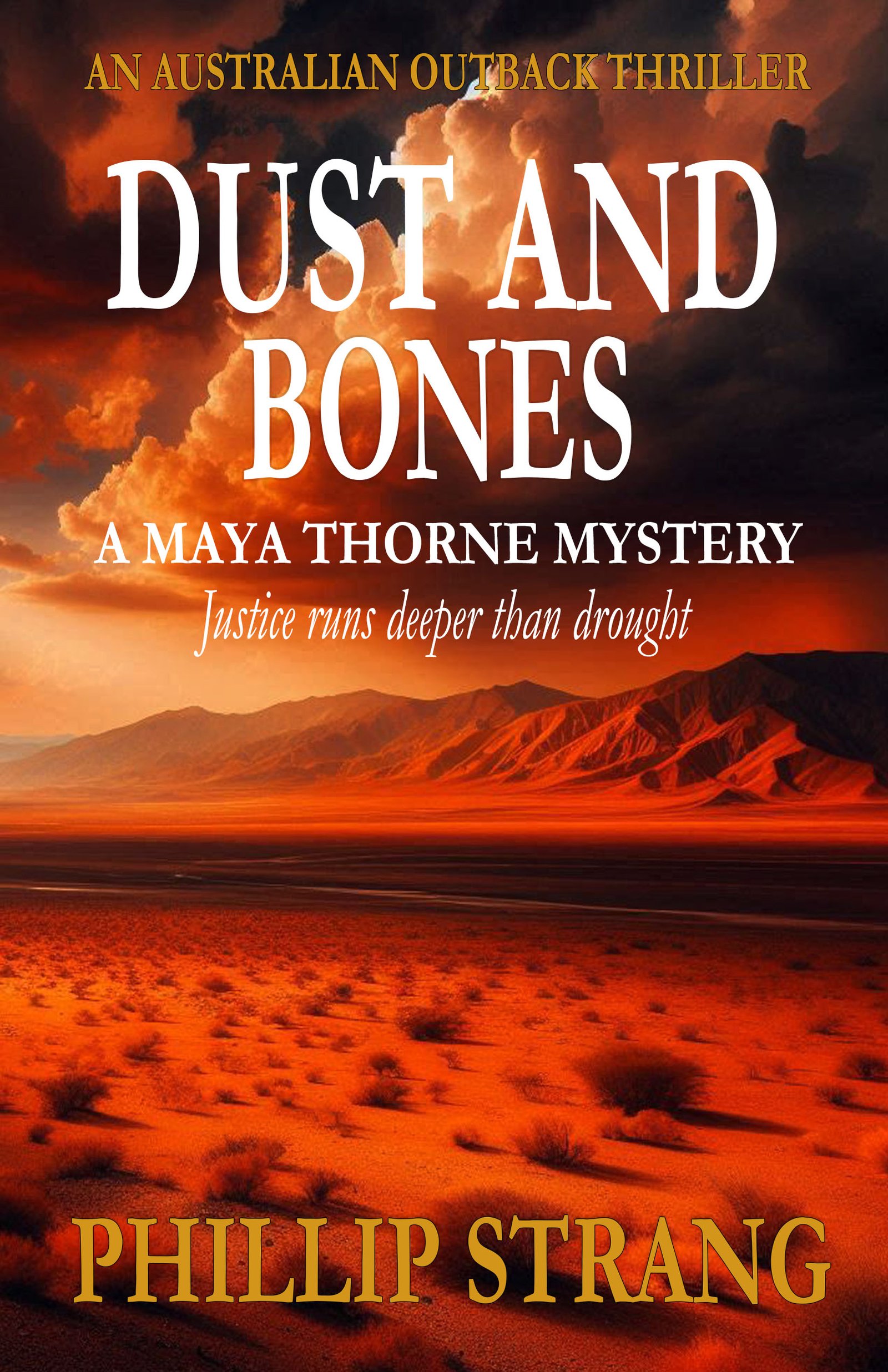
A MAYA THORNE MYSTERY
Get Dust and Bones Free
Justice runs deeper than drought.
Red dust. Shallow graves. A detective who hunts killers where the law runs thin and the nearest help is two hundred miles away.
Send Me the BookYou'll also receive occasional new release emails. Unsubscribe anytime. No spam, ever.
As an Amazon Associate, Phillip Strang earns from qualifying purchases. This page contains affiliate links — buying through them costs you nothing extra.