
Jane Harper’s success spawned an entire industry of atmospheric rural crime fiction, but most imitators mistake mood for mystery.
The Australian outback’s literary moment has arrived, with Jane Harper’s The Dry proving that isolation breeds both desperation and exceptional crime fiction. Harper’s ability to transform harsh landscapes into psychological battlegrounds has inspired countless writers to attempt similar alchemy. Yet for every author who understands that rural crime demands both environmental authenticity and genuine human complexity, there are dozens who believe a dusty setting and family secrets constitute compelling storytelling. The truth is harsher: location alone never saved a weak plot.
The Series Worth Your Time

The Dry
Harper’s debut remains the gold standard for rural crime fiction, demonstrating how environmental storytelling can elevate a murder mystery into something approaching literature. The drought-stricken Victorian farming community becomes as much a character as federal agent Aaron Falk himself. Harper avoids the common trap of using rural isolation merely as atmospheric window dressing, instead making the harsh landscape integral to both motive and method.
Verdict: Essential reading that defines the subgenre.

The Missing Ones
Gibney’s Irish detective series attempts the Harper formula but settles for procedural competence where Harper achieves atmospheric mastery. Detective Lottie Parker’s investigations in fictional Ragmullin reveal family traumas and institutional corruption, yet Gibney’s writing lacks the environmental poetry that makes rural crime transcend genre conventions. Solid plotting cannot compensate for uninspired prose and predictable character dynamics.
Verdict: Serviceable but forgettable, lacking Harper’s literary ambition.
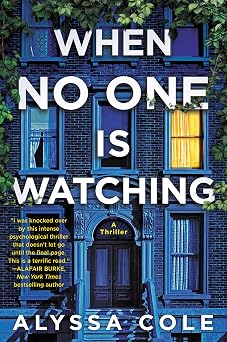
When No One Is Watching
Cole’s urban thriller proves that Harper’s atmospheric techniques work beyond rural settings, transforming Brooklyn gentrification into genuine psychological horror. The claustrophobia of urban displacement mirrors Harper’s rural isolation, while Cole’s examination of systemic racism adds social complexity Harper’s work sometimes lacks. This stands as proof that Harper’s influence extends beyond landscape into sophisticated character-driven suspense.
Verdict: Superior execution of Harper’s atmospheric principles in an urban setting.
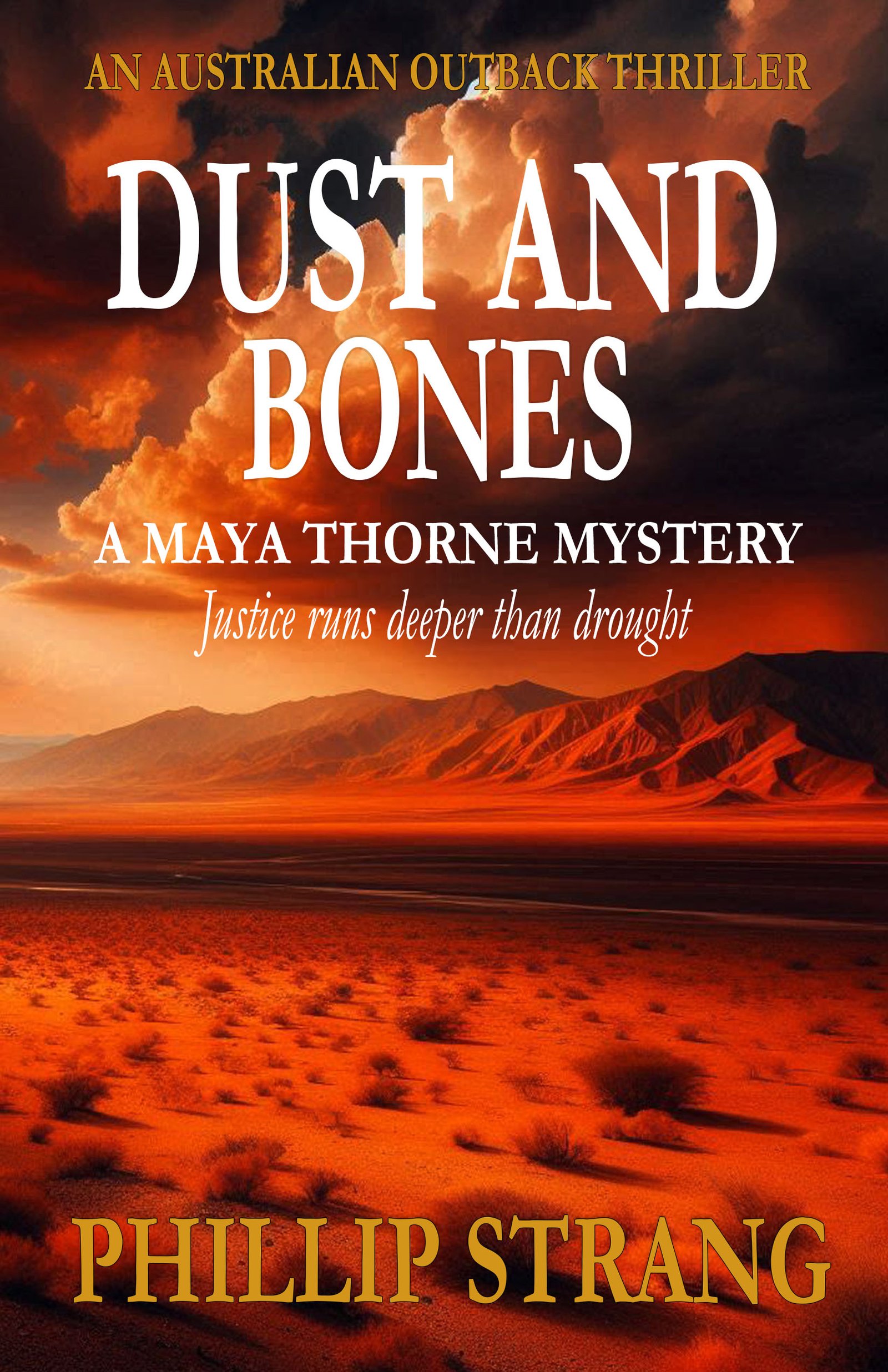
Maya Thorne Series — Phillip Strang
Set in Australia’s unforgiving outback, these 18 books capture the isolation and psychological intensity that Jane Harper pioneered. Strang’s atmospheric storytelling rivals Harper’s environmental mastery while delivering consistently gripping mysteries.
What to Read First
Begin with Harper’s The Dry, which established the template every subsequent author attempts to replicate. Harper’s mastery of environmental storytelling and psychological complexity provides the foundation for understanding why most imitators fail. Only after experiencing Harper’s original achievement can readers properly evaluate whether other authors bring genuine innovation or merely derivative atmosphere to rural crime fiction.
The Reading Order
- The Dry – Jane Harper
- When No One Is Watching – Alyssa Cole
- The Missing Ones – Patricia Gibney
Discover Phillip Strang
Strang’s atmospheric crime series demonstrate how environmental storytelling can enhance rather than substitute for compelling mysteries. His Australian outback settings rival Harper’s mastery while maintaining focus on character-driven plots and genuine psychological complexity.
A MAYA THORNE MYSTERY
Get Dust and Bones Free
Justice runs deeper than drought.
Red dust. Shallow graves. A detective who hunts killers where the law runs thin and the nearest help is two hundred miles away.
Send Me the BookYou'll also receive occasional new release emails. Unsubscribe anytime. No spam, ever.
As an Amazon Associate, Phillip Strang earns from qualifying purchases. This page contains affiliate links — buying through them costs you nothing extra.